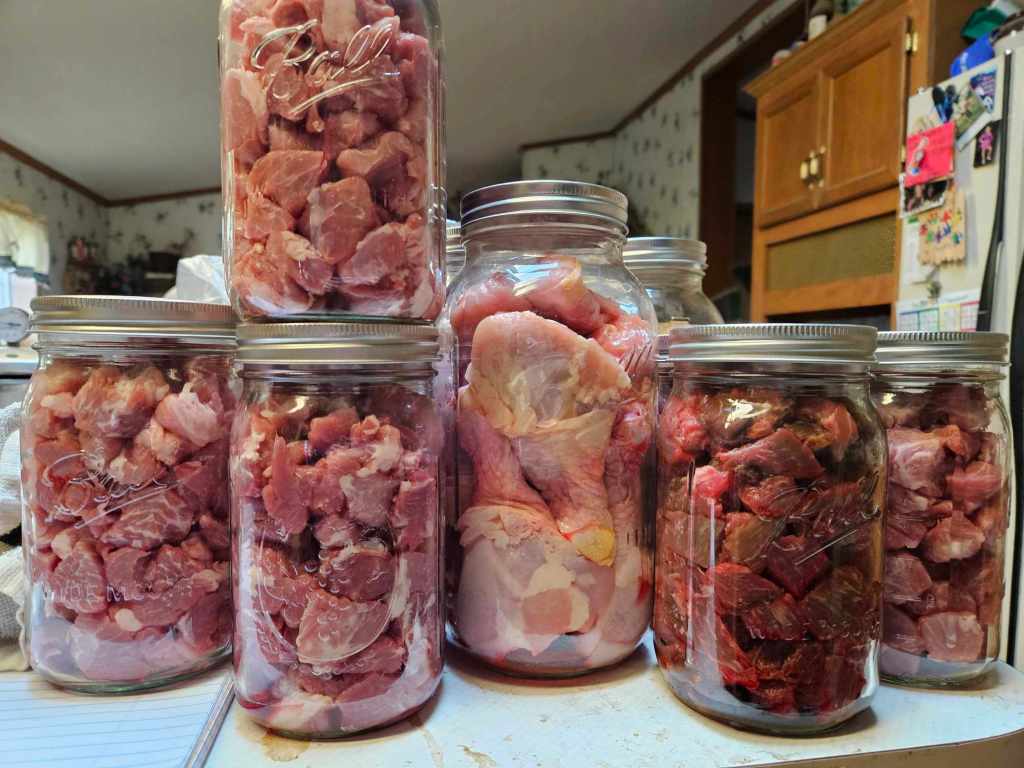
Canning is not only a practical method for preserving food, but it’s also an excellent way to contribute to a more sustainable lifestyle. By reducing food waste and decreasing reliance on commercially packaged goods, canning can play a significant role in promoting environmental sustainability. Let’s explore the environmental benefits of canning and how it helps create a more sustainable way of living.
1. Reducing Food Waste
One of the most immediate benefits of canning is its ability to reduce food waste. By preserving surplus produce and leftovers, you can prevent them from ending up in the landfill. Here’s how canning helps:
- Preserve Surplus Harvest: If you have a bountiful garden or have bought in bulk, canning allows you to save excess produce that might otherwise spoil.
- Extend Shelf Life: Canning extends the shelf life of fruits, vegetables, and other foods, ensuring they can be enjoyed months or even years after they were harvested.
- Utilize Whole Foods: Canning encourages the use of entire fruits and vegetables, minimizing the parts that are discarded.
2. Lowering Carbon Footprint
Canning at home can significantly lower your carbon footprint. Here’s how:
- Local and Seasonal Produce: By canning locally grown and seasonal produce, you reduce the need for transportation and storage of out-of-season and imported foods, which often require significant energy.
- Decreased Energy Usage: Once canned, foods do not require refrigeration or freezing, which means less energy consumption compared to fresh or frozen foods.
- Homegrown Produce: Growing your own fruits and vegetables and preserving them through canning reduces the environmental impact associated with commercial farming practices.
3. Reducing Packaging Waste
Canning helps reduce reliance on single-use packaging. Here’s the impact:
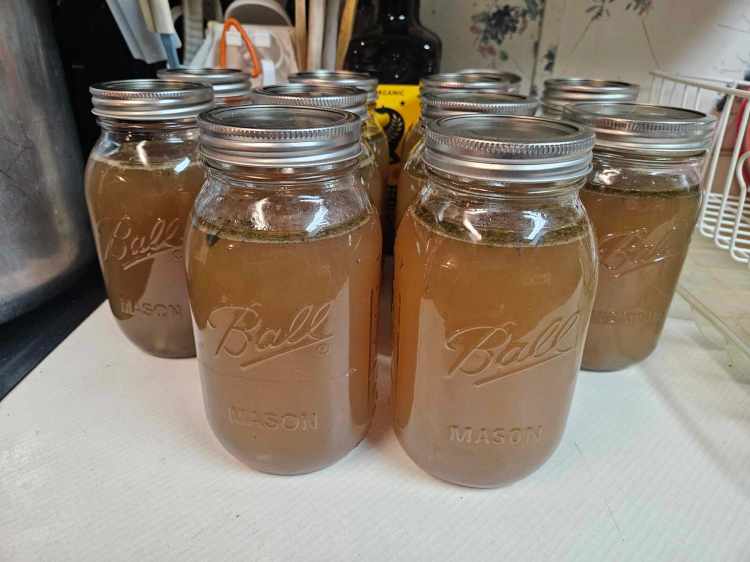
- Reusable Jars: Canning jars can be reused year after year, significantly cutting down on the need for disposable packaging such as plastic containers and aluminum cans.
- Bulk Buying and Storage: By preserving food in larger quantities, you can buy in bulk and reduce the need for individually packaged items.
4. Promoting a Sustainable Food System
Canning supports a more sustainable food system in various ways:
- Food Preservation Knowledge: Canning helps keep traditional food preservation methods alive, promoting self-sufficiency and reducing reliance on industrial food systems.
- Community Sharing: Home-canned goods can be shared with neighbors and local communities, fostering a sense of community and reducing the demand for mass-produced foods.
- Support for Local Farmers: By purchasing local produce in bulk for canning, you support local farmers and contribute to a resilient local food economy.
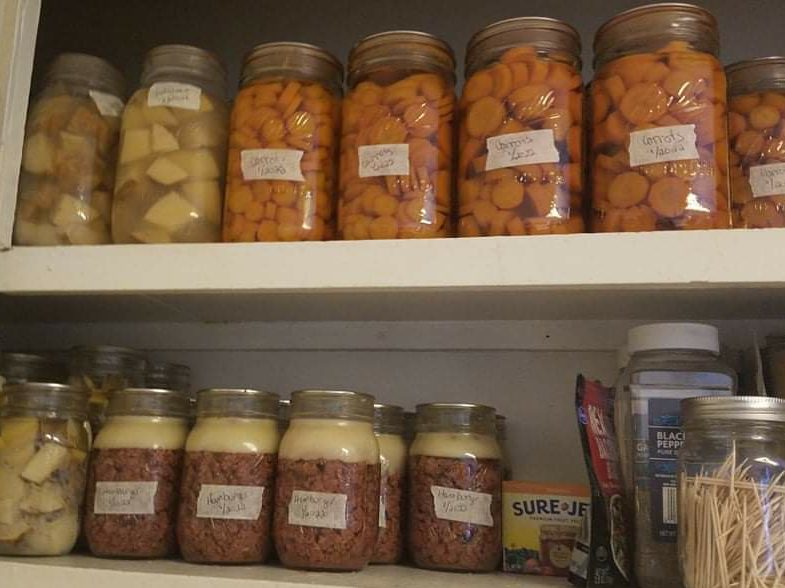
5. Encouraging Seasonal Eating
Canning enables you to eat seasonally, which has several environmental benefits:
- Reduced Demand for Out-of-Season Produce: Eating in season reduces the demand for out-of-season produce, which often requires energy-intensive methods to grow and transport.
- Maximizing Nutritional Value: Seasonal produce is often fresher and more nutrient-dense, contributing to a healthier diet with a lower environmental impact.
Wrapping Up
Canning is more than just a method of preserving food; it’s a powerful tool for promoting sustainable living. By reducing food waste, lowering your carbon footprint, decreasing packaging waste, and supporting a sustainable food system, canning contributes to a healthier planet. Embrace the benefits of canning and take a step towards a more sustainable lifestyle.
Ready to Master the Art of Canning?
Join our expert-led canning classes and unlock the secrets to preserving your favorite foods with confidence and creativity. Whether you’re a beginner or looking to refine your skills, our hands-on workshops will guide you through every step of the canning process. Learn tried-and-true techniques, discover new recipes, and become part of a passionate community of home canners.
Sign up today and take your canning skills to the next level!
