
When you’re building a farm, it’s not just about producing great food or raising healthy animals—it’s also about crafting a story and creating a brand that resonates with your values, your community, and the kind of life you want to cultivate. At Huckleberry Farms, our brand grew from a mix of personal values, love for the land, and a desire to connect with people in a meaningful way. Here’s a look at how we created our brand, the choices we made along the way, and some practical tips for anyone looking to build their own farm brand.
Choosing the Name: Why Huckleberry?
Naming your farm is one of the first steps in creating a strong brand identity. For us, the name Huckleberry Farms was deeply personal and intentional. I’ve always had a love for westerns, and that connection to the grit, toughness, and resilience of frontier life was something I wanted our farm to embody.
The phrase “I’m your huckleberry” from the movie Tombstone became a pivotal inspiration. In the 1800s, that phrase was used to mean “I’m the one you want,” or “I’m the right match.” It’s most famously used by Doc Holliday, played by Val Kilmer, right before he faces off with Johnny Ringo. That scene has always stuck with me. Like Doc Holliday, we’re the kind of people who take on challenges head-on. Whether it’s parenting, farming, or protecting our property, we stand up to the task. That fighting spirit is woven into the essence of Huckleberry Farms.
As for “Farms”—plural, not singular—I chose this deliberately to leave room for growth. I didn’t want us to be confined to just one type of enterprise. While we started with eggs and rabbits, we’ve been exploring the possibility of expanding into new ventures. In the future, Huckleberry Farms could be an umbrella for multiple enterprises, and perhaps even a platform for empowering women in recovery or at-risk youth to start their own businesses under our brand. I wanted the name to reflect not just where we started, but where we could go.
The Logo: Representing Our Values
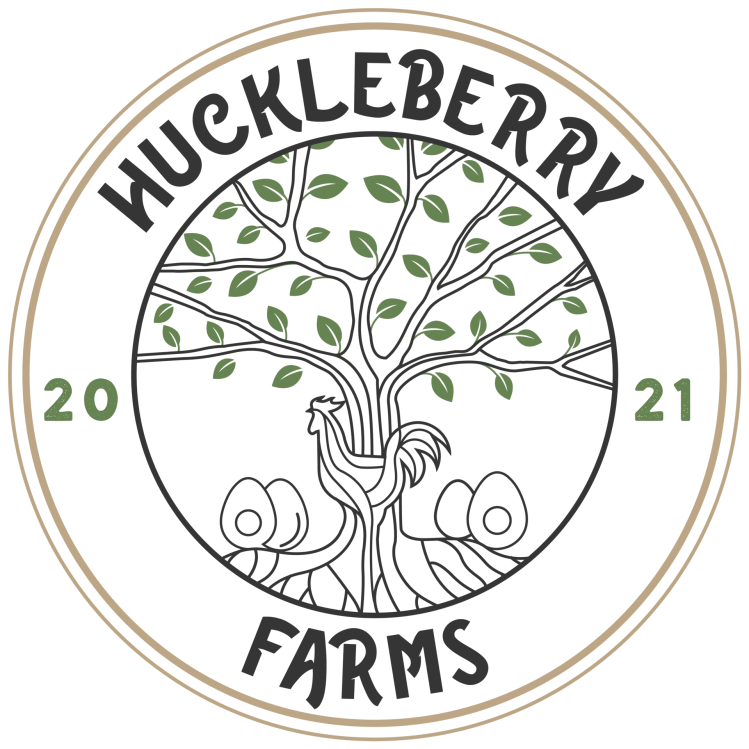
Our logo is an important part of our brand identity, and we wanted it to tell a story. We worked with a local woman-owned business, BoCo, to create a logo that felt representative of who we are. The logo prominently features a tree with green leaves in the center. The tree is the only colored element, symbolizing our commitment to regeneration—both in the way we farm and in how we give back to the planet.
The tree also represents growth, sustainability, and the connection between the land and the living things that depend on it. Chickens and eggs are also incorporated into the design, which ties in our primary farming focus at the time. But the overall feel of the logo is more than just about chickens—it’s about farming, community, and growth in all directions.
The Power of Storytelling: Why It Matters
From day one, we’ve recognized that a farm’s brand is more than just a name or logo—it’s the story behind it. People want to connect with where their food comes from, and sharing the story of why we farm, how we care for our animals, and how we protect the environment resonates with our customers.
Social media has been a key tool in telling that story. We’ve used Facebook, Instagram, and LinkedIn to build our brand’s presence and to engage with our community. Posting regularly about our daily farm life, our sustainability efforts, and the challenges and joys of running a small farm has helped people feel connected to us. We’re not just selling eggs or rabbits; we’re sharing a lifestyle and a commitment to ethical farming practices.
One of the best things about social media is that it gives you the chance to be authentic. We didn’t build Huckleberry Farms overnight, and we’re honest about that. Our posts don’t just highlight the successes; they also share the struggles, which helps build trust with our audience.
Engaging the Community: Beyond Social Media
While online presence is important, we also prioritize face-to-face interactions. Being featured at local events like the Night Market and hosting our own Sunday Family Market are ways we connect with our community. These events not only help us reach new customers but also give us a chance to build personal relationships and share our mission in a way that’s more powerful than any online post.
Our Sunday Family Market is more than just a place for us to sell our products; it’s an extension of our farm’s values. It creates a space for people to learn about sustainable practices, shop from local vendors, and be part of a community that values health, environment, and supporting one another.
Practical Tips for Building Your Own Farm Brand
If you’re looking to build a farm brand, here are a few tips that have worked for us:
- Choose a Name with Meaning: Your farm’s name is the foundation of your brand, so make it count. Choose something that resonates with your values and tells a story. Leave room for growth, but also make sure it’s something that feels authentic to who you are.
- Craft a Story: Branding is more than just a name and a logo. It’s the story of your farm, your mission, and why you do what you do. People want to know the story behind their food, so don’t be afraid to share your journey—the good, the bad, and everything in between.
- Invest in a Thoughtful Logo: Your logo should reflect the core values of your farm. Work with a designer who understands your mission and can translate that into a visual representation that feels true to your farm’s spirit.
- Use Social Media to Connect: Facebook, Instagram, and LinkedIn are powerful platforms for connecting with your audience. Use them to share your story, engage with your community, and showcase your farm’s unique voice. Be consistent and authentic—your audience will appreciate your honesty and transparency.
- Get Involved Locally: Don’t rely solely on online presence—get out into your community. Farmers markets, local events, and pop-ups are great ways to build your brand and connect with customers in person. Word of mouth is a powerful tool, especially in local communities.
- Create Consistent Experiences: Whether it’s the design of your farm stand, the packaging of your products, or the tone of your social media posts, consistency is key. Your brand should be instantly recognizable across all touchpoints, so that customers know exactly what to expect when they see your name.
Final Thoughts: Building the Future of Huckleberry Farms
Creating the Huckleberry Farms brand was about more than just selling eggs or rabbits—it was about establishing a way of life that reflects our values of sustainability, community, and resilience. By sharing our story, engaging our community, and staying true to who we are, we’ve built something that people can connect with and trust.
As we look to the future, we’re excited about the potential for Huckleberry Farms to grow. Whether it’s expanding into new enterprises or finding ways to support others through our brand, we’re committed to building something that lasts, not just for us, but for our community.
If you’re in the process of building your own farm brand, remember that it’s all about authenticity, connection, and a clear sense of purpose. When you create a brand that reflects who you truly are and what you stand for, people will naturally be drawn to what you have to offer.
