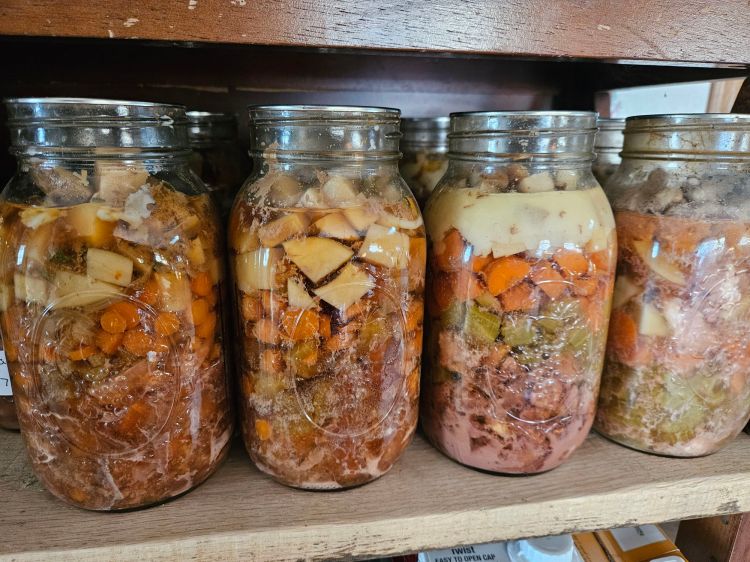
Canning is a fascinating and precise method of food preservation that relies on scientific principles to keep your food safe and delicious for extended periods. By understanding the science behind canning, you can appreciate the process even more and ensure your canning efforts are successful. Let’s dive into the key aspects of how canning works.
1. The Basics of Canning
At its core, canning involves placing food in jars or cans, heating them to a temperature that destroys harmful microorganisms, and sealing them to create a vacuum. This process prevents contamination and keeps food from spoiling.
2. Microorganism Control
One of the primary goals of canning is to eliminate or inhibit the growth of bacteria, yeasts, and molds that can cause food spoilage and foodborne illnesses. The heat treatment during canning is crucial for this:
- Bacteria: Canning destroys pathogenic bacteria, such as Clostridium botulinum, which causes botulism. This bacterium can produce deadly toxins under anaerobic (oxygen-free) conditions, so it’s vital to kill it during the canning process.
- Yeasts and Molds: Canning also eliminates yeasts and molds that can spoil food and affect its taste and texture.
3. Creating a Vacuum Seal
After heating, the jars are sealed to create a vacuum. As the jars cool, the contents contract, creating a vacuum seal. This seal prevents air (and any new microorganisms) from entering the jar, which is essential for long-term preservation. The vacuum also helps maintain the food’s freshness and flavor by keeping out oxygen, which can cause oxidation and spoilage.
4. Acid Levels and Food Safety
The acidity of the food being canned plays a significant role in the canning method used:
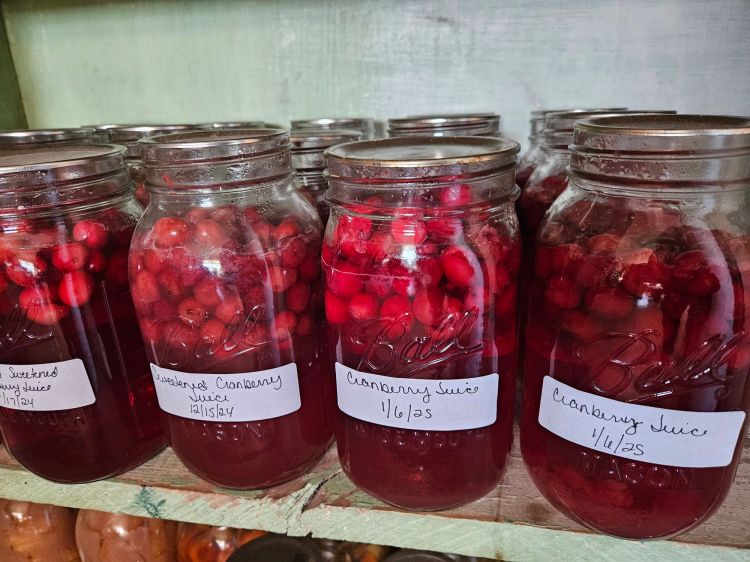
- High-Acid Foods: Foods with a pH level of 4.6 or lower (such as fruits, pickles, and tomatoes) can be safely processed using the water bath canning method. The high acidity helps inhibit the growth of harmful bacteria.
- Low-Acid Foods: Foods with a pH level above 4.6 (such as vegetables, meats, and poultry) require pressure canning. This method reaches higher temperatures than boiling water, effectively killing any potential bacteria, including Clostridium botulinum.
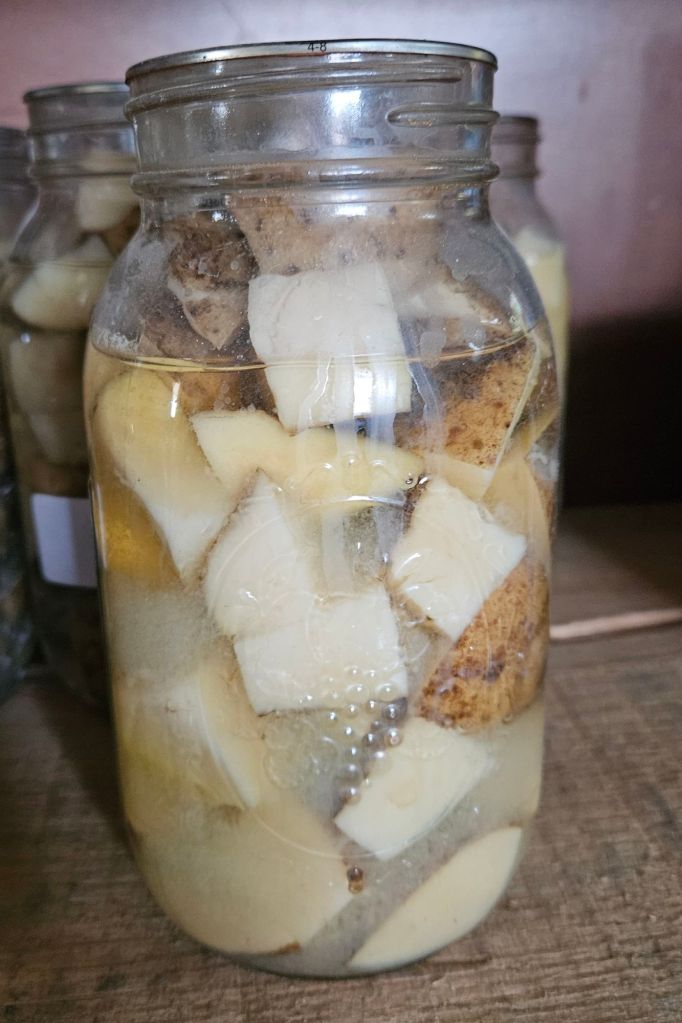
5. Temperature and Pressure
- Water Bath Canning: This method involves submerging jars in boiling water (212°F or 100°C) for a specified time. It’s suitable for high-acid foods, as the boiling temperature is sufficient to destroy harmful microorganisms.
- Pressure Canning: This method uses a pressure canner to achieve temperatures higher than boiling water (up to 250°F or 121°C). It’s essential for low-acid foods to ensure all bacteria and spores are destroyed.
6. Heat Penetration
The effectiveness of canning depends on the heat penetrating to the center of the food in the jar. Factors affecting heat penetration include:
- Jar Size: Larger jars take longer to heat through than smaller jars.
- Food Density: Denser foods require more time for the heat to penetrate.
- Pack Style: Whether food is packed raw or hot can impact heat penetration times.
7. Chemical Reactions
Canning can cause some chemical changes in the food, such as:
- Maillard Reaction: This reaction between amino acids and reducing sugars can occur during canning, leading to browning and flavor development.
- Vitamin Loss: Some vitamins, particularly vitamin C and B vitamins, can degrade with heat. However, the overall nutritional value of home-canned foods remains high.
By understanding the science behind canning, you can ensure your preserved foods are safe, delicious, and nutritious. From controlling microorganisms and creating a vacuum seal to understanding the importance of acidity and heat penetration, each step in the canning process plays a crucial role in preserving your food.
Ready to Master the Art of Canning?
Join our expert-led canning classes and unlock the secrets to preserving your favorite foods with confidence and creativity. Whether you’re a beginner or looking to refine your skills, our hands-on workshops will guide you through every step of the canning process. Learn tried-and-true techniques, discover new recipes, and become part of a passionate community of home canners.
Sign up today and take your canning skills to the next level!
