In a world where convenience often takes precedence over quality, it’s easy to overlook the importance of local farmers and the vital role they play in our communities. As we celebrate Valentine’s Day, let’s extend our appreciation beyond our loved ones to include those who work tirelessly to provide us with fresh, nutritious food—our local farmers. Supporting local farms offers numerous benefits for our health, the environment, and our communities. This article will explore why supporting local farmers matters and how you can show your love for them.
The Importance of Local Farms
Local farms are the backbone of sustainable agriculture and play a crucial role in maintaining the health of our ecosystems. By focusing on sustainable practices, local farmers contribute to soil health, biodiversity, and the reduction of greenhouse gas emissions. Unlike industrial farming, which often relies on monoculture and chemical inputs, local farms tend to adopt practices that promote ecological balance and soil regeneration.
- Promoting Biodiversity
Local farms often grow a variety of crops and raise diverse livestock breeds, contributing to greater biodiversity. This diversity helps create resilient ecosystems that can better withstand pests, diseases, and changing climate conditions. In contrast, industrial farming’s reliance on monoculture can lead to soil degradation and increased vulnerability to pests and diseases.
- Reducing Carbon Footprint
Supporting local farms can significantly reduce the carbon footprint associated with food production and transportation. Food in the United States travels an average of 1,500 miles from farm to plate. This long-distance transportation requires significant amounts of fossil fuels, contributing to greenhouse gas emissions. By purchasing food from local farmers, you can help reduce these emissions and support a more sustainable food system.
Health Benefits of Local Food
One of the most compelling reasons to support local farms is the health benefits of consuming fresh, locally grown food. Local produce is often harvested at its peak ripeness, ensuring maximum flavor and nutritional value. In contrast, industrially produced food is often harvested prematurely to withstand long-distance transportation, which can result in diminished taste and nutrient content.
- Fresher Produce
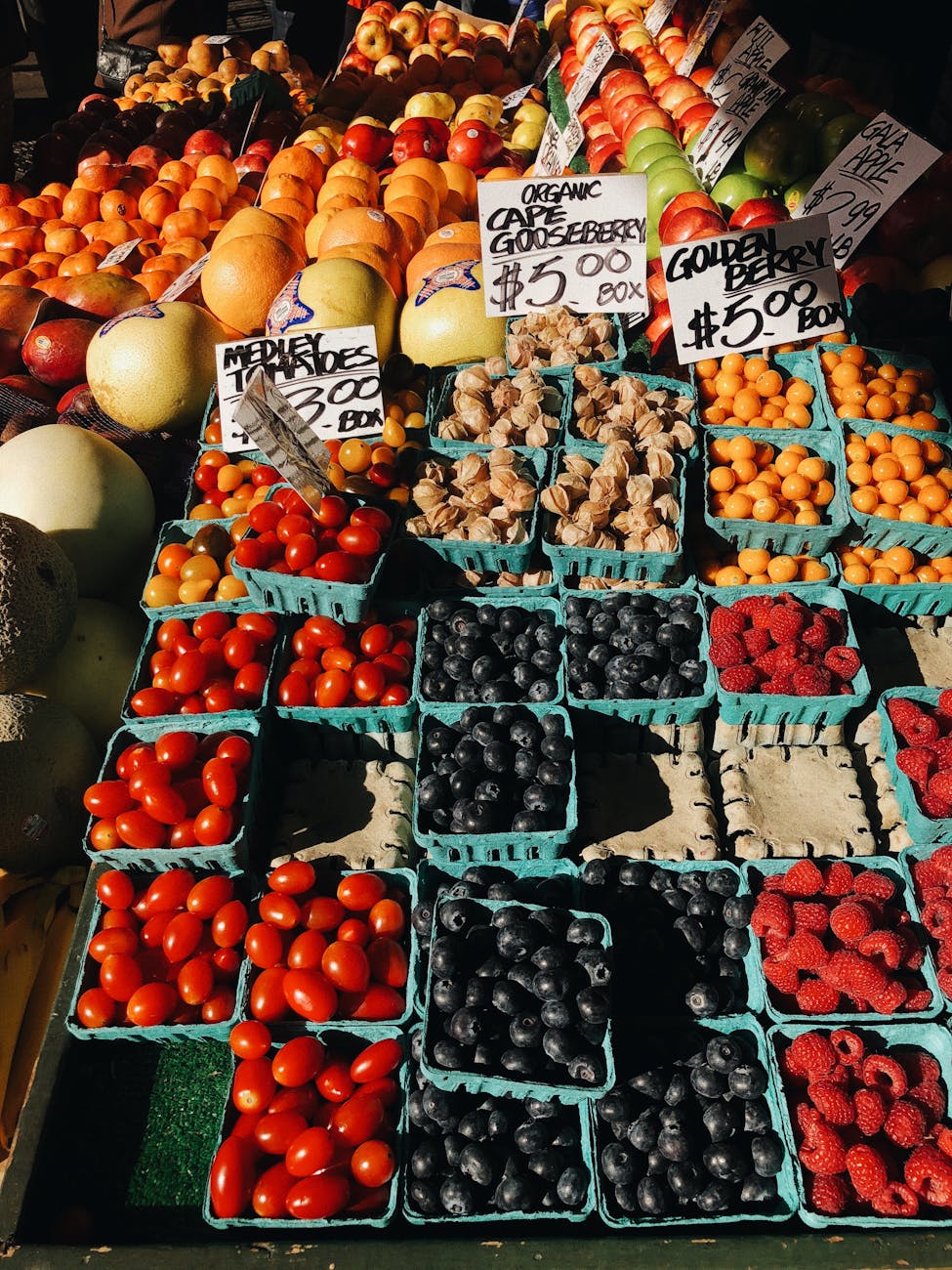
Local farmers typically sell their products directly to consumers through farmers’ markets, farm stands, and community-supported agriculture (CSA) programs. This direct-to-consumer model ensures that the produce you purchase is as fresh as possible. Fresher produce not only tastes better but also retains more of its nutritional value compared to produce that has been stored and transported for extended periods.
- Fewer Chemicals
Many local farmers prioritize organic and sustainable farming practices, reducing the use of synthetic pesticides and fertilizers. By purchasing from local farms, you can support agricultural methods that prioritize the health of the soil and the environment while minimizing your exposure to harmful chemicals.
Supporting the Local Economy
When you buy from local farmers, you’re not just purchasing food—you’re investing in your community. Supporting local farms helps create jobs, strengthen the local economy, and build a sense of community.
- Creating Jobs
Small farms and local food businesses create jobs within the community. From farm workers and market vendors to food processors and distributors, supporting local agriculture generates employment opportunities and contributes to the overall economic well-being of the community.
- Strengthening the Local Economy
Dollars spent on local food tend to stay within the community, circulating and benefiting other local businesses. This multiplier effect helps build a more resilient and self-sufficient local economy. By choosing to buy from local farmers, you’re helping to ensure the financial stability of your community.
Building Community Connections
Local farms play a crucial role in fostering a sense of community and connection. Farmers’ markets, farm stands, and CSA programs provide opportunities for consumers to interact directly with farmers, learn about their growing practices, and build relationships based on trust and transparency.
- Farmers’ Markets
Farmers’ markets are vibrant community hubs where people can gather, socialize, and support local agriculture. They provide a space for farmers to showcase their products and for consumers to ask questions, learn about food production, and develop a deeper appreciation for the hard work that goes into farming.
- Community-Supported Agriculture (CSA)
CSA programs allow consumers to subscribe to a farm’s harvest, receiving regular deliveries of fresh, seasonal produce. This model creates a direct connection between farmers and consumers, fostering a sense of shared responsibility and support. CSA members often develop a stronger connection to their food and a greater understanding of the challenges and rewards of farming.
How to Support Local Farmers
There are many ways to show your love and support for local farmers. Here are some practical ideas to get you started:
- Purchase Local Products
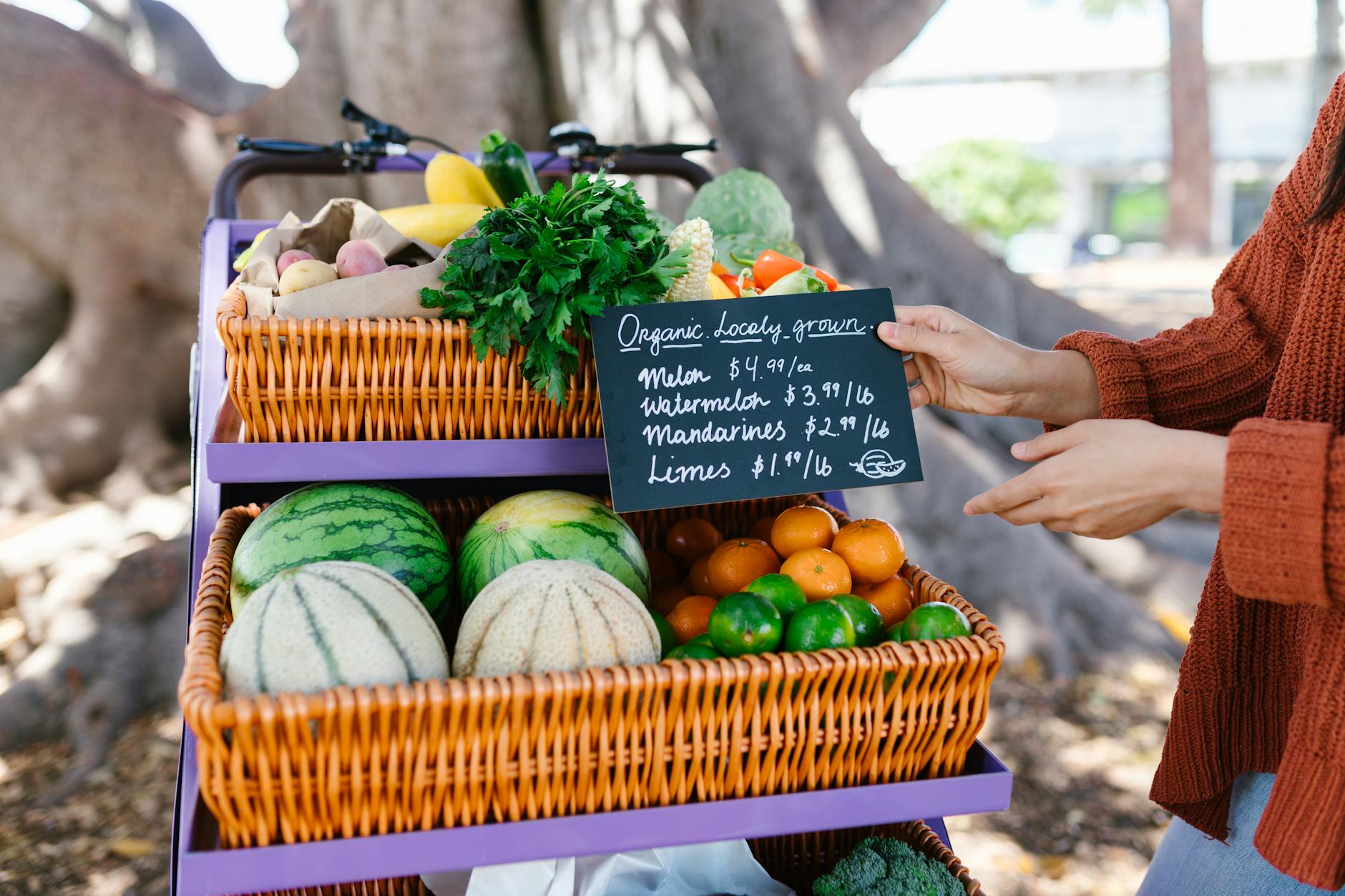
The simplest and most direct way to support local farmers is to buy their products. Visit farmers’ markets, farm stands, and local grocery stores that stock products from nearby farms. Look for labels that indicate local and sustainably grown produce.
- Join a CSA Program
Consider joining a CSA program, where you can subscribe to receive a share of the farm’s harvest. This not only provides you with fresh, seasonal produce but also offers a reliable income for the farmers throughout the growing season.
- Dine at Farm-to-Table Restaurants
Seek out restaurants that prioritize sourcing ingredients from local farms. By dining at these establishments, you’re indirectly supporting local farmers and enjoying the freshest, most flavorful meals.
- Spread the Word
Use social media and word-of-mouth to promote local farms and farmers’ markets. Share your favorite finds, post about your CSA experience, and encourage friends and family to support local agriculture.
- Volunteer at a Farm
Many small farms welcome volunteers to help with planting, harvesting, and other farm tasks. Volunteering is a great way to give back, learn more about farming, and develop a deeper appreciation for the hard work that goes into producing your food.
- Attend Local Farm Events
Farmers often host events such as tours, workshops, and festivals. Attending these events not only supports the farmers financially but also helps build a stronger connection between consumers and producers.
- Advocate for Local Agriculture
Get involved in local food advocacy groups and initiatives that promote sustainable farming practices and support local agriculture. Your voice can help shape policies that benefit small farms and the environment.
- Give Farm Products as Gifts
Consider giving farm products as gifts to friends and loved ones. A basket of fresh produce, a jar of homemade jam, or a bundle of fragrant herbs can make a thoughtful and unique gift.
Challenges Faced by Local Farmers
While supporting local farmers offers numerous benefits, it’s important to acknowledge the challenges they face. Understanding these challenges can help us better support and advocate for local agriculture.
- Economic Pressures
Small-scale farmers often struggle with economic pressures, including fluctuating market prices, high input costs, and limited access to credit. These financial challenges can make it difficult for farmers to invest in their operations and achieve long-term sustainability.
- Climate Change
Climate change poses significant risks to agriculture, with extreme weather events, changing precipitation patterns, and shifting growing seasons impacting crop yields and livestock health. Local farmers must adapt to these changes while continuing to produce high-quality food.
- Labor Shortages
Labor shortages are a common issue in agriculture, with many farms struggling to find and retain skilled workers. This can lead to increased labor costs and challenges in managing farm operations effectively.
- Regulatory Burdens
Small farms often face regulatory challenges, including complex and costly compliance requirements. These regulations can be a barrier to entry for new farmers and a burden for existing operations, impacting their ability to thrive.
Supporting local farmers is a powerful way to promote sustainability, health, and community well-being. By choosing to buy local products, join CSA programs, dine at farm-to-table restaurants, and advocate for local agriculture, we can make a positive impact on our communities and the environment. This Valentine’s Day, let’s show our local farmers some love and appreciation for all the hard work they do to nourish us. Together, we can create a more sustainable and resilient food system.
