
The image of the cowboy is iconic—an enduring symbol of the American West, draped in rugged independence, freedom, and a connection to the untamed land. While modern society has evolved beyond the open ranges and cattle drives of yesteryear, the spirit of the cowboy remains deeply ingrained in the cultural fabric of rural America. The transformation of cowboy culture from its roots in the 19th century to the modern rancher we know today is a tale of resilience, adaptation, and respect for the land and its creatures.
As we step into this journey through time, we’ll explore the defining moments that shaped cowboy life, the innovations that reshaped ranching practices, and how the values of these trailblazers continue to thrive on today’s sustainable farms.
The Origins of the Cowboy
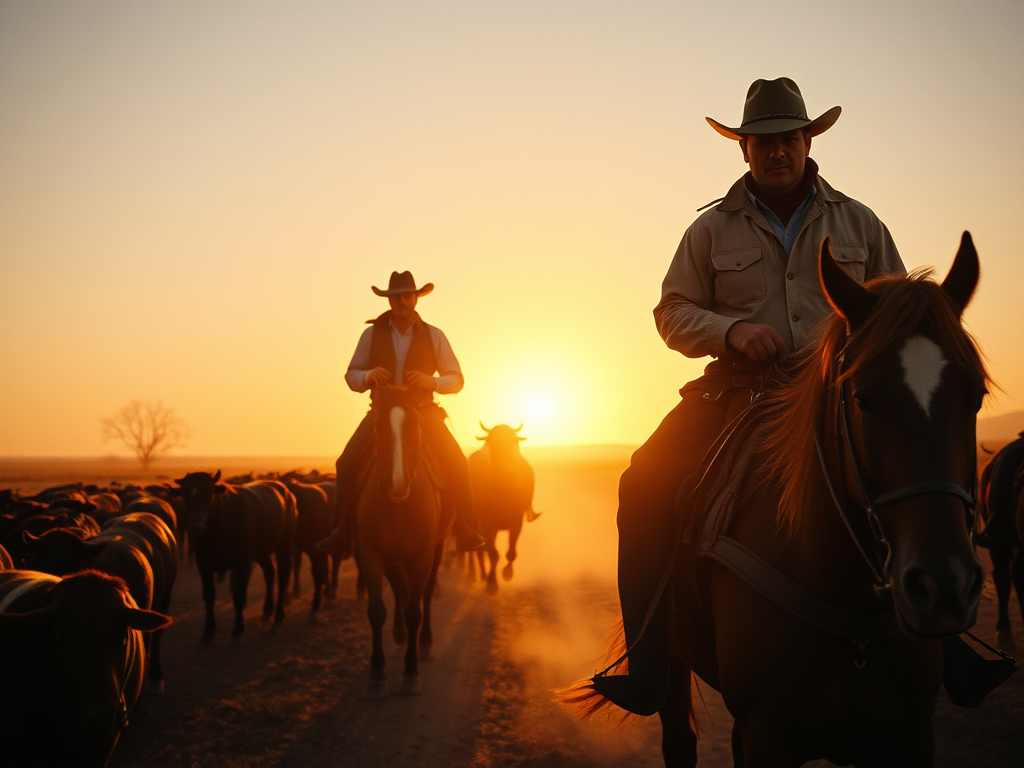
The origins of the cowboy culture in North America are deeply tied to the Spanish settlers who introduced cattle ranching to Mexico in the 16th century. The vaqueros—skilled horsemen responsible for managing herds—laid the foundation for many of the techniques and traditions that American cowboys would later adopt. As Spanish influence spread northward into what is now Texas, New Mexico, and Arizona, so too did the vaquero lifestyle.
It wasn’t long before the open plains of the American West called for men who could herd cattle across vast, unsettled lands. With the conclusion of the Civil War in 1865, demand for beef skyrocketed in the eastern United States. Cowboys were hired to drive cattle north from Texas to railheads in Kansas, from where the livestock could be transported to the growing cities of the East. This era, known as the cattle drive, became the quintessential image of cowboy life—a time of adventure, risk, and self-sufficiency.
The traditional cattle drive lasted for months at a time, with cowboys guiding thousands of head of cattle across treacherous landscapes. Their days were long, filled with the relentless heat of the sun and the unpredictable forces of nature, but their bond with the land and their animals was something extraordinary. It was a life of freedom but also one of immense responsibility. These cowboys became the guardians of the open range, driven by necessity, grit, and the code of the West—a set of values that still resonates today.

The Cowboy’s Tools and Traditions
The tools of the cowboy trade have always been as practical as they are symbolic. From the wide-brimmed Stetson hat designed to shield against the elements to the tough leather boots with spurs for guiding their horses, every piece of gear was essential for survival. The lasso, or lariat, became synonymous with cowboy culture, used not only for rounding up cattle but also as a mark of a cowboy’s skill. Saddles, reins, and branding irons were essential elements of daily life, reflecting the close relationship between cowboys and their animals.
Perhaps more than anything, the horse was central to a cowboy’s life. Known as a cowboy’s best friend, horses provided mobility, strength, and companionship on the lonely stretches of the trail. Cowboys often developed deep, trusting relationships with their horses, relying on their instincts and stamina to keep the cattle drives moving. This bond between man and horse has continued to define ranching life, as horses remain integral to managing livestock on vast properties.
In addition to tools, cowboy culture was built on a set of unwritten rules known as the “Code of the West.” This code emphasized values like loyalty, honesty, respect for others, and a deep connection to the land. Cowboys believed in taking care of their animals and land because their livelihood depended on it. This respect for the natural world, passed down through generations, would later form the backbone of modern ranching practices, especially in sustainable agriculture.
The Decline of the Open Range and the Birth of Modern Ranching
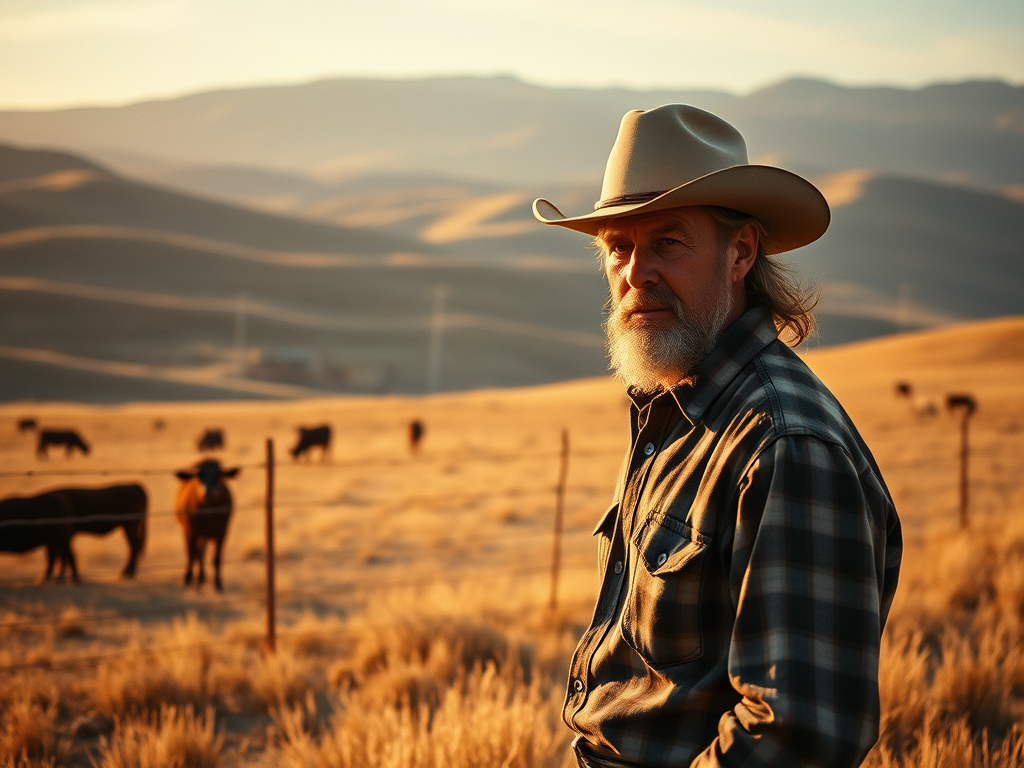
By the late 1800s, the age of the open range began to decline. The expansion of railroads, the invention of barbed wire, and the establishment of property lines all played a role in transforming cowboy life from the wide-open cattle drives to more settled ranching operations. Additionally, harsh winters like the infamous winter of 1886–1887 devastated many herds, leading ranchers to adopt new strategies for managing their livestock year-round.
Ranchers began to focus on more localized cattle management, with grazing practices and water access becoming key to ensuring the health of their herds. Ranching families took on the role of land stewards, implementing rotational grazing and soil management to maintain the fertility of the land. Gone were the days of the nomadic cowboy, replaced by a new era of ranchers whose roots were deeply tied to the land they owned or leased.
The end of the open range didn’t spell the end of cowboy culture, though. The values of independence, hard work, and respect for nature remained strong. The iconic image of the cowboy endured, particularly through popular media, as Western films and novels romanticized the life of these frontier trailblazers. While Hollywood may have exaggerated some aspects of cowboy life, the heart of the cowboy remained unchanged—an unwavering commitment to the land and animals that sustained them.
The Modern Rancher: A Legacy of Sustainability
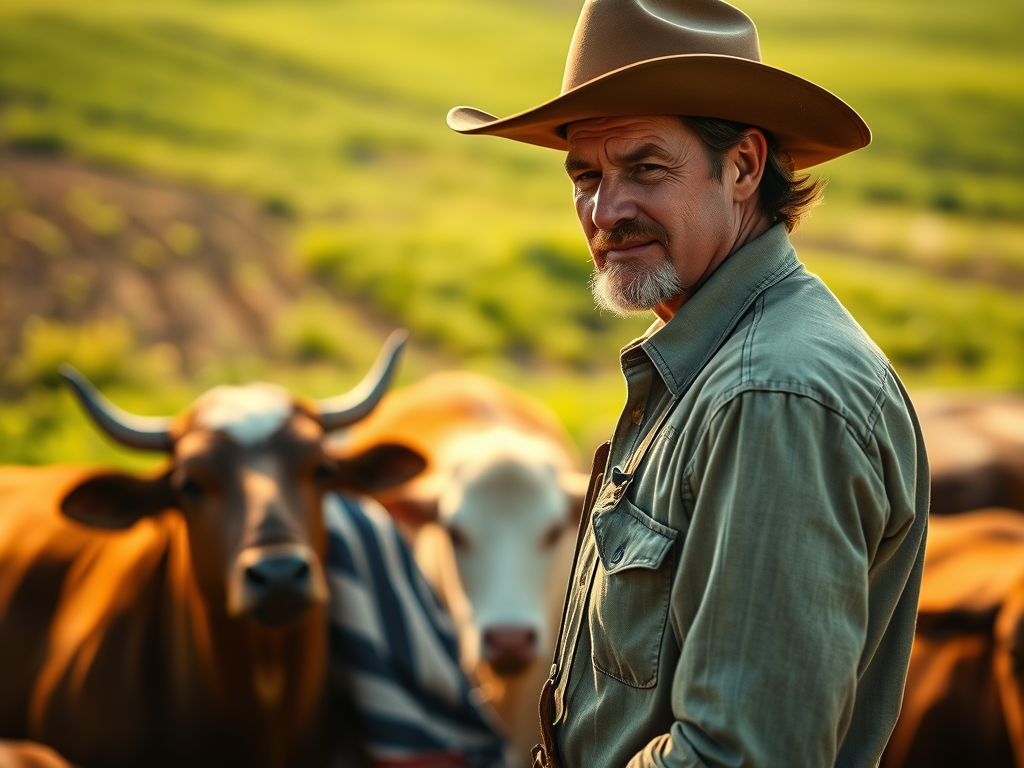
Today’s ranchers may not be driving cattle across endless plains, but the core principles of cowboy life are still alive. Many modern ranchers have embraced sustainable farming practices, recognizing that the health of their land and animals is paramount to their success. The cowboy code of respect for the environment is more relevant than ever, as ranchers work to combat climate change, preserve biodiversity, and manage their resources responsibly.
Regenerative agriculture, a practice rooted in healing the land, has become a key focus for many ranchers. This approach to farming involves restoring soil health, increasing biodiversity, and using livestock to mimic the natural cycles of grazing and replenishment. For example, rotational grazing—where animals are moved between pastures—prevents overgrazing and allows the land to recover, fostering healthier ecosystems.
At Huckleberry Farms, these principles guide every decision. Our livestock, including our poultry and rabbits, are rotated through different areas of pasture to ensure that the land remains fertile and thriving. By focusing on soil health, we not only improve the quality of our pastures but also sequester carbon, helping to mitigate climate change. Just as cowboys of old understood the importance of balance in nature, we too honor that balance by working with the land, rather than against it.
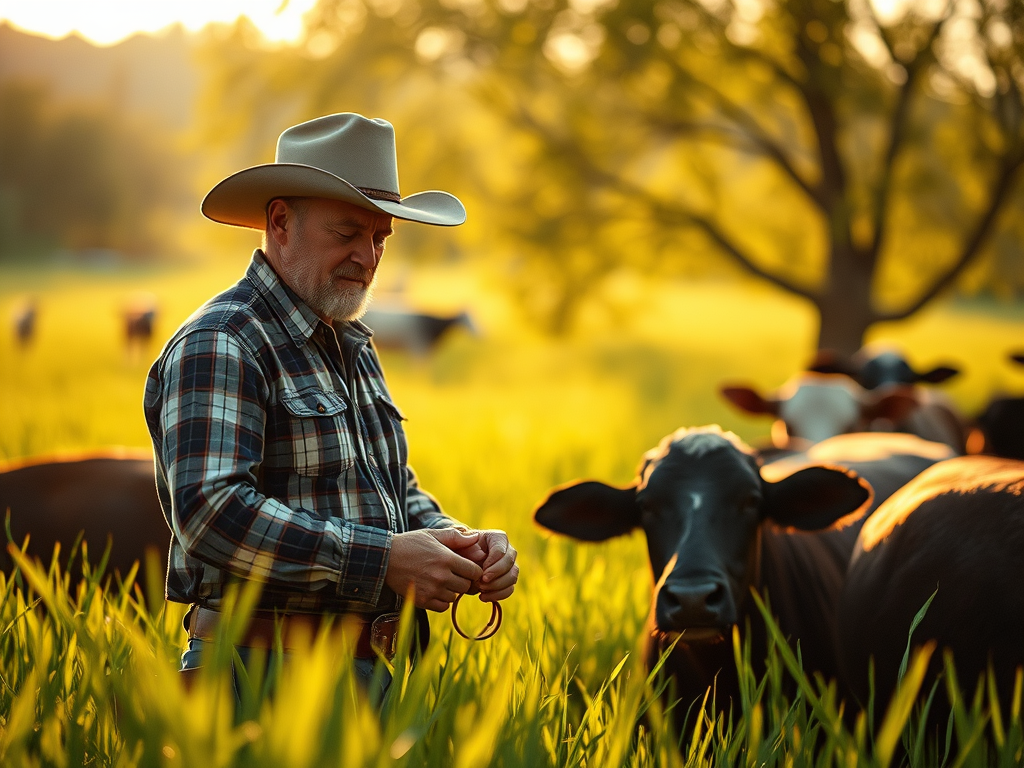
The Cowboy’s Role in Modern Sustainability Movements
The cowboy’s legacy extends far beyond ranching—it has become a symbol of resilience, innovation, and sustainability. Cowboys were among the first to understand the concept of regenerative farming, long before it became a buzzword. By living in harmony with the land, modern ranchers are continuing the work of their forebears, creating a sustainable future for generations to come.
Organizations like the Savory Institute and the Quivira Coalition are working alongside ranchers to promote land stewardship through regenerative agriculture. These efforts mirror the cowboy’s historical role as a steward of the land, proving that the cowboy’s values are as relevant now as they were in the 1800s.
Ranchers today are also using technology to further their sustainability goals. Precision farming tools allow for better water management, while satellite data can help ranchers monitor the health of their pastures. These innovations are helping ranchers become even more efficient in their use of resources, ensuring that the cowboy’s legacy of stewardship continues into the 21st century.
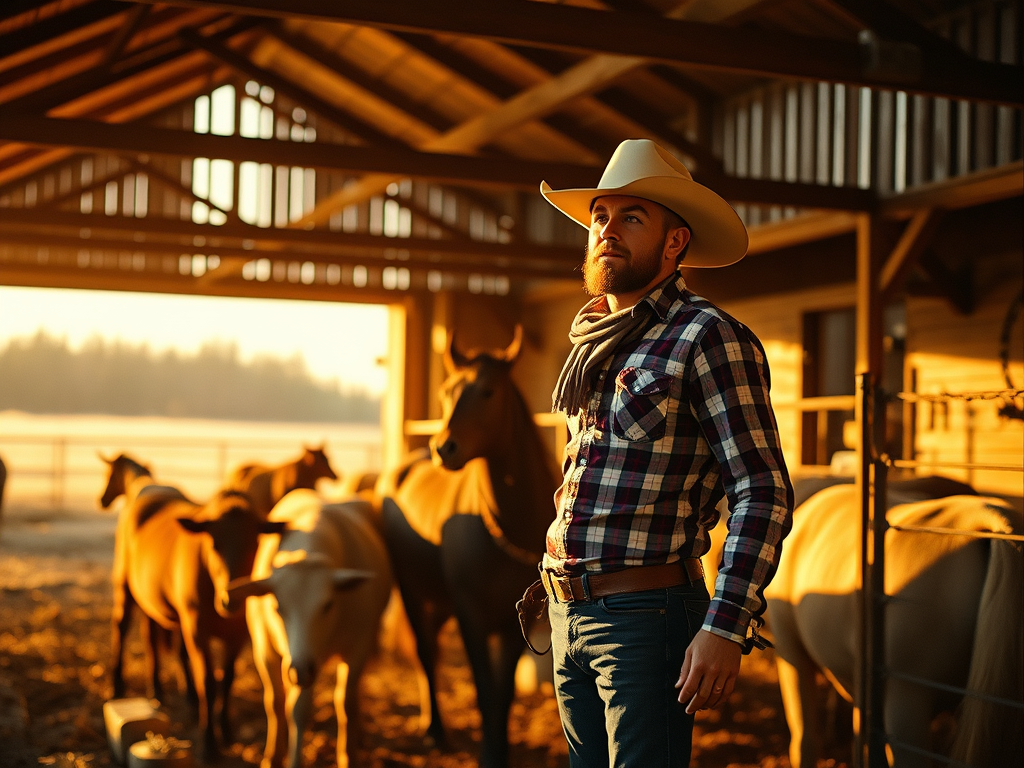
Embracing the Cowboy Spirit
As we look toward the future, the cowboy’s values of independence, resilience, and respect for the land continue to inspire. Whether it’s through sustainable ranching practices, a love for animals, or a commitment to preserving open spaces, the cowboy spirit lives on in modern homesteads and farms across the country.
At Huckleberry Farms, we are proud to carry on this legacy. Just as the cowboys of old knew that the health of the land was their greatest asset, we too are committed to preserving and nurturing the earth that sustains us. By embracing the principles of regenerative farming and honoring the traditions of the cowboy, we are ensuring a brighter future for our farm, our animals, and our community.
