In today’s fast-paced world, many people are seeking ways to reconnect with nature and live more sustainably. Homesteading offers a fulfilling and self-sufficient lifestyle that can bring you closer to the land and your food sources. Whether you’re dreaming of a small backyard garden or a full-scale farm, this introductory guide will help you get started on your homesteading journey. We’ll cover essential steps such as choosing a location, planning your homestead, and developing the basic skills you’ll need.
Choosing a Location
The first step in your homesteading journey is selecting the right location. The ideal homestead location will depend on various factors, including your goals, budget, and lifestyle preferences. Here are some key considerations:
- Climate and Growing Season
- Research the climate and growing season of potential locations. Different plants and animals thrive in different environments, so choose a region that aligns with your homesteading goals. For example, if you plan to grow certain fruits and vegetables, make sure the climate is suitable for those crops.
- Soil Quality
- Good soil is essential for successful gardening and farming. Look for properties with fertile soil that can support a variety of crops. Consider conducting a soil test to assess its nutrient content and pH levels.
- Water Availability
- Access to a reliable water source is crucial for any homestead. Evaluate the availability of natural water sources such as rivers, lakes, or ponds. Additionally, check the quality and quantity of groundwater if you plan to use wells.
- Zoning and Land Use Regulations
- Investigate local zoning laws and land use regulations. Some areas have restrictions on farming activities, livestock, and building structures. Ensure that the property you choose allows for your intended homesteading activities.
- Proximity to Community Resources
- While self-sufficiency is a key goal of homesteading, it’s also important to be within reasonable distance of community resources such as schools, healthcare facilities, and markets. Consider how isolated you want to be and weigh the pros and cons of proximity to urban areas.
Planning Your Homestead
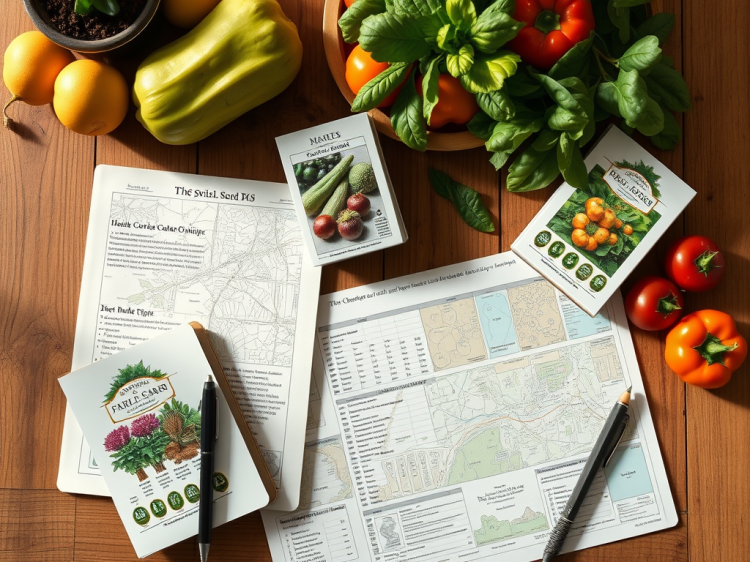
Once you’ve chosen the perfect location, it’s time to plan your homestead. A well-thought-out plan will help you make the most of your land and resources. Here are some steps to guide you:
- Create a Vision
- Start by envisioning what you want your homestead to look like. Consider the layout of gardens, livestock areas, living spaces, and any additional structures you may need, such as barns or greenhouses. Sketch out a rough plan to visualize your ideas.
- Set Priorities
- Determine your priorities and goals for the homestead. Are you focused on growing your own food, raising livestock, generating renewable energy, or a combination of these? Setting clear priorities will help you allocate time and resources effectively.
- Assess Your Resources
- Take stock of the resources available on your property, including soil, water, sunlight, and existing structures. Assess your budget and determine what additional resources you may need to achieve your goals.
- Develop a Timeline
- Homesteading is a gradual process that requires time and patience. Create a realistic timeline for implementing your plans, starting with the most critical tasks. Be prepared to adjust your timeline as needed based on weather conditions, financial constraints, and other factors.
- Start Small
- It’s tempting to dive into multiple projects at once, but starting small can prevent overwhelm and increase your chances of success. Begin with a manageable garden plot, a few chickens, or a small renewable energy project. As you gain experience and confidence, you can gradually expand your homestead.
Basic Skills for Homesteading
Homesteading requires a diverse set of skills, many of which can be learned and developed over time. Here are some essential skills to get you started on your journey to self-sufficiency:
- Gardening
- Growing your own food is a cornerstone of homesteading. Learn the basics of gardening, including soil preparation, planting, watering, and pest management. Start with easy-to-grow vegetables and herbs, and expand your garden as you gain experience.
- Animal Husbandry
- If you plan to raise livestock, it’s important to understand the basics of animal care. Research the specific needs of the animals you plan to keep, including feeding, housing, and health care. Chickens, goats, and bees are popular choices for beginner homesteaders.
- Food Preservation
- Preserving your harvest allows you to enjoy homegrown food year-round. Learn techniques such as canning, freezing, dehydrating, and fermenting. Start with simple recipes and gradually expand your repertoire.
- Basic Carpentry and Repairs
- Homesteading often involves building and maintaining structures. Basic carpentry skills will allow you to construct garden beds, animal shelters, fences, and other essential items. Additionally, learn how to perform basic repairs on your home and equipment.
- Renewable Energy
- Consider incorporating renewable energy sources such as solar or wind power into your homestead. Understanding the basics of renewable energy systems can help you reduce your reliance on traditional utilities and lower your environmental footprint.
- Homemade Cleaning and Personal Care Products
- Learn to make your own cleaning and personal care products using natural ingredients. This not only reduces your exposure to harmful chemicals but also supports a more sustainable lifestyle.

Building Community Connections
While homesteading is often associated with self-sufficiency, building connections with other homesteaders and local farmers can provide valuable support and resources. Here are some ways to connect with the homesteading community:
- Join Local Homesteading Groups
- Look for local homesteading groups, clubs, or cooperatives. These organizations often host events, workshops, and networking opportunities where you can meet like-minded individuals and share knowledge.
- Attend Workshops and Classes
- Many agricultural extension offices, community colleges, and local farms offer workshops and classes on various homesteading topics. Take advantage of these educational opportunities to expand your skills and knowledge.
- Participate in Online Communities
- Online forums, social media groups, and websites dedicated to homesteading are excellent resources for advice, inspiration, and support. Join online communities to connect with homesteaders from around the world and learn from their experiences.
- Support Local Farmers’ Markets
- Visiting farmers’ markets is a great way to connect with local farmers and learn more about sustainable agriculture. Building relationships with local producers can provide valuable insights and resources for your own homesteading efforts.

Embracing the Homesteading Lifestyle
Homesteading is more than just a set of skills and practices—it’s a lifestyle that emphasizes sustainability, self-reliance, and a deep connection to the land. As you embark on your homesteading journey, keep the following principles in mind:
- Sustainability
- Aim to create a homestead that works in harmony with the natural environment. Practice sustainable farming techniques, conserve resources, and reduce waste wherever possible.
- Self-Reliance
- Strive to become as self-sufficient as possible, but also recognize the value of community and collaboration. Build a diverse skill set and be open to learning new things.
- Patience and Perseverance
- Homesteading is a long-term commitment that requires patience and perseverance. Be prepared for setbacks and challenges, and celebrate your successes along the way.
- Connection to Nature
- Develop a deep appreciation for the natural world and your place within it. Spend time outdoors, observe the changing seasons, and cultivate a sense of gratitude for the land and its bounty.
Homesteading offers a fulfilling and rewarding path to self-sufficiency and sustainable living. By choosing the right location, planning your homestead, and developing essential skills, you can embark on a journey that brings you closer to nature and your food sources. Remember that homesteading is a gradual process that requires time, patience, and a willingness to learn. Embrace the challenges and joys of this lifestyle, and you’ll find yourself reaping the many benefits of a self-sufficient and sustainable homestead.
