
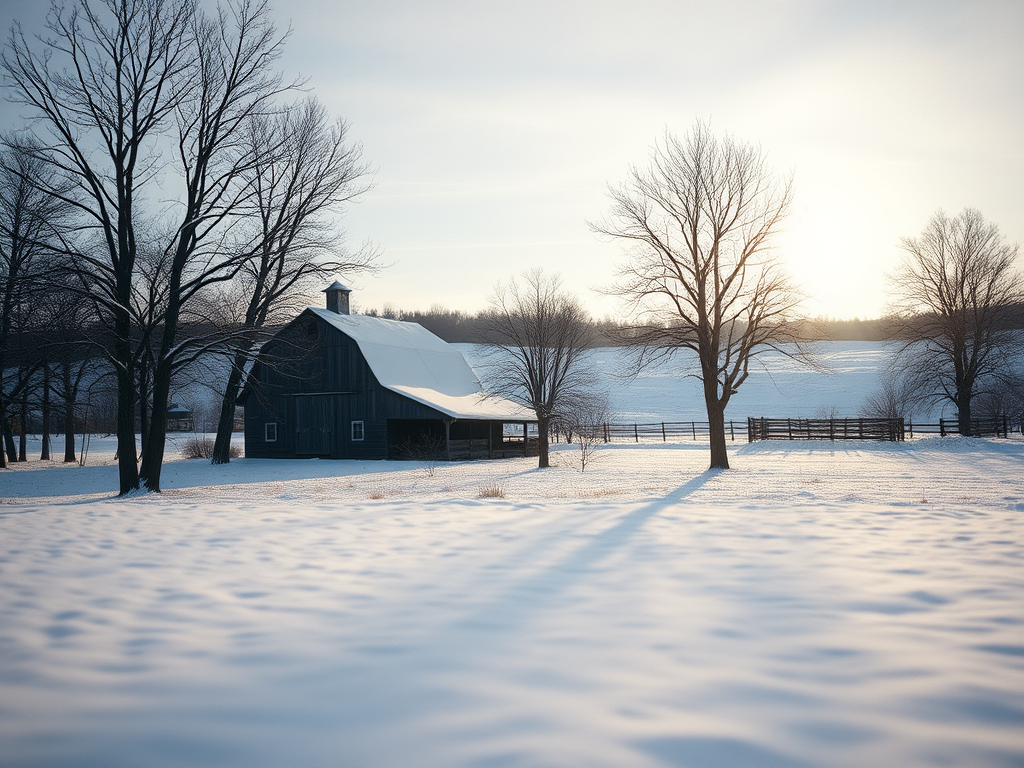
Last winter, here at Huckleberry Farms, we saw nearly no snowfall, and the impacts were felt throughout the year. We noticed an overabundance of pests in the spring and summer, as well as a concerning decrease in ground water levels. Despite the heavy spring rains, the soil wasn’t able to recover fully from the previous dry winter. As we head into the winter months, the Farmer’s Almanac is predicting above-normal snowfall for the Ohio Valley, and while that may sound like a hassle to some, snow plays a critical role in the health of our environment.
Snow doesn’t just blanket the landscape in winter beauty—it provides many essential benefits for the ecosystem, wildlife, and even agriculture. Let’s dive into why we need snow and how it contributes to a balanced, thriving environment.
1. Snow Replenishes Groundwater
One of the primary benefits of snow is its ability to replenish groundwater supplies. Snow acts like a natural reservoir, storing water in a solid form during the cold months. As temperatures warm in the spring, snow gradually melts and slowly seeps into the ground, helping to recharge groundwater aquifers and keep wells from running dry.
When we don’t receive enough snow in the winter, the ground can’t absorb as much water, leading to lower water tables and drier conditions during the growing season. This was something we experienced firsthand this year. Even though we had plenty of rain in the spring, the soil’s water retention was compromised due to the previous winter’s lack of snowpack. The result? A decrease in available moisture for crops and a challenging growing season.

2. Snow Insulates and Protects Soil
Though it might seem counterintuitive, snow actually helps protect the soil from freezing too deeply. When snow accumulates, it acts as a natural insulator, keeping the soil warmer than the outside air. This insulation helps protect plant roots, microorganisms, and the soil structure itself from the harsh, freezing conditions of winter.
In years when snow is scarce, the ground can freeze deeper, damaging plant roots and reducing the survival rates of perennial plants. Without the protective layer of snow, frost can also cause the soil to heave and crack, leading to erosion and nutrient loss.
3. Snow Supports the Life Cycles of Plants and Animals
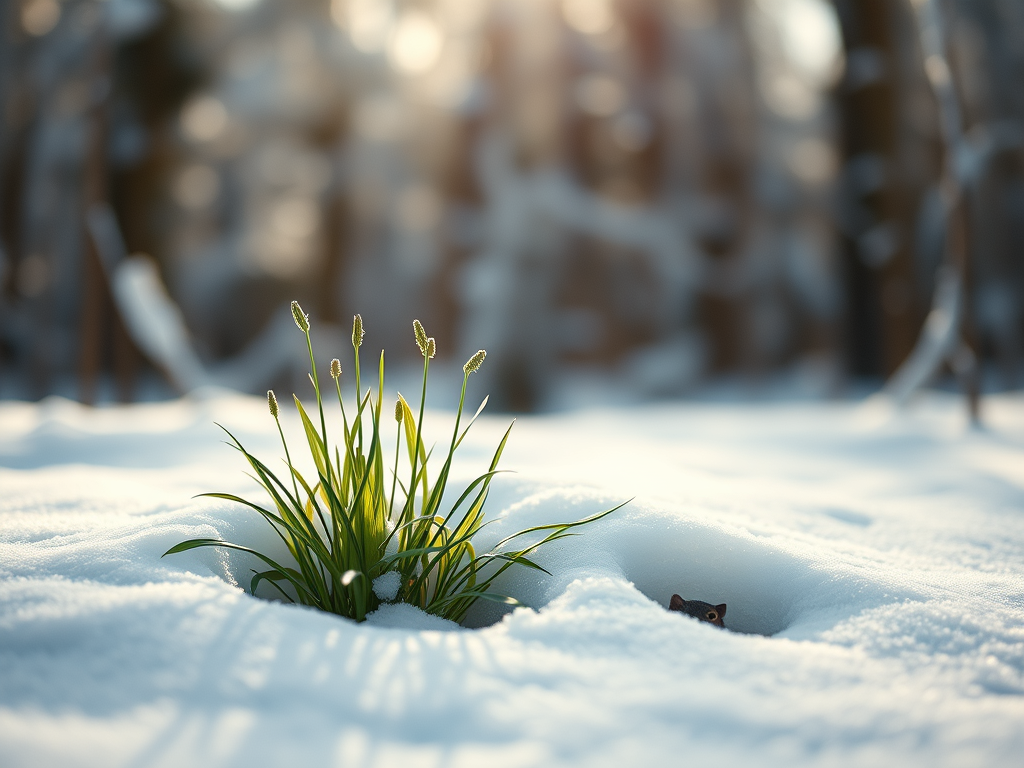
Snow plays a critical role in the natural life cycles of both plants and animals. For many plants, a blanket of snow provides the moisture they need to survive the winter. It also helps to keep the seeds of wild plants and crops from being exposed to extreme temperature fluctuations, ensuring they’ll be able to germinate in the spring.
Wildlife also benefits from snow. It provides shelter and warmth for small animals, like mice, voles, and other rodents, who burrow beneath the snow to stay insulated from the cold. Predators, in turn, rely on the snow to track these small creatures, keeping the ecosystem’s balance in check. Without snow, some animals may struggle to find food or shelter, disrupting the delicate balance of nature.
4. Snow Reduces Pest Populations
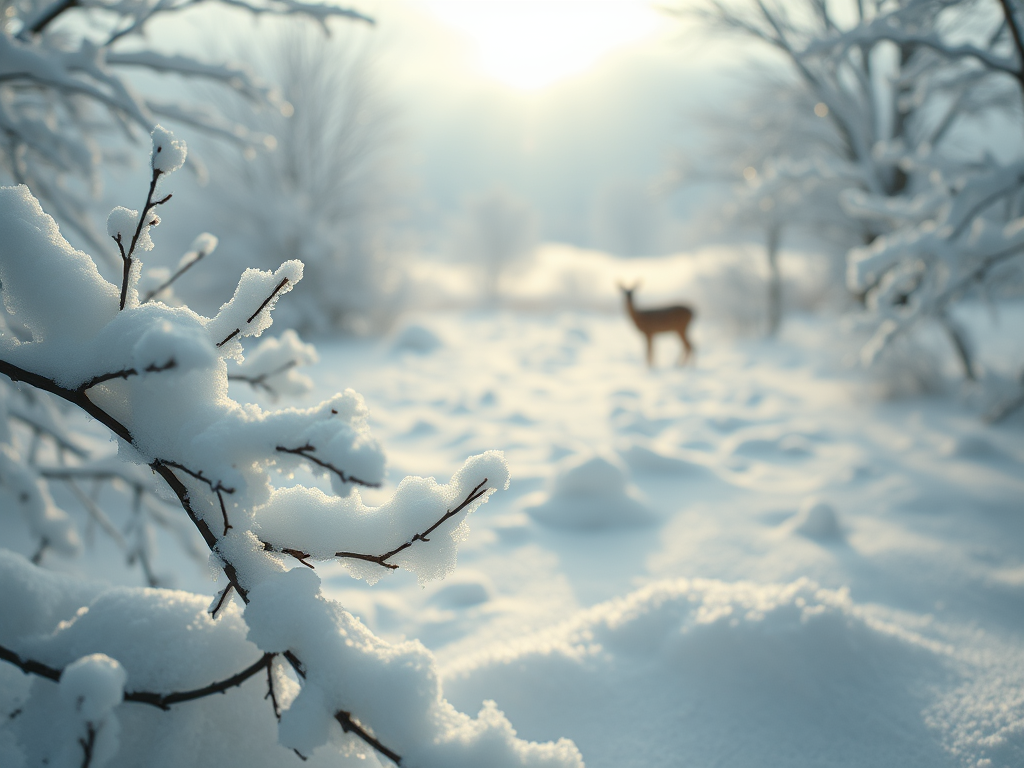
One of the most important benefits of a good winter snowfall is its ability to naturally reduce pest populations. Cold temperatures, especially when paired with snow cover, help to kill off pests like ticks, fleas, and other insects that can wreak havoc on livestock and crops in warmer months.
This year, the lack of snow led to an explosion of pests in the spring and summer. The absence of extended freezing temperatures allowed many of these pests to overwinter, surviving to reproduce in large numbers once the weather warmed. A harsh, snowy winter can help reset pest populations, leading to a healthier environment for both people and animals.
5. Snow Promotes Better Soil Health
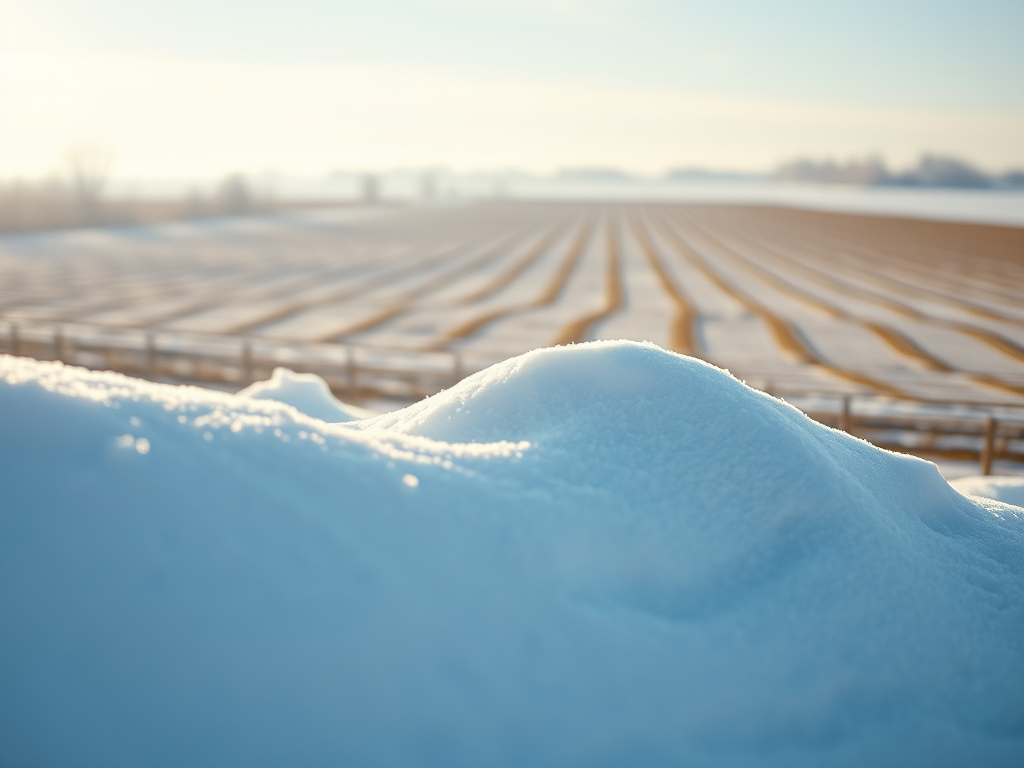
Snow isn’t just water—it contains nutrients as well. As it falls through the atmosphere, snow collects nitrogen and sulfur, which are deposited into the soil when the snow melts. This natural fertilization process can enhance soil fertility, making it more productive when the growing season returns. Snow also helps to keep organic matter like leaves and compost in place during winter, protecting the soil from erosion.
On farms like ours, where we rely on healthy, nutrient-rich soil for our crops and pastures, the benefits of snow can’t be overstated. It helps maintain the integrity of our land, keeping the soil stable and fertile.
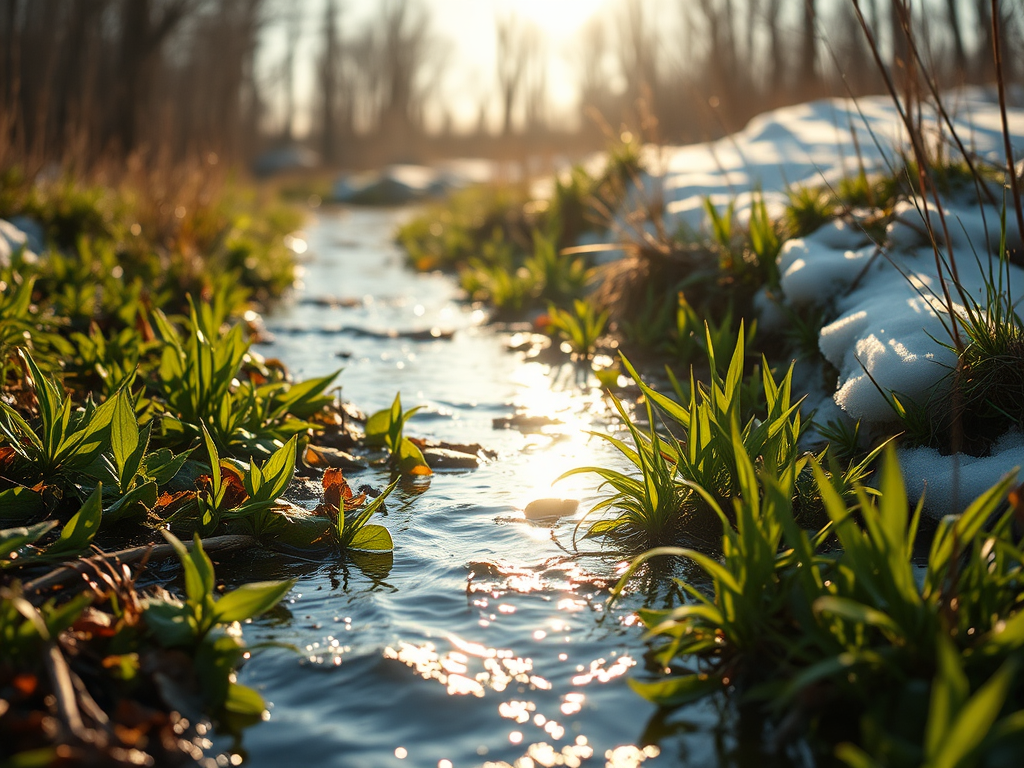
6. Snow Supports Waterways and Wetlands
As snow melts in the spring, it feeds into rivers, lakes, and wetlands, supporting ecosystems that depend on regular water flow. Without sufficient snowfall, these water systems can become stressed, leading to lower water levels, increased sediment buildup, and reduced habitats for aquatic life.
Wetlands, in particular, rely on snowmelt to maintain their water levels and support the plant and animal species that thrive there. A lack of snow can lead to drier wetlands, reducing biodiversity and weakening this crucial ecosystem.
Why We Need a Good Winter Snowfall
While snow can sometimes feel like an inconvenience—especially when it means shoveling driveways and dealing with icy roads—its benefits far outweigh the temporary hassle. Snow plays a critical role in maintaining the health of our soil, water supply, and ecosystems, helping everything from plants to wildlife thrive.
Last winter’s minimal snowfall was a stark reminder of how important snow is for long-term environmental health. We saw the impacts of it all year long—from pest problems to reduced groundwater levels. As we look ahead to the possibility of a snowier winter, we welcome it with open arms, knowing that a good snowpack now will pay dividends in the months to come.
So as the snow falls this winter, remember: it’s not just a pretty sight. It’s a vital part of nature’s cycle that sustains life in so many ways.
What We’re Looking Forward To in 2025
With the forecast predicting heavier snowfall this winter, we’re hopeful for a healthier, more balanced year ahead. The snow will help reset the pest populations, replenish our groundwater, and protect our soil for the growing season. We’re excited to see how this winter’s snow will contribute to the resilience and sustainability of Huckleberry Farms as we head into 2025.
Let it snow!
