Alright, folks, grab your coffee (or herbal tea, if we’re staying true to tradition) and let’s dive into something that’s been gnawing at me: Why don’t we eat the foods our ancestors did anymore?
Michelle Vassel hit the nail on the head when she said food sovereignty is about “having the ability to gather things available in your environment—things you would traditionally eat because they’re in the place you live.” Simple, right? Eat what’s grown, hunted, or foraged locally. But instead, we’re standing in grocery stores buying lettuce shipped from California or strawberries flown in from Mexico in the dead of winter. And let’s be real: most people don’t even think about where their food comes from, let alone how much fossil fuel it took to get that perfect, out-of-season strawberry onto their plate.
Here’s what gets me: Traditional foods—the ones rooted in the places we live—aren’t just better for the planet. They’re better for us. They’re nutrient-dense, they’re designed by Nature to match the seasons, and they’ve been shown to help with health risks like diabetes. Yet 74% of people in a recent survey said they don’t eat traditional foods because they lack access. Let that sink in. We’ve created a world where the food that’s healthiest for us and the land is also the hardest to get. How backward is that?
Let’s talk about those strawberries sitting in your fridge right now. They’re not in season, not where we live. They’re shipped in, probably sprayed with a cocktail of chemicals, and they don’t even taste like real strawberries, let’s be honest. But that’s what we’ve been trained to expect—that we can have any food we want, any time of year, as long as we’re willing to trade quality, nutrition, and a boatload of carbon emissions for the privilege.
Traditional eating isn’t just about health; it’s about harmony. Our bodies are designed to eat seasonally. Winter is the time for hearty root vegetables, fermented foods, and warming broths—not tropical fruits and salads. Spring brings fresh greens, summer gives us berries and tomatoes, and fall provides squash and grains to sustain us through the colder months. Eating seasonally isn’t a restriction; it’s a rhythm. A connection to the land and its cycles that makes us healthier and more in tune with the world around us.
And here’s something else to chew on: Foraging isn’t just about food—it’s about medicine, too. Many of the plants growing around you have healing properties that we’ve forgotten or ignored in favor of the little orange bottles lining pharmacy shelves. Big Pharma doesn’t want you to know that dandelion tea supports liver health, or that elderberries can help your immune system, or that willow bark is Nature’s aspirin.
What if, instead of popping pills for every ache and ailment, we relearned how to heal ourselves with the plants growing right outside our doors? What if, just by changing our diets and incorporating traditional foods and natural remedies, we could ditch half the medications we’ve been told we “need”?
Let’s get real. Big Food and Big Pharma thrive on our disconnection from Nature. They profit from us eating garbage food that makes us sick and then selling us the “cure” for the problems their food caused in the first place. It’s a vicious cycle, and the only way out is to take back control.
That means eating traditionally. Seasonally. Locally. It means questioning why the hell we’re eating strawberries in January or why we’re chugging smoothies with imported “superfoods” while ignoring the dandelions, nettles, and wild greens growing in our backyards. It means asking why food sovereignty feels radical when it’s literally the way humans have fed themselves for thousands of years.
Here’s how we start:
Eat with the seasons. Pay attention to what’s naturally available in your area right now. It’s winter—ditch the strawberries and embrace root vegetables, hearty greens, and fermented foods.
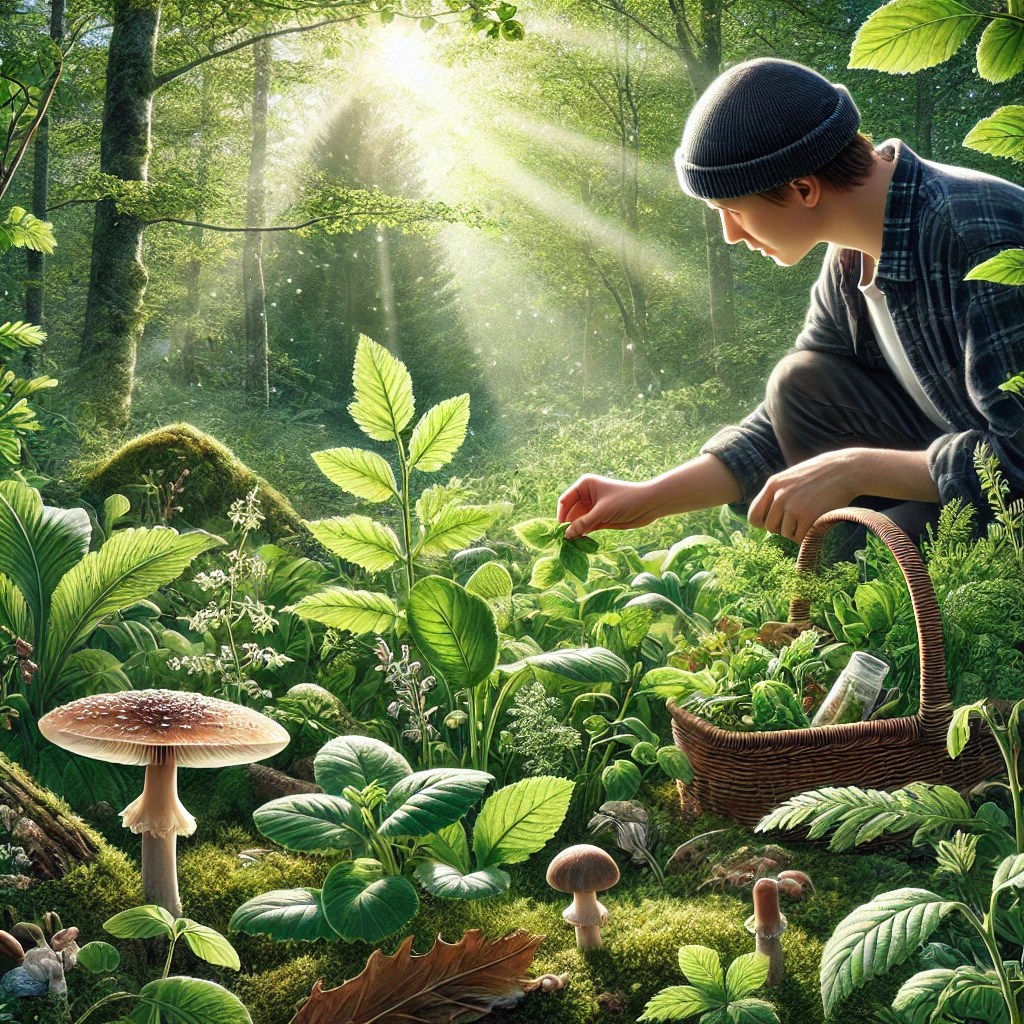
Learn to forage. There’s an incredible wealth of food and medicine growing around you, even if you live in a suburban neighborhood. Start small—learn to identify one or two plants, like dandelion or elderberry, and how to use them.
Cook like your ancestors. Explore recipes that use local, traditional ingredients. Soups, stews, roasted root veggies—simple foods that nourish your body and connect you to your environment.
Support local farms. If you can’t grow or forage it yourself, find a local farmer who can. Buying local not only supports your community but also reduces the fossil fuel footprint of your food.
Question everything. Why do we buy lettuce shipped 2,000 miles when we can grow it ourselves? Why are we trusting corporations more than we trust Nature? Why are we spending billions on pills when food and plants could do the same job better?
Food sovereignty isn’t just about food—it’s about freedom. It’s about breaking free from the systems that profit from our disconnection and reclaiming the knowledge, traditions, and health that are our birthright.
So, this spring, when you’re planning your garden or thinking about foraging, ask yourself: What does this land offer me? What did my ancestors eat? And how can I honor those traditions while nourishing my body and the Earth?
Because the truth is, traditional foods aren’t just a link to our past—they’re the key to our future.
Until next time,
Traci
