
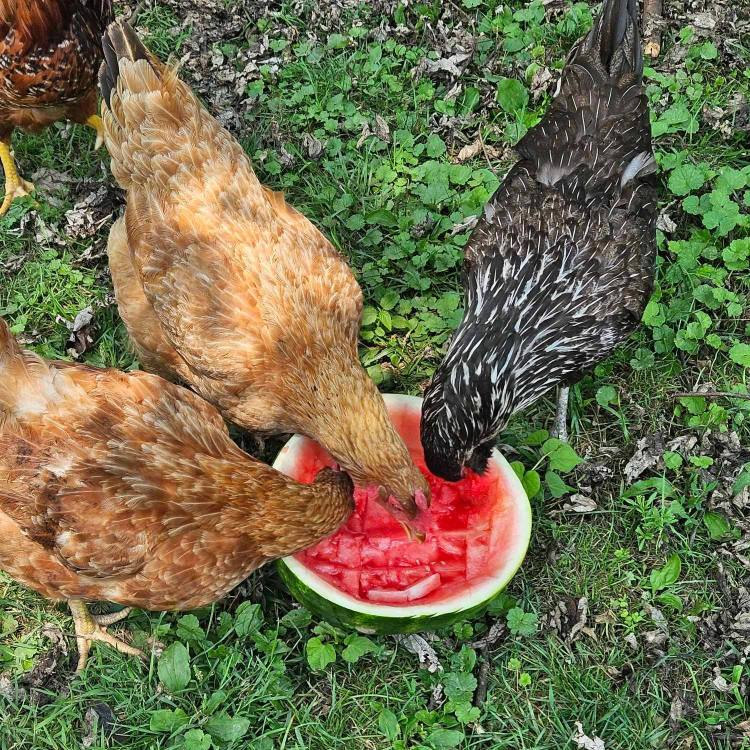
As a homesteader, life is full of responsibilities, and sometimes, personal circumstances—like pregnancy, illness, or exhaustion—get in the way of keeping up with daily farm chores on a strict schedule. While many types of livestock demand punctual care and have little tolerance for disruption, there’s a special kind of forgiveness that comes from poultry.
At Huckleberry Farms, this past year was a testament to the resilience and adaptability of our chickens, ducks, and geese. Whether I was too sick to get out to the coop on time or predators forced us to keep the birds locked in their coop for days, our poultry responded with patience and no ill effects to their health or egg production. Of course, daily care is still essential for their well-being, but they proved to be incredibly flexible when it came to timing.
Flexibility in the Face of Chaos: Poultry Resilience
When managing livestock such as dairy cows or goats, strict routines are required to avoid health problems. Missing a milking session can cause discomfort and even lead to conditions like mastitis. Similarly, many animals like horses expect regular feeding times, and any disruption can result in unwanted behaviors—like the attitude and resentment we used to see with our mares when their feeding was late.
In contrast, poultry—whether chickens, ducks, or geese—don’t seem to hold grudges when their schedules are disrupted. They are incredibly flexible when it comes to slight delays in their daily care.
While they do require food, water, and fresh bedding every day, the precise timing of these tasks is not as critical as it is for other animals. If I couldn’t let them out or feed them exactly at sunrise, they didn’t become stressed or show signs of distress. They would simply go about their day once released, and when locked up for their safety due to predator concerns, they stayed calm and resumed their normal routine when it was safe to roam again.
The Resilience of Egg-Laying Flocks
One of the most reassuring aspects of poultry is that, even with occasional delays, our layers continued to produce eggs consistently. Their egg production didn’t falter because I was a little late in collecting or because they stayed in the coop longer than usual. As long as their essential needs were met—food, water, and shelter—they continued to lay without complaint.
After periods of being confined for predator protection, the birds would return to foraging and laying as if nothing had changed. They laid their eggs, spent the day exploring the yard, and returned to the coop at night. Their forgiving nature meant that even when I was too tired or sick to follow my normal routine, the farm kept running smoothly.

The Importance of Daily Care—Without a Strict Schedule
It’s important to note that while poultry are forgiving when it comes to timing, daily care is still essential. They need to be fed, watered, and have their bedding maintained every day to ensure their health and well-being. However, unlike other animals that demand care on a strict schedule, poultry offer the flexibility to care for them when you’re able—whether that’s first thing in the morning or later in the day.
This flexibility was a blessing during my pregnancy when there were many days I couldn’t get outside on time. Knowing that the birds could handle slight delays without any issues provided a great sense of relief. Their resilient nature meant they would continue laying eggs, go about their foraging routines, and return to the coop at night without showing signs of stress.
Why Poultry Are Perfect for Homesteaders
Poultry’s forgiving nature makes them an ideal fit for homesteaders, especially those juggling a busy lifestyle or dealing with personal challenges. Here are a few reasons why poultry are such a great addition to any farm:
- Resilient Egg Layers: Poultry will continue to lay eggs consistently, even if there are occasional delays in their daily routine. As long as they are cared for each day, they will reward you with a steady supply of eggs.
- Adaptable to Changes: Whether it’s a delayed release from the coop or being kept indoors for predator safety, poultry adjust well to changes in their routine. They won’t hold grudges, and once their regular schedule resumes, they go right back to their usual activities.
- Low-Stress Livestock: Compared to animals like dairy cows or goats, which can experience significant discomfort if their routines are disrupted, poultry are far less likely to suffer from stress due to slight variations in care timing. This makes them easier to manage during times of personal or farm-related stress.
- No Grudges: Poultry don’t “punish” you for not sticking to an exact schedule. If they’re fed later or kept inside for a few days, they don’t develop bad habits or behavior problems. Instead, they bounce back quickly and continue to provide eggs and companionship.
A Lesson in Forgiveness from Poultry
During this past year, I learned an important lesson from our poultry about forgiveness and resilience. There were days when I couldn’t follow my typical routine, whether due to exhaustion or other farm challenges. But the chickens, ducks, and geese were patient and flexible, adapting to the changes in their care without missing a beat.
It was a powerful reminder that, as long as their essential needs are met daily, there’s room for flexibility on a farm. Poultry taught me to let go of guilt when life didn’t allow for strict routines, and instead, they rewarded our family with their consistency and resilience.
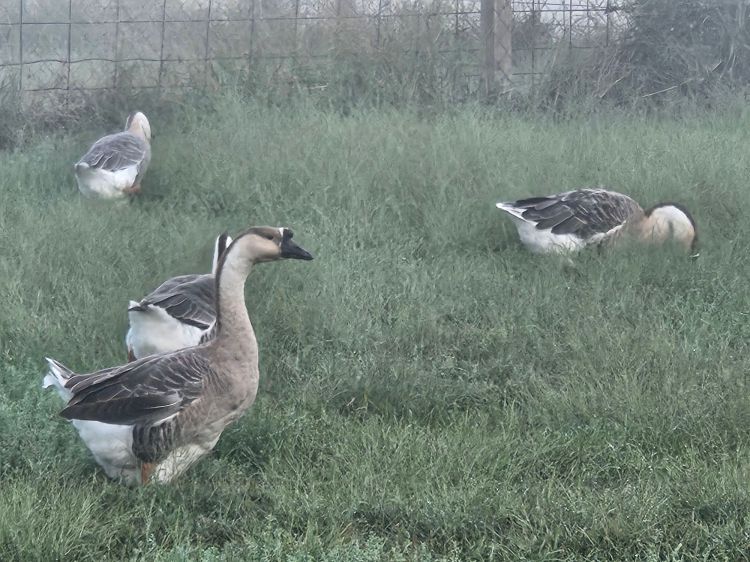
The Value of Poultry for Any Homesteader
For homesteaders, especially those balancing personal and farm responsibilities, poultry provide a wonderful combination of productivity and adaptability. Their forgiving nature, consistent egg-laying, and low-stress care requirements make them an ideal fit for anyone looking for livestock that can handle the occasional disruption without issues.
Their resilience and adaptability also make them perfect partners for those times when life gets in the way of perfect routines. Whether you’re new to farming or have years of experience, poultry offer the flexibility to care for them while still managing other aspects of life.
Conclusion: The Forgiving Partners of the Homestead
In a world where many livestock demand strict routines, poultry shine for their forgiving and adaptable nature. Whether it’s a delay in their daily care or a few days of confinement for their own safety, they continue to thrive and provide for the farm without fuss.
For homesteaders like me, poultry remind us that while consistency is important, it’s okay to be flexible when life demands it. Their ability to adapt and forgive slight disruptions makes them one of the most rewarding and resilient livestock choices for any farm.
At Huckleberry Farms, I’ve come to appreciate the peace of mind our poultry bring, knowing that even on the most challenging days, they’ll be there—patiently waiting to be cared for, without holding a grudge. It’s one of the many reasons why they’ve become such an essential and beloved part of our homestead life.
