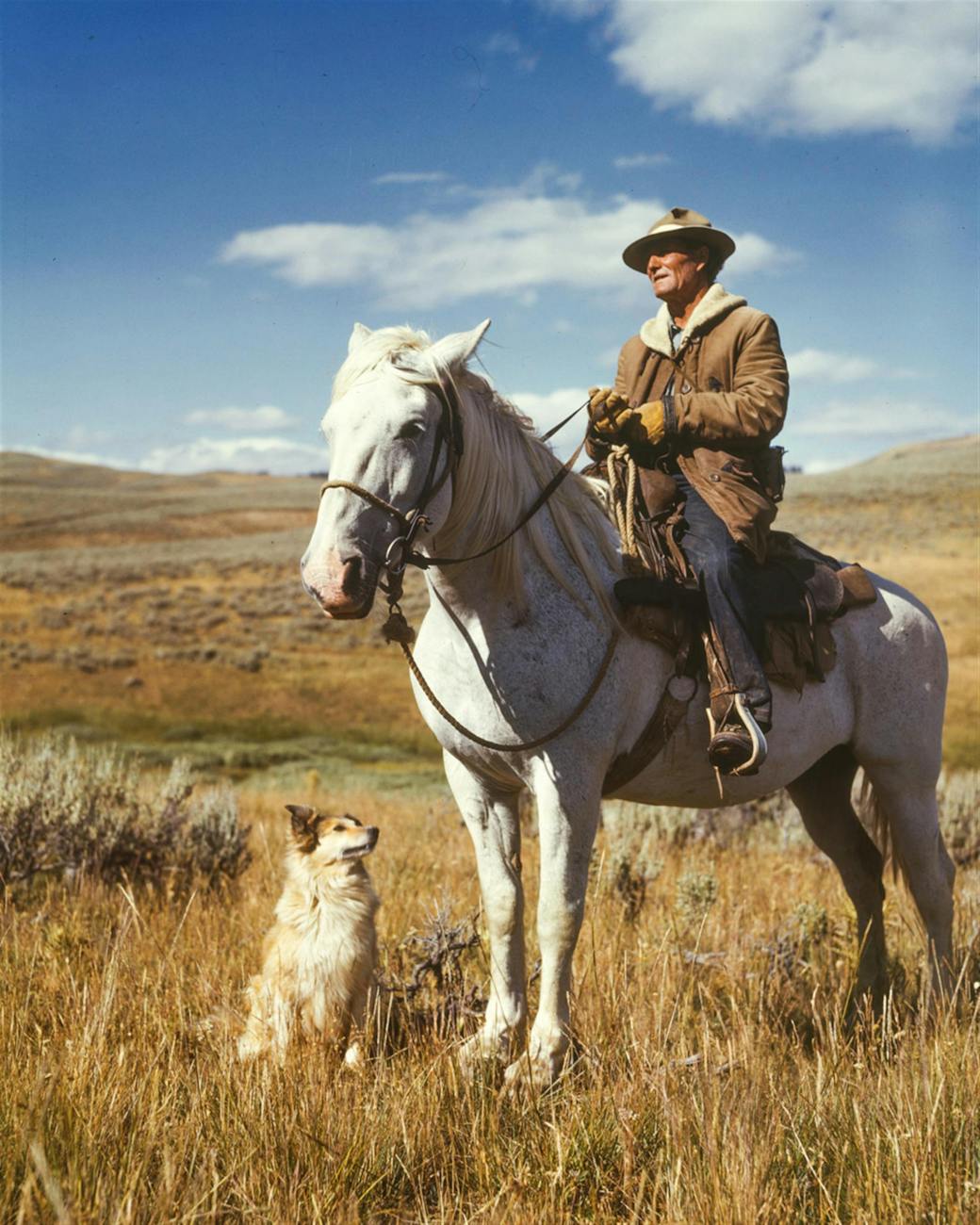
The image of the cowboy has long stood as a symbol of freedom, rugged individualism, and self-reliance. Yet, beneath the iconic hat, boots, and spurs, there lies a deeper, unwritten set of values known as the “Code of the West.” This code, though never formally penned, guided the behavior of cowboys on the open range, shaping their relationships with others, the land, and the livestock they worked with. Even today, in a world far removed from the vast cattle drives of the Old West, the Code of the West continues to resonate deeply with ranchers and cowboys, serving as a moral compass in an ever-changing world.
In this article, we’ll take a closer look at the core principles of the Code of the West, how these values were lived out by cowboys in the 19th century, and why they remain relevant to modern-day ranchers and farmers. From honesty and hard work to respect for the land and community, these timeless ethics offer a blueprint for living in harmony with the natural world.
The Origins of the Code of the West
The Code of the West wasn’t a set of laws enforced by government or authority; instead, it was an informal, yet deeply ingrained, moral guide that governed cowboy life. Cowboys relied heavily on trust, cooperation, and mutual respect to survive the harsh and unpredictable realities of the open range. Without these values, communities and working relationships would quickly break down.
Life on the frontier often meant isolation, and cowboys couldn’t always rely on the protection of law enforcement. Instead, they had to depend on each other. In a world where personal reputation was everything, your word was your bond, and any violation of trust could lead to dangerous consequences. As the cowboy moved cattle across hundreds of miles, interacting with other ranchers, settlers, and Native Americans, their actions were guided by a shared understanding of what was right and wrong.
The Code of the West served as an internal compass for cowboys—an ethical framework rooted in respect for others and the land. While the specifics of the code varied, certain principles emerged as fundamental to the cowboy way of life.
The Core Principles of the Code of the West
The Code of the West is often summed up by a handful of key principles that shaped cowboy behavior. Though unwritten, these guidelines were passed down through generations of cowboys and remain a powerful force in ranching communities today.
1. Live Each Day with Courage
Courage was essential to the cowboy’s life. Whether facing dangerous weather conditions, unpredictable livestock, or the constant threat of outlaws, cowboys had to approach each day with bravery and resilience. In the face of uncertainty, they knew that giving up was not an option.
In today’s world, ranchers and farmers still embody this courage. The challenges of modern agriculture—ranging from volatile markets to climate change—require determination and grit. When you work the land, you face the elements head-on, adapting to whatever nature throws your way. Modern ranchers live by this same principle, knowing that their livelihood depends on their ability to persevere through hardship.
2. Take Pride in Your Work
Cowboys took great pride in their work, whether it was caring for livestock, repairing fences, or driving cattle across the plains. They understood the importance of doing a job well, not just for personal satisfaction but for the survival of the herd and the ranch.
Today, ranchers continue to take pride in their work, whether they’re managing livestock, planting crops, or engaging in conservation efforts. On a farm like Huckleberry Farms, this pride comes from knowing that every effort—no matter how small—contributes to the health of the land, the animals, and the community. Sustainable practices, like rotational grazing and regenerative agriculture, reflect the same commitment to excellence that cowboys once showed in their daily work.
3. Always Finish What You Start
Cowboys lived by the idea that if you start something, you see it through to the end. Whether it was a job, a promise, or a responsibility, the Code of the West emphasized the importance of following through.
In modern ranching, this principle is still crucial. Farming and ranching are long-term commitments. There are no shortcuts in caring for animals or stewarding the land, and ranchers understand the importance of consistency and dedication. Projects like building fences, maintaining equipment, or improving soil health require a deep level of commitment, as the rewards often come slowly and gradually over time.
4. Do What Has to Be Done
On the frontier, cowboys didn’t always have the luxury of choosing what tasks to take on. The harshness of life often dictated that they do whatever was necessary to survive, no matter how difficult or unpleasant the job.
For modern ranchers, this principle manifests in the day-to-day reality of farming. Whether it’s tending to a sick animal in the middle of the night, repairing equipment in freezing temperatures, or harvesting crops under a blazing sun, ranchers do what needs to be done to ensure the well-being of their farm. There’s no room for procrastination when it comes to running a successful agricultural operation.
5. Be Tough, But Fair
The life of a cowboy required toughness—both physically and mentally. Cowboys had to be able to handle hard labor, long days, and unpredictable dangers. But toughness didn’t mean ruthlessness. Being fair to others, whether they were fellow cowboys, settlers, or Native Americans, was a key element of the Code of the West.
In ranching today, fairness is equally important. It’s about treating people, animals, and the environment with respect and dignity. Many modern ranchers, like those at Huckleberry Farms, prioritize humane treatment of livestock, recognizing that the health and well-being of the animals is tied to the overall success of the farm. Fairness also extends to working relationships with neighbors, farmhands, and customers.
6. When You Make a Promise, Keep It
Trust and reputation were everything to a cowboy. A man’s word was his bond, and breaking a promise was one of the worst offenses a cowboy could commit. Honesty was highly valued, and cowboys knew that a reputation for integrity could mean the difference between success and failure.
This principle still holds true in today’s ranching world. Whether it’s a business agreement, a commitment to a customer, or a promise to care for the land, ranchers understand the importance of keeping their word. Honesty and reliability are essential values for building long-lasting relationships, whether with business partners or members of the community.
7. Ride for the Brand
“Riding for the brand” was a term that symbolized loyalty to the ranch or employer a cowboy worked for. It meant more than just working for a paycheck—it was about being part of something bigger than yourself. Cowboys who rode for the brand were committed to protecting the interests of the ranch, its livestock, and its reputation.
In the modern ranching world, riding for the brand can be seen in the deep sense of loyalty ranchers have to their farms and the agricultural community. This loyalty extends to caring for the land, contributing to local food systems, and upholding the values of sustainability and stewardship. At Huckleberry Farms, for instance, riding for the brand means being dedicated to regenerative practices that heal the land and provide nourishing food for the community.
8. Know Where to Draw the Line
Cowboys were often faced with moral dilemmas, whether it was dealing with cattle rustlers, settling disputes, or navigating relationships with Native Americans. The Code of the West emphasized the importance of knowing when to stand your ground and when to walk away.
For ranchers today, knowing where to draw the line can mean making tough decisions about land use, animal care, or business practices. It’s about understanding the balance between profit and sustainability, efficiency and ethics. For those practicing regenerative agriculture, this often involves making decisions that prioritize the long-term health of the land over short-term financial gain.
The Code of the West in the Modern World
While the world has changed significantly since the days of the cattle drives, the core values of the Code of the West remain just as relevant. In fact, many ranchers today see these principles as essential to their way of life, especially as they face new challenges in the agricultural industry.
One of the most significant ways the Code of the West manifests in modern times is through the growing movement of regenerative agriculture. This approach, which emphasizes the health of the soil, water, and ecosystem, aligns perfectly with the cowboy ethic of stewardship and respect for the land. Ranchers practicing regenerative techniques are not only producing high-quality food but also working to reverse the environmental damage caused by industrial farming practices.
At Huckleberry Farms, we embrace these values by prioritizing sustainability in everything we do. From rotational grazing to composting, our practices are rooted in a deep respect for the land and a commitment to leaving it better than we found it. Like the cowboys of old, we understand that our role as ranchers is not just to raise livestock but to be stewards of the earth.
The Cowboy Spirit Lives On
The Code of the West may not be written in any law books, but its legacy lives on in the hearts of ranchers and farmers across the country. Whether on a sprawling cattle ranch in Texas or a small family farm like Huckleberry Farms, the values of honesty, hard work, respect, and integrity continue to shape the way we approach agriculture.
As we look to the future, it’s clear that the cowboy spirit—rooted in a love for the land and a commitment to doing what’s right—will play a vital role in building a more sustainable and resilient food system. By embracing the timeless lessons of the Code of the West, today’s ranchers are helping to preserve not just the traditions of the past but the health and vitality of our planet for generations to come.
