
Winter is the season when our bodies, minds, and spirits could use some extra warmth and care. With the colder weather comes the increased likelihood of colds, flus, and feeling a bit run down. Luckily, nature has provided us with powerful, nurturing herbs that can help us stay healthy and strong through the winter months. From soothing teas to immunity-boosting syrups, homemade herbal remedies can offer the support we need, all while connecting us to the natural world.
In this guide, we’ll explore a variety of herbal remedies you can create at home to boost immunity, combat winter ailments, and stay cozy during the colder months. The best part? Many of these herbs can be foraged or grown right in your backyard.
Why Turn to Herbal Remedies?
Herbal remedies have been used for thousands of years across various cultures to support wellness and treat common ailments. They provide a natural, gentle approach to health that works in harmony with the body, without the side effects often associated with pharmaceuticals. Plus, they help foster a sustainable, eco-friendly lifestyle by reducing reliance on store-bought medicines and tapping into the healing powers of the plants around us.
Herbs to Focus On
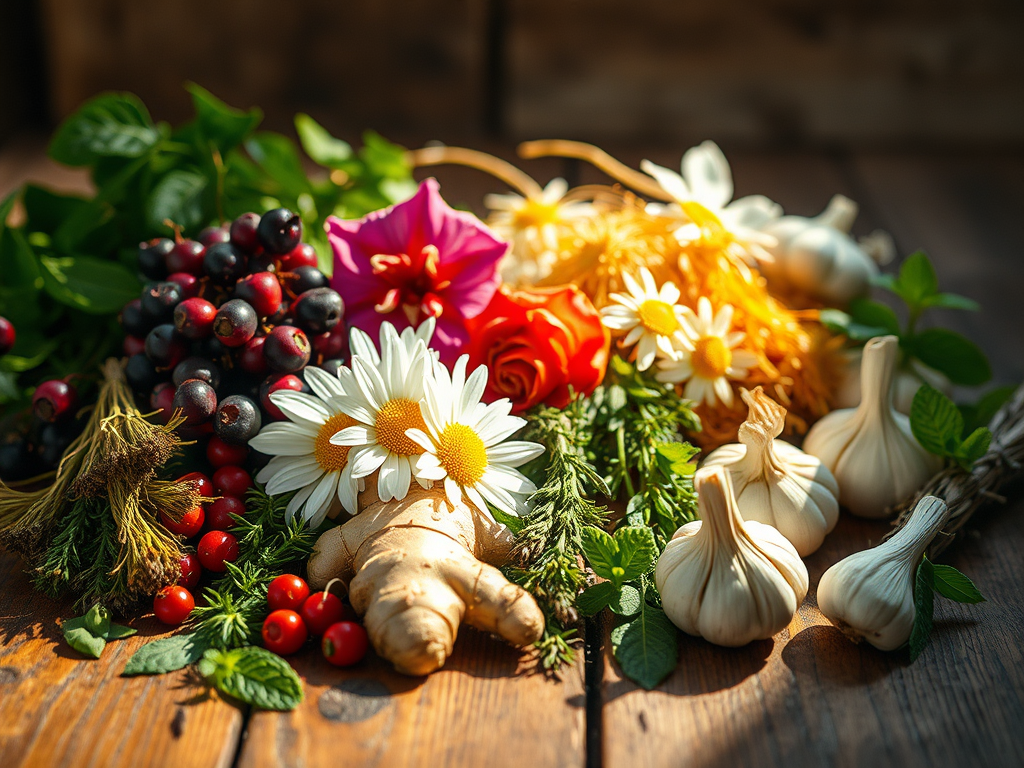
Before we dive into the remedies, let’s look at some powerhouse herbs that are perfect for winter wellness. These are easy to grow, forage, or purchase from a local farmer or herbal supplier.
- Elderberry: Known for its immune-boosting properties, elderberry is a key player in many herbal cold and flu remedies.
- Echinacea: A classic immune-support herb, echinacea helps reduce the severity of cold and flu symptoms.
- Rosehip: Packed with vitamin C, rosehips help boost immunity and fight off winter colds.
- Ginger: Warming and anti-inflammatory, ginger is fantastic for keeping the body warm and fighting off infections.
- Chamomile: A soothing herb that helps with relaxation, sleep, and easing the symptoms of a cold.
- Thyme: Antimicrobial and great for respiratory health, thyme is a powerful herb to include in winter remedies.
- Peppermint: Known for its digestive support, peppermint is also cooling and can help relieve congestion and sinus issues.
- Garlic: Nature’s antibiotic, garlic is packed with antioxidants and can help fight colds and infections.
Now, let’s jump into some simple yet powerful homemade herbal remedies you can make with these herbs!
Immunity-Boosting Elderberry Syrup
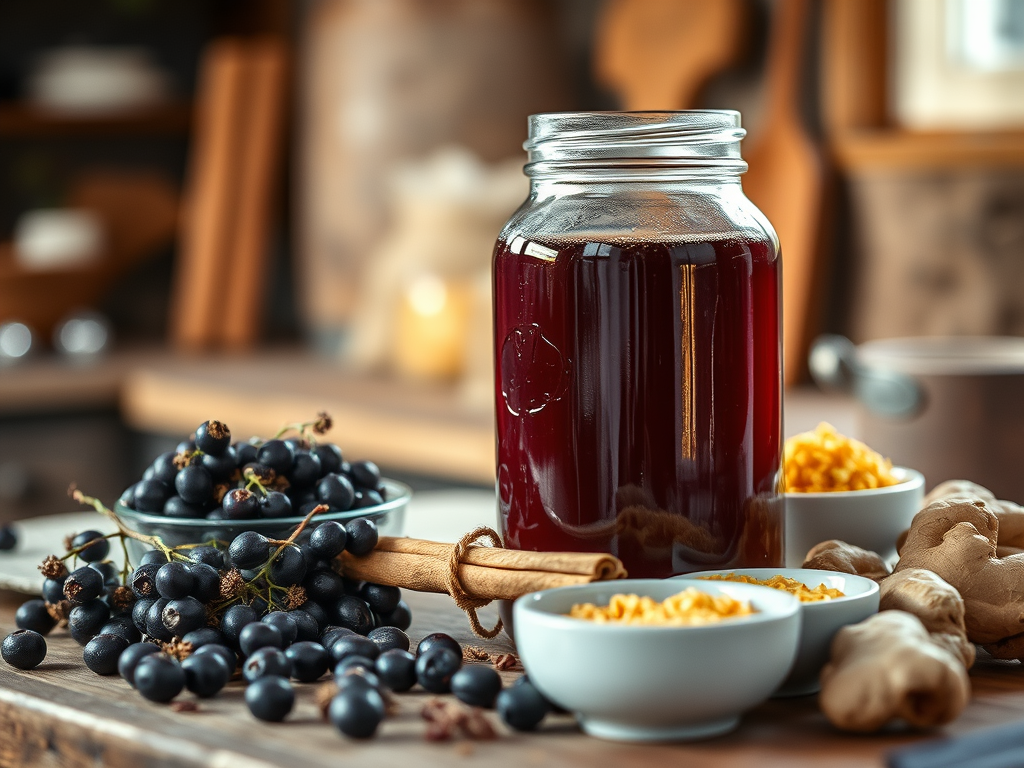
Elderberry syrup is a staple in natural cold and flu prevention. Rich in antioxidants and vitamins, elderberries help strengthen the immune system and shorten the duration of colds.
Ingredients:
- 1 cup dried elderberries (or 2 cups fresh)
- 4 cups water
- 1 cup honey
- 1 cinnamon stick (optional)
- 1 tablespoon fresh grated ginger (optional)
Instructions:
- In a saucepan, combine the elderberries, water, cinnamon stick, and ginger (if using).
- Bring to a boil, then reduce the heat and simmer for 45 minutes to an hour, until the liquid reduces by half.
- Remove from heat and allow to cool slightly.
- Strain the mixture through a fine mesh strainer or cheesecloth, pressing the berries to extract all the juice.
- Stir in the honey once the liquid has cooled but is still warm. Mix until well combined.
- Pour the syrup into a sterilized glass jar and store in the fridge for up to two months.
How to Use:
Take 1 tablespoon daily as a preventative measure, or 1 tablespoon every 2-3 hours if you’re feeling under the weather.

Soothing Chamomile & Lavender Tea
Chamomile and lavender are calming herbs that help relax the body and mind, making this tea a perfect evening ritual during the cold months. It’s great for promoting sleep, easing tension, and soothing irritated throats.
Ingredients:
- 1 tablespoon dried chamomile flowers
- 1 teaspoon dried lavender flowers
- 1 cup boiling water
- Honey (optional)
Instructions:
- Place the chamomile and lavender flowers into a tea infuser or tea bag.
- Pour boiling water over the herbs and let steep for 5-7 minutes.
- Sweeten with honey if desired.
How to Use:
Sip this tea before bed or anytime you need to unwind and calm your nerves. It’s also helpful for easing mild cold symptoms.

Warming Ginger & Lemon Immunity Tea
Ginger is a warming herb that stimulates circulation and fights off infections. Paired with vitamin C-rich lemon, this tea can help give your immune system a much-needed boost on cold winter days.
Ingredients:
- 1-inch piece of fresh ginger, sliced
- Juice of 1 lemon
- 1 tablespoon honey
- 2 cups boiling water
Instructions:
- Place the sliced ginger in a pot with 2 cups of boiling water.
- Let simmer for 10-15 minutes.
- Strain the ginger and pour the tea into a mug.
- Stir in the lemon juice and honey.
How to Use:
Drink this tea daily to stay warm and healthy, especially when you feel the first signs of a cold coming on.

Garlic Honey Cold & Flu Remedy
Garlic is one of the most potent natural antibiotics, and honey is antibacterial and soothing for sore throats. This combination creates a powerful remedy for colds and flu.
Ingredients:
- 5-6 cloves of garlic, peeled and lightly crushed
- 1 cup raw honey
Instructions:
- Place the garlic cloves in a clean glass jar.
- Pour honey over the garlic until they are completely submerged.
- Let sit for at least a few days to a week, shaking the jar occasionally.
How to Use:
Take 1 teaspoon of garlic-infused honey when you feel a cold or flu coming on. You can also eat a clove of garlic if you’re brave!

Herbal Vapor Rub for Congestion
A natural alternative to store-bought vapor rubs, this herbal balm can help relieve congestion and open up airways.
Ingredients:
- 1/2 cup coconut oil
- 1/4 cup beeswax pellets
- 20 drops eucalyptus essential oil
- 10 drops peppermint essential oil
- 10 drops rosemary essential oil
Instructions:
- Melt the coconut oil and beeswax in a double boiler until fully combined.
- Remove from heat and stir in the essential oils.
- Pour the mixture into small tins or jars and allow it to cool and solidify.
How to Use:
Rub a small amount on your chest, back, and neck before bed to help with congestion. The natural oils will help you breathe easier while you sleep.

Rosehip & Elderberry Winter Wellness Tea
Rosehips are incredibly high in vitamin C, making them a perfect addition to winter teas for immune support. Paired with elderberry, this tea will help you stay healthy and fight off colds.
Ingredients:
- 1 tablespoon dried elderberries
- 1 tablespoon dried rosehips
- 2 cups water
- Honey (optional)
Instructions:
- Place the elderberries and rosehips in a pot with 2 cups of water.
- Bring to a boil, then reduce heat and simmer for 10-15 minutes.
- Strain the mixture and pour into a mug.
- Sweeten with honey if desired.
How to Use:
Enjoy this tea daily to boost your immune system and stay hydrated during the cold months.
Herbal Salve for Dry Winter Skin
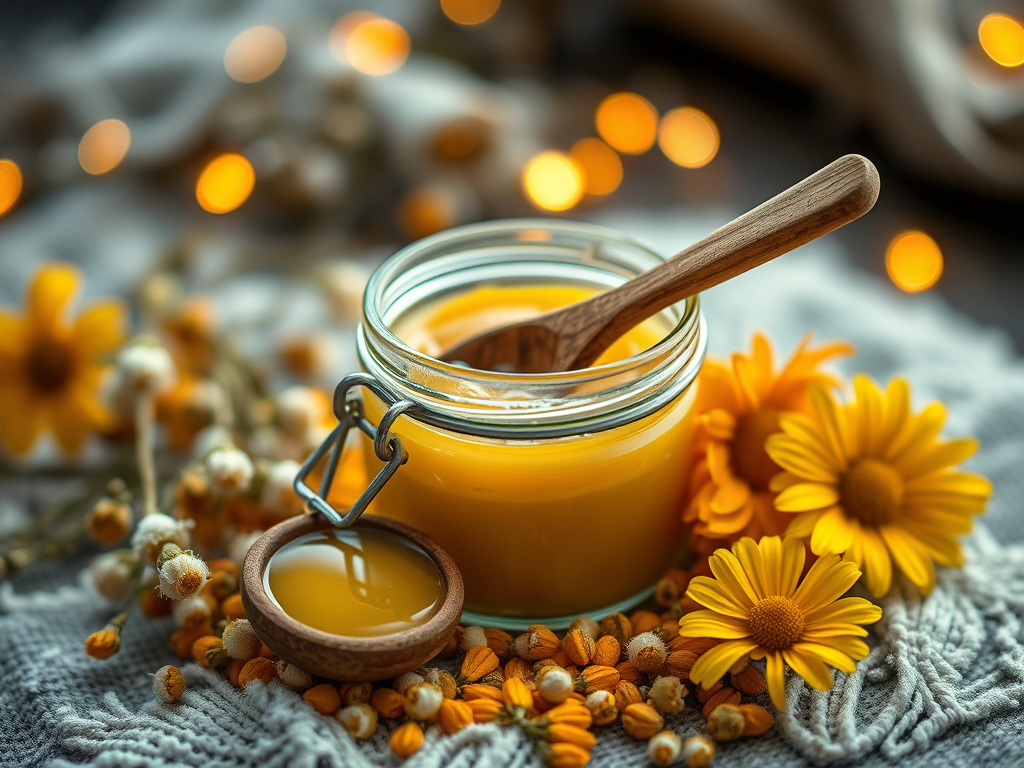
Winter can be hard on the skin, leading to dryness, cracking, and irritation. This simple herbal salve can help soothe and protect your skin from the harsh winter weather.
Ingredients:
- 1/4 cup dried calendula flowers
- 1/4 cup dried chamomile flowers
- 1 cup olive oil
- 1/4 cup beeswax
- 10 drops lavender essential oil (optional)
Instructions:
- Infuse the olive oil with the calendula and chamomile by placing the herbs and oil in a jar and letting them sit in a warm, sunny spot for 2-4 weeks. Alternatively, heat the oil and herbs in a double boiler for 1-2 hours.
- Strain the oil to remove the herbs.
- Melt the beeswax in a double boiler, then stir in the infused oil.
- Once melted and combined, remove from heat and stir in the lavender essential oil.
- Pour the mixture into tins or small jars and let cool.
How to Use:
Apply this salve to dry skin, cracked hands, or lips throughout the winter for moisture and healing.

Tips for Sustainable Herbal Remedies
- Grow Your Own Herbs: If you have space, consider growing herbs like chamomile, peppermint, or thyme. They are easy to grow and will give you a fresh, sustainable supply.
- Forage Responsibly: Always forage sustainably, taking only what you need and leaving enough for wildlife and plant regeneration.
- Use Reusable Jars and Tins: Store your herbal remedies in reusable containers like glass jars or metal tins to minimize waste.
- Compost Leftover Herb Matter: After you strain out herbs from teas, syrups, or oils, toss the plant matter into your compost to return nutrients to the soil.
Final Thoughts
Making your own herbal remedies for winter wellness is a rewarding and sustainable way to take care of your health. By using simple, natural ingredients, you can support your body’s immune system, stay warm, and find comfort during the colder months. Whether you’re sipping on a soothing herbal tea or applying a salve to
