Let’s talk about faith. Not the kind you’re told to keep quiet about because it might upset someone at the dinner table, but the kind that shows up in the way we live, work, and connect to the land. Farming, at its heart, is an act of faith. You plant a seed, nurture it, and trust it will grow. You care for the soil, the animals, the ecosystem, and in return, you’re given life. That’s sacred. It’s spiritual. And it’s universal.
So why is it, then, that Paganism—my faith—is so often judged, especially in this line of work? As a Pagan, I see the land, the seasons, the cycles of growth and decay as deeply sacred. But here’s the thing: when you strip away the labels, the heart of what I believe isn’t so different from the heart of what others believe. Whether you’re a loud-and-proud Christian, a quietly spiritual atheist, or someone who doesn’t even have a name for your connection to the world, chances are, if you’re a farmer, you know what I’m talking about.
I’ve seen it in the big names of regenerative agriculture. Will Harris, Joel Salatin, Gabe Brown—these are men of deep faith, and while their beliefs may not align with mine, their faith leads them to farm in ways that heal the land. And I respect the hell out of that. Because at the end of the day, it’s not about what you believe—it’s about how your beliefs drive your actions. If your faith, in whatever form it takes, inspires you to care for creation, then we’re on the same team.
But let’s address the elephant in the room: why does Paganism seem to be the one belief system people feel free to judge or dismiss? When I tell people my faith is rooted in nature, in honoring the earth and its cycles, I get side-eyes or awkward silences. Meanwhile, we all know farmers who will tell you that a bountiful harvest is a gift from God, or that droughts are a sign of divine displeasure. Those beliefs are celebrated—or at least accepted. Why not mine?
And here’s the kicker: farming itself is inherently spiritual. Across history and cultures, agriculture has been tied to beliefs about creation, divinity, and the sacred. Ancient civilizations honored the soil as sacred, understanding that their survival depended on its health. Today, regenerative agriculture carries that same reverence forward, whether you call it science, faith, or simply good stewardship. It’s a recognition that we’re part of something bigger—that the soil is alive, that the land has value beyond what we can take from it, and that healing the earth is a way of healing ourselves.
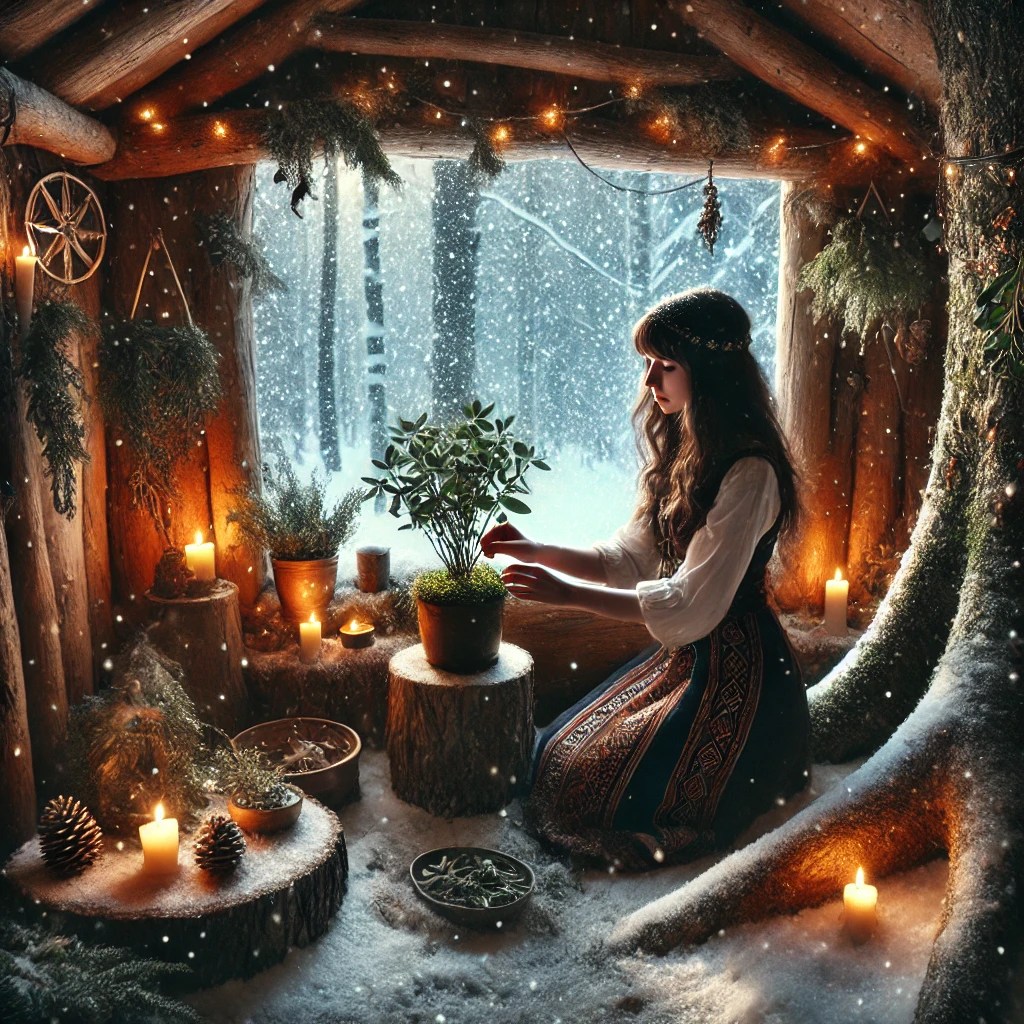
Paganism isn’t so different from that. When I put the garden to bed with a spell of gratitude, or when I time plantings with the moon cycles, it’s no more “out there” than someone praying for rain or giving thanks at the dinner table. It’s just my way of connecting to the same sacred cycle of life.
The truth is, all farmers are spiritual in their own ways. You can’t spend your days knee-deep in soil, watching life unfold in all its messy, miraculous glory, and not feel some kind of connection to something bigger than yourself. And maybe that’s the real controversy here: not that I’m Pagan, but that I’m willing to say out loud what so many farmers feel deep down.
And as we celebrate the Winter Solstice, or Yule, today, it feels especially fitting to reflect on this. The solstice marks the longest night of the year, a turning point where we honor the darkness while welcoming the return of the light. It’s a time of renewal, of setting intentions for the seasons ahead, and of recognizing the cycles of life that connect us all. Whether you light a candle, say a prayer, or simply take a quiet moment to appreciate the world around you, the message is the same: we’re part of something much bigger than ourselves.
So let’s stop pretending there’s only one right way to honor the earth. Because here’s the hard truth: the land doesn’t care what we believe—it cares what we do. Whether you say a prayer, cast a spell, or simply plant a seed with intention, the earth will respond in kind. The soil doesn’t judge, but it does keep score. And right now, it’s telling us loud and clear: we’ve got work to do.
If we can put aside the judgment, the labels, and the fear of being different, maybe we can focus on what really matters. Maybe we can come together as farmers, homesteaders, and caretakers of the land, united by a shared mission to heal the earth. And maybe, just maybe, we can leave this world a little better than we found it.
So, what do you think? Is there room at the table for all of us, regardless of what we believe—or are we too stuck in our ways to see the bigger picture? I’ll be here, planting seeds and casting spells, ready to listen.
Until next time,
Traci
Hungry for More?
If you’ve been enjoying our Farm Table Talk articles, why not bring a little farm-to-table magic into your own kitchen? Check out our digital cookbook—packed with simple, seasonal recipes straight from our farm to yours. Whether you’re looking for hearty meals, quick snacks, or creative ways to use fresh, local ingredients, we’ve got you covered. Plus, every purchase supports our mission to nurture the land, care for our animals, and keep sharing the real stories behind farm life.
