
Winter, with its stillness and long, quiet nights, provides the perfect opportunity for reflection and goal-setting. For those of us living on a homestead, the demands of the growing season or the constant care of animals can make it difficult to carve out time for introspection. However, as the year winds down, winter invites us to slow down and embrace the rhythm of the season.
Journaling can be a powerful tool to help us reflect on the past year, learn from the challenges we’ve faced, and plan for a more intentional future. Whether you’re focusing on personal growth, sustainability goals, or farm management, journaling offers clarity and a sense of purpose as you step into the new year.
Reflecting on the Year’s Challenges and Successes
For many, this past year has been full of obstacles, lessons, and unexpected twists, and our farm was no exception. The June storm wreaked havoc on Huckleberry Farms, causing widespread damage and taking down all of our shade trees. As daunting as it was, we salvaged the wood for firewood, ensuring warmth for the upcoming winter. But the storm also exposed some vulnerabilities that we’ll be addressing as we prepare for 2025.
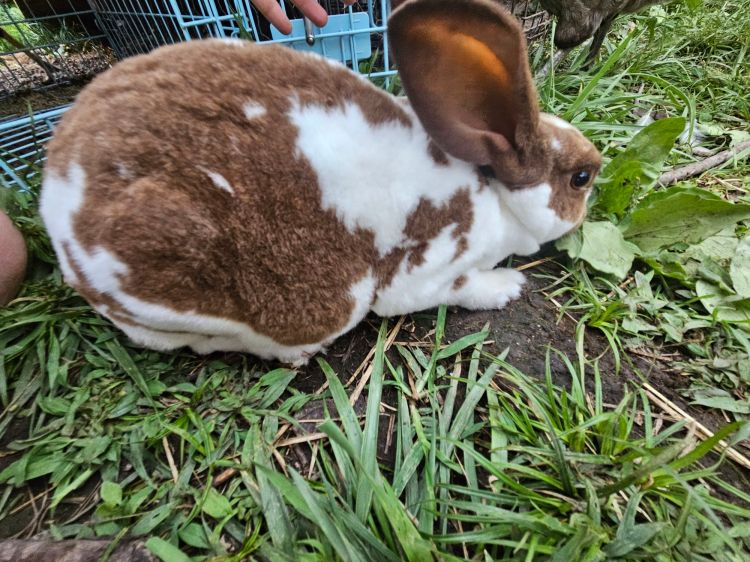
On top of that, an unexpected pregnancy added to the physical demands of the summer. Keeping up with chores, cleaning up the damage, and rebuilding became more challenging. The lack of shade and intense heat took out 75% of our rabbits, while the severe drought wiped out the garden. It was a trying year, but as difficult as these experiences were, they also taught us invaluable lessons about resilience and preparation.

When journaling about your own challenges this year, ask yourself:
- What were my biggest hurdles, and how did I navigate them?
- What strengths and weaknesses did this year reveal about my farm, my life, or myself?
- How can I use these insights to build stronger systems for the future?
Planning for the Future: Turning Challenges Into Growth
Even though this year’s setbacks were tough, they also provided us with the blueprint for building back stronger. We’ve used the slower pace of winter to sketch out the changes that will take us into a more productive and balanced 2025. A major highlight is the construction of our new rakin (rabbit + chicken) house, built over the framework of our old dog pen. This multi-purpose structure will streamline care and management, combining resources for both chickens and rabbits.
We’re also relocating our garden to a more suitable location. With better access to water and improved layout for shade, we’ll be able to protect next year’s crops from extreme weather. After losing so many rabbits this year, we’re switching to a new breed known for its heat tolerance and adaptability. Finally, we’re fine-tuning our marketing strategy to better align with our long-term goals.
When thinking about your own plans for the future, consider:
- What systems on my homestead can be improved for better efficiency?
- Are there any new methods, animals, or crops I want to introduce?
- How can I better prepare for unexpected challenges like natural disasters or health issues?
- What goals do I want to set for myself—both for my farm and my personal well-being?
Journaling Prompts for Winter Reflection and Planning
- What were the most meaningful moments of the past year?
These could be big milestones or small, seemingly insignificant moments that made a lasting impact. - Which challenges taught you the most this year?
Write about how they stretched your abilities and what you learned from overcoming them (or even failing). - In what ways did your homestead grow this year?
Reflect on your successes—whether it was a bumper crop, happy animals, or a new project you completed. - What goals did you set at the beginning of the year, and how did you measure up?
Were there unexpected hurdles? Or perhaps your goals shifted in a different direction? - What systems or methods are you carrying into the next year, and what will you leave behind?
This could be related to animal management, garden planning, personal habits, or even business strategies. - What new skills did you learn?
Write down how you can continue to hone these skills or what new skills you want to acquire next year. - What do you want your homestead to look like a year from now?
Visualize the changes you hope to see and how you’ll feel once you’ve achieved them.

Setting Intentions for the Year Ahead
As we move into 2025, setting intentions is just as important as setting goals. Intentions remind us of the why behind our actions and help us stay grounded in our values as we pursue our dreams. For us at Huckleberry Farms, our intentions for the coming year are to continue building a self-sustaining, eco-friendly farm while fostering a deeper connection to the land and our community.
Your intentions might include:
- Cultivating more gratitude and mindfulness in your daily routines.
- Reducing waste and finding more sustainable ways to manage your farm.
- Deepening your knowledge of regenerative agriculture or learning more about traditional practices.
- Connecting with your local community through shared food, skills, or support.

Using Winter for Research and Learning
Winter is also the perfect time to dig into research, read new books, and expand your knowledge. Whether it’s learning more about crop rotation, animal husbandry, or eco-friendly practices, there’s a wealth of information out there to help you grow. You could even take the time to learn more about permaculture design or other regenerative farming methods to implement on your homestead.
Journaling alongside your research helps you keep track of ideas, inspirations, and potential projects. It allows you to map out how these concepts could fit into your current homestead structure and where you might need to make adjustments.
Some additional topics you could explore this winter include:
- Soil health and how to improve it.
- Seed saving and heirloom gardening.
- Homemade remedies for livestock health.
- Renewable energy options for homesteads.

Embracing Gratitude and Finding Joy
It’s easy to focus on the challenges, but journaling can also be a way to cultivate gratitude. Despite the trials of the year, there were countless small moments of joy and success that helped carry us through. The firewood left behind by the June storm may have been an unexpected gift, ensuring we’ll stay warm through the winter months. The slower pace of late summer and fall allowed us to dream up exciting new projects and make room for what’s to come.
Writing down the moments that brought you peace or joy this year can remind you of the beauty in homesteading, even during difficult times. It helps keep everything in perspective and fosters a sense of contentment with the journey you’re on.

Moving Forward
As you wrap up the year with a cup of hot tea or coffee and a pen in hand, remember that journaling is a way to reflect, dream, and plan. Your homestead is a living, breathing project that evolves and grows with each passing year. Winter offers the space to pause and appreciate all that you’ve accomplished, while setting your sights on the exciting challenges and opportunities ahead.
Here at Huckleberry Farms, we’re using this time to get ready for a fresh start in 2025. With a newly built rakin house, a revamped garden, and a clear plan for the months ahead, we’re eager to see what the next year brings. And as always, we’ll be journaling every step of the way.
