
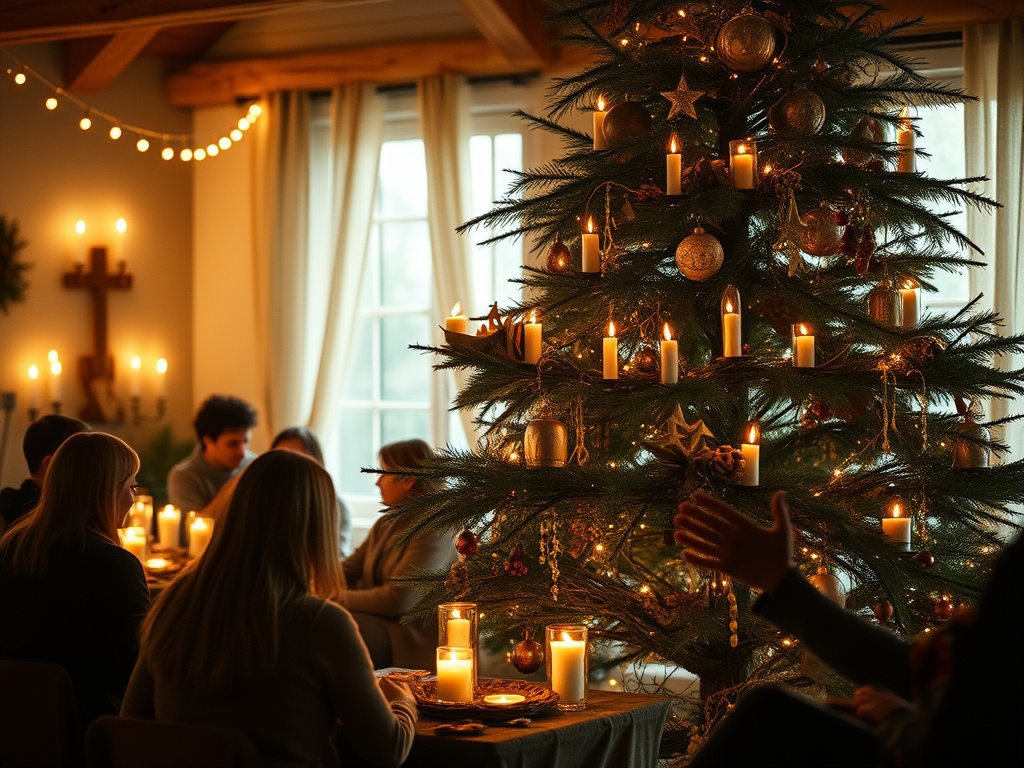
When we think of Christmas, images of festive trees, twinkling lights, and joyous gatherings often come to mind. However, many of these beloved customs didn’t originate with the holiday as we know it today. Instead, they trace their roots back to ancient pagan celebrations, particularly those surrounding the Winter Solstice.
The Winter Solstice, celebrated by pagans as Yule, marks the longest night and shortest day of the year. It’s a time of rebirth, as from this point forward, the days grow longer, symbolizing the return of the sun. Many of the practices associated with Yule were later adopted and adapted into what we now recognize as Christmas traditions. Understanding the pagan origins of these customs not only deepens our connection to history but also offers us ways to honor these ancient traditions sustainably and mindfully in our modern celebrations.
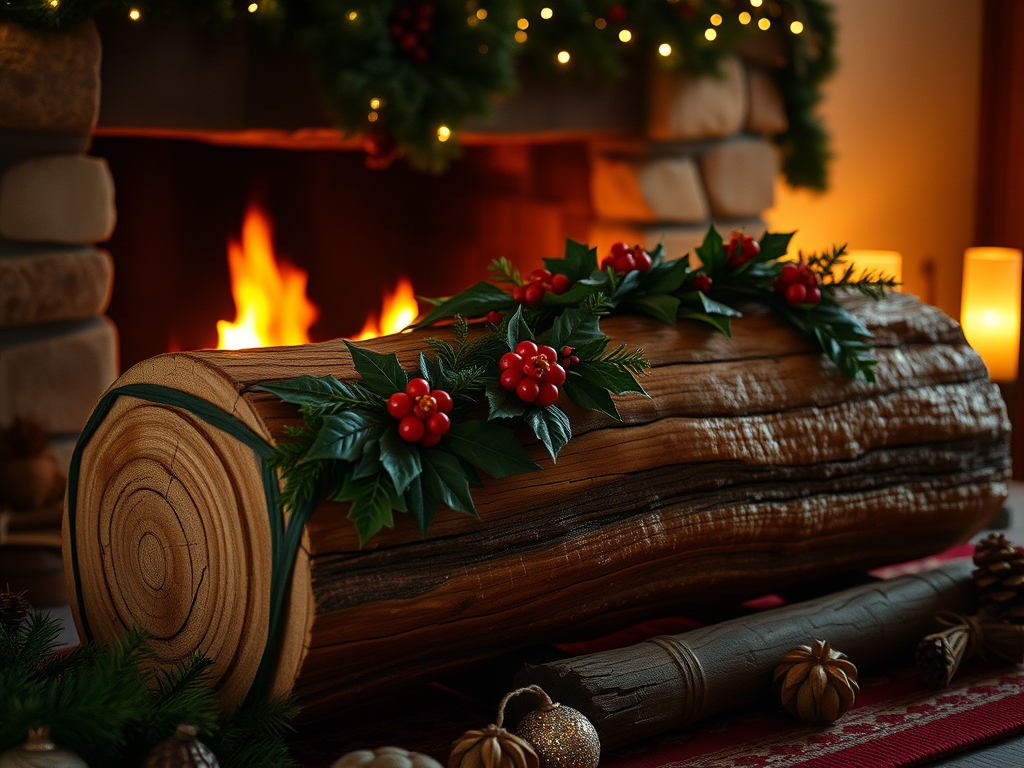
1. The Yule Log: From Pagan Ritual to Fireplace Centerpiece
The Yule log is one of the most iconic symbols of both pagan and Christmas traditions, but its roots lie in ancient solstice rituals. For the Norse, Celts, and other pagan cultures, the Yule log was burned during the Winter Solstice as a way to honor the sun’s return and invite warmth and light into their homes during the darkest time of the year.
The log was often a massive piece of wood, and it was decorated with holly, ivy, or other evergreens, symbolizing the endurance of life through the winter. Each family would carefully choose the largest log they could find, and it would burn throughout the night as part of the festivities. The ashes of the Yule log were often kept as a protective charm for the home in the coming year.
Today, the Yule log has evolved into a decorative item in some homes or even a delicious cake, but the symbolism of light triumphing over darkness remains. For a modern take, you can create a sustainable Yule log ritual by using wood from your own property or sourcing it locally. Decorate it with natural elements such as pinecones, dried oranges, and herbs. If you don’t have a fireplace, you can light a few candles on a log centerpiece to honor the light’s return in a sustainable, cozy way.
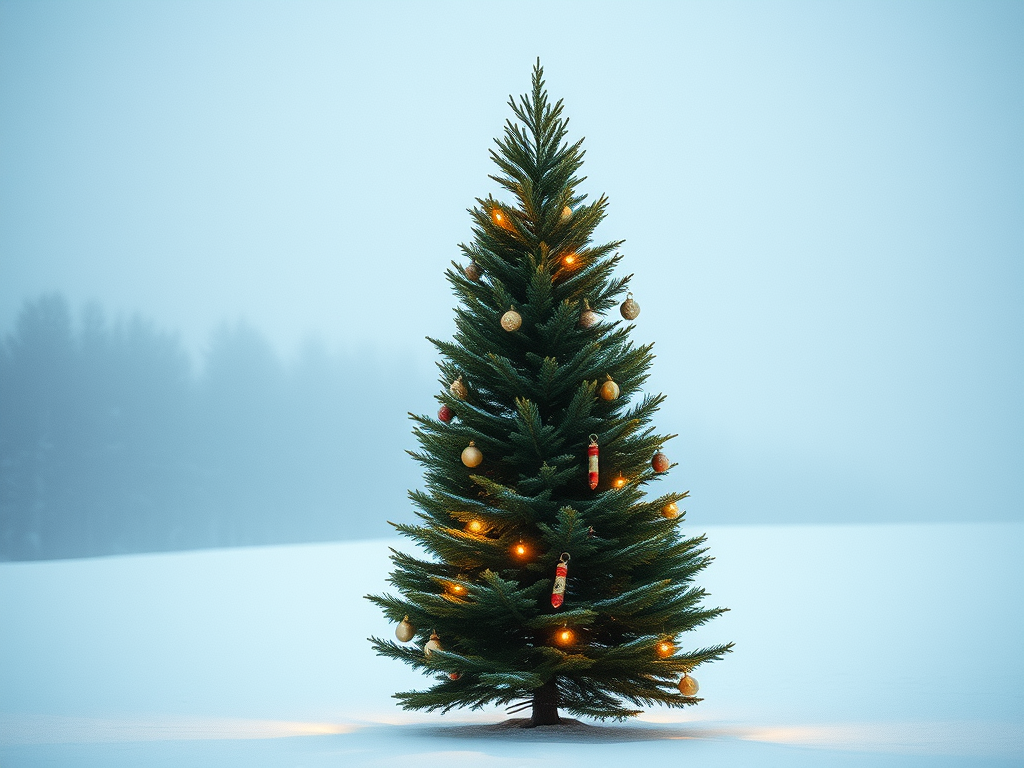
2. The Evergreen Tree: A Symbol of Life and Endurance
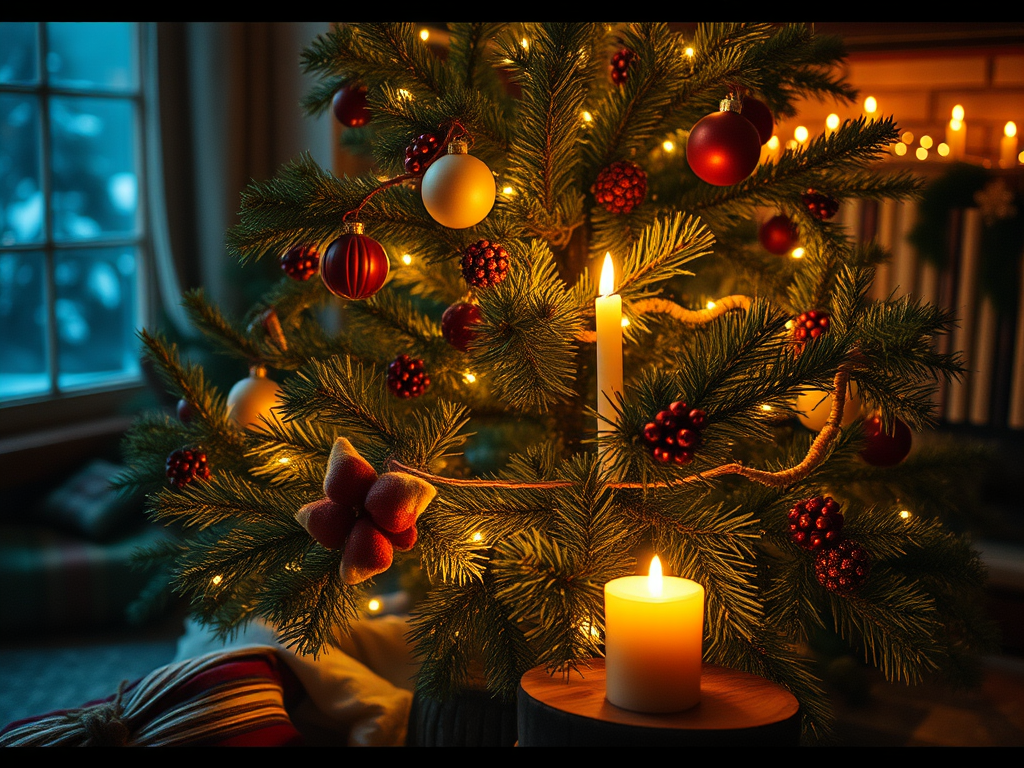
The tradition of bringing evergreen trees into the home dates back to ancient times when pagan communities saw evergreens as a symbol of life enduring through winter. Long before the Christmas tree was adopted as part of the holiday, ancient Germans, Celts, and Romans used evergreen branches to decorate their homes during Yule or Saturnalia to symbolize resilience and renewal.
The modern Christmas tree, often covered in tinsel and ornaments, has evolved from these earlier practices. However, in its essence, it still symbolizes the endurance of life through winter’s harshness. If you want to honor this ancient tradition sustainably, consider sourcing your tree from a local, eco-friendly farm. Many farms allow you to cut your own tree, ensuring that the land is sustainably managed. After the holiday season, you can recycle your tree by turning it into mulch, compost, or even using the branches to create habitat for wildlife.
For those looking to go even greener, you can opt for a living tree, which can be planted outside after the holidays. This not only reduces waste but also gives back to the environment by adding another tree to the landscape.

3. Evergreen Wreaths: Symbols of Eternal Life
Wreaths made of evergreen boughs, holly, and ivy have long been symbols of eternal life in pagan cultures. These circular arrangements represented the cyclical nature of the seasons and the eternal return of life. Pagans would hang wreaths on doors and windows during the Winter Solstice to invite protection and good fortune for the coming year.
As this tradition was absorbed into Christmas celebrations, evergreen wreaths became a decorative staple. In modern times, you can create a sustainable wreath by using natural materials such as branches, herbs, and berries. Avoid plastic or synthetic decorations and instead opt for organic elements that can be composted after the holiday season. Not only does this honor the pagan tradition of reverence for nature, but it also aligns with a more eco-conscious, zero-waste mindset.
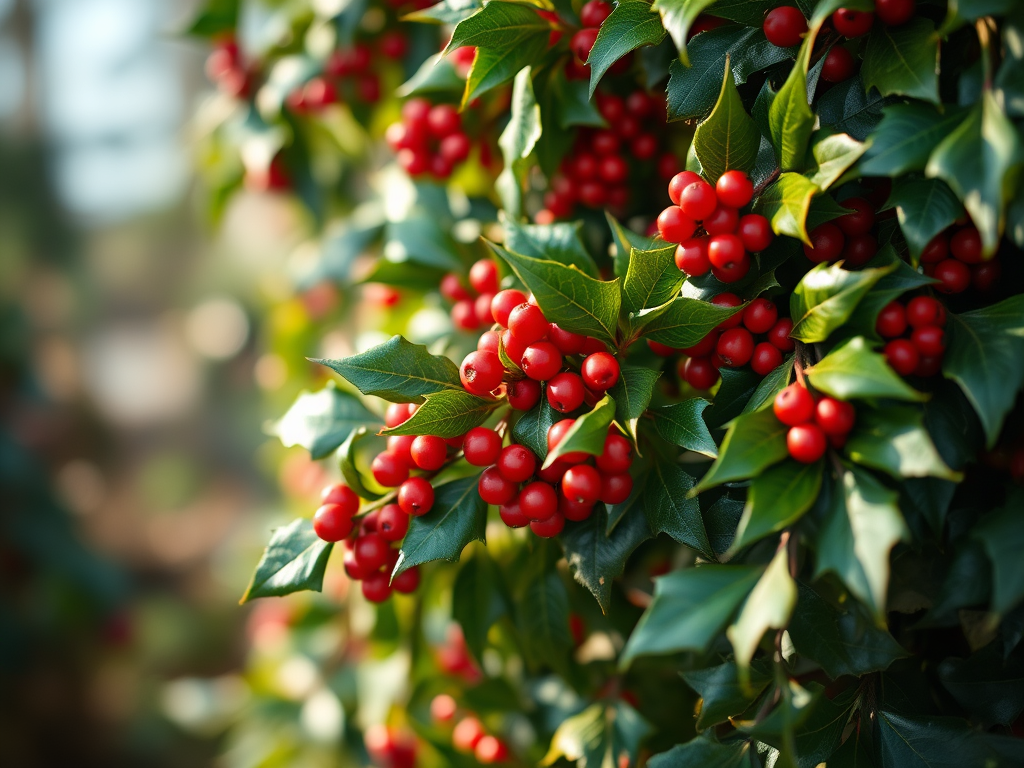
4. The Holly and the Ivy: Ancient Symbols of Protection and Fertility
Holly and ivy are two plants that have deep roots in pagan mythology. Holly was believed to protect against evil spirits, and its red berries symbolized the return of the sun. Ivy, which clings to walls and trees, symbolized fidelity and eternal life. Both plants were sacred to pagan deities and were often used to decorate homes and altars during Yule.
When these customs were integrated into Christmas traditions, holly and ivy retained their symbolism as evergreens that thrive in winter, making them ideal decorations. You can bring these ancient symbols into your home by using real holly and ivy in your décor. If you’re fortunate enough to have access to them in your yard or local area, gather them yourself, or source them from a sustainable supplier. After the holiday season, you can compost these natural decorations or return them to the earth, closing the cycle just as our ancestors did.
5. Candles: A Beacon of Hope and Light
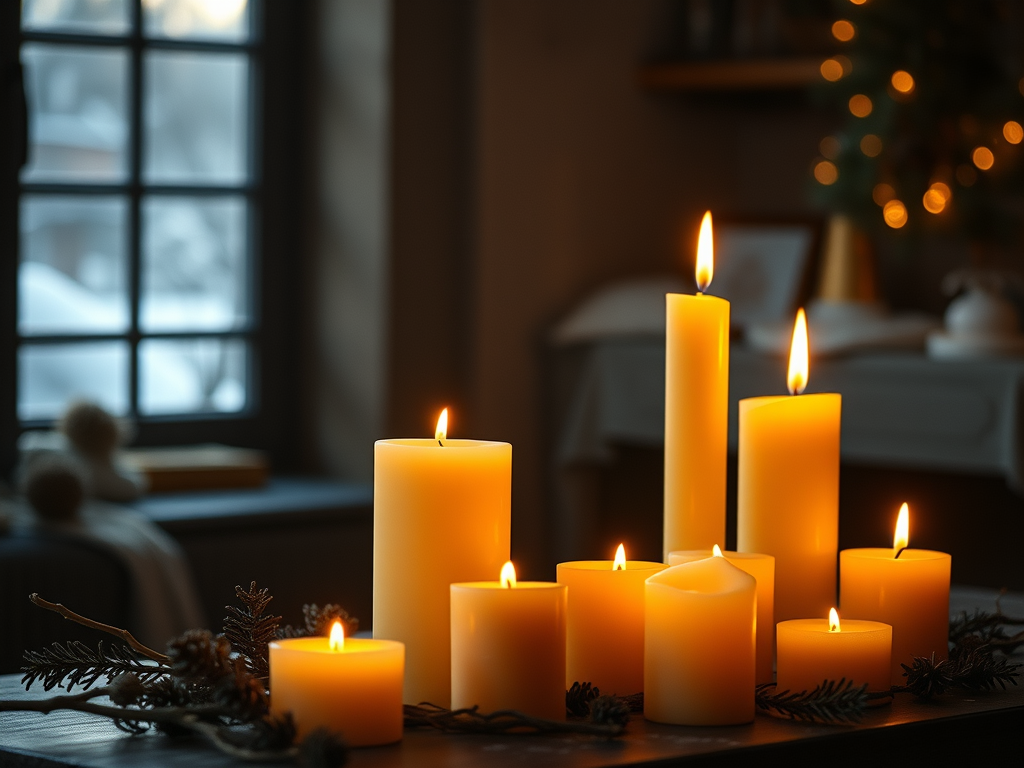
Candles have long been associated with the Winter Solstice, symbolizing the return of the sun and the light overcoming the darkness. For pagans, lighting candles was a way to honor the sun’s rebirth, and they were often placed in windows to guide spirits and welcome warmth into the home.
Candles continue to play an important role in modern Christmas celebrations, from advent candles to menorahs in Jewish traditions. If you want to celebrate in the spirit of the solstice, consider making your own beeswax candles as a family activity. Beeswax is a sustainable, non-toxic material that burns clean and connects us to nature’s cycles, particularly the work of bees. You can also look for candles made from natural, eco-friendly materials like soy wax or coconut wax, avoiding paraffin candles that contain petroleum-based ingredients.
6. Feasting: Celebrating Abundance and Community
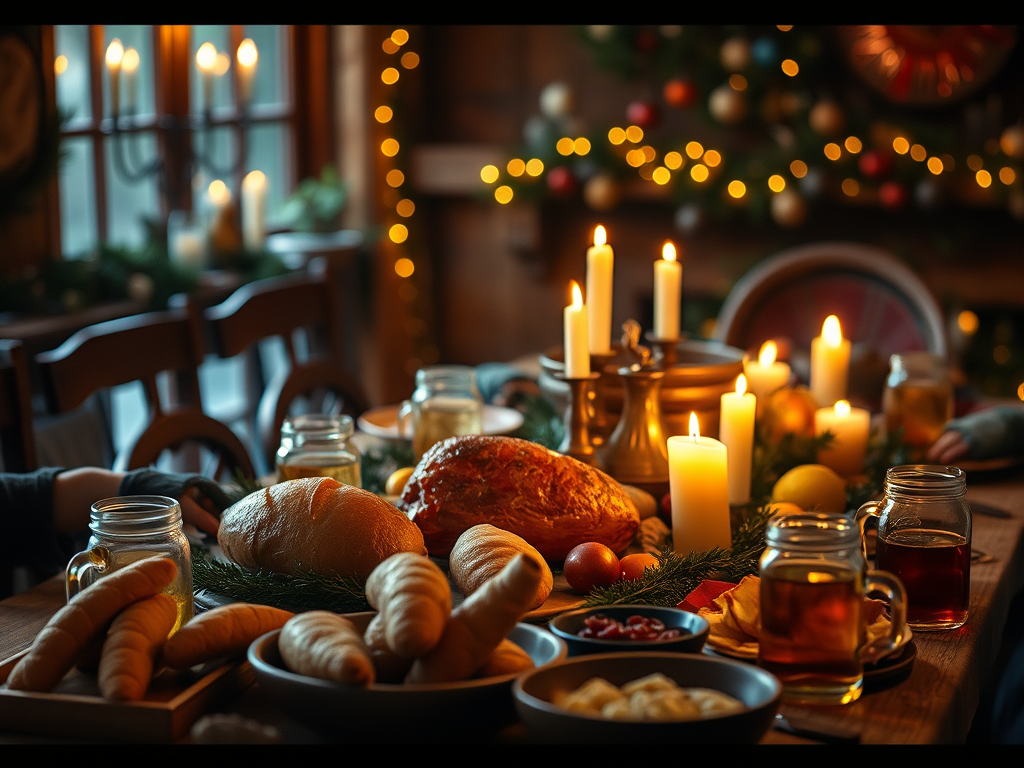
For ancient pagans, the Winter Solstice was a time to celebrate the abundance of the harvest stored for the winter months. This culminated in communal feasts, which were held to honor the earth’s bounty and the return of the sun. These feasts often included bread, meat, and mead made from fermented honey—a true celebration of what was available locally and seasonally.
Today, Christmas feasts can carry the same spirit of community and gratitude for the land. To make your feast more sustainable and aligned with nature, consider sourcing your ingredients locally. Visit farmers markets, local farms, or even your backyard garden to gather fresh produce, eggs, and meat. Reducing food waste is another key to sustainability—use up leftovers creatively or compost scraps to close the loop.
Hosting a winter solstice feast is a wonderful way to honor the dark and light of the season. You could even incorporate some traditional pagan foods, such as root vegetables, dried fruits, and hearty stews. Sharing this feast with family and friends connects us back to the communal nature of ancient celebrations, where everyone contributed to the table.
7. Gifting: Thoughtful, Sustainable Exchanges
Gift-giving during Yule was centered around the exchange of simple, thoughtful tokens that represented blessings for the coming year. In ancient pagan cultures, these gifts were often handmade and crafted from natural materials, reflecting the care and love put into them.
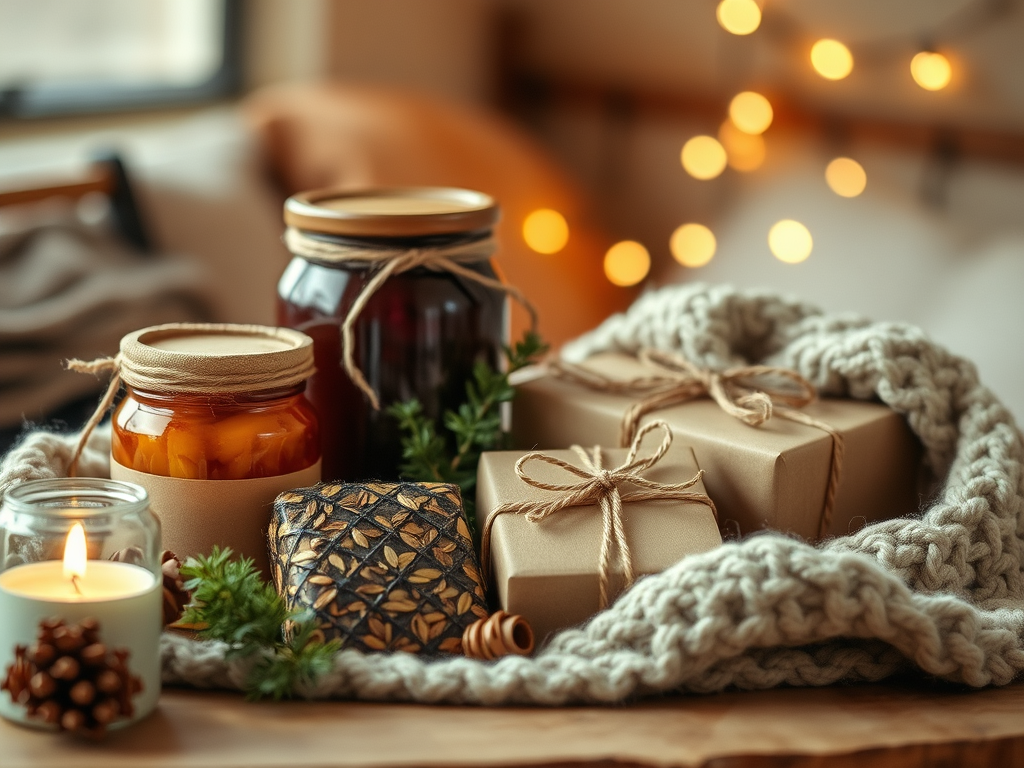
To honor this tradition today, consider making handmade gifts that are both meaningful and sustainable. Whether it’s homemade preserves, herbal teas, or hand-knitted scarves, crafting gifts yourself adds a personal touch while reducing consumerism and waste. Alternatively, focus on giving experiences rather than material goods—think about gifting a nature walk, a family day at a local farm, or even a solstice-themed storytelling night by the fire.
Final Thoughts: Honoring the Past, Celebrating the Present
The Christmas traditions we hold dear are deeply rooted in ancient pagan practices that celebrated the natural cycles of the earth, the sun, and community. By understanding these origins and incorporating them into our modern lives, we can honor the earth, our ancestors, and the enduring beauty of the natural world.
Celebrating the Winter Solstice doesn’t have to mean abandoning Christmas; rather, it offers an opportunity to weave together the ancient and the modern, infusing your holiday season with a deeper connection to nature and a greater sense of sustainability. From the Yule log to the evergreen tree, each tradition can remind us of the earth’s rhythms and our role in protecting them. As we gather with loved ones and light our candles, let us remember that the light we celebrate is also within us, waiting to shine brightly into the new year.
