

Winter can feel like a dormant time for gardeners, but in reality, it’s the perfect opportunity to lay the groundwork for a bountiful spring and summer harvest. While the garden may be resting beneath a blanket of snow, this quiet season offers the chance to plan, organize, and prepare in ways that will save time and effort once the warmer months arrive. Winter garden planning allows you to thoughtfully consider what worked last year, what didn’t, and what new things you’d like to try. From organizing seeds and mapping out your garden beds to learning about companion planting and crop rotation, winter is the ideal time to set yourself up for a successful growing season.
In this guide, we’ll explore how to make the most of the winter months by focusing on preparation and learning, ensuring that your garden will be primed and ready to thrive come spring.
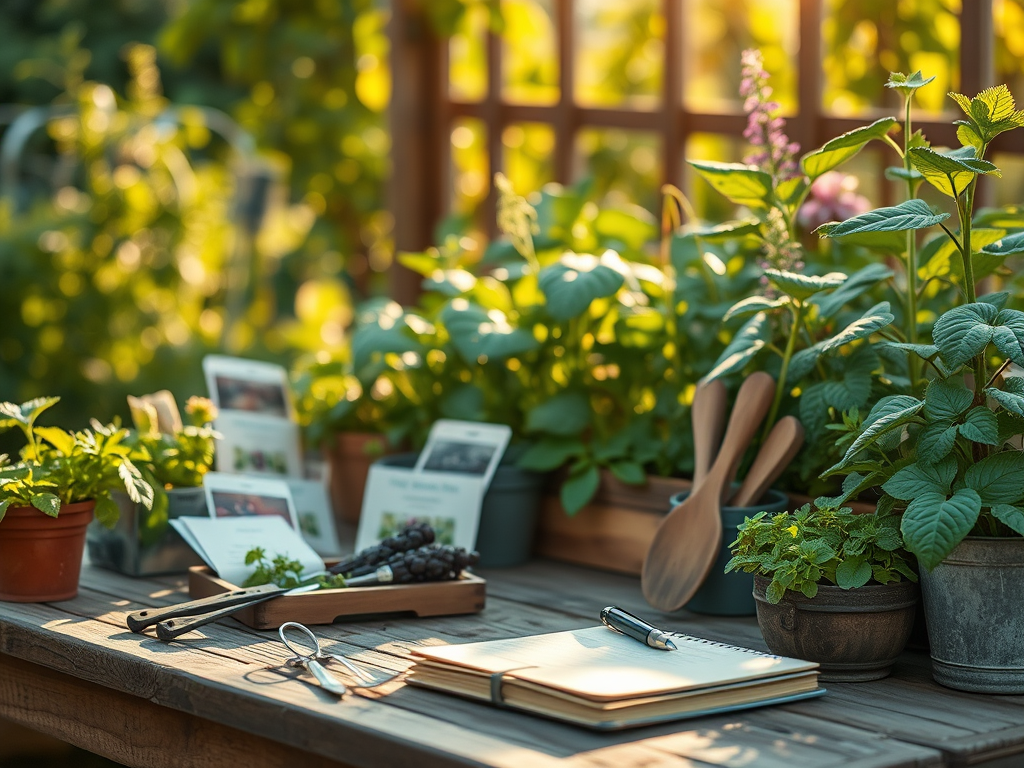
1. Reflect on the Previous Growing Season
Before diving into your winter garden plans, take some time to reflect on the successes and challenges of your previous growing season. This reflection will help you make informed decisions for the next year. Consider the following questions:
- Which crops performed the best? Were there any that struggled?
- What pest or disease issues did you encounter, and how did you handle them?
- Did you find yourself needing more space for certain plants or feeling like others crowded the garden?
By reflecting on your past experiences, you’ll have a clearer idea of what changes to make in your next garden plan, whether it’s altering the layout, planting more of your favorite crops, or experimenting with new pest management strategies.
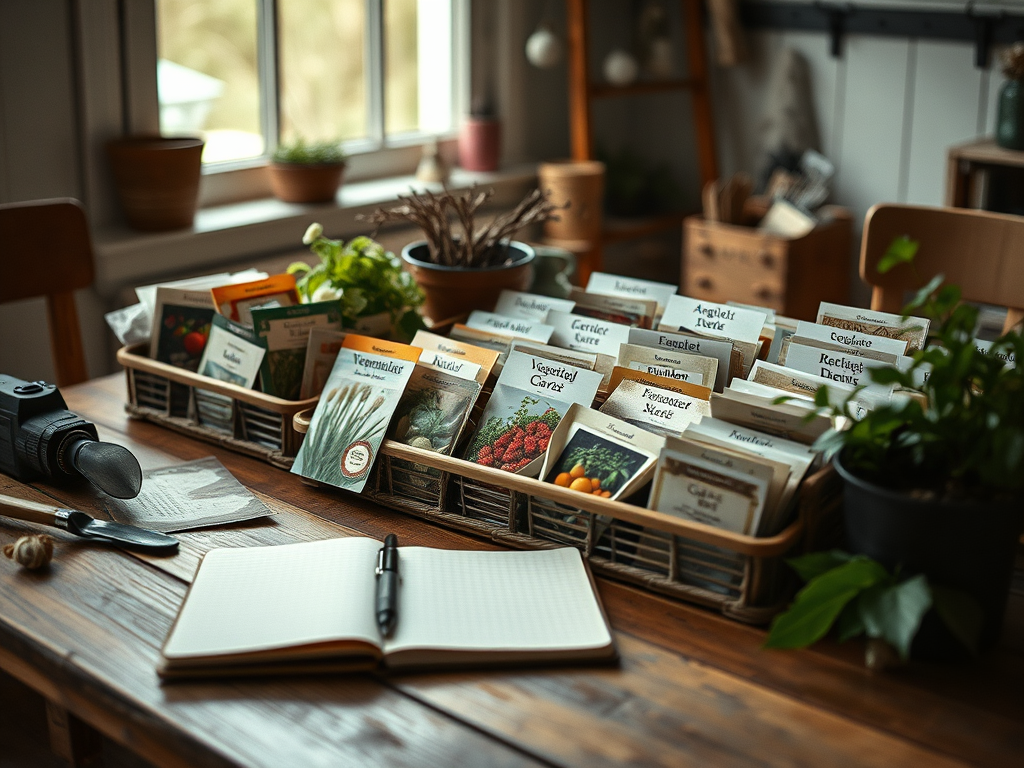
2. Organize and Inventory Your Seeds
One of the best ways to spend a cozy winter day is by sorting through your seed collection. Organizing your seeds helps you get a sense of what you already have on hand and what you’ll need to purchase for the upcoming season. Here’s how to do it:
- Sort Seeds by Type: Separate seeds by type, such as vegetables, herbs, and flowers. Within each category, group them by species or planting season.
- Check Viability: Seeds lose viability over time, so check the age of your seeds. While most seeds are good for 2-5 years, some, like onions and parsnips, tend to lose their viability more quickly. Perform a quick germination test if you’re unsure about older seeds.
- Make a Seed Wishlist: As you go through your seeds, make note of any varieties you’re running low on or ones you’d like to try this year. This is also a great time to research new seed companies, particularly those that focus on organic or heirloom varieties.
Organizing your seeds in the winter ensures you’re fully prepared when it’s time to start planting in the spring. Plus, it gives you time to hunt down any hard-to-find seeds or pre-order rare varieties.
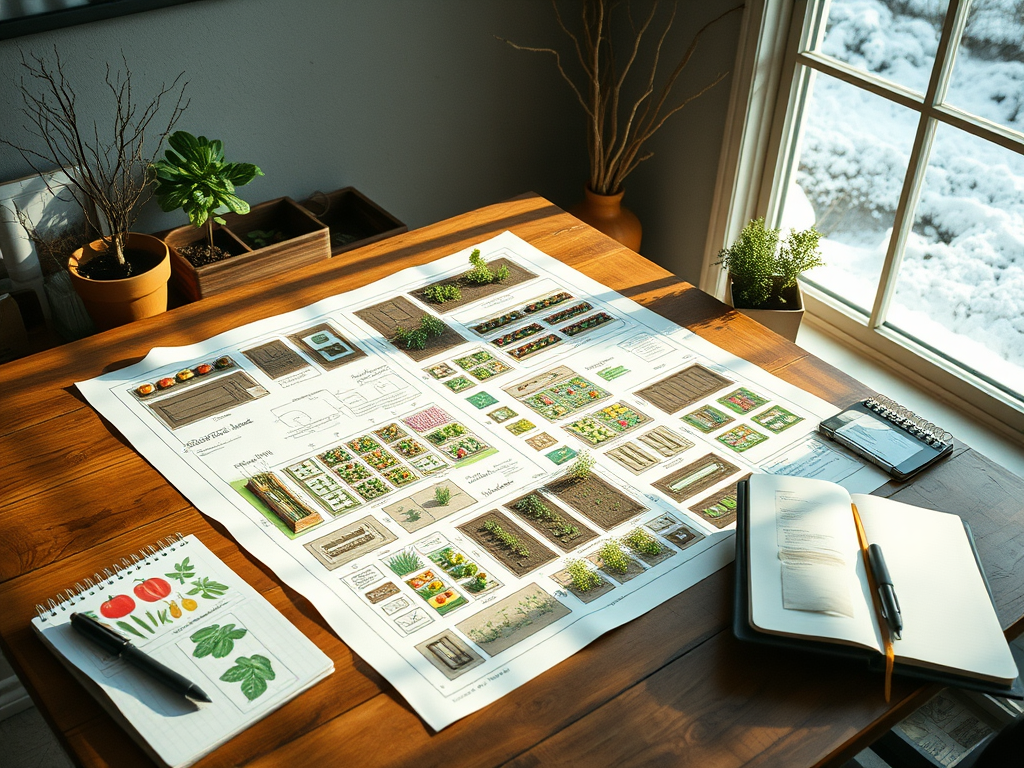
3. Draw a Garden Layout and Plan Your Planting Schedule
Creating a detailed garden layout during the winter months is an excellent way to plan for optimal space utilization and crop placement. Here are some key considerations:
- Measure Your Space: Begin by measuring the size of your garden. Whether you have raised beds, a traditional in-ground garden, or containers, knowing your available space will help you map out where each crop will go.
- Companion Planting: Companion planting is a technique where certain plants are grown together to benefit each other. For example, planting basil next to tomatoes can help repel pests, while legumes can fix nitrogen in the soil for other plants. Research companion planting to find combinations that will help improve your garden’s health.
- Crop Rotation: Crop rotation involves changing the location of crops each year to prevent soil depletion and reduce the likelihood of pests and diseases. Plan your garden with crop rotation in mind, so that no plant is grown in the same spot year after year. For example, if you grew tomatoes in one bed last year, consider planting root crops like carrots or beets in that bed this year.
- Plan for Succession Planting: Succession planting involves planting a second crop after an early-harvested crop to maximize garden space. For example, after harvesting spring peas, you could plant summer greens or beans in the same area.
Mapping out your garden layout in the winter helps you visualize where each plant will go and ensures you’re using your space efficiently.
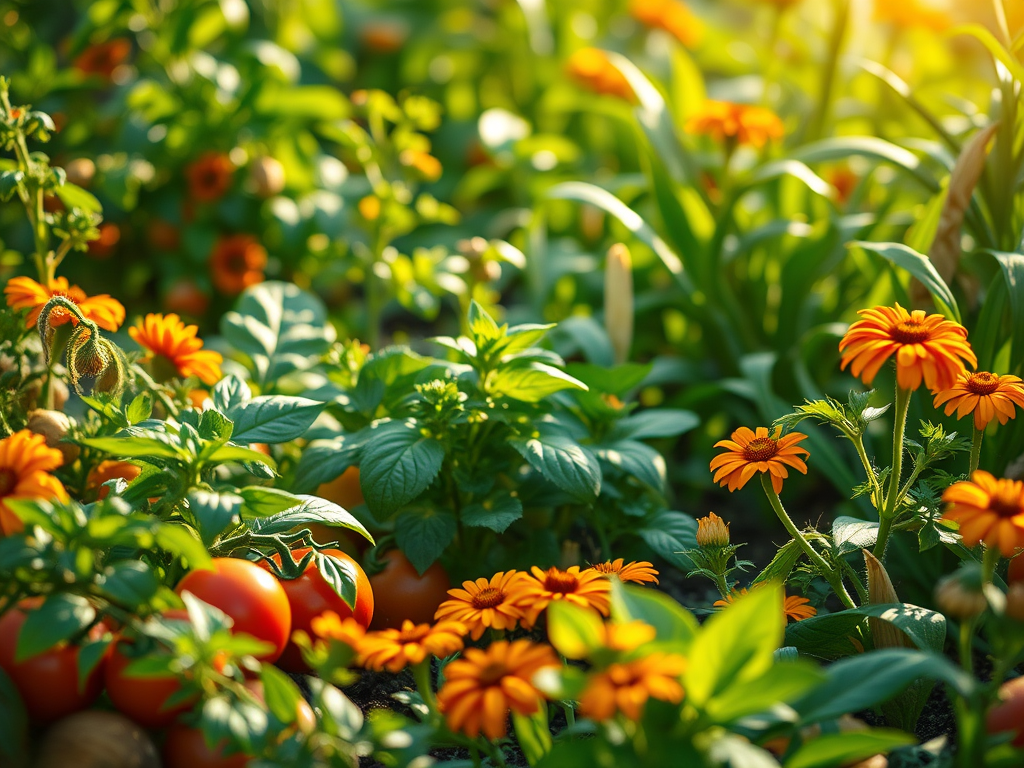
4. Learn About Companion Planting
As you create your garden layout, take some time to study companion planting, a practice that can boost plant health, productivity, and pest resistance. Certain plants thrive when grown together, while others may compete for nutrients or attract harmful pests when placed too close. Understanding these relationships will allow you to create a garden that works in harmony.
Here are some common companion planting pairings:
- Tomatoes and Basil: Not only does basil enhance the flavor of tomatoes, but it also helps repel pests like aphids and whiteflies.
- Carrots and Onions: The strong scent of onions can deter carrot flies, while carrots aerate the soil, which benefits onions.
- Beans and Corn: Beans fix nitrogen in the soil, which corn requires, and the corn provides natural support for climbing bean plants.
- Marigolds with Almost Anything: Marigolds are often planted throughout the garden as a natural pest deterrent. They can help protect tomatoes, beans, and squash from various pests.
5. Prepare Garden Beds for Spring
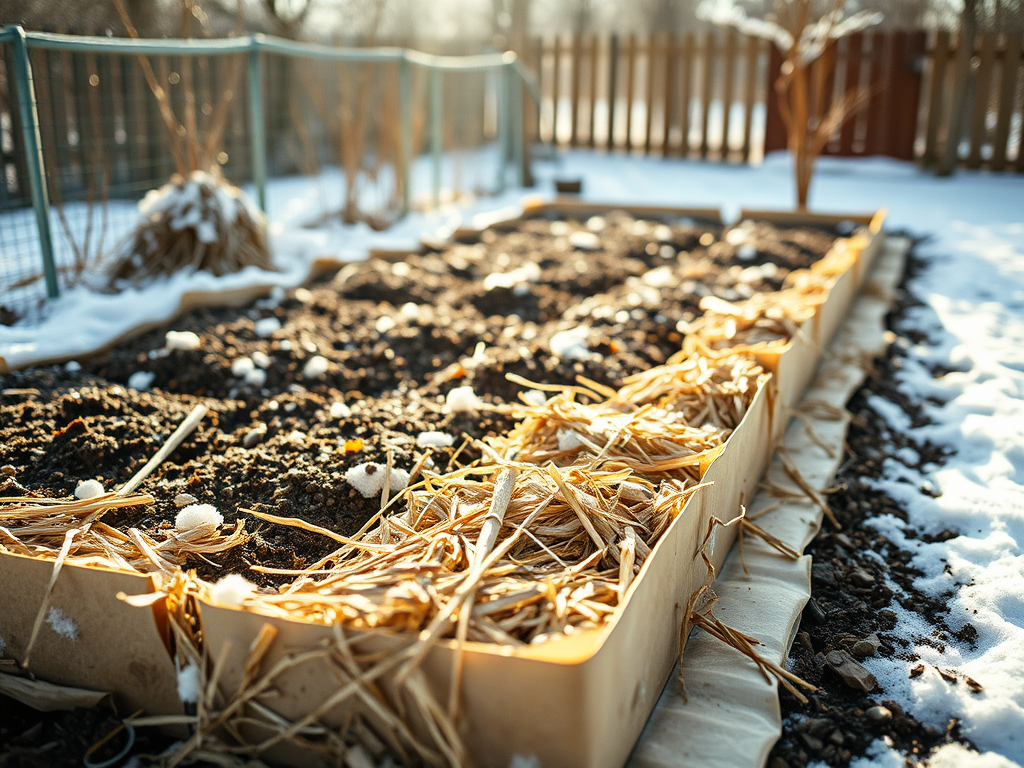
Winter is an excellent time to prepare your garden beds so they’re ready for planting when spring arrives. The more prep work you do now, the smoother your planting season will be.
Mulching
If you haven’t already mulched your garden beds for winter, now is the time. Mulch provides insulation to the soil, helps retain moisture, and suppresses weeds. In the spring, mulch can also be turned into the soil to improve its structure and fertility.
Add Organic Matter
Winter is the perfect time to add organic matter, such as compost or well-rotted manure, to your garden beds. This will decompose over the winter, enriching the soil with nutrients by spring.
Sheet Mulching (Lasagna Gardening)
If you’re planning to expand your garden, try sheet mulching over the winter. Lay down cardboard or newspaper to smother grass and weeds, then layer organic materials like compost, straw, and leaves. By spring, you’ll have rich, weed-free soil ready for planting.

6. Invest in Learning: Books, Workshops, and Classes
Winter is the time to nourish your mind while the garden sleeps. Use the downtime to expand your gardening knowledge and try new techniques. Here are a few ways to learn more:
- Read Gardening Books: Whether you’re learning about permaculture, organic gardening, or the intricacies of seed saving, winter is the perfect time to dive into books. Pick a few that cover areas where you’d like to grow your knowledge.
- Take Online Gardening Courses: Many universities and gardening organizations offer online courses on topics ranging from soil science to advanced vegetable growing. Find a course that piques your interest and invest in your gardening education.
- Attend Gardening Workshops or Conferences: If you have the chance, look for local workshops or virtual conferences. Many homesteading or gardening organizations host winter events that dive into practical topics, offering new perspectives and strategies.
By using the winter months to sharpen your skills and expand your knowledge, you’ll be well-prepared to apply new techniques in the upcoming growing season.
7. Explore New Plant Varieties
Winter is the ideal time to browse through seed catalogs and experiment with new plant varieties. Whether you want to try heirloom tomatoes, unique herbs, or unusual root vegetables, winter is the time to dream and plan. If you’ve always planted the same varieties, challenge yourself to try something new. Not only can this keep gardening exciting, but it can also help improve the biodiversity of your garden.
Heirloom Varieties
Consider growing heirloom varieties, which are often more flavorful and genetically diverse than commercial hybrids. Many seed companies offer heirloom seeds with fascinating histories and unique characteristics.
Cold-Hardy Crops
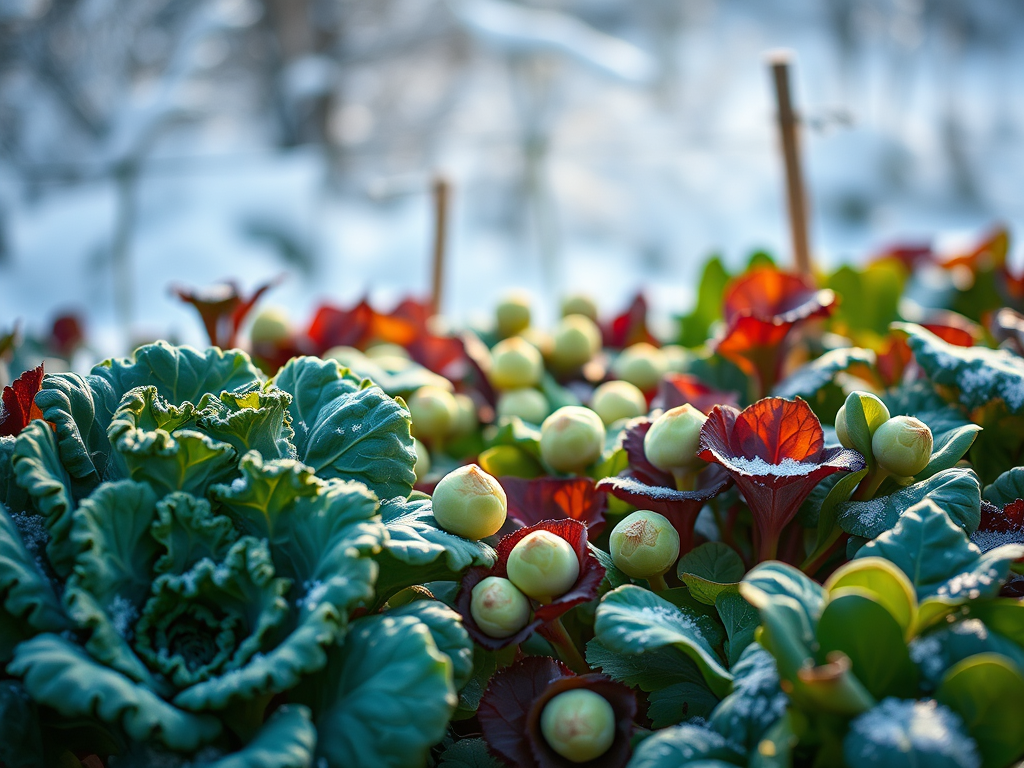
If you want to extend your growing season into the colder months, look into cold-hardy crops like kale, Brussels sprouts, or spinach. These crops can be planted in late summer or early fall and harvested well into winter with the right protection.

8. Organize and Clean Your Tools
Winter is also a great time to take stock of your gardening tools. Clean and sharpen your pruners, spades, and trowels to ensure they’re in top shape for spring. If any tools are damaged or rusted, now is the time to repair or replace them. Keeping your tools well-maintained will make your gardening tasks more efficient and enjoyable.
Final Thoughts
While your garden may be at rest during the winter months, there’s still plenty of work to be done. From reflecting on past seasons and organizing your seeds to preparing your garden beds and expanding your gardening knowledge, winter offers the perfect opportunity to plan for the future. Thoughtful winter garden planning ensures that when spring finally arrives, you’ll be ready to hit the ground running.
So, grab a cup of tea, settle in with your seed catalogs, and dream big about the growing season ahead—spring will be here before you know it!
