

The Winter Solstice, a time of both deep reflection and joyous celebration, marks the longest night and the return of the light. It’s a day steeped in ancient tradition and spiritual significance, celebrated by cultures around the world for centuries. As the darkest day of the year gives way to longer, lighter days ahead, we are invited to pause, reflect, and honor both the darkness and the light within our lives and the natural world.
The magic of the Winter Solstice lies in its contrast: the celebration of stillness, yet the promise of renewal. From ancient pagan traditions to modern-day rituals, this day offers us a chance to reconnect with the rhythms of nature, celebrate our blessings, and prepare for the rebirth of the sun. In this article, we’ll explore the rich history of the Winter Solstice and offer ideas on how you can celebrate it in harmony with nature.
A Brief History of Winter Solstice Celebrations
Winter Solstice celebrations date back thousands of years, rooted in pagan traditions across many cultures. Long before the advent of modern religion and culture, humans marked this celestial event with reverence and joy. The Winter Solstice has always represented a turning point, a time to celebrate the triumph of light over darkness.

Pagan Traditions:
In many pagan cultures, the Winter Solstice was seen as the rebirth of the sun. The ancient Celts celebrated Yule, a festival marking the return of the light. Yule logs were burned to honor the sun and encourage its return. The ashes from the Yule log were scattered across fields to ensure fertility and good crops in the coming year.
In Norse mythology, Yule is connected to the Wild Hunt, a ghostly procession across the night sky. The burning of Yule logs and candles symbolized the warmth and life-giving power of the sun, while also serving as protection from dark spirits during the longest night.
The ancient Romans celebrated Saturnalia, a festival dedicated to Saturn, the god of agriculture. This week-long event involved feasting, gift-giving, and merriment. During Saturnalia, social norms were overturned: masters served their slaves, and everyone participated in the festivities.

Indigenous Celebrations:
For many Indigenous peoples, the Winter Solstice is a time to honor ancestors and express gratitude for the natural world. The Hopi, a Native American tribe from the southwestern United States, celebrate Soyal, a festival that welcomes the return of the sun. During this time, the Hopi hold ceremonies and rituals that involve dancing, feasting, and offerings to the sun and earth to ensure fertility and growth in the coming year.
Modern Celebrations:
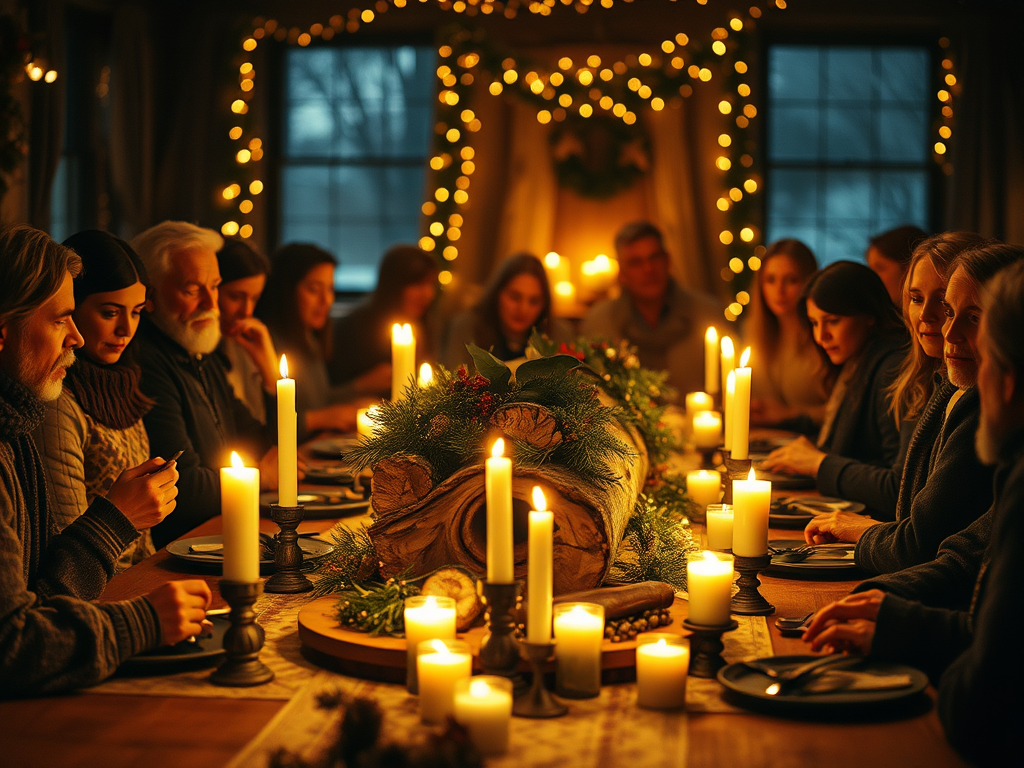
Today, many of these ancient traditions are still celebrated, often intertwined with contemporary holidays like Christmas. Yule logs have become symbolic, and candles are still lit to welcome the return of the light. Winter Solstice gatherings often include feasts, storytelling, and rituals that honor both the darkness of the night and the promise of the sun’s rebirth.
Honoring the Dark and the Light: Winter Solstice Rituals
Winter Solstice offers a time to embrace both the darkness and the light within ourselves and our environment. It’s a chance to reflect on the passing year and set intentions for the year to come. Here are some beautiful ways to honor the Winter Solstice and celebrate in harmony with nature.

1. Create a Winter Solstice Altar
An altar is a powerful way to create a sacred space and honor the solstice. A Winter Solstice altar can symbolize the balance between the dark and the light, offering a space for reflection, gratitude, and intention setting.
To create your altar:
- Gather Natural Elements: Collect items from nature, such as pinecones, evergreen branches, holly, mistletoe, stones, or crystals. These items symbolize the earth’s resilience and strength, even in the face of winter’s darkness.
- Add Candles: Candles represent the return of the light. Place candles of different sizes and colors on your altar to signify the growing sunlight.
- Symbols of the Sun: Consider adding items that symbolize the sun’s return, such as gold objects, oranges, or solar symbols. These represent the warmth and vitality the sun brings with its return.
- Personal Touches: Add meaningful items that resonate with you personally, whether it’s family heirlooms, special trinkets, or written intentions for the coming year. Your altar is a space for your unique connection to the solstice and the universe.
Once your altar is set, spend time reflecting at it on the Winter Solstice. Light the candles, meditate, or simply sit in stillness, honoring both the darkness of the longest night and the light that will soon return.

2. Lighting Rituals: Embrace the Glow
One of the simplest and most beautiful ways to celebrate the Winter Solstice is through a lighting ritual. Whether with a single candle or a full bonfire, light represents the rebirth of the sun, and lighting rituals are symbolic of welcoming that warmth back into our lives.
- Candle Lighting: Gather family and friends for a candle-lighting ceremony. You can light one candle in silence, reflecting on what the return of the sun means to you, or have each person light their own candle, sharing gratitude for the past year and intentions for the coming one.
- Outdoor Bonfire: If weather permits, consider hosting a solstice bonfire. The crackling of wood, the warmth of the fire, and the glow against the dark night sky create a magical atmosphere. This can be a moment to gather with loved ones, share stories, and celebrate the return of light.
- Lantern Walk: For a more intimate experience, take a lantern walk through your yard or nearby park. As you walk, notice the quiet of the dark winter night, the twinkling stars, and the crisp air. The lantern’s soft glow symbolizes your connection to the light even during the darkest times.

3. Host a Solstice Feast with Local Foods
What better way to celebrate the season than with a nourishing solstice feast? In line with sustainable living, focus on seasonal, local foods that honor the earth’s gifts during the winter months.
- Solstice Soup: Create a hearty soup using winter vegetables like potatoes, carrots, leeks, and kale. Root vegetables are especially symbolic of the season, as they thrive underground, hidden from the cold.
- Baked Goods: Bake bread or pies using local grains and fruits. Incorporating ingredients like apples, pumpkins, and cranberries into your dishes is a delicious way to connect to the season’s bounty.
- Herbal Teas: Brew warm teas using seasonal herbs such as cinnamon, peppermint, and rosemary. Not only are these herbs flavorful, but they’re also known for their warming and healing properties during the cold winter months.
- Potluck with Loved Ones: Invite friends and family to contribute dishes made with local foods, and come together for a solstice feast. As you eat, give thanks for the abundance and share stories of gratitude.
A solstice feast can be more than just a meal – it’s a celebration of the cycles of nature and the simple joys of gathering with loved ones during the darkest time of the year.
4. Craft Winter Solstice Decorations from Nature
Embrace the beauty of winter by crafting decorations from natural elements. This activity not only brings the outdoors into your home, but also deepens your connection to the earth during this time of reflection.
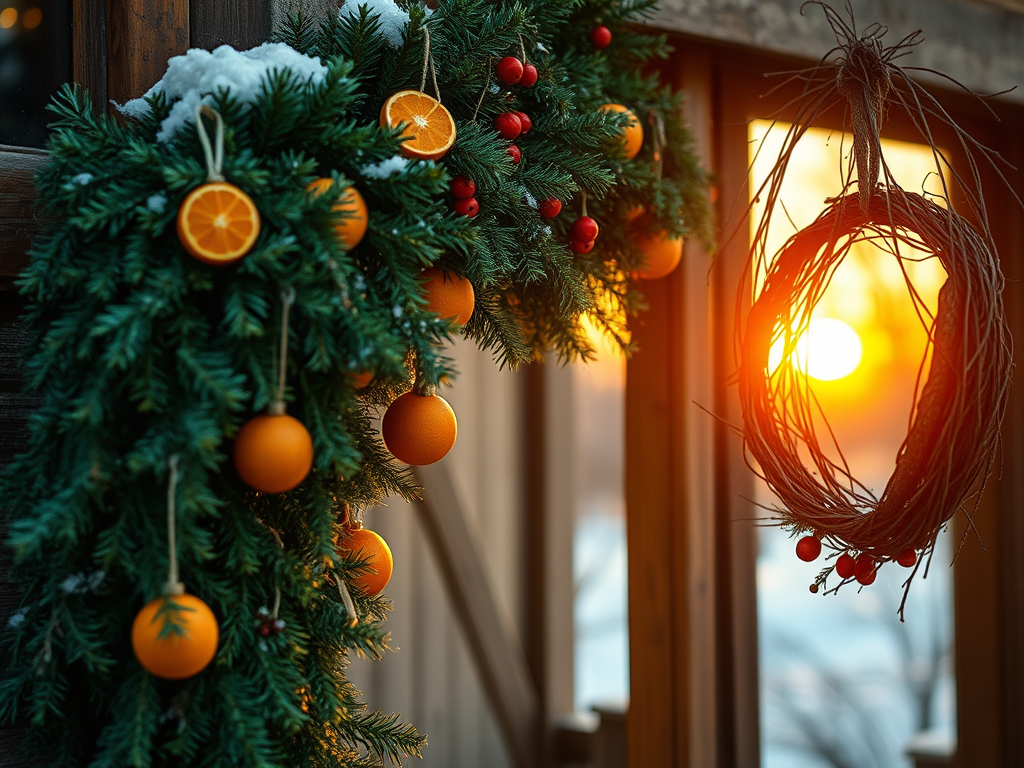
- Evergreen Garlands: Gather branches of evergreen trees such as pine, cedar, or fir, and create garlands to hang around your home. Evergreens are symbols of eternal life, reminding us that life continues even in the coldest months.
- Orange Slice Ornaments: Slice oranges thinly, and dry them in the oven. These bright, citrusy ornaments represent the return of the sun and can be hung on trees or strung into garlands.
- Wreath Making: Craft a winter wreath using twigs, berries, and leaves. This circular decoration symbolizes the cyclical nature of life and the balance between darkness and light. Hang it on your front door to welcome in the winter season.

5. Set Solstice Intentions for the Year Ahead
As we celebrate the Winter Solstice, it’s the perfect time to reflect on the past year and set intentions for the new one. This ritual doesn’t need to be complicated – it’s about being mindful of what you wish to carry forward and what you want to leave behind.
- Reflection Journaling: Take time to journal about the highs and lows of the year. What have you learned? What are you grateful for? Writing these reflections helps you process the past year and prepare mentally and spiritually for the one ahead.
- Setting Intentions: After reflecting, write down your goals and intentions for the new year. These don’t have to be traditional “resolutions” but can be values you want to embody or areas where you want to grow. Place these written intentions on your altar or keep them somewhere you can revisit them throughout the year.

6. Honor Nature’s Rhythms with Solstice Gratitude
Winter Solstice is a time to give thanks for the earth’s gifts, even in the coldest and darkest of times. Consider honoring nature through acts of gratitude:
- Gratitude Walk: Take a slow walk in nature, paying attention to the beauty of winter. Whether it’s the sparkle of frost on the grass or the stillness of the bare trees, acknowledge the quiet beauty of this time of year.
- Offerings to Nature: Leave an offering of food for wildlife, such as seeds or nuts. This simple act is a way of giving back to the earth and its creatures during the harsh winter months.
Final Thoughts
The Winter Solstice is a time of magic, reflection, and renewal. Whether you choose to honor it through ancient rituals, modern celebrations, or a combination of both, the solstice offers an opportunity to connect with nature, celebrate the return of the light, and find joy in the darkness.
By embracing traditions that honor the balance between dark and light, we can create meaningful celebrations that nourish both the earth and our souls. This Winter Solstice, take the time to pause, reflect, and celebrate the simple yet profound rhythms of nature. Let the magic of this season fill your heart and home with warmth, gratitude, and light.
