

The Thanksgiving feast is a beloved tradition, bringing family and friends together for a meal filled with joy and gratitude. However, once the dishes are cleared and the leftovers are packed away, the task of cleaning up can feel overwhelming—and it often comes with a lot of waste. Between disposable tableware, uneaten food, and packaging, the post-holiday clean-up can have a significant environmental impact.
But fear not! With a bit of mindfulness and sustainable planning, you can clean up after the holiday festivities in a way that reduces waste, supports the environment, and even makes use of those delicious leftovers. This guide will help you embrace eco-friendly habits during the holiday season and beyond, transforming your clean-up process into a thoughtful, earth-conscious routine.

1. Skip the Single-Use: Embrace Reusable Tableware
One of the simplest and most impactful ways to reduce waste during the holiday clean-up is to avoid single-use items altogether. Disposable plates, cups, napkins, and utensils are convenient, but they contribute heavily to landfills and often come wrapped in plastic.
- Use real dishes and cutlery: Opt for ceramic plates, metal utensils, and cloth napkins instead of disposable options. Not only do they look more elegant, but they also prevent piles of waste. If you’re worried about the clean-up, enlist the help of guests to wash and dry dishes, making it part of the celebration.
- Borrow or rent if needed: If you don’t have enough dishes to serve everyone, consider borrowing extra tableware from friends or family. Alternatively, some local businesses offer eco-friendly rentals for events, providing reusable dishes that are returned and cleaned.
- Compostable alternatives: If using real dishes is simply not feasible for your gathering, choose compostable or biodegradable options made from materials like bamboo, palm leaf, or recycled paper. Be sure to compost them properly after use to minimize their environmental impact.

2. Get Creative with Leftovers
One of the joys of Thanksgiving is enjoying leftovers for days after the feast. However, it’s easy to overestimate how much food you need, resulting in waste if those extras don’t get eaten. With a little creativity, you can repurpose those leftovers into delicious new meals that the whole family will enjoy.
- Turkey transformation: Turkey is the centerpiece of most Thanksgiving meals, but it doesn’t need to be relegated to sandwiches. Try making turkey soup, turkey pot pie, or turkey tacos to stretch that bird into several more meals.
- Mash-up magic: Leftover mashed potatoes can be transformed into potato pancakes or used to thicken soups and stews. Sweet potatoes can become a filling for casseroles or pies, while stuffing can be mixed with eggs to make a savory breakfast bake.
- Freeze for later: If you don’t want to eat all the leftovers right away, freeze them in portioned containers. Many Thanksgiving dishes, including casseroles and soups, freeze well and can provide an easy meal on a busy day in the future.
- Share with guests: Send guests home with their own portion of leftovers. Using reusable containers, encourage them to take a bit of everything home, ensuring that none of the food goes to waste.
3. Mindful Food Storage
Storing your leftovers sustainably is another opportunity to reduce waste. Instead of reaching for plastic wrap or aluminum foil, consider these eco-friendly alternatives:
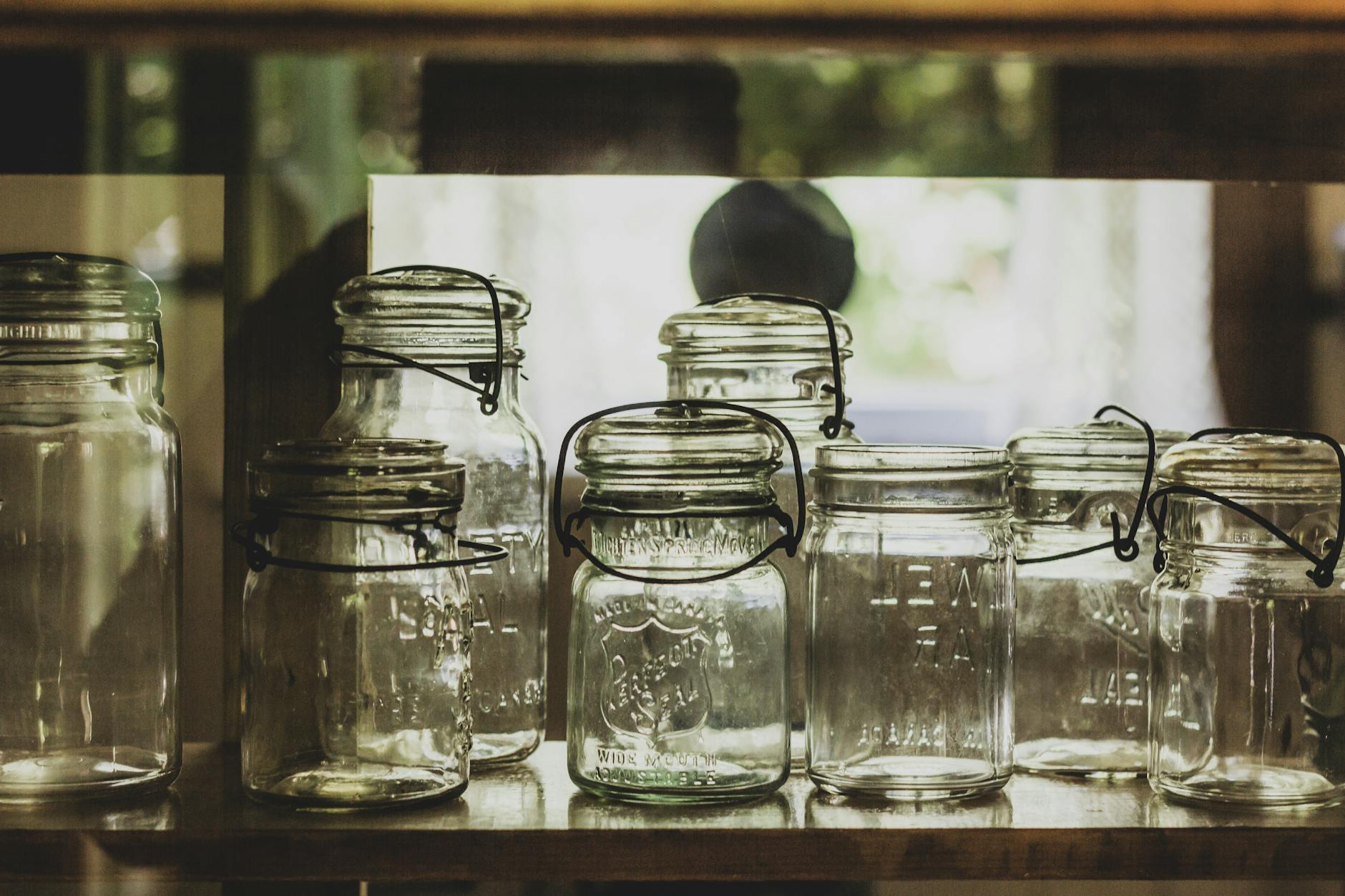
- Glass containers: Glass storage containers are durable, reusable, and free of harmful chemicals like BPA. They’re perfect for storing leftovers, and many are oven-safe, allowing for easy reheating.
- Beeswax wraps: If you need to cover dishes or wrap small portions of food, beeswax wraps are a natural alternative to plastic wrap. They’re reusable, washable, and compostable, making them a versatile kitchen tool.
- Reusable silicone bags: For smaller items like sliced vegetables or rolls, reusable silicone bags are a great option. They’re airtight, easy to clean, and can be used for freezing food as well.
- Label and organize: Keep your fridge organized by labeling containers with the date they were stored. This helps you keep track of what needs to be eaten first, preventing food from going bad and reducing waste.
4. Compost Food Scraps
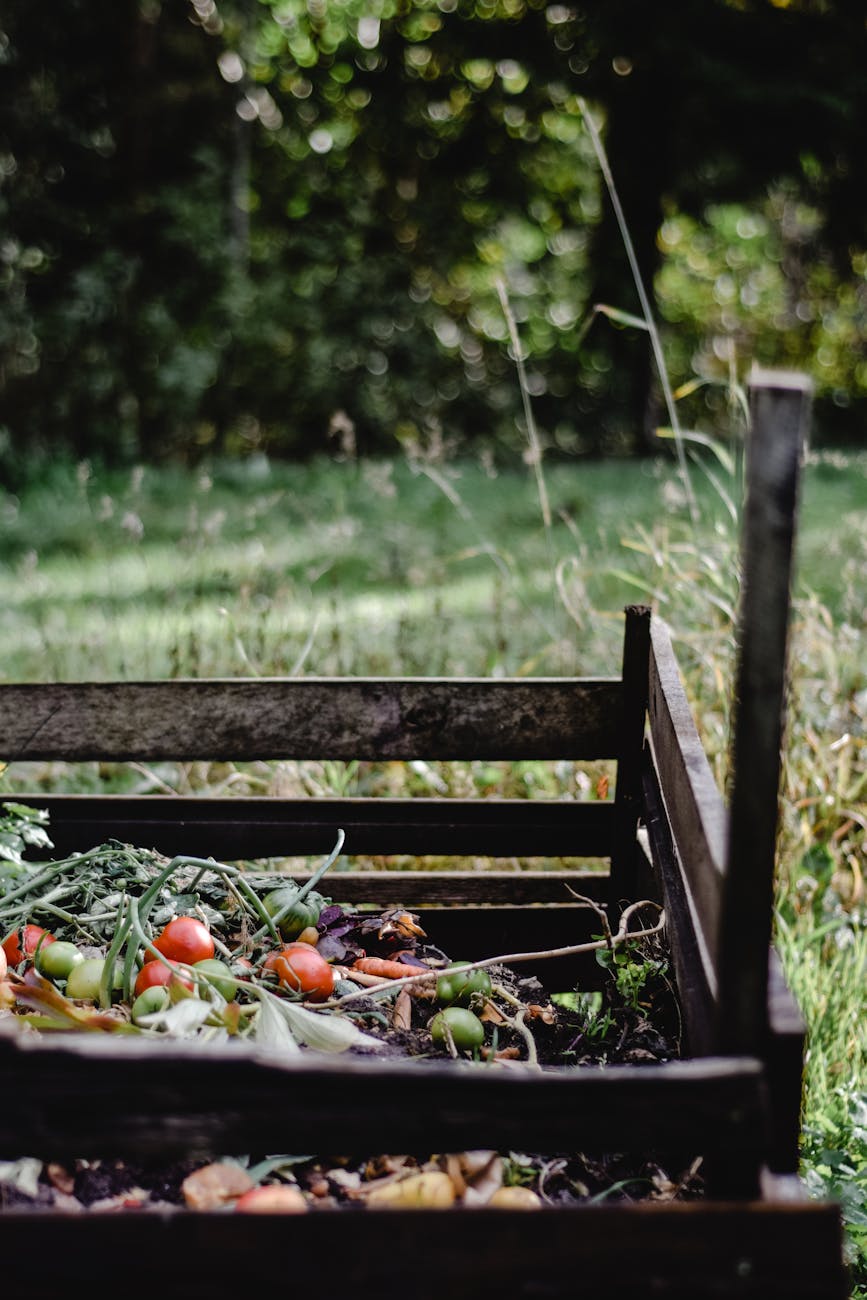
Inevitably, there will be some food that can’t be eaten—peelings, bones, and other scraps. Instead of throwing these away, compost them to create nutrient-rich soil for your garden. Composting not only reduces the amount of waste going to the landfill but also turns organic matter into a valuable resource.
- What can be composted: Fruit and vegetable scraps, coffee grounds, eggshells, and even turkey bones can be composted. Be sure to avoid composting oily foods, dairy products, or large amounts of meat, as these can attract pests and create unpleasant odors.
- Create a compost pile: If you don’t already have a compost system in place, now is a great time to start. You can create a simple compost pile in your yard or use a compost bin to contain the materials. Over time, the organic matter will break down into rich compost that can be used to enrich your garden soil in the spring.
- Feed the animals: Some leftovers, like vegetable scraps and bread, can also be given to farm animals like chickens or pigs. This is a great way to reduce waste while providing your animals with extra nutrition.
5. Eco-Friendly Clean-Up
Cleaning up after a big meal doesn’t have to involve harsh chemicals and wasteful paper towels. With a few simple swaps, you can tidy up your kitchen and dining area in a more sustainable way.
- Use natural cleaning products: Swap out chemical-laden cleaners for natural alternatives. You can make your own cleaning solutions using ingredients like vinegar, baking soda, and lemon juice, or choose eco-friendly brands that prioritize sustainability.
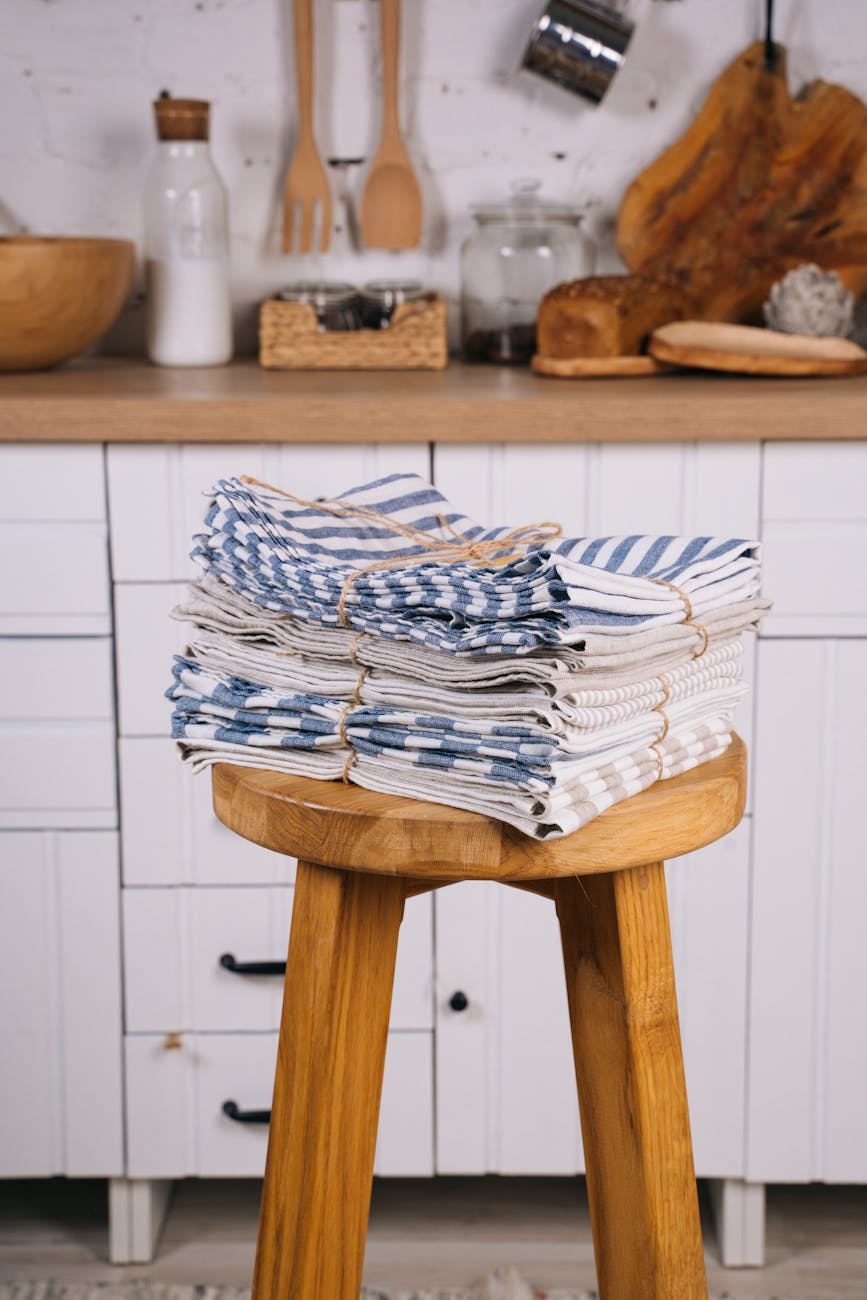
- Reusable cloths: Instead of paper towels, use washable cloths or rags to wipe down surfaces. They can be washed and reused many times, cutting down on paper waste.
- Air-dry your dishes: Skip the energy-consuming dishwasher cycle and opt to air-dry your dishes on a drying rack. If you do use the dishwasher, run it only when full to conserve water and energy.

6. Repurpose and Recycle Decorations
Holiday decorations add warmth and festivity to your gathering, but many store-bought items are made from plastic or other non-recyclable materials. This year, consider more sustainable options that can be reused or recycled after the holiday.
- Natural decor: Use items from nature, like pine cones, branches, or autumn leaves, to decorate your table. These can be composted after the event or saved for next year.
- DIY decorations: Get creative with homemade decorations using recycled materials. You can make candle holders from old jars, napkin rings from twine, or banners from recycled paper. Involve your family in crafting these items, making the decoration process part of your celebration.
- Store for next year: Invest in quality decorations that can be used year after year, rather than disposable items. Store them carefully, so they last for many holidays to come.
7. Carry the Sustainable Spirit Forward
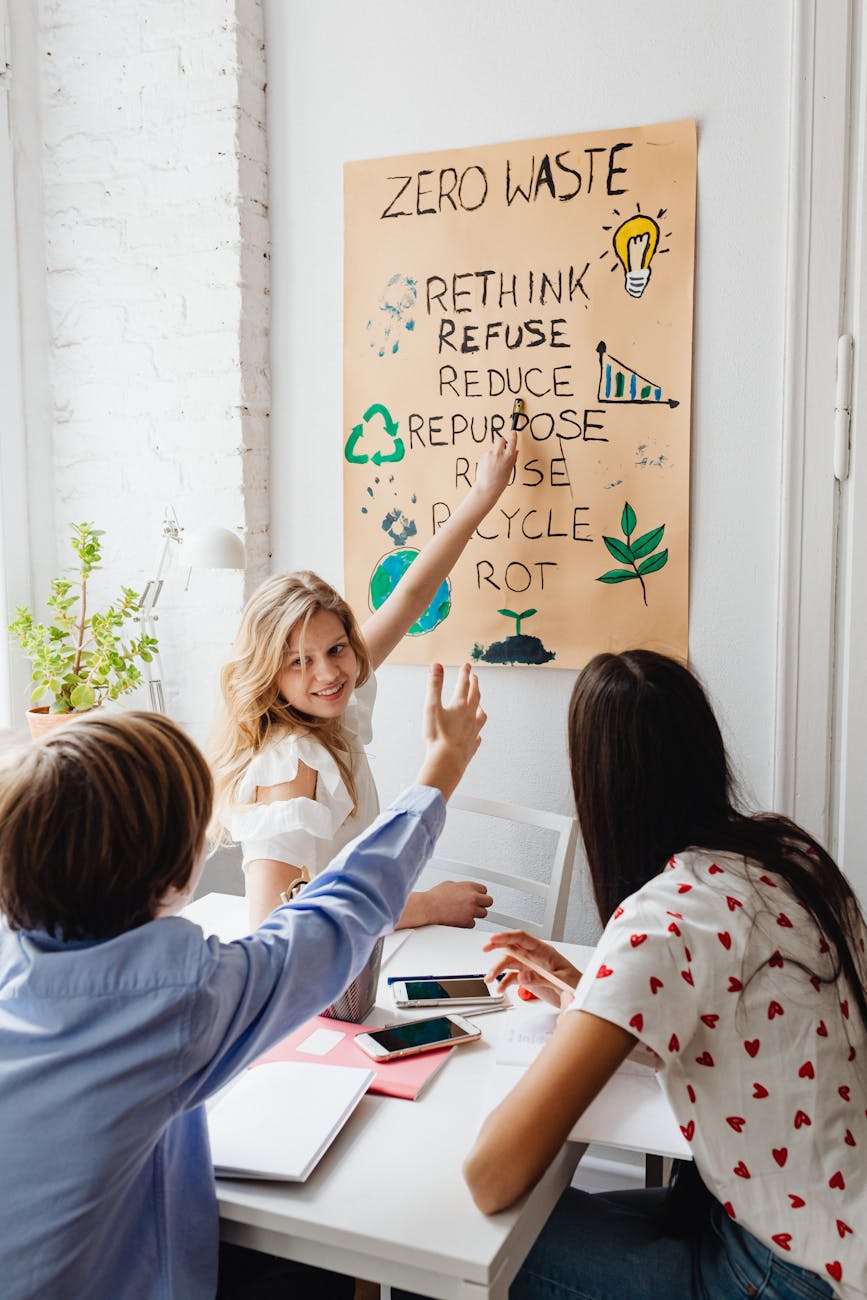
While Thanksgiving is a special time to focus on sustainability, the eco-friendly habits you develop during the holiday can easily be carried forward into your everyday life. By making mindful choices—whether it’s how you store food, what cleaning products you use, or how you minimize waste—you’ll contribute to a more sustainable, healthier environment.
- Set sustainability goals: As you reflect on the holiday season, consider setting new sustainability goals for the year ahead. Whether it’s starting a compost system, reducing single-use plastics, or supporting more local businesses, these small changes can have a big impact over time.
Conclusion: A Mindful Holiday Tradition
Thanksgiving is a time for gratitude, and by embracing a sustainable approach to your post-feast clean-up, you’re showing appreciation not only for the food on your table but for the Earth that provides it. With simple, thoughtful actions, you can reduce waste, minimize your environmental footprint, and set an example for others to follow.
As you clear the table and tidy up, take a moment to reflect on how small changes can create lasting benefits. By incorporating these sustainable practices into your holiday traditions, you’ll not only protect the planet but also create a meaningful, mindful celebration that your family can cherish for years to come.
