
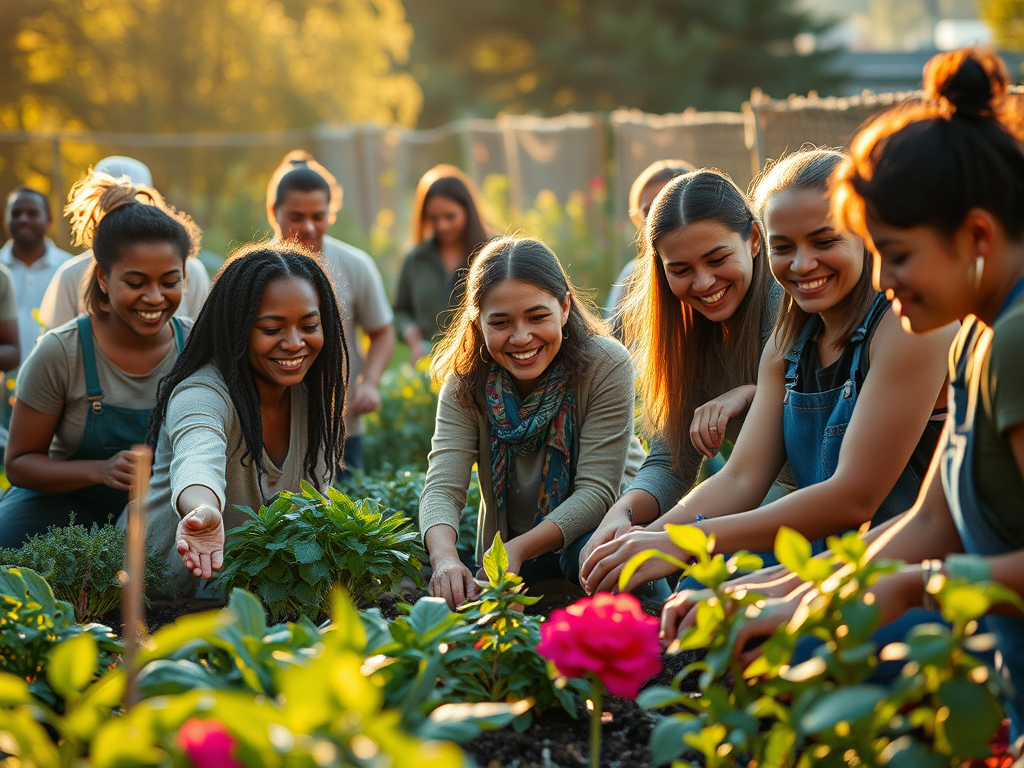
As we gather with family and friends to celebrate Thanksgiving, it’s important to reflect on the deeper meaning of gratitude—something that extends beyond the dinner table. While it’s easy to focus on the delicious feasts and the festivities, this season is also a wonderful opportunity to give back to the community and the environment in meaningful ways. Acts of gratitude not only help those around us, but they also foster a deeper connection to the Earth and a sense of belonging within our local communities.
This article highlights some simple, impactful ways to give back, rooted in sustainability and mindful living. Whether it’s supporting local farmers, volunteering in community projects, or reducing food waste, these acts of kindness can be carried with us throughout the entire year, not just the holiday season.
1. Support Local Farmers and Businesses
One of the most direct ways to give back is by supporting local farmers and small businesses. Shopping locally not only boosts the economy in your area but also reduces the carbon footprint associated with transporting goods over long distances. Consider purchasing your Thanksgiving ingredients from nearby farmers’ markets or participating in community-supported agriculture (CSA) programs.
- Visit a local farm or market: Whether you’re buying fresh eggs, produce, or artisanal goods, your purchases directly support the farmers who work hard to provide sustainable, high-quality food. You’re also building a connection with the people who grow your food, reinforcing a deeper relationship with the land.
- Consider farm-to-table gifts: Instead of relying on mass-produced holiday presents, you can give loved ones something special from local artisans or farmers. Homemade preserves, honey, or hand-crafted goods can show thoughtfulness while also supporting small-scale producers.
2. Volunteer at a Food Bank or Shelter
Thanksgiving is a time to ensure that everyone in the community has access to food and basic needs. Volunteering at a local food bank, soup kitchen, or homeless shelter can make a significant difference in someone’s life, especially as the colder months approach. Whether it’s sorting donations, preparing meals, or serving food, your time and energy can help alleviate hunger for many individuals and families.
- Food rescue programs: In many communities, food rescue programs collect surplus food from grocery stores, restaurants, or individuals to redistribute it to those in need. Volunteering for a local food rescue initiative can help prevent food waste while ensuring that nutritious food reaches those who need it most.
3. Donate to a Local Charity or Environmental Cause
Monetary donations to local organizations can also have a far-reaching impact, especially those focused on environmental sustainability or community support. From wildlife conservation efforts to urban gardening projects, there are many causes that rely on community support to keep running.
- Planting trees or sponsoring native plants: Many conservation organizations work to restore local ecosystems by planting trees, protecting natural habitats, or supporting pollinators. Your donation can contribute to these vital efforts, ensuring that wildlife and green spaces continue to thrive in your region.
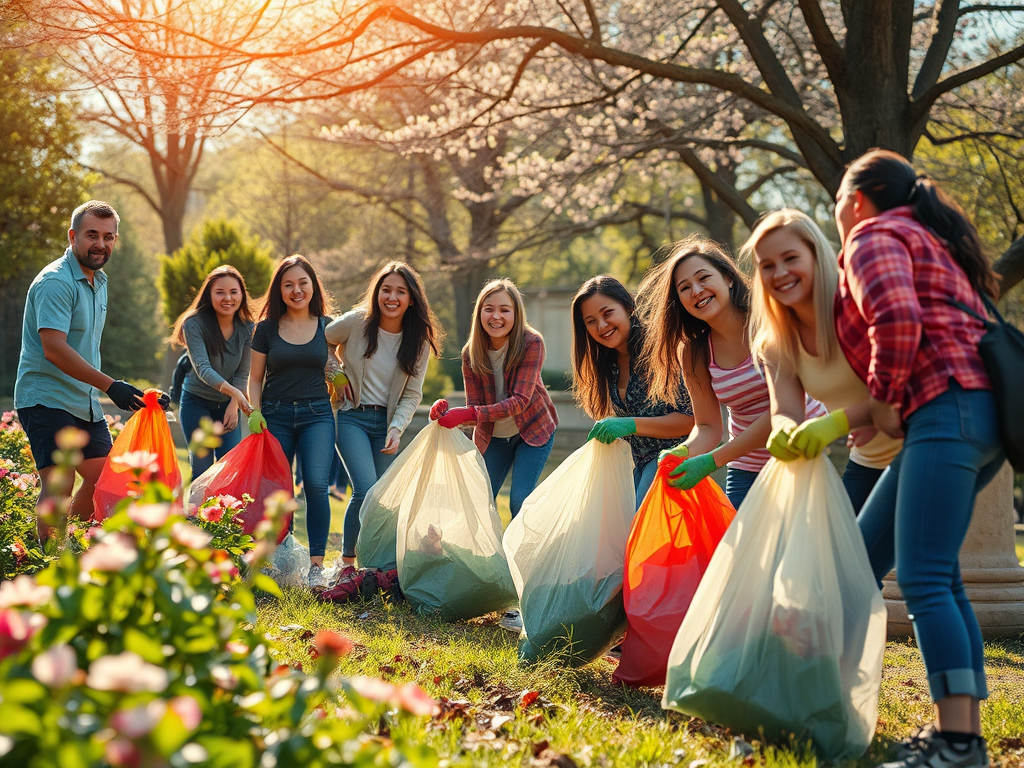
4. Organize a Neighborhood Clean-Up
Nothing says community spirit quite like gathering your neighbors for a clean-up event. Whether it’s in your neighborhood, at a local park, or along the riverbank, cleaning up public spaces ensures that everyone can enjoy the outdoors while protecting wildlife from litter and pollution.
- Host a “Green Thanksgiving” walk: After your holiday meal, organize a nature walk in your community where participants collect litter along the way. It’s a mindful way to connect with nature, enjoy the post-meal glow, and give back to the environment by leaving it better than you found it.
5. Reduce Food Waste
While Thanksgiving is known for its abundant feasts, much of that food often ends up in the trash. You can make a difference by practicing mindful meal planning, using leftovers creatively, and composting food scraps to enrich your garden soil.
- Composting: Instead of tossing food scraps into the garbage, start a compost pile where vegetable peels, coffee grounds, and other organic waste can break down into nutrient-rich compost. Not only does this reduce landfill waste, but it also creates a valuable resource for your garden.
- Repurpose leftovers: Transform leftover turkey, mashed potatoes, and cranberry sauce into new meals to extend the life of your Thanksgiving feast. You can make turkey soups, casseroles, or even creative sandwiches while avoiding food waste and maximizing the resources you already have.
6. Support Local Wildlife
As winter approaches, local wildlife often faces challenges in finding food, water, and shelter. Creating small wildlife sanctuaries in your yard or neighborhood can help birds, squirrels, and other creatures survive the colder months.
- Set up bird feeders: Use a bird feeder to provide essential nourishment to local bird species. Opt for natural, chemical-free seeds and offer a consistent food supply during the winter.
- Build winter shelters: Create safe havens for animals like birds, rabbits, or hedgehogs by building shelters out of leaves, logs, or brush piles. These simple structures provide a warm place for animals to hibernate or take refuge from the elements.
7. Host a Sustainable Friendsgiving or Community Meal
Rather than focusing solely on family gatherings, consider hosting a sustainable Friendsgiving or a community meal where you encourage guests to bring locally sourced dishes. This creates a sense of togetherness, promotes local food systems, and reduces reliance on mass-produced, packaged products.
- Potluck with a purpose: Encourage your guests to bring homemade dishes using local, organic ingredients. You can even use this as an opportunity to share sustainable practices, like using reusable tableware or serving farm-fresh eggs from Huckleberry Farms.
- Mindful decor: Decorate your gathering with sustainable materials like hand-picked wildflowers, dried herbs, or recycled paper. Avoid single-use plastics, and opt for natural elements that can either be composted or reused year after year.

8. Engage in Acts of Kindness Year-Round
Acts of kindness aren’t limited to the holiday season. You can foster a spirit of gratitude and community by engaging in these efforts throughout the year. Whether it’s helping a neighbor in need, volunteering your time, or simply spreading positivity, small actions contribute to a larger culture of giving.
- Random acts of kindness: Practice small gestures like leaving notes of encouragement for a friend, baking a batch of cookies for a neighbor, or donating items to a local charity. These acts remind us that kindness has a ripple effect and fosters connection within our communities.
Final Thoughts: Gratitude in Action
Thanksgiving is more than just a meal—it’s an opportunity to express gratitude by giving back to the Earth and to those around us. Whether you’re volunteering your time, supporting local businesses, or engaging in sustainable practices, your actions can have a profound and lasting impact on your community. Let’s embrace this season of giving with a spirit of mindfulness, compassion, and sustainability, ensuring that our gratitude extends far beyond the holiday table.
