
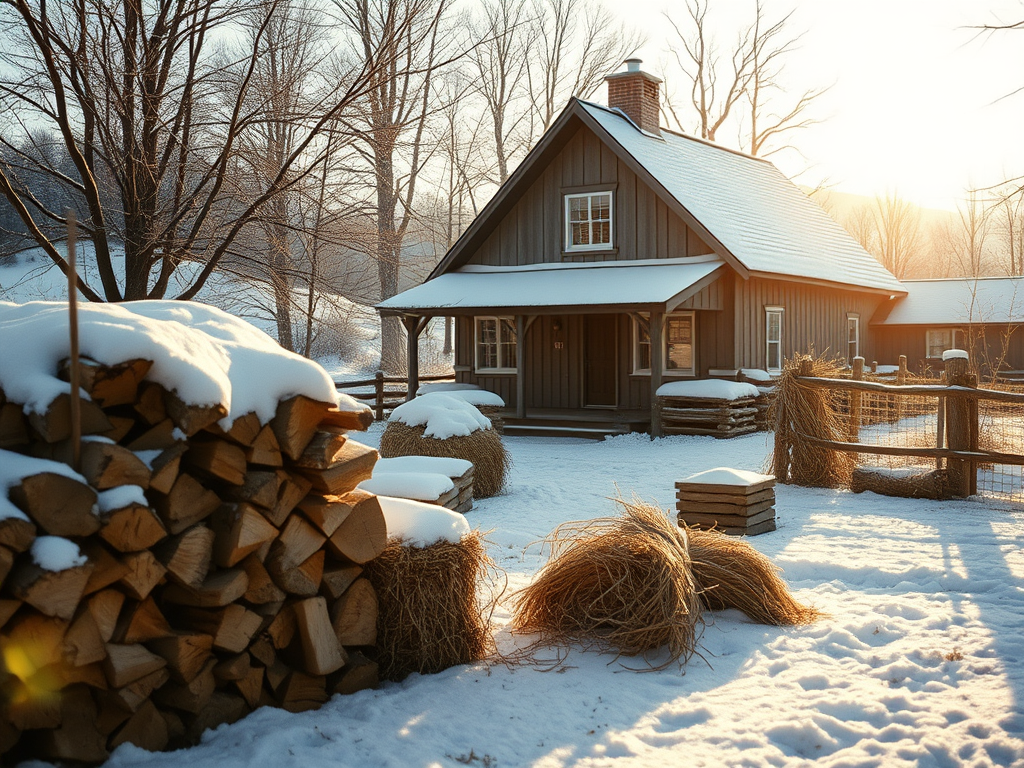
As the golden hues of autumn fade into the crisp air of winter, it’s time to start thinking about how to prepare your homestead for the colder months. Whether you’re a seasoned farmer or just starting on your homesteading journey, winterizing your farm can be both practical and satisfying. It’s a time to take stock of your resources, ensure your animals are protected, and set the stage for spring by tending to your gardens and equipment. Let’s dive into the essentials of winterizing your homestead while keeping things fun and productive!
Insulating Animal Shelters
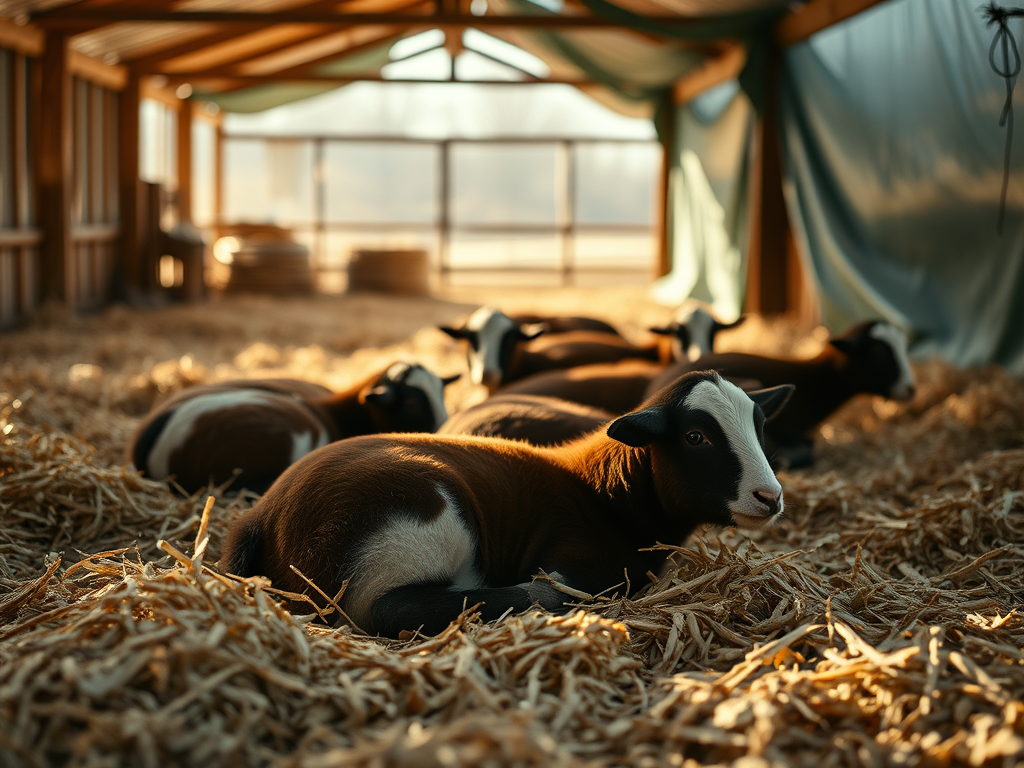
Your animals rely on you to keep them safe and warm through the winter, and one of the most important tasks in preparing your homestead for the cold is making sure their shelters are properly insulated.
Bedding and Insulation
Providing a thick layer of bedding material, such as straw or wood shavings, can make a world of difference in keeping your animals warm. Straw acts as a natural insulator, trapping heat and keeping the ground dry. Deep bedding techniques, where fresh layers are added on top of the old, help generate warmth as the material composts slowly throughout the season. You can use this method for chicken coops, pig pens, and even rabbit hutches.
If your shelters are open or drafty, consider using tarps or windbreaks to block cold gusts, while making sure there’s still adequate ventilation. The key is to balance warmth with fresh air, preventing moisture buildup that can lead to respiratory issues.
Extra Shelter for Extreme Conditions
For homesteads in regions with especially harsh winters, adding heat lamps (safely!!!) or insulated shelters might be necessary. Heated dog houses or simple hoop houses can also double as cozy homes for smaller animals, such as goats and sheep. Just remember to use heat lamps with caution to avoid the risk of fire, and opt for safe, outdoor-rated equipment.
Prepping Garden Beds for Spring
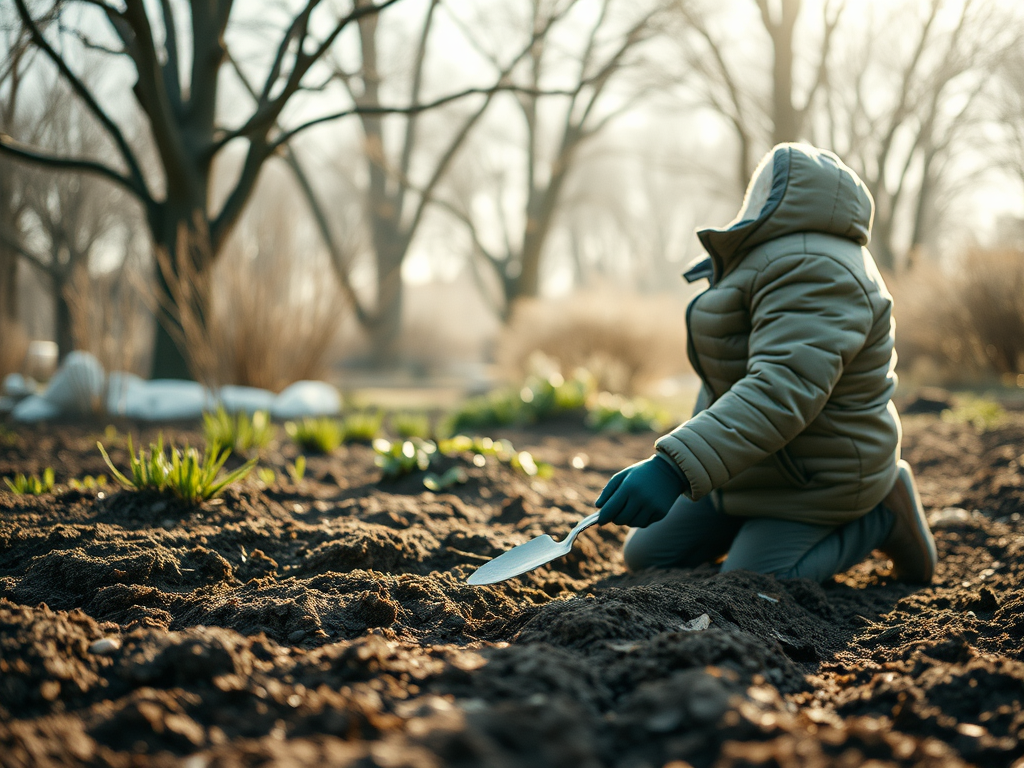
Winter might seem like a dormant season for your garden, but there’s plenty of groundwork you can lay now to set yourself up for success in the spring. Taking care of your soil during the winter is crucial to maintaining its health and fertility.
Mulching for Protection
Once you’ve harvested the last of your fall crops, it’s time to protect your soil. Applying a thick layer of organic mulch (think straw, leaves, or even old compost) will keep the soil from eroding or compacting over the winter months. It also helps suppress weeds and retains moisture.
Mulching over perennial beds, such as herbs and flowers, can help insulate the roots and protect plants from freeze-thaw cycles. Cover crops, like winter rye or clover, can also help prevent soil erosion while adding valuable nutrients back into the earth.
Preparing for Spring Planting
If you’re the type to plan ahead, winter is a great time to map out your spring planting strategy. Organizing seeds, planning crop rotations, and even starting a few cold-hardy crops indoors can give you a head start. If your garden beds are raised, make sure they are reinforced and free from rot or damage before the snow sets in.
Water and Feed Solutions for Livestock in Freezing Temperatures
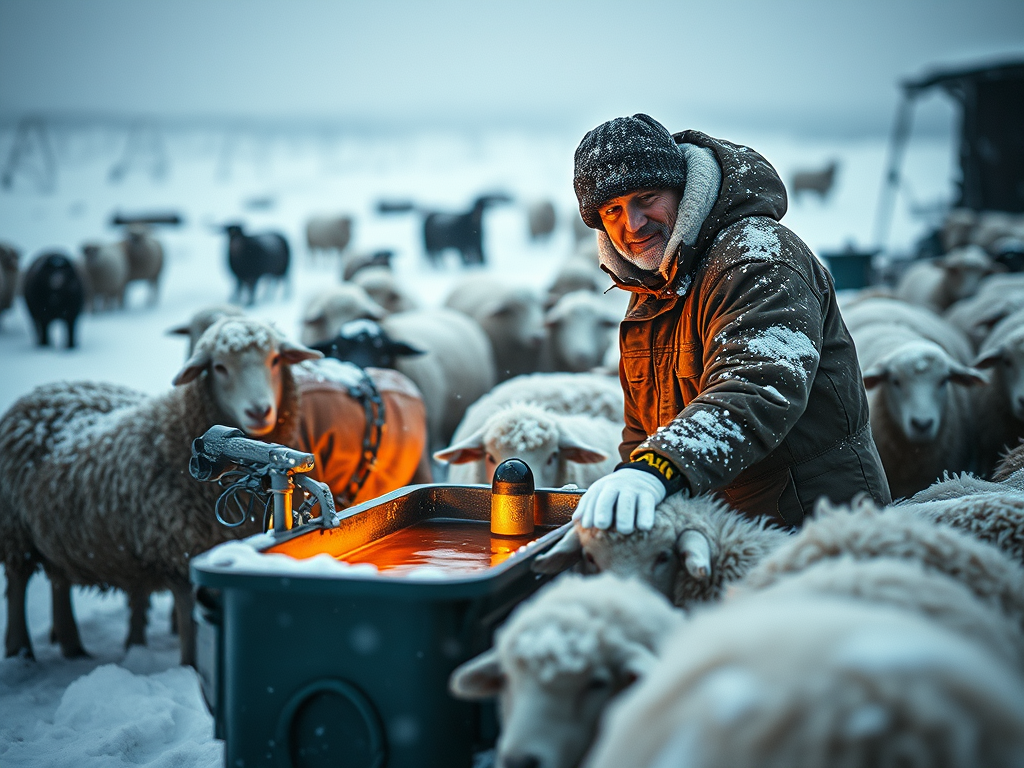
Ensuring that your animals have access to fresh water and feed in freezing temperatures can be one of the biggest challenges on the farm during winter. Planning ahead can save you a lot of headaches down the road.
Preventing Water from Freezing
If you’ve ever dealt with a frozen water trough, you know how frustrating it can be. Heated waterers or stock tank heaters are excellent options to keep water from freezing in the harshest of conditions. For smaller livestock like chickens or rabbits, heated water bowls or plates can work wonders.
If heated options aren’t available, another method is to invest in rubber water buckets that can handle being knocked around as you break out the ice. You can also insulate water troughs with straw bales or cover them with plywood to trap heat. Some farmers swear by adding a tennis ball or two into the water trough to keep the surface agitated, which can help prevent freezing.
Stocking Up on Feed
Your animals will likely eat more in the winter to maintain their body heat, so make sure you’re well-stocked with feed. Storing extra hay, grain, and supplements in a dry, accessible location is essential. Building a hay loft or investing in sturdy feed containers can prevent waste and spoilage.
Don’t forget to keep an eye on the quality of the feed. Moisture buildup in the storage area can lead to mold or spoilage, which can be harmful to livestock. Regularly rotate your feed supply to ensure freshness, and consider using feed bins with tight-fitting lids to keep rodents at bay.
Protecting Perennials and Trees
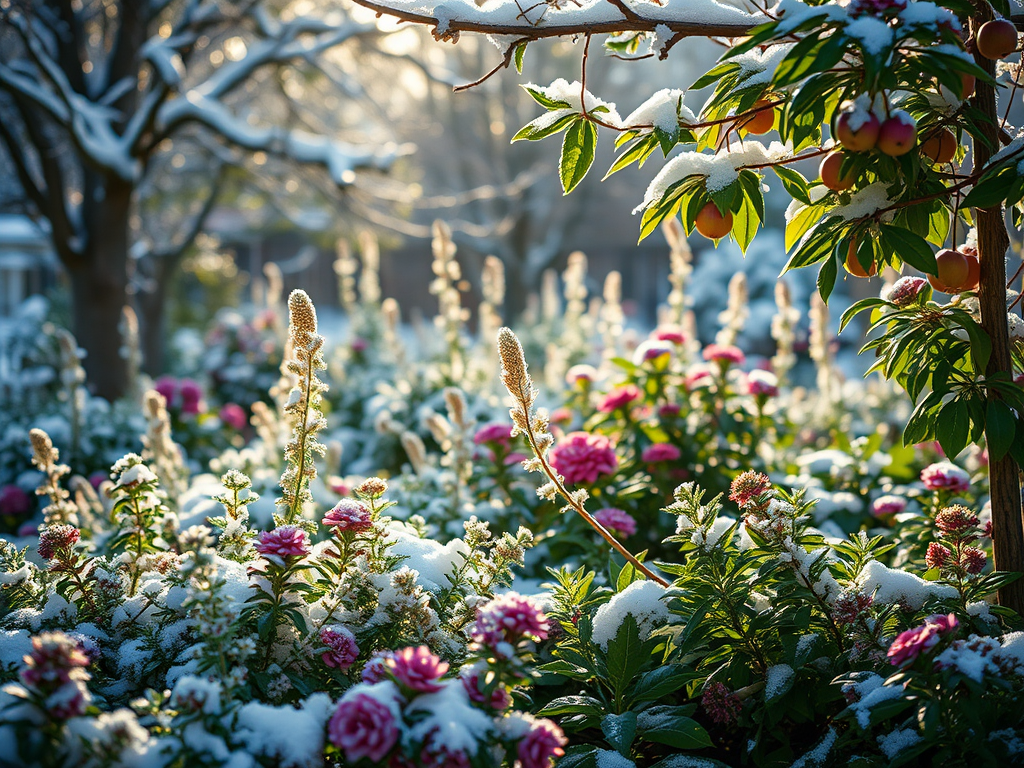
Perennials and fruit trees can be surprisingly resilient, but they still need a little help to get through the winter unscathed.
Wrapping Trees and Shrubs
For young or vulnerable trees, wrapping the trunks with burlap or tree guards can help protect them from frost cracks and gnawing rodents. If you have fruit trees, wrapping the trunks in the fall will protect them from temperature fluctuations that can cause cracking. It also discourages critters like rabbits and deer from nibbling on the bark during the lean winter months.
For tender perennials, consider adding extra mulch around the base to insulate the roots. Some plants, like roses or berry bushes, might benefit from being covered with burlap or frost cloth to keep them from freezing during particularly harsh cold snaps.
Pruning and Trimming
Winter is also the perfect time to prune fruit trees and bushes. Without their foliage, it’s easier to see the shape of the plant and make cuts that will encourage healthy growth come spring. Just be sure to wait for a day when temperatures are slightly above freezing to avoid causing stress to the plant.
Caring for Tools and Equipment
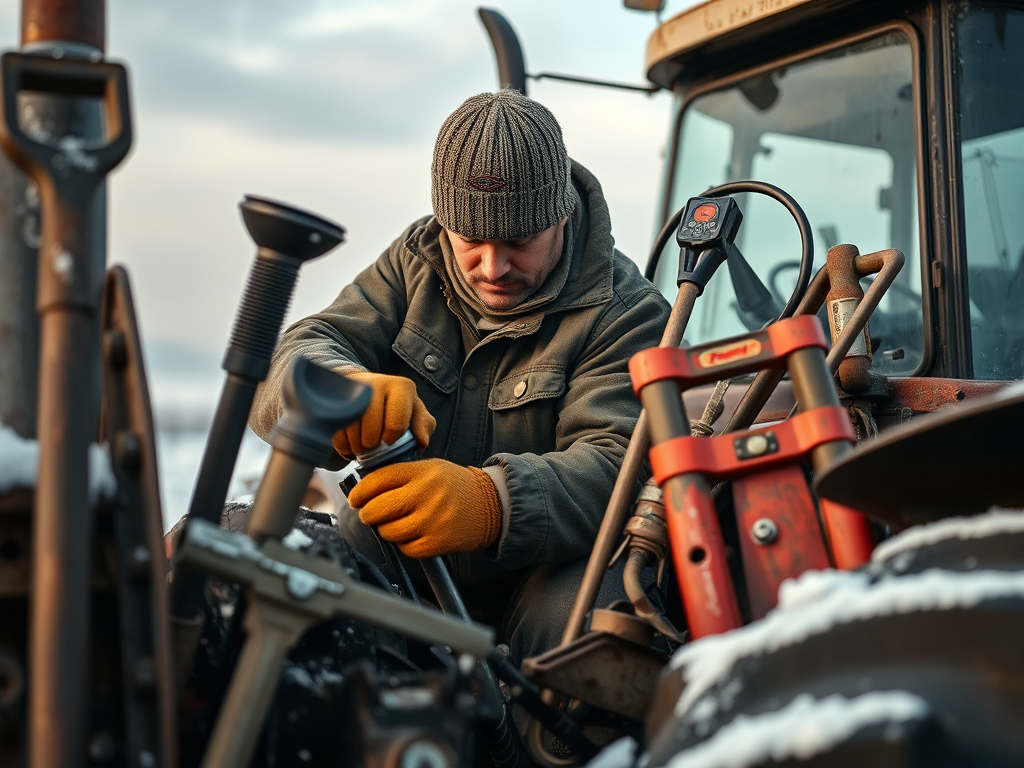
Farm equipment often bears the brunt of wear and tear over the growing season, and winter is the perfect time to give it some much-needed TLC.
Storing Tools Properly
Before the first snow, take the time to clean and store your tools properly. Rinse off any dirt, sharpen blades, and coat metal parts with a light layer of oil to prevent rust. Storing tools in a shed or garage will extend their lifespan, and organizing them by use will make your life easier when spring rolls around.
Winterizing Machinery
Larger farm equipment, like tractors or ATVs, requires special attention. Make sure to drain fuel lines, top off antifreeze, and store machinery in a dry, covered space. If you don’t have access to a shed or barn, covering equipment with a waterproof tarp can help keep the worst of the winter weather at bay.
Keeping Yourself Warm and Prepared

As much as we prepare for the needs of our animals and plants, it’s easy to overlook ourselves. Farming in the winter can be tough, so it’s important to take steps to ensure you stay safe and warm while working outside.
Dressing for Success
Layering is key to staying warm in cold weather. Invest in high-quality thermal underwear, wool socks, and waterproof outer layers to keep yourself warm and dry. Insulated gloves and sturdy boots are a must, especially if you’re dealing with snow or ice.
Taking breaks to warm up inside can help prevent hypothermia or frostbite. Keep a thermos of hot tea or coffee handy, and don’t forget to stay hydrated, even if you’re not sweating as much as you would in warmer months.
Emergency Preparedness
Winter weather can be unpredictable, so it’s important to have an emergency plan in place. Keep a stock of essentials like extra fuel, batteries, blankets, and non-perishable food on hand in case you get snowed in. If you have a generator, make sure it’s in good working order and that you have plenty of fuel on hand.
It’s also a good idea to have a plan for power outages. Keep flashlights, lanterns, and matches within easy reach, and have backup plans for keeping your animals warm if the electricity goes out.
Planning for Spring
Winter is a time for reflection and preparation. While you’re tucking your homestead in for the colder months, take some time to think ahead to spring. Winterizing your farm isn’t just about survival; it’s about setting yourself up for success in the next growing season.
Reviewing Your Goals
Winter gives you the time to review what worked on your farm this year and what didn’t. Did you meet your livestock or garden goals? Are there things you’d like to try differently next year? Use the winter months to research, plan, and dream for the future.
Seed Starting and Garden Planning
While the snow falls outside, you can start planning your spring garden from the comfort of your home. Order seed catalogs, start seedlings indoors, and sketch out your garden plans. By the time the ground thaws, you’ll be ready to hit the ground running.
Final Thoughts: Embrace the Season
Winter can be a challenging time on the homestead, but it’s also an opportunity to slow down and appreciate the work you’ve done throughout the year. By properly winterizing your farm, you’re ensuring that your animals, land, and equipment are well cared for, and you’re setting yourself up for a successful spring.
Winter is a time for reflection, preparation, and gratitude. Embrace the season, and enjoy the peaceful moments that come with it. Your homestead will thank you for it come spring!
