
Thanksgiving is a time to gather with loved ones, share a delicious meal, and reflect on the things we’re grateful for. But it can also be an opportunity to align our holiday traditions with our sustainable values. From sourcing local ingredients to cutting down on waste, there are many ways to make Thanksgiving an eco-friendly celebration that not only feeds your family but also takes care of the planet. Plus, as an added bonus, hosting a sustainable feast often leads to deeper connections and a more mindful experience.
Let’s dive into some practical tips for hosting a sustainable Thanksgiving, with everything from food sourcing to waste reduction and community-focused activities. And don’t forget—we have fresh eggs available right here at Huckleberry Farms!
Sourcing Local and Seasonal Food
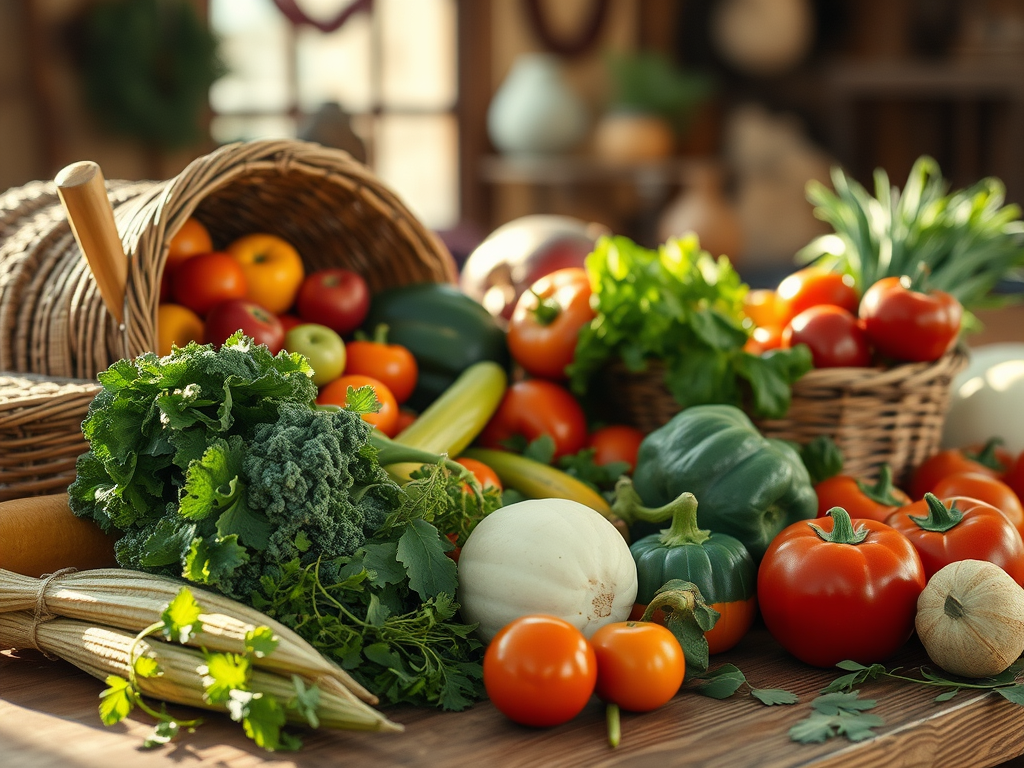
One of the best ways to make your Thanksgiving feast sustainable is by sourcing your ingredients locally and choosing foods that are in season. Not only does this support local farmers and reduce the carbon footprint of transporting food over long distances, but it also allows you to cook with ingredients that are at their peak of freshness.
1. Shop at Local Farms and Farmers’ Markets
Supporting local farms is a key element of sustainable living. Instead of buying food from big grocery chains, visit a local farmers’ market to pick up fresh, seasonal produce like squash, pumpkins, sweet potatoes, and Brussels sprouts. If you live near a farm that offers meat or poultry, consider ordering a locally raised turkey or ham. And if you’re in need of fresh eggs for your baking, be sure to check out our selection of farm-fresh eggs from Huckleberry Farms!
2. Choose Seasonal Ingredients
A sustainable feast focuses on what’s naturally available in your region. Seasonal ingredients require fewer resources to grow, are often more affordable, and taste better. Here are some common fall foods that you can easily incorporate into your Thanksgiving menu:
- Winter squash (like butternut, acorn, or delicata)
- Sweet potatoes
- Root vegetables (carrots, parsnips, beets)
- Brussels sprouts
- Kale and other leafy greens
- Apples and pears
- Cranberries (opt for fresh rather than canned)
3. Support Local Bakeries or Make Your Own
If you’re not up for baking bread or pies, consider supporting a local bakery that uses sustainable or organic ingredients. Many small bakeries work with local grain mills and prioritize eco-friendly packaging, making them a great option for a sustainable dessert.

Minimize Plastic and Single-Use Waste
Thanksgiving is a time for togetherness, not trash. Unfortunately, many holiday meals create an excess of plastic and single-use items that end up in landfills. But with some mindful choices, you can cut down on waste without sacrificing convenience.
1. Say No to Plastic
Avoid using plastic utensils, plates, and cups by opting for reusable dinnerware. If you’re hosting a large group and don’t have enough dishes, borrow from a neighbor or consider renting dishware. Many rental services offer eco-friendly options that can be returned and washed for reuse.
2. Use Cloth Napkins
Cloth napkins add a touch of elegance to the table and are much more sustainable than paper napkins. Plus, they can be washed and reused for future gatherings.
3. Get Creative with Decorations
Rather than purchasing new, plastic-based decorations, get creative by using natural elements from your surroundings. Pinecones, colorful leaves, and branches can make beautiful, rustic centerpieces. You can also use pumpkins or gourds from your garden or farmers’ market, which can later be composted or used in your cooking.
Compost and Reduce Food Waste
Thanksgiving feasts often result in an overabundance of food, which can lead to a lot of waste. With some simple strategies, you can minimize waste and make the most of your leftovers.
1. Compost Your Food Scraps
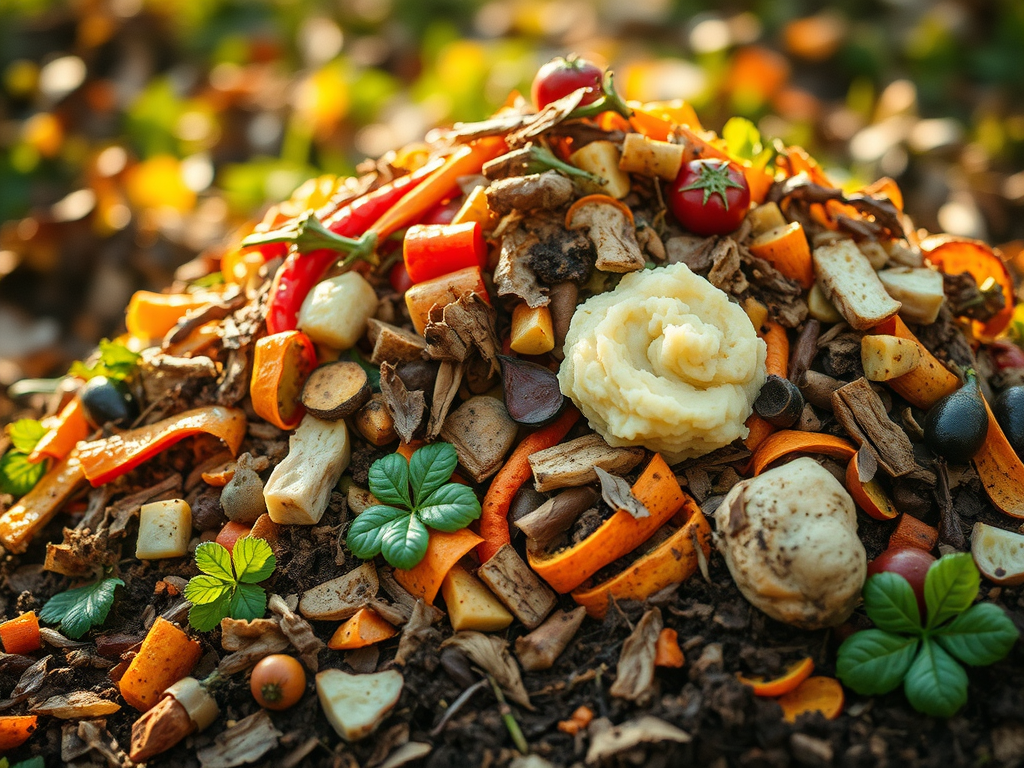
Set up a composting system in your kitchen to collect food scraps like vegetable peels, coffee grounds, and eggshells. Composting not only reduces waste but also enriches your soil, creating a closed-loop system where food nourishes the earth and, in turn, future crops. If you’re new to composting, start with the basics: keep a small container on your counter for food scraps and empty it into an outdoor compost bin regularly.
2. Plan for Leftovers
Before your feast, plan how you’ll handle leftovers. Encourage guests to bring their own reusable containers so they can take food home, reducing the likelihood of waste. You can also get creative with leftovers—turkey can be turned into soups, casseroles, or sandwiches, and mashed potatoes can be fried up into delicious potato cakes the next morning.
3. Make Stock from Bones and Scraps
Don’t throw away the bones from your turkey or ham—use them to make a rich, flavorful stock. This can be frozen and used for soups and stews throughout the winter, ensuring that nothing goes to waste. You can also add vegetable scraps like carrot tops, celery leaves, and onion skins to enhance the flavor.
Serve a Plant-Based or Flexitarian Feast
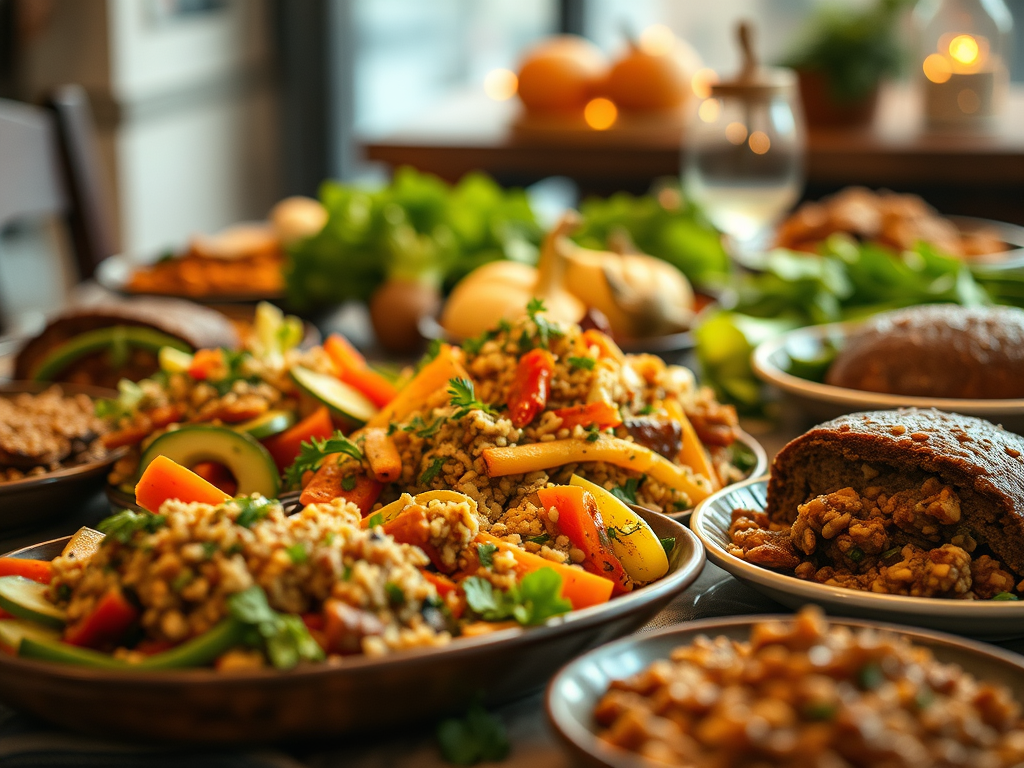
Reducing the amount of meat served at Thanksgiving is a powerful way to lower the environmental impact of the holiday. Meat production is resource-intensive, requiring large amounts of water, land, and energy. While turkey is traditionally the centerpiece of Thanksgiving, there are plenty of delicious plant-based dishes that can steal the show.
1. Incorporate More Vegetables
You don’t have to go fully vegetarian to make a difference. Consider making vegetables the star of your meal by preparing hearty dishes like roasted root vegetables, stuffed squash, or a rich mushroom gravy. These dishes are just as satisfying and flavorful as any meat-based entrée.
2. Try a Flexitarian Approach
If going entirely meatless isn’t for you, consider a flexitarian Thanksgiving where meat is served in smaller portions alongside more plant-based dishes. This can reduce your environmental impact while still honoring tradition. For example, serve a smaller turkey and focus on vegetable sides like roasted Brussels sprouts, sweet potato casserole, or a colorful kale and cranberry salad.
3. Experiment with Plant-Based Alternatives
For those who want to skip the turkey altogether, plant-based alternatives have come a long way. Try a stuffed butternut squash or a lentil loaf for a hearty, satisfying main course that everyone—vegetarian or not—will love.

Hosting a Community-Focused Thanksgiving
Thanksgiving is about more than just food—it’s about connection, community, and gratitude. One of the most sustainable ways to celebrate the holiday is by giving back to your community and focusing on mindful, gratitude-based activities that extend beyond your table.
1. Organize a Potluck
A potluck-style Thanksgiving not only lightens the load on the host but also encourages community involvement. Each guest can bring a dish made from locally sourced ingredients, making the meal more diverse and sustainable. Plus, potlucks typically lead to less waste since each guest is responsible for their portion of food.
2. Volunteer or Donate
In the spirit of gratitude, consider giving back to those in need. Volunteering at a local soup kitchen, donating food to a shelter, or organizing a food drive are meaningful ways to celebrate Thanksgiving. This not only helps others but also fosters a sense of community and shared responsibility.
3. Practice Gratitude
While Thanksgiving is often associated with overeating and indulgence, it’s also a time to reflect on the things we’re thankful for. One way to make your celebration more mindful is by incorporating a gratitude practice into your gathering. Before the meal, invite everyone to share something they’re grateful for, or create a gratitude jar where guests can write down their thoughts throughout the day.

Eco-Friendly Thanksgiving Activities
Thanksgiving doesn’t have to be all about the meal. There are plenty of eco-friendly and family-friendly activities you can enjoy to make the day even more memorable.
1. Take a Nature Walk
Instead of watching TV after dinner, head outside for a walk to enjoy the crisp autumn air. A nature walk can be a great way to connect with loved ones and appreciate the beauty of the natural world.
2. Play Outdoor Games
If you have outdoor space, set up games like cornhole, frisbee, or football. These activities encourage physical movement and help balance out the more sedentary parts of the day, all while using minimal resources.
3. DIY Craft Projects
Get creative by making eco-friendly crafts. Use natural materials like pinecones, acorns, and fallen leaves to make wreaths, table decorations, or even ornaments for the upcoming holiday season. This is a fun way to involve children in the festivities while teaching them about sustainability.
Final Thoughts: A Mindful and Sustainable Thanksgiving
Hosting a sustainable Thanksgiving doesn’t have to be complicated. By focusing on locally sourced foods, reducing waste, and incorporating mindful, community-focused activities, you can create a holiday that’s not only delicious but also aligned with your values.
At Huckleberry Farms, we believe in sustainable living and making conscious choices, not just on Thanksgiving but year-round. And remember, if you’re looking for farm-fresh eggs for your holiday baking or side dishes, we’ve got you covered! Wishing you and your family a warm, joyful, and eco-friendly Thanksgiving celebration.
Enjoying this recipe? Find more like it in the Huckleberry Homestead Cookbook—available now!
