
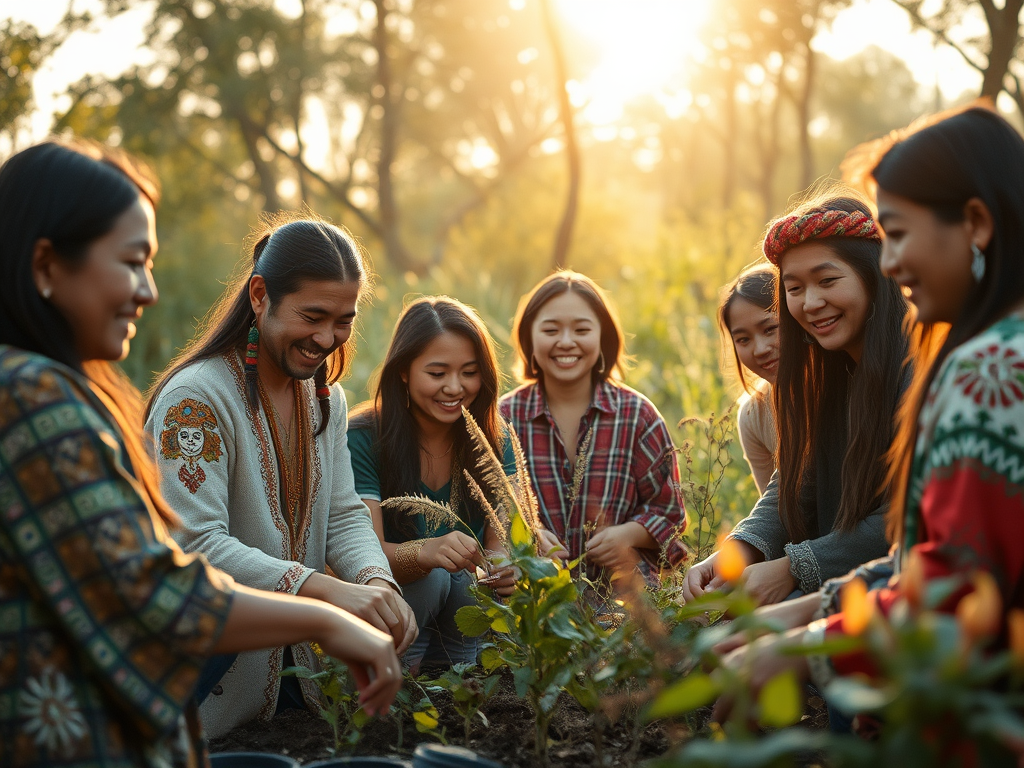
Gratitude is a universal value, woven through the fabric of human cultures and histories. For centuries, it has been a guiding principle that connects us to the earth, to each other, and to something larger than ourselves. When we consider the history and significance of gratitude, especially in Indigenous cultures, we begin to understand its deep connection to the land and the rhythms of nature. As we dive into this topic, we’ll explore how the spirit of gratitude can be fostered year-round, especially in a homesteading lifestyle.
The Roots of Gratitude in Indigenous Cultures
Gratitude has been an essential part of Indigenous life for centuries. Indigenous peoples across North America, including the Cherokee, Potawatomi, and Miami, viewed gratitude not just as a practice, but as a way of being. For them, life was intertwined with nature in a reciprocal relationship—one where people gave thanks to the earth, animals, plants, and the Creator, for the gifts they provided. Every action and ceremony were done in recognition of the interconnectedness of all living things.
Cherokee Tradition and the Green Corn Ceremony

In Cherokee culture, gratitude was deeply tied to the cycles of the seasons and the abundance of the earth. One of the most significant ceremonies of the year was the Green Corn Ceremony. This celebration marked the first corn harvest and was a time of renewal, forgiveness, and thanksgiving. The people would gather to give thanks for the corn, the rains, and the sun that made it possible, and for the Creator who provided these essential gifts.
Before the ceremony, there was a period of fasting, reflection, and cleansing. The Green Corn Ceremony included dances, songs, and prayers, all aimed at giving thanks for the earth’s bounty. It also served as a time to resolve conflicts and make peace within the community, highlighting the deep connection between gratitude and unity.
For the Cherokee, the land was sacred, and giving thanks to the earth and its abundance was a way of maintaining balance and harmony with the natural world. This gratitude extended to everything in life—from the crops they harvested to the animals they hunted. It was an understanding that everything is connected, and gratitude was key to keeping those connections strong.
Potawatomi and Miami Traditions
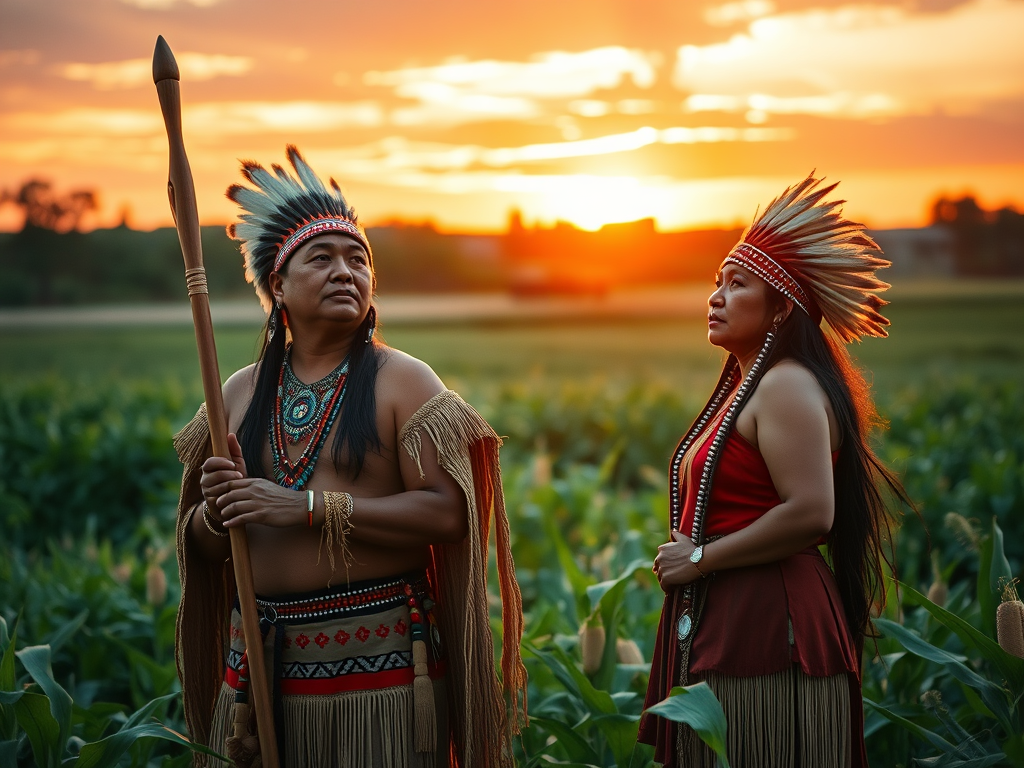
The Potawatomi and Miami, two of the tribes indigenous to the area now known as Indiana, also had a deep relationship with the land and gratitude was central to their traditions. The Potawatomi, meaning “Keepers of the Fire,” had an intrinsic respect for the land, which was reflected in their seasonal celebrations and practices.
The Potawatomi gave thanks for the fire that warmed them, the waters that nourished them, and the earth that provided food and shelter. Ceremonies were held to honor these elements, and seasonal feasts were opportunities to show gratitude for the harvest. This connection to the land was deeply spiritual; they viewed the earth not as a resource to exploit but as a living entity to be revered.
The Miami people also held gratitude as a central tenet of their culture. Their traditional teachings emphasized the importance of living in harmony with nature. Harvest celebrations were common, and like the Cherokee, they practiced rituals that honored the earth’s abundance. Every aspect of life, from hunting to farming, was done with reverence and gratitude for the natural world.
The Impact of European Settlers
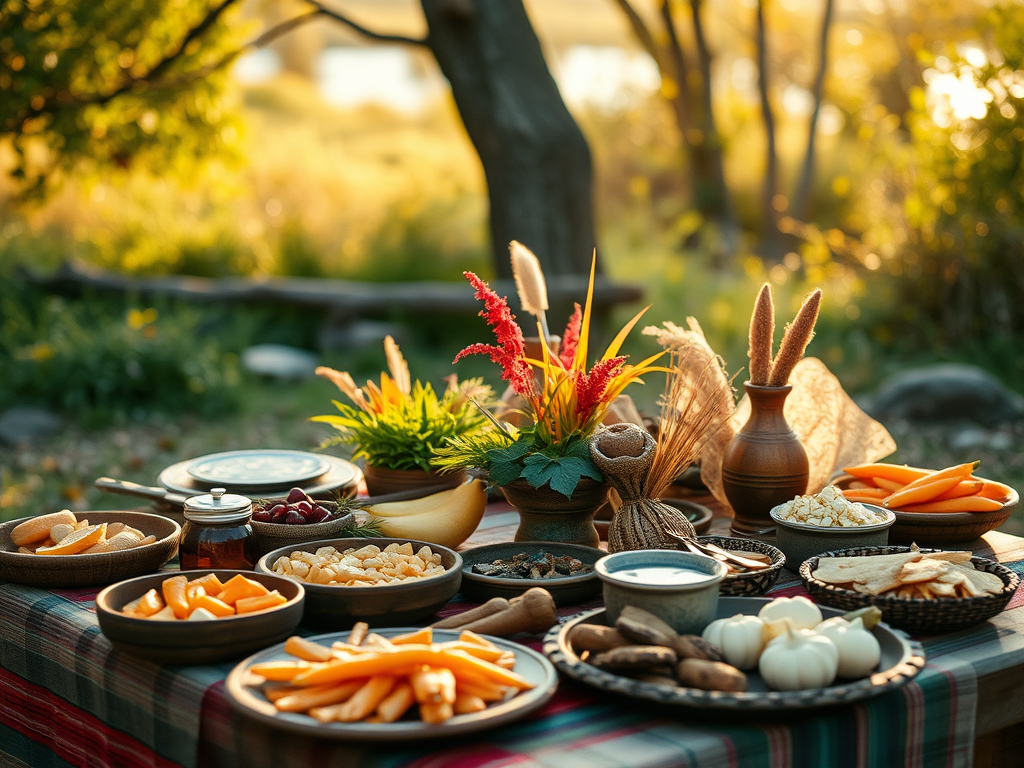
When European settlers arrived in North America, they brought with them their own traditions of gratitude, many of which were rooted in Christianity. Thanksgiving celebrations in colonial America were often tied to the harvest, a tradition that stretched back to European agrarian societies. While the settlers adopted some Indigenous practices, they also altered and overshadowed others.
The settlers learned agricultural techniques from Indigenous peoples, particularly the cultivation of corn and other crops, and some of the harvest celebrations were inspired by Indigenous ceremonies. However, the arrival of settlers also marked the beginning of the displacement and destruction of many Indigenous cultures and their traditions.
One of the most notable examples is the story of the first Thanksgiving, which is often portrayed as a peaceful gathering between Pilgrims and Native Americans. However, the history is far more complex and fraught with conflict, exploitation, and the eventual displacement of Indigenous peoples from their land. Despite this, many Indigenous cultures have maintained their gratitude practices, passing them down through generations.
The Role of Gratitude in Sustainable Living
Gratitude is not just about saying “thank you”; it is a way of life that fosters mindfulness, humility, and a sense of responsibility. On the farm or homestead, gratitude can be cultivated through daily actions that acknowledge and honor the gifts of the earth. Sustainable living, in many ways, is an expression of gratitude—a recognition that the earth provides for us, and in return, we must take care of it.
Gratitude as a Daily Practice
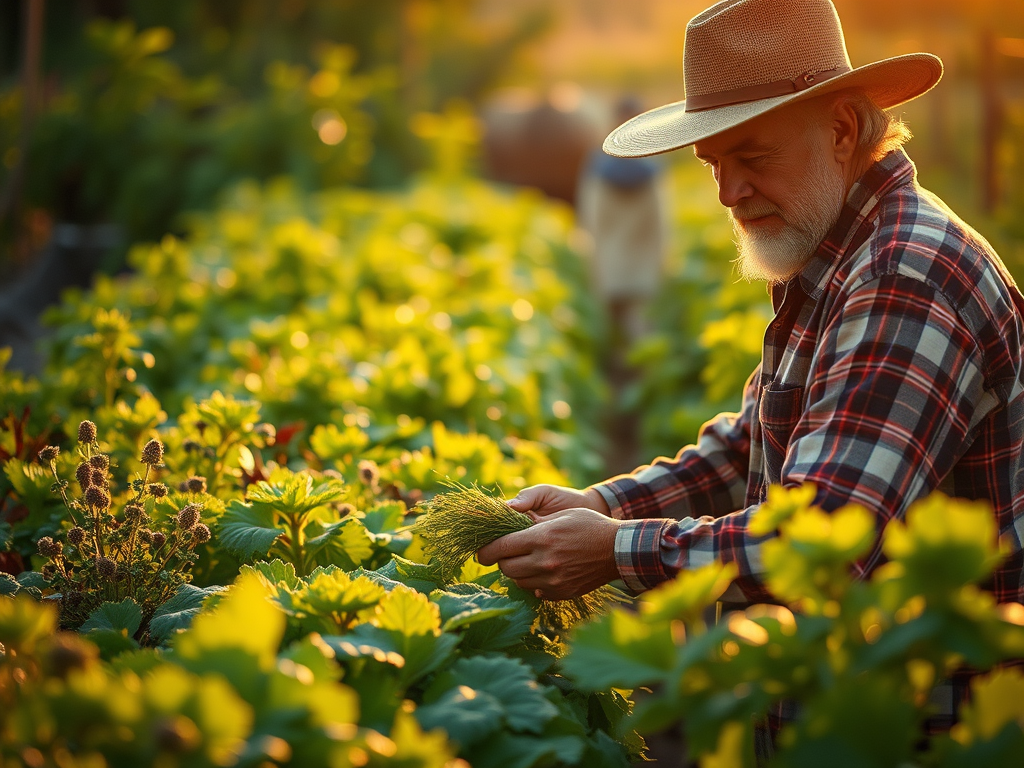
Living on a farm offers countless opportunities to express gratitude. Each day, as you tend to animals, plant seeds, or harvest crops, you are reminded of the earth’s gifts. In return, you care for the land, ensuring that it remains healthy and vibrant for future generations. By practicing sustainable methods, such as composting, rotating crops, and conserving water, you show your appreciation for the natural world.
On Huckleberry Farms, this connection to gratitude is woven into daily life. Every egg collected, every vegetable pulled from the ground, is a reminder of the earth’s generosity. It’s about more than just producing food—it’s about recognizing that the farm is a living ecosystem that requires care and respect.
Indigenous Lessons for Modern Homesteaders
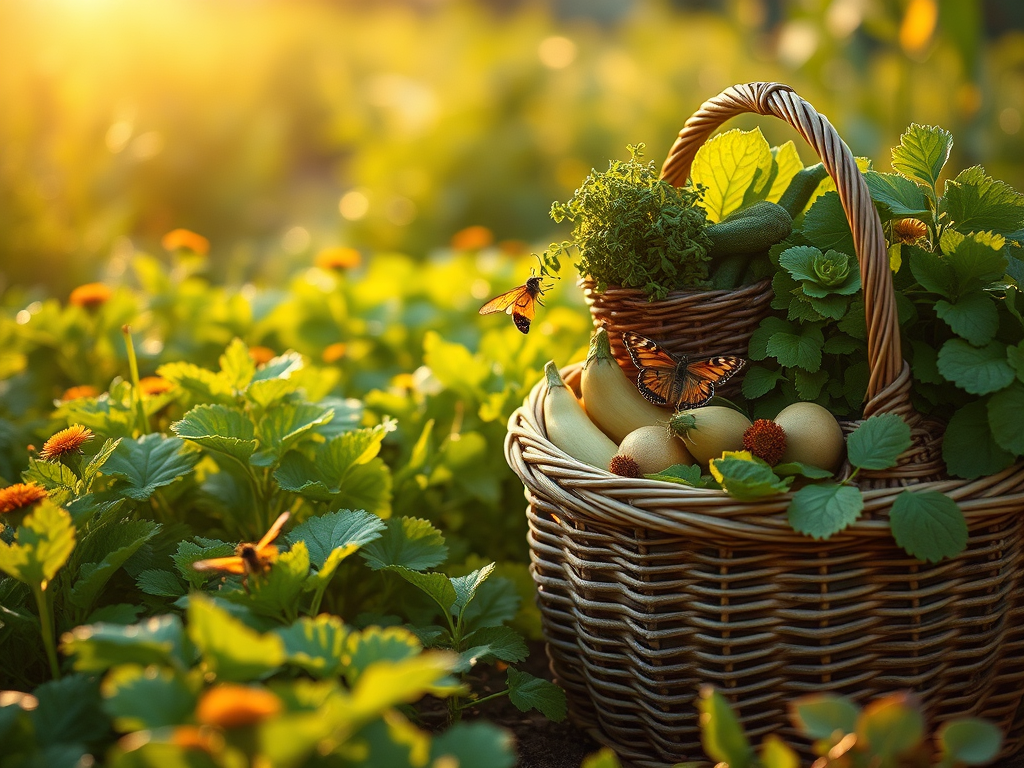
The Indigenous practices of gratitude offer valuable lessons for today’s homesteaders. One key principle is reciprocity—the idea that we should give back to the earth in return for what it provides. This could mean planting cover crops to nourish the soil, creating habitats for pollinators, or simply practicing mindful consumption to avoid overuse of resources.
By adopting these principles, homesteaders can live in a way that is not only sustainable but also spiritually fulfilling. Each season brings its own gifts, and each day offers opportunities to practice gratitude, whether through simple acts of stewardship or through moments of reflection.
Fostering Gratitude Year-Round
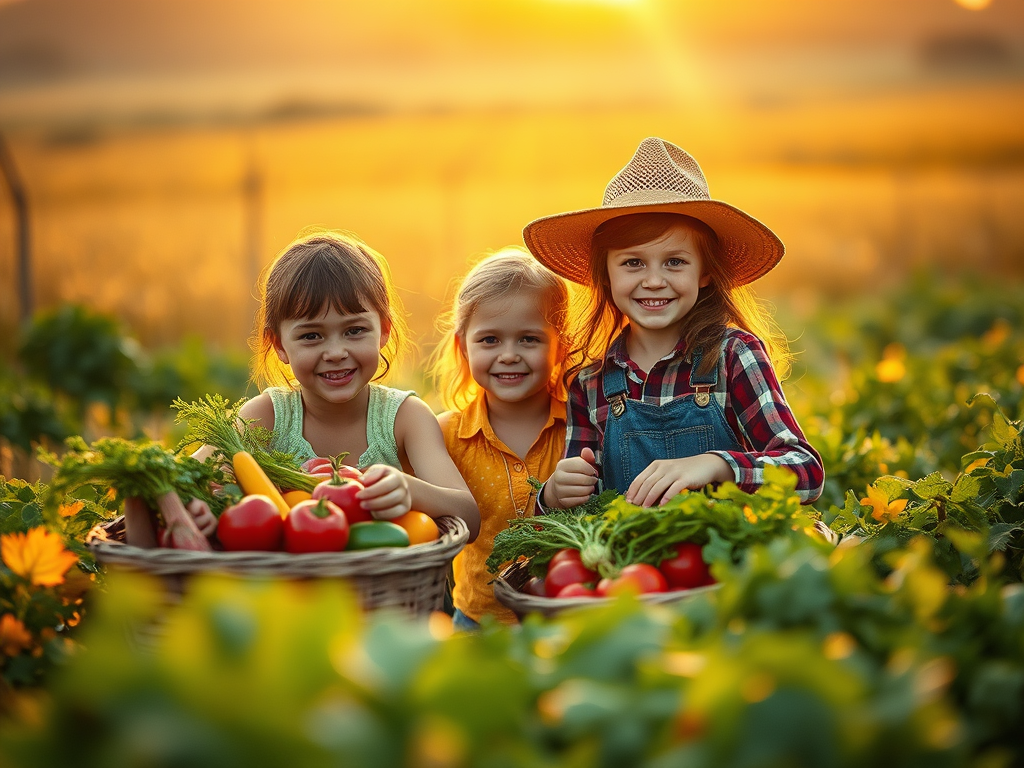
Gratitude isn’t something that should be confined to a holiday or a season. It’s a mindset that can transform the way we live, farm, and interact with the world around us. Here are some ways to foster gratitude year-round, both on the farm and in everyday life:
- Start a Gratitude Journal: Each day, write down a few things you’re grateful for—whether it’s a bountiful harvest, a healthy flock of chickens, or the simple pleasure of a sunrise over your fields.
- Practice Mindful Harvesting: When harvesting crops or collecting eggs, take a moment to thank the plants and animals for their contribution to your livelihood. This mindful approach reminds you of your interdependence with nature.
- Celebrate the Seasons: Like the Indigenous cultures who held seasonal celebrations, you can honor the changing seasons by recognizing what each one brings. Whether it’s planting in spring, tending in summer, harvesting in fall, or resting in winter, each season has its own gifts.
- Teach Gratitude to Children: If you have children, involve them in the practice of gratitude. Show them how to care for the earth, and teach them to appreciate the small wonders of nature, from the soil under their feet to the animals in the barn.
- Give Back to the Land: Gratitude isn’t just about saying thank you—it’s about giving back. Practice regenerative agriculture, conserve water, and plant native species to support local ecosystems.
- Celebrate Food: Food is a tangible expression of the earth’s abundance. Whether you’re cooking a simple meal or preparing a feast, take the time to appreciate the journey that food has taken from soil to table.
Gratitude as a Path to Mindful Living
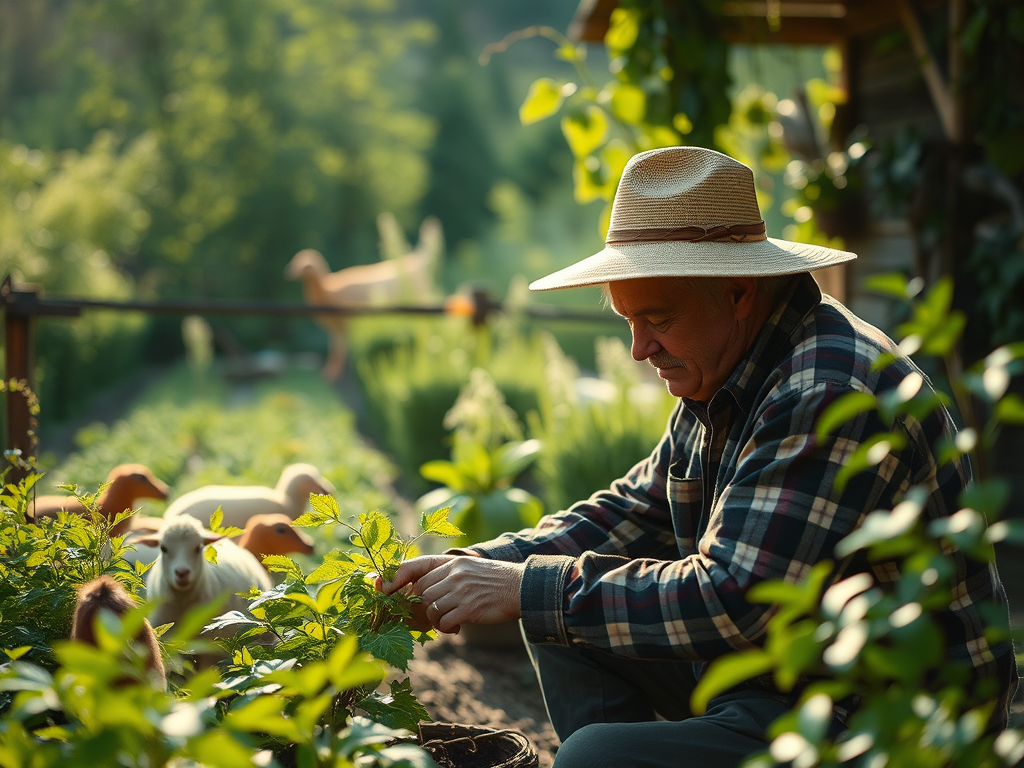
In a world that often prioritizes consumption and speed, gratitude slows us down and reminds us of what really matters. It fosters a deeper connection to the land, to the people around us, and to our own inner well-being. When we practice gratitude, we acknowledge that we are not separate from nature but a part of it.
For homesteaders, this mindset is especially powerful. Every day offers an opportunity to engage with the natural world in a meaningful way, whether by caring for animals, tending to plants, or simply observing the changing seasons. By fostering gratitude, we not only enhance our own lives but also contribute to the health and sustainability of the earth.
As we look to the future, it’s clear that gratitude will play a key role in shaping a more sustainable, mindful way of living. Whether inspired by Indigenous traditions or our own personal experiences, gratitude can guide us toward a life that honors the gifts of the earth and fosters a deeper sense of connection to the world around us.
