
Seed saving can feel like an intimidating task for the uninitiated. Many people imagine it requires a lush garden bursting with heirloom varieties or specialized knowledge passed down through generations of family farmers. But what if you’re just getting started, and the closest you’ve come to gardening is the produce aisle at your local grocery store or a visit to your local farmers market?
Good news: seed saving doesn’t have to be that complicated, and you can start with what you have—even if what you have is a handful of tomatoes from the grocery store or a squash picked up at the farmers market. While saving seeds from your own garden is ideal, saving seeds from store-bought or market produce can be a surprisingly accessible and rewarding entry point into this timeless practice. This guide will help you understand how to get started, what to look out for, and how to make the most of the seeds you save.
Why Seed Saving Matters
Seed saving isn’t just about growing your own food; it’s about taking control of your food supply, fostering biodiversity, and building resilience in your garden or community. By saving seeds, you’re preserving plant genetics and passing them on to future generations—whether that’s your family or your local ecosystem.
Traditionally, seed saving was something farmers and gardeners did to ensure that the plants they grew would be adapted to their specific growing conditions. Today, it’s still a great way to preserve locally adapted varieties, reduce your reliance on commercial seed companies, and keep a little bit of independence in your food system.
But what if you don’t have a garden full of heirloom varieties? What if the best you can do is grab a tomato at the grocery store or some peppers from the farmers’ market? That’s where the “twist” comes in. Even though it’s not the ideal way to save seeds, starting with store-bought or locally-farmed produce can be a stepping stone to greater food security—and it’s a fun, easy way to get started on your seed-saving journey.
Challenges of Seed Saving from Store-Bought Produce
Let’s start with the reality check: saving seeds from store-bought produce isn’t always as straightforward as it seems. Many of the fruits and vegetables you see in the grocery store are hybrid varieties, bred for characteristics like uniformity, long shelf life, and pest resistance. Hybrid seeds are often a cross between two different plant varieties, meaning the seeds won’t grow “true to type”—in other words, the plants that grow from the seeds might not look or taste like the fruit you got the seeds from.
Additionally, many large-scale commercial farms use pesticides, herbicides, or even genetic modification to boost crop yields. These factors can affect the viability of seeds and the health of the plants you try to grow.
That said, all is not lost! You can still save seeds from many store-bought fruits and vegetables and get interesting, sometimes surprising results. Just be aware that it might take some trial and error before you find the right varieties and methods that work for you.
Best Produce for Store-Bought Seed Saving
While it’s true that hybrids dominate the grocery store aisles, certain fruits and vegetables are more likely to yield viable seeds that can be saved and grown successfully. Here are some of the best options to start with:
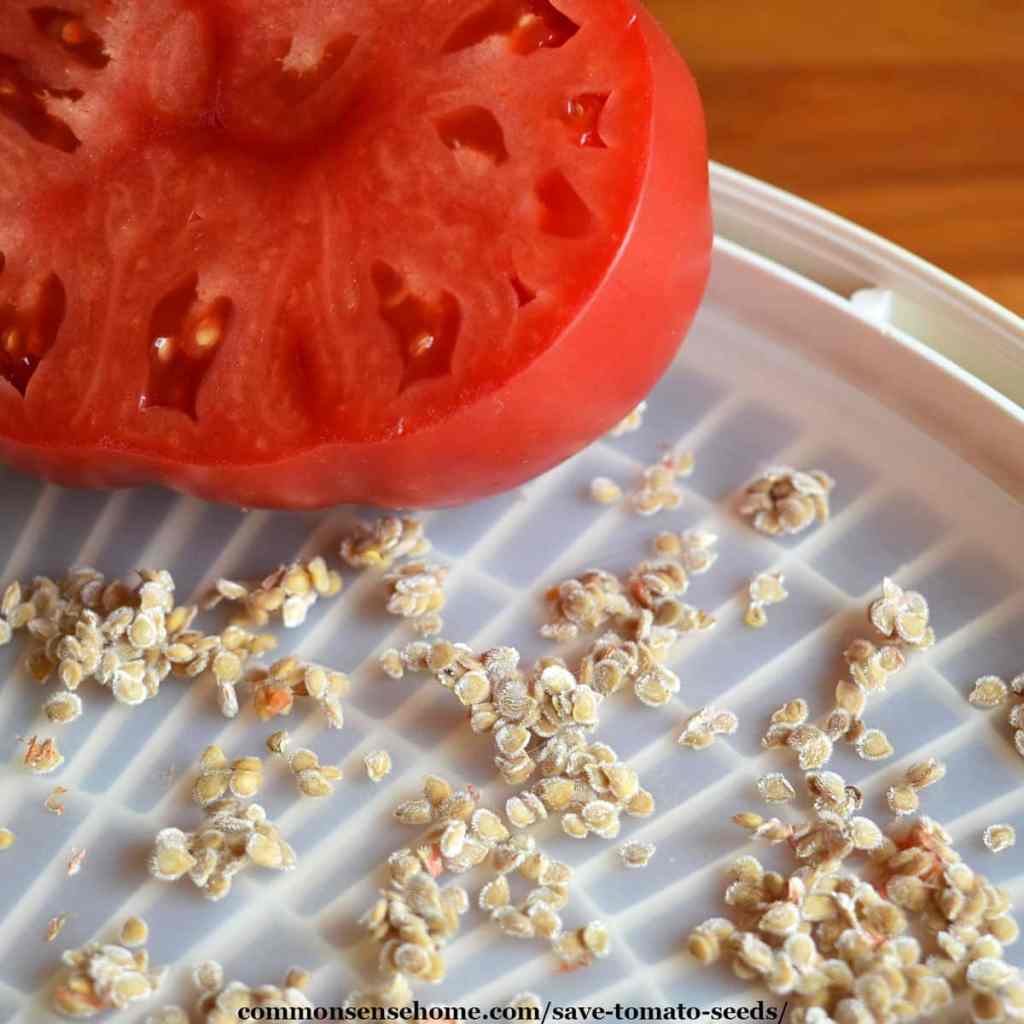
- Tomatoes: Tomatoes are one of the easiest and most rewarding plants to grow from saved seeds. Look for organic, heirloom, or non-GMO varieties when possible, as these are more likely to produce true-to-type plants.
- Peppers: Like tomatoes, peppers tend to be reliable seed savers. Both sweet and hot peppers can be saved, and the process is as simple as removing the seeds and allowing them to dry.
- Melons: Cantaloupes and watermelons are another great option for seed saving, as long as you’re using organic or heirloom varieties. Hybrids may produce less predictable results, but it’s always worth experimenting.
- Squash and Pumpkins: These vegetables (technically fruits) are often grown from open-pollinated varieties, especially at local farms or markets. Just be sure that they haven’t cross-pollinated with other squashes, or you might end up with a surprise hybrid.
- Cucumbers: Saving cucumber seeds can be a bit trickier, but it’s still worth trying. Make sure the cucumber is fully ripe (overripe, even) before you harvest the seeds.
Seed Saving from Farmers Market Produce
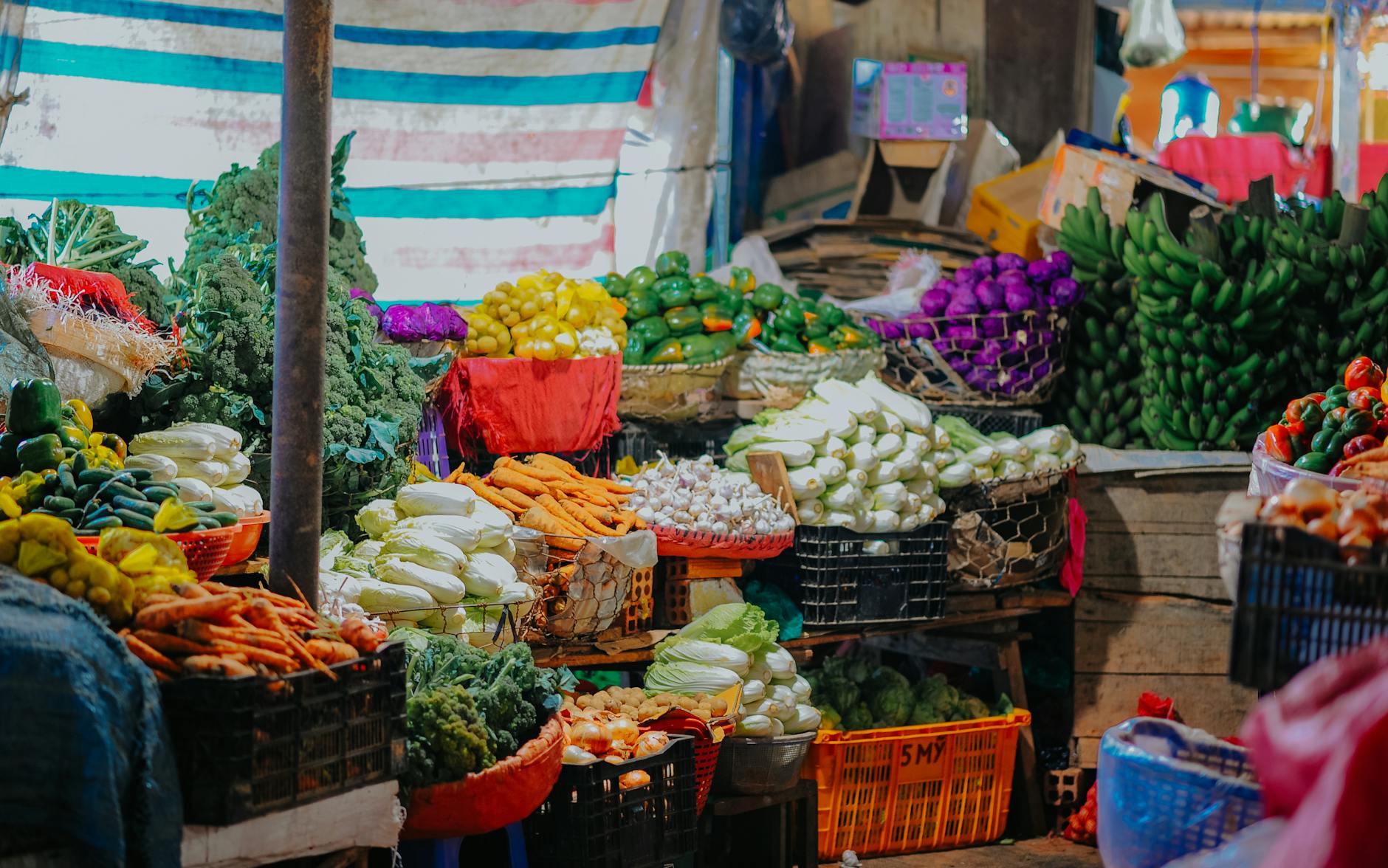
If you shop at farmers markets or buy directly from local farms, you’re in luck. Many small-scale farmers grow heirloom or open-pollinated varieties of fruits and vegetables, which are perfect for seed saving. Unlike hybrid varieties, heirlooms have been passed down through generations, and their seeds will grow true to type, meaning the plants you grow will be just like the ones you saved seeds from.
When buying from a farmers market, don’t be afraid to ask the vendor about the varieties they’re selling. Many farmers will be happy to tell you if the produce is heirloom, hybrid, or open-pollinated. Even if you can’t get a definitive answer, experimenting with saving seeds from farmers market produce can be a fun way to expand your seed library with locally adapted varieties.
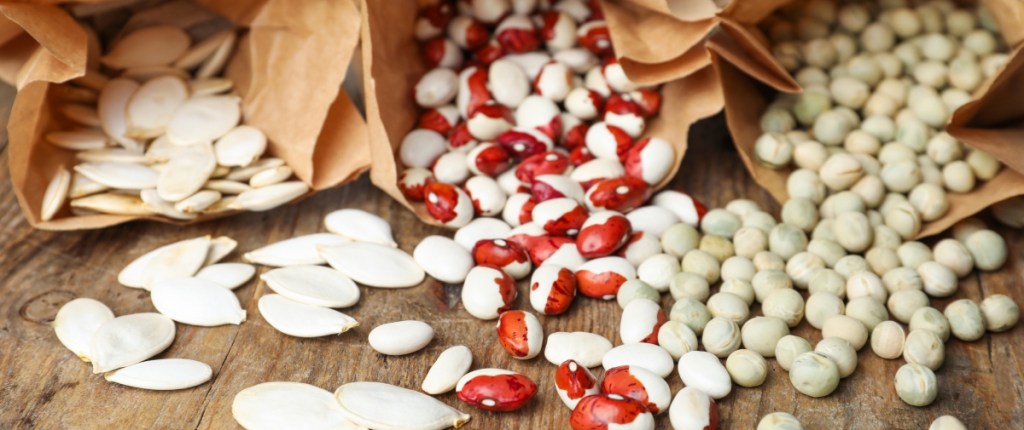
How to Save Seeds from Common Produce
Now that you have a sense of what to save seeds from, let’s dive into the “how.” Here’s a step-by-step guide for saving seeds from common fruits and vegetables:
- Tomatoes
- Scoop out the seeds and place them in a jar with a little water.
- Let the seeds ferment for a few days to remove the gel coating around them.
- After 3-5 days, rinse the seeds and spread them out to dry on a paper towel or plate.
- Once dry, store them in an envelope or airtight container.
- Peppers
- Cut open the pepper and remove the seeds.
- Spread the seeds on a plate or paper towel to dry for a few days.
- Store in a cool, dry place until you’re ready to plant.
- Melons
- Scoop out the seeds and rinse them in a colander to remove any flesh.
- Spread the seeds out to dry in a single layer on a plate or towel.
- Store in an airtight container once fully dry.
- Squash and Pumpkins
- Scoop out the seeds and rinse off any pulp.
- Dry the seeds on a plate or paper towel for about a week.
- Store in a cool, dry place.
- Cucumbers
- Allow the cucumber to become overripe (soft and yellow) before harvesting the seeds.
- Scoop out the seeds and ferment them in water for a few days, just like tomato seeds.
- Rinse, dry, and store.
Seed Saving from Herbs
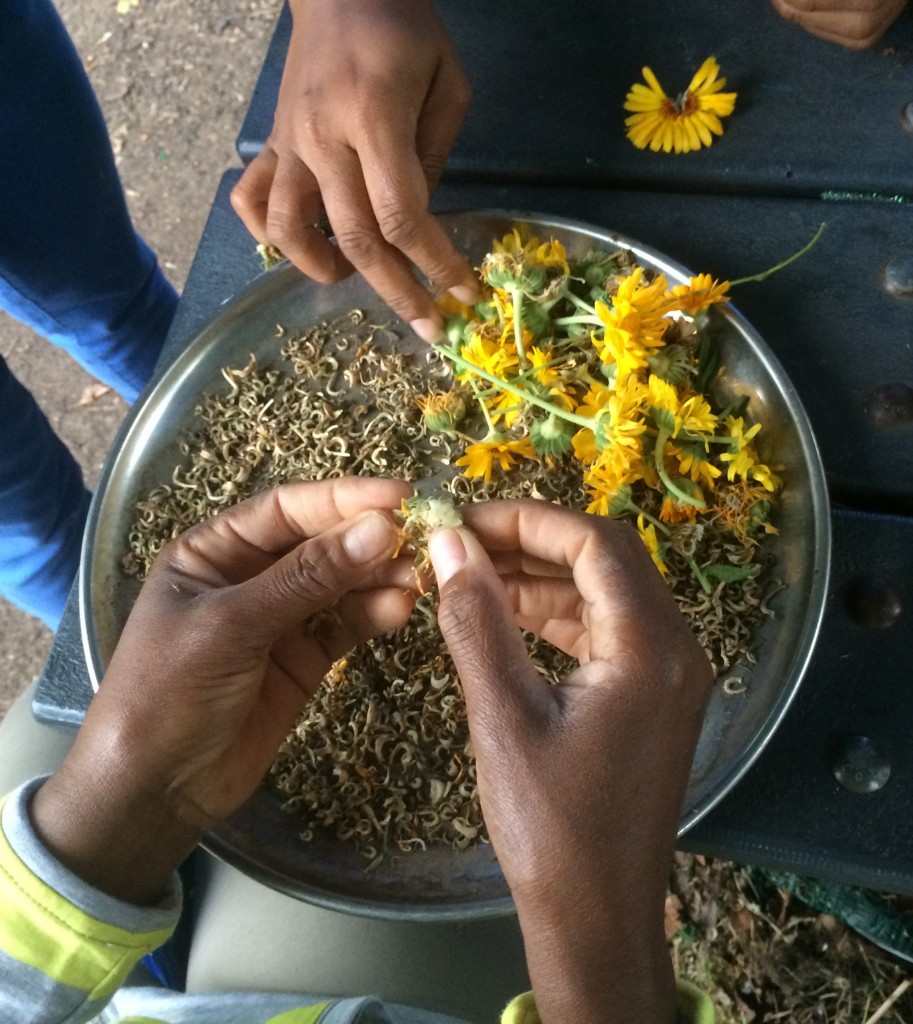
Herbs are another easy way to dip your toes into seed saving. Many common herbs like basil, cilantro, dill, and parsley produce seeds after they flower. Simply let the plant go to seed, harvest the seed heads, and store them in a cool, dry place. Herbs are especially forgiving, making them a great option for beginners.
Testing Seed Viability
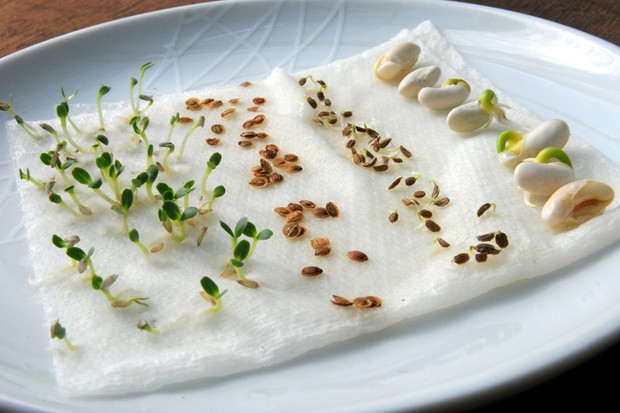
Before planting your saved seeds, it’s a good idea to test their viability. You can do this with a simple germination test. Place a few seeds between two moist paper towels and keep them in a warm, dark spot. After a few days, check to see if any seeds have sprouted. If most of the seeds germinate, you’re good to go!
Store-Bought vs. Farmers Market: Pros and Cons
While seed saving from store-bought produce can be a bit of a gamble due to the prevalence of hybrids, it’s still a fun and educational process. Plus, it’s a great way to start experimenting with growing your own food without investing in expensive seeds.
On the other hand, farmers market or locally grown produce often offers a better chance of success, especially if you’re looking for heirloom or open-pollinated varieties. Supporting local farmers is a win-win: you get to grow food that’s better suited to your local environment, and you contribute to the preservation of plant varieties that might otherwise be lost.

A Note on GMO Produce
It’s worth noting that genetically modified organisms (GMOs) are generally not available in whole fruits and vegetables in your grocery store. However, some processed foods contain GMO ingredients, so if you’re trying to avoid GMOs in your seed-saving or food production, be sure to do your research.
Final Thoughts: Start Small, Experiment, and Learn
Seed saving is all about experimentation and learning. While saving seeds from store-bought produce might not always yield perfect results, it’s an accessible way to get started on your seed-saving journey. You don’t need a sprawling garden or years of experience—just a little curiosity, a love for fresh produce, and a willingness to see what grows.
So, the next time you slice open a tomato or carve a pumpkin, don’t toss those seeds! Instead, set them aside, give them a little love, and see what happens. Who knows? You might just surprise yourself with a bountiful harvest next season.
