
As the colder months approach, it’s easy to think of our gardens as places that go dormant until spring. But for the wildlife that calls your yard home, winter is a critical time for survival. With just a few intentional steps, you can turn your outdoor space into a haven for birds, insects, and small animals as they weather the winter months.
At Huckleberry Farms, we’ve embraced a simple, low-impact approach to creating these shelters. After a major storm in June left behind piles of limbs and logs, we decided to let nature take its course, keeping these cozy little wigwams in place for the birds and critters who need them. Already, we’ve seen a variety of birds flocking to these areas, seeking shelter and protection.
But that’s just one way to invite wildlife into your yard. Whether you’re working with a large property or a small backyard, here are some fun and effective ways to create a winter-friendly wildlife habitat. The best part? These tips align with the sustainable, eco-conscious values we live by at Huckleberry Farms.
1. Leave Garden Plants in Place
One of the simplest ways to support wildlife through winter is to leave your garden plants standing. Even though most of our garden didn’t produce this year, we decided to leave the stems and stalks as they are. Why? They provide shelter and overwintering spots for beneficial insects. Bumblebees, ladybugs, and even butterflies use the hollow stems of plants like sunflowers, asters, and echinacea to hibernate. By leaving these plants in place, you’re creating a natural shelter for these creatures while also building habitat for next year’s pollinators.

2. Create Brush Piles for Shelter
Nature isn’t tidy, and that’s a good thing! Those brush piles left behind from pruning, cutting firewood, or, in our case, storm damage, can become ideal winter homes for birds, small mammals, and even amphibians. Piles of branches, twigs, and leaves offer protection from the elements and predators, creating a perfect spot for a winter hideaway.
Think of these brush piles as cozy wigwams for wildlife—shelter that requires little effort but offers great benefit. At Huckleberry Farms, our piles of storm-damaged limbs and logs have already become bustling neighborhoods for birds. Plus, brush piles can offer a more natural alternative to traditional feeders, helping wildlife find protection in a habitat similar to what they might use in the wild.
3. Provide Food Sources
Winter can be tough for wildlife when natural food sources are scarce. By offering food in your yard, you can help support birds and small mammals when they need it most. Here are some easy, sustainable options:
- Bird Feeders: Opt for seed blends that include sunflower seeds, peanuts, and suet, all of which are nutrient-dense and provide the high-energy food birds need to survive winter.
- Natural Foraging: If you prefer a more hands-off approach, plant native species like coneflowers, goldenrod, and thistle. Their seed heads will provide natural food for birds throughout the winter. Plants that produce berries, like holly or winterberry, can also be a crucial source of food for wildlife.
- Fruit and Veggie Scraps: In a more rural setting, you can leave vegetable scraps or fruits like apples and pears near your brush piles for squirrels, deer, and other animals to munch on. Just make sure to avoid foods harmful to wildlife, like processed goods or dairy.

4. Add Water Sources
Finding fresh water in winter can be challenging for wildlife, so providing a reliable water source is one of the best ways to help animals. If possible, set out a birdbath or shallow dish of water. In freezing conditions, consider adding a small heater designed for birdbaths to keep the water from freezing over. Even a simple drip from a faucet or downspout can be enough to attract birds and other animals in search of hydration.
5. Build or Repurpose Nesting Boxes
Birdhouses or nesting boxes aren’t just for spring—they’re essential shelters during the winter, too! Many bird species, such as chickadees and woodpeckers, will seek out cavities in trees or boxes to roost on cold nights. You can repurpose your existing birdhouses by cleaning them out at the end of the breeding season and ensuring they’re secure from predators.
If you have the resources, consider installing a few additional nesting boxes. These can provide much-needed protection for birds and small animals like bats and squirrels during the colder months.

6. Provide Overwintering Spots for Insects
Not all wildlife in your yard is large or even visible! Insects like bees, beetles, and butterflies play a vital role in your garden’s ecosystem, and many overwinter by burrowing into the soil, decaying logs, or plant stems.
By leaving logs, stones, or mulch around your yard, you create small microhabitats where insects can safely hibernate. You can also create an “insect hotel” using bamboo canes, drilled wood, or stacked hollow stems. These structures offer an inviting space for beneficial insects to ride out the winter, ensuring that they’ll be around come spring to help with pollination and pest control.
7. Plant Native Species
Native plants are the backbone of any wildlife-friendly garden, as they provide food, shelter, and habitat for a wide variety of species. In winter, evergreen trees and shrubs offer shelter, while plants with sturdy seed heads provide food.
If you’re thinking ahead, consider planting native evergreens like juniper or spruce to give birds and small animals a safe place to take cover in winter storms. Berry-producing shrubs like elderberry or winterberry can also provide both food and habitat for a range of animals.

8. Keep a Patch of Leaves
Rather than raking every leaf off your property, consider leaving a patch of leaves undisturbed in a corner of your yard. Leaf litter provides a protective layer for insects and small creatures to shelter beneath during the winter. It also enriches the soil, creating a more diverse and healthy ecosystem come spring.
9. Avoid Pesticides and Chemicals
It might be tempting to tidy up your garden or deal with pests as fall winds down, but applying pesticides or harsh chemicals can disrupt the very ecosystem you’re trying to nurture. Insects like ladybugs, bees, and butterflies overwinter in your garden, often in the very plants or soil you might be tempted to spray. By choosing natural methods for weed and pest control, you protect the creatures that help pollinate your garden and keep pests in check during the growing season.
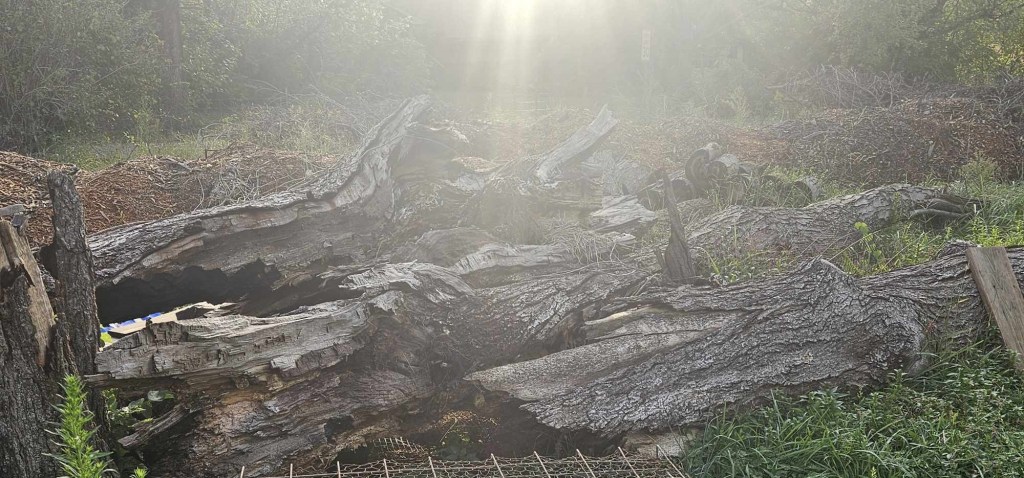
10. Leave Dead Trees and Logs in Place
If you have dead trees or fallen logs in your yard, consider leaving them where they are (as long as they don’t pose a hazard). These decaying trees can be home to a variety of animals, from woodpeckers and owls to small mammals and insects. They provide food and shelter, contributing to the natural cycle of life in your backyard ecosystem.
At Huckleberry Farms, our decision to leave storm-damaged limbs and logs in place has turned out to be one of the best choices we made for supporting wildlife. Not only do these structures provide shelter, but they also contribute to the overall health of our ecosystem by fostering a diverse range of species.
Final Thoughts: Creating a Haven for Winter Wildlife
By taking a few thoughtful actions, you can turn your yard into a haven for wildlife during the colder months. Whether it’s leaving a brush pile, planting native species, or providing fresh water, these small efforts make a big difference for the creatures that call your yard home. At Huckleberry Farms, we’re proud to do our part in supporting local wildlife, and we encourage you to do the same. As winter approaches, let’s create a space that sustains and protects the biodiversity around us, ensuring that our feathered, furry, and insect friends can thrive all year long.
