
In today’s world, where convenience and affordability often drive food choices, many of us have grown accustomed to trusting large-scale food producers and government agencies to ensure the safety and quality of our food. Labels such as “gluten-free,” “organic,” and “natural” seem to reassure consumers that they are making healthy choices. However, as experts like Dr. Sina McCullough and farmers like Joel Salatin reveal, relying on these labels—and on Big Food, Big Ag, and the FDA—can lead to a dangerous false sense of security about what we are truly consuming.
The Illusion of Food Safety
Dr. Sina McCullough’s work emphasizes that the modern food system is not as safe as it appears. For example, gluten-free labels may suggest that a product is free from gluten derived from wheat, barley, or rye, but there is no requirement for it to be free from gluten in other sources like corn or rice, which can still trigger reactions in sensitive individuals. This is just one small example of how labeling can mislead consumers into thinking a product is healthier or safer than it actually is.
One of the most troubling revelations McCullough shared during her presentation at the School of Traditional Skills Summit last month was a direct quote from the FDA itself. On page 2 of the Analysis of Economic Impacts document within the FDA Food Safety Modernization Act, the agency acknowledges the following:
“The lack of awareness and information about the [safety] risks suggests that an inefficiently low demand may exist for food products that are produced using adequate measures to prevent foodborne illnesses, adulteration, or contamination. Because the demand for many manufactured or processed foods may not be sufficiently affected by safety considerations, incentives to invest in safety measures from farm to fork is diminished. Consequently, the market may not provide the incentives necessary for optimal food safety.”
This statement exposes a critical flaw in the industrial food system. The FDA admits that because consumers are not adequately informed about the risks associated with foodborne illnesses and contamination, there is little demand for safer food products. As a result, food producers lack the incentive to invest in the proper safety measures to ensure the health of their customers.
This lack of transparency and motivation within the food industry has dire consequences. Dr. McCullough highlights that when consumers blindly trust food labels and government oversight, they may unknowingly expose themselves to harmful chemicals, additives, and even pathogens. This is particularly concerning when we consider that processed foods dominate grocery store shelves and that many of these products are designed to meet profitability goals rather than prioritize human health.
The Role of Big Food and Big Ag
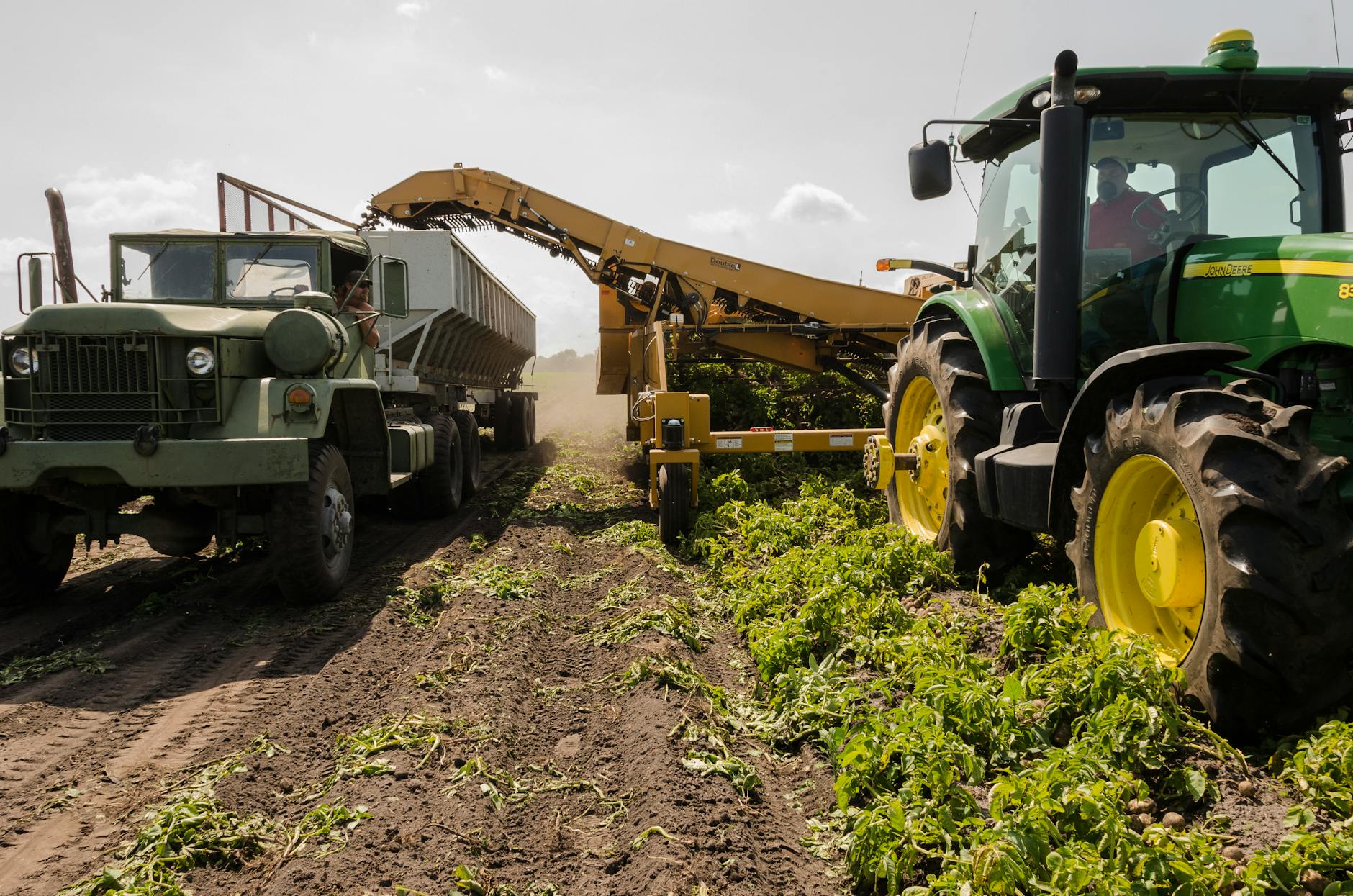
The influence of Big Food and Big Ag on what Americans eat cannot be overstated. Companies like Monsanto, Cargill, and Tyson wield massive power over both the agricultural sector and the food products that eventually land on our tables. Their priorities are not always aligned with public health; instead, the focus tends to be on maximizing efficiency, reducing costs, and maintaining shareholder profits.
Big Ag, for example, has transformed the farming landscape, moving away from traditional methods of farming that prioritize soil health, biodiversity, and animal welfare. Instead, monocultures, heavy pesticide use, and factory farming are the norm. The result is food that may appear healthy on the surface but often lacks the essential nutrients our bodies need and is contaminated with residues from pesticides and herbicides.
Joel Salatin, the regenerative farmer and co-author with Dr. McCullough of Beyond Labels, points out that sustainable, regenerative farming practices are the antidote to the industrial food system. Regenerative farming improves the health of the soil, increases biodiversity, and respects the natural behaviors of animals. However, this type of farming is rarely incentivized or supported by the government or large food corporations, making it difficult for small, sustainable farmers to thrive.
How the FDA Fails to Protect Consumers
Consumers often believe that the FDA exists to protect them from harm, ensuring that only safe, healthy foods make it to market. But Dr. McCullough’s work reveals that this is not always the case. Instead, the FDA is influenced by powerful food and pharmaceutical lobbies, which have a vested interest in maintaining the status quo.
One clear example is how Vitamin C is commonly used in food products. Most consumers assume that when they see Vitamin C listed on a label, it is derived from natural sources such as citrus fruits. However, as Dr. McCullough points out, much of the Vitamin C in processed foods actually comes from genetically modified corn or cotton. These hidden sources of additives further illustrate how food labeling can be misleading, and how the FDA allows such practices to continue without full disclosure to consumers.
The FDA Food Safety Modernization Act, a piece of legislation aimed at reducing foodborne illnesses, underscores the regulatory challenges faced by the agency. While the act introduces new rules for food safety, it also admits that consumers’ lack of awareness about food safety risks diminishes demand for safer food products. Without sufficient consumer pressure, food producers and manufacturers are not motivated to invest in “adequate measures” to prevent contamination or foodborne illness. As a result, consumers are left vulnerable, and the market fails to prioritize food safety.

The Path Forward: Taking Control of Your Food
Dr. McCullough’s message is clear: to protect our health and the health of our families, we must move beyond labels and take back control of our food choices. Here are a few steps that she recommends:
- Educate Yourself: Understanding the limitations of food labels is the first step in making informed choices. Terms like “gluten-free,” “natural,” or even “organic” do not necessarily guarantee that a product is healthy or free from harmful ingredients. Research the sources of your food, and don’t rely solely on labels.
- Support Regenerative Agriculture: Whenever possible, choose food from local, small-scale farmers who prioritize regenerative practices. These farmers work in harmony with nature, using methods that build soil health, avoid harmful chemicals, and treat animals humanely.
- Avoid Processed Foods: Processed foods are often full of hidden additives, preservatives, and low-quality ingredients. By cooking from scratch and sourcing whole, fresh ingredients, you can better control what you and your family consume.
- Demand Transparency: One of the most powerful ways to effect change is to demand better labeling and greater transparency from food producers. As consumers become more informed and vocal, companies will have no choice but to listen and adapt.
- Grow Your Own Food: Even a small backyard garden or container setup can make a huge difference in your diet. By growing your own vegetables, herbs, and fruits, you reduce your reliance on industrialized food systems and ensure that your produce is free from harmful chemicals.
A Must-Read: Beyond Labels
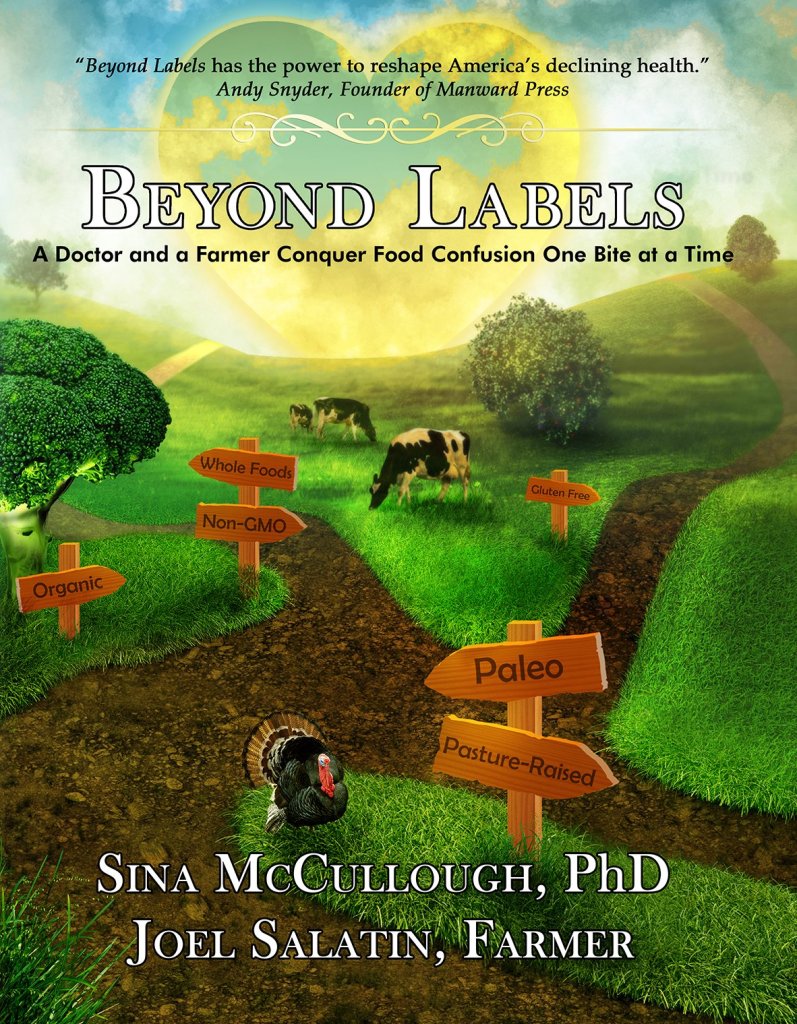
For those who are passionate about regaining control of their health and food choices, Beyond Labels by Dr. Sina McCullough and Joel Salatin is a must-read. This book goes beyond the simplistic labels found on grocery store products and offers practical advice for taking back control of your food, health, and lifestyle.
Salatin and McCullough break down complex issues within our food system and reveal actionable steps anyone can take to move away from industrialized food and towards a healthier, more sustainable future.
While we do not receive any affiliate pay or kickback for recommending this book, we believe that its message aligns deeply with our philosophy at Huckleberry Farms. You can purchase Beyond Labels through Chelsea Green Publishing, directly from the Polyface Farms website, or even on Kindle Unlimited. We encourage you to explore these sources and find the version that best fits your needs.
If reading a book isn’t your thing, maybe listening to a podcast is? You can listen to the Beyond Labels podcast instead!

Beyond Labels and Towards Better Health
The dangers of relying on Big Food, Big Ag, and the FDA to ensure food safety are more evident than ever. Dr. Sina McCullough and Joel Salatin, through their book Beyond Labels, show that true health cannot be found in a neatly packaged box on a supermarket shelf. Instead, it lies in education, conscious decision-making, and a return to regenerative, local, and holistic food systems.
The future of food in America doesn’t have to be dictated by faceless corporations and regulatory bodies that admit they’re failing to protect consumers. As individuals, we have the power to shift the demand curve—choosing safer, healthier, and more sustainable options for ourselves and future generations.
