
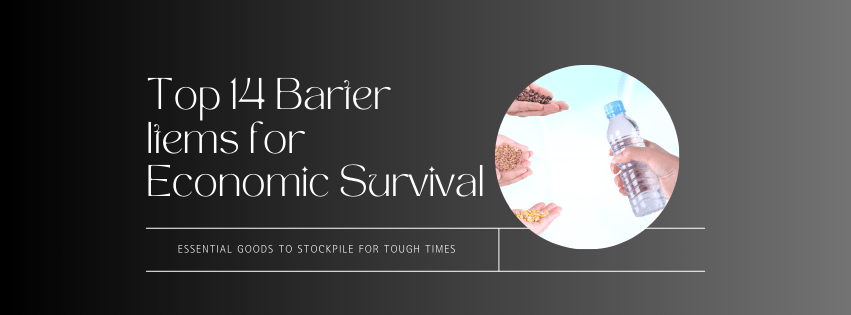
Economic collapses can be triggered by a myriad of factors, including global pandemics like COVID-19, significant political unrest, or governmental instability, such as seen during prolonged government shutdowns. These events can disrupt supply chains, cause widespread unemployment, and erode trust in traditional financial systems. The resultant scarcity of goods and services, along with the devaluation of currency, compels individuals and communities to revert to more primitive means of trade, such as bartering.
The Importance of Discretion in Preparedness
In times of economic turmoil, maintaining discretion about your resources becomes as important as the resources themselves. Displaying or discussing the extent of your supplies can make you a target for both government requisition during state emergencies and civilian looting in times of lawlessness. The unfortunate historical precedents during events like the Civil War, where resources were often seized, underscore the need for prudence. To mitigate such risks, it’s advisable to store your supplies in inconspicuous, secure locations within your home and to have contingency plans for safeguarding these items without attracting attention.
Strategies for Effective Storage
Proper storage of your barter items is crucial to ensure their longevity and availability when needed. Store items in cool, dry places to prevent spoilage and damage. Utilize robust containers that protect against pests and the elements and consider diversifying storage locations to reduce the risk of significant losses in one go. Additionally, managing an inventory list that tracks expiration dates and quantities is vital to maintain a well-organized supply that can support your needs over potentially extended periods of instability.
Bartering as a Vital Skill in Economic Crises
In the event of an economic collapse, when traditional currency systems falter or fail, bartering can become a primary mode of exchange. Ensuring that you have a diverse and valuable set of items for barter can be crucial to navigating such crises effectively. This comprehensive guide explores essential barter items, explaining why each category is vital and how it can help maintain your lifestyle and safety when the usual economic structures are disrupted.
By understanding potential triggers for economic instability and adopting discreet and secure storage practices, you can prepare to not only survive but also thrive in the face of economic challenges. This proactive approach ensures you remain resilient, keeping your family and community supported during unpredictable times.
Essentials for Survival
1. Personal Protection and Security
- Items: Ammunition, firearms, pepper sprays, knives.
- Why: Security concerns often rise as public services diminish. In times of lawlessness or diminished public safety, the ability to protect oneself and one’s property becomes paramount. These items not only ensure personal security but also hold significant bartering value in unstable times.
2. Water Purification Supplies
- Items: Portable water filters, purification tablets, and chlorine drops.
- Why: Water is a non-negotiable element of survival. In crises, public water supplies might be contaminated or disrupted, making personal water purification tools indispensable. These items are incredibly valuable for barter as they ensure access to clean, safe drinking water.
3. Non-perishable Foods
- Items: Canned goods (vegetables, fruits, meats), dried foods (beans, lentils), grains (rice, quinoa), pasta, and nutrient-dense foods like peanut butter.
- Why: Food security becomes a primary concern in an economic collapse. Stockpiling a variety of non-perishable foods ensures you have essential nutrition when supplies are scarce. These items are always in high demand during crises, making them excellent for trade.
4. Fuel and Fire
- Items: Propane tanks, charcoal, firewood, eco-friendly lighters, waterproof matches.
- Why: Heating, cooking, and sometimes transportation rely on fuel, which may become scarce. Items that provide or enable heat generation are crucial and can fetch necessary resources through barter.
5. Clothing and Warmth
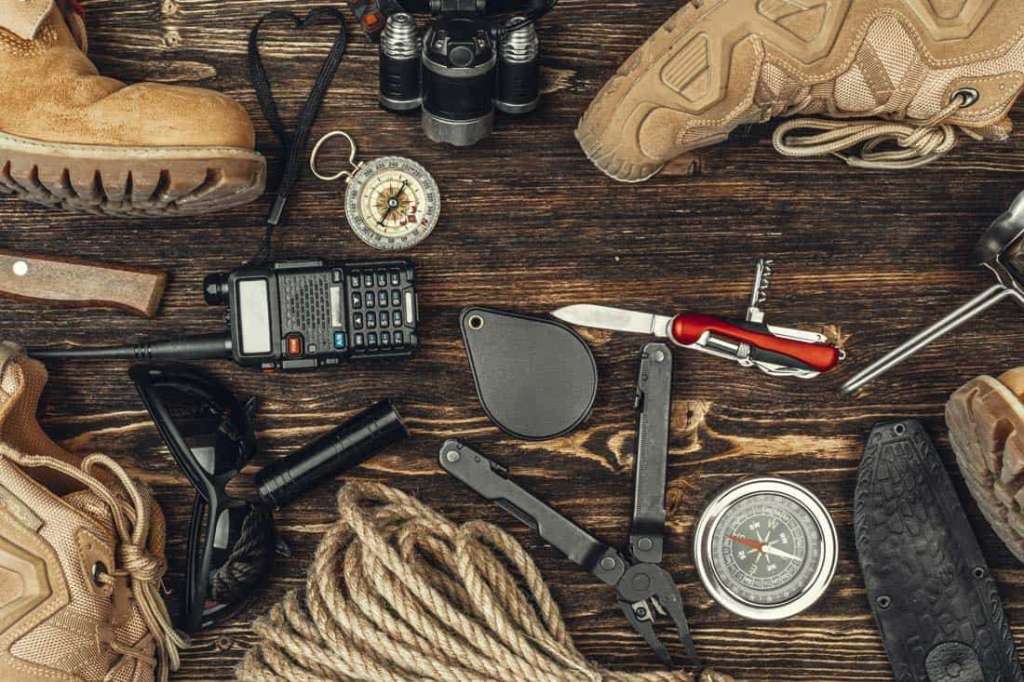
- Items: Durable clothing, thermal underwear, jackets, boots, blankets.
- Why: Proper clothing and warmth are vital for surviving harsh conditions. These items help protect against the elements and are essential in cold climates.
6. Medical Supplies
- Items: Comprehensive first aid kits, over-the-counter medications (pain relievers, anti-diarrheals), prescription medications, bandages, antiseptics, and antibiotics.
- Why: Access to healthcare can be severely limited during economic downturns. Having a stock of medical supplies can save lives, manage chronic conditions, and treat common injuries, making them extremely valuable in barter scenarios.
7. Batteries and Power Supplies
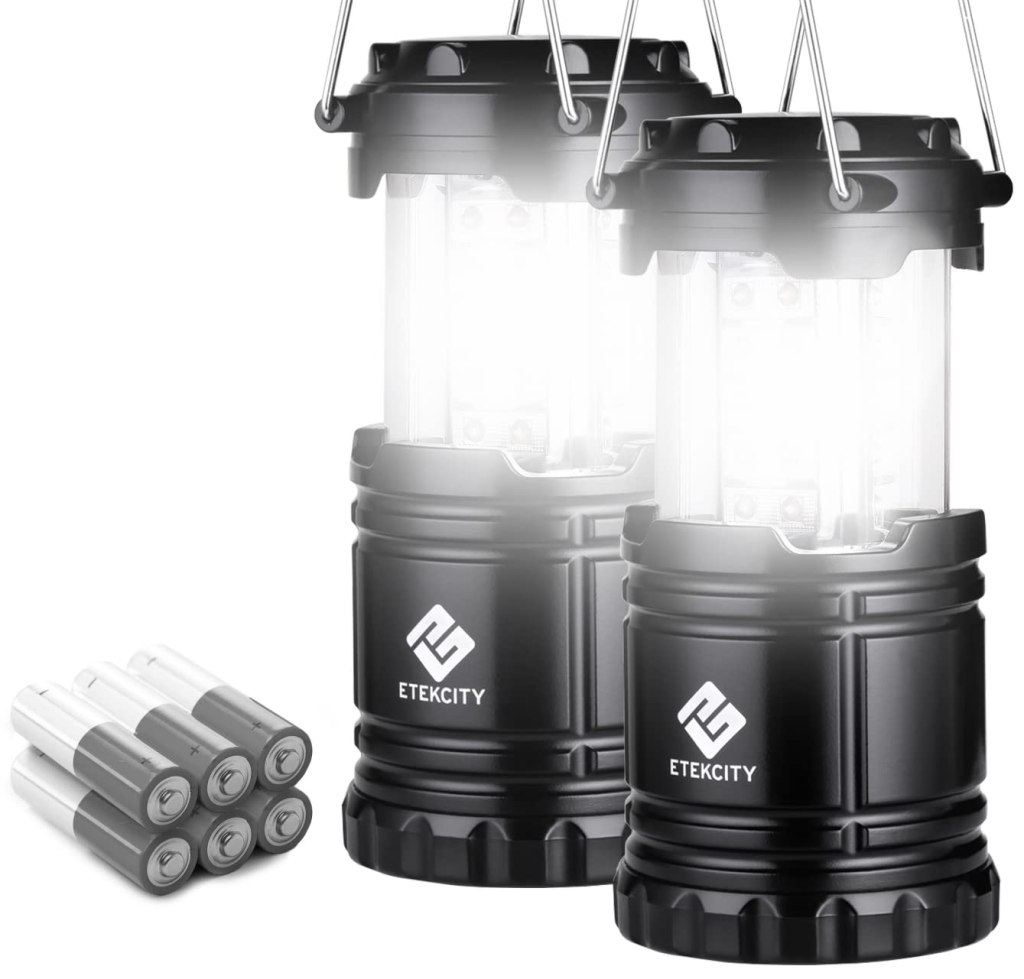
- Items: Rechargeable batteries, solar power chargers, hand-crank radios, portable generators.
- Why: Maintaining power is critical for lighting, communication, and operation of essential devices. These items help preserve a semblance of normalcy and safety, enhancing their bartering value.
8. Tools and Hardware
- Items: Multi-tools, hammers, screwdrivers, nails, screws, saws, wrenches, and bolts.
- Why: The ability to repair and construct is invaluable in a prolonged crisis. Durable tools have enduring utility, making them excellent barter items for those needing to maintain or improve their living conditions.
9. Seeds and Gardening Supplies
- Items: Non-GMO heirloom seeds, soil amendments, small gardening tools.
- Why: The ability to grow food can be life-sustaining in extended crises. Seeds and gardening supplies allow for food independence and are valuable in communities focusing on sustainability.
10. Alcohol and Tobacco
- Items: Bottles of liquor, cartons of cigarettes.
- Why: Beyond their recreational use, alcohol can serve as a disinfectant, and tobacco as a comfort item. Both can be highly prized in stressful times.
11. Hygiene Products
- Items: Soap, shampoo, toothpaste, menstrual products, diapers, and toilet paper.
- Why: Personal hygiene is crucial for preventing disease and maintaining morale and dignity. These items often become scarce in crises, driving up their value significantly.
12. Precious Metals
- Items: Gold coins, silver bullions, jewelry.
- Why: In times of currency devaluation, precious metals can serve as a reliable medium of exchange. They are universally recognized, portable, and hold intrinsic value.

13. Entertainment and Mental Health
- Items: Books, board games, playing cards, sports equipment.
- Why: Maintaining mental health and morale is crucial. Entertainment items can provide relief from stress and are valuable in promoting community and family cohesion.
14. Skills and Expertise
- Items: Carpentry, medical knowledge, mechanical skills, educational tutoring.
- Why: In a collapsed economy, skills become as valuable as physical goods. Offering services in exchange for other necessary items can be a sustainable way to barter without depleting your own resources.
Preparing for economic instability by accumulating a range of valuable barter items can ensure that you and your family are well-equipped to handle various challenges. Each category of items not only serves practical purposes but also enhances your ability to negotiate and trade in a barter-based economy. By understanding the ‘why’ behind each item, you can prioritize your resources effectively and maintain a high level of preparedness.
