
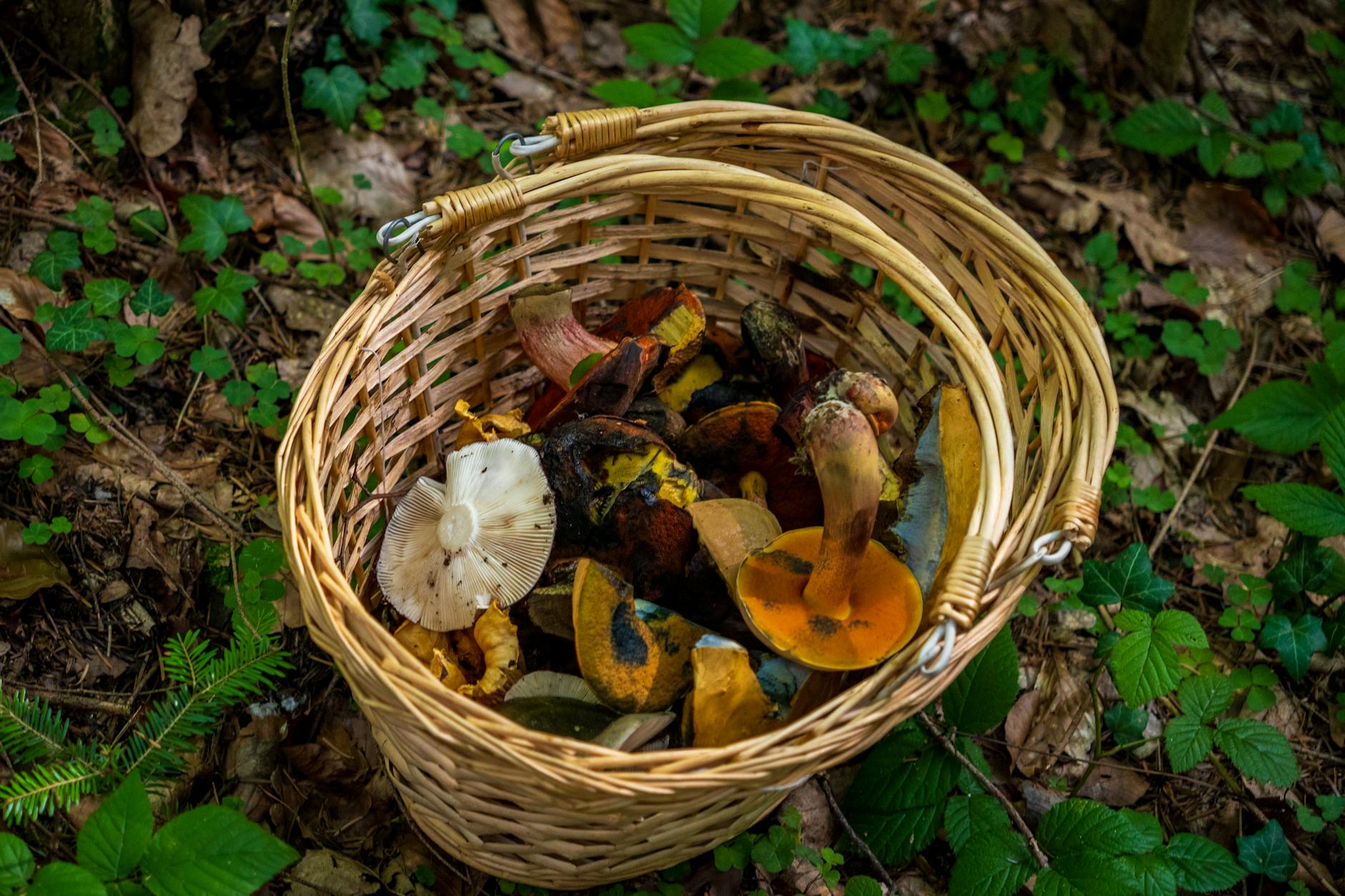
Rediscovering Nature’s Pantry: The Art of Fall Foraging
Foraging is an age-old practice that has provided sustenance and medicinal resources for generations. As more people seek sustainable and eco-friendly ways to live, foraging is seeing a resurgence in popularity. By foraging responsibly, you can tap into nature’s vast storehouse of wild food and healing plants. Not only does foraging connect you to the land, but it also allows you to explore diverse flavors and gain a better understanding of ecosystems. This guide provides a comprehensive look at wild foods and plants that can be foraged during the fall, along with tips to help you forage safely and sustainably.
Before heading out, it’s important to familiarize yourself with the types of plants and fungi you may encounter, including their uses and any risks associated with their consumption. From nourishing nuts and fruits to potent medicinal herbs, fall presents a variety of treasures ready to be gathered. As always, when foraging, it’s crucial to prioritize safety, proper identification, and respect for the environment.
Additional Information
If you’re new to foraging or planning to expand your knowledge, consider connecting with local foraging groups or attending a guided walk with experienced foragers. Many regions also offer workshops and classes where you can safely learn about wild plants and mushrooms. Additionally, it’s always good practice to carry a comprehensive field guide that includes the plants and fungi common to your area, especially for beginners.
Lastly, while foraging can help reduce your environmental footprint, it’s also an opportunity to reduce reliance on conventional food systems, create unique culinary experiences, and explore natural remedies for common ailments. As you explore the landscape, take time to notice the interconnectedness of the plants, animals, and ecosystems you are interacting with.
Edible and Medicinal Treasures: A Guide to Fall Foraging
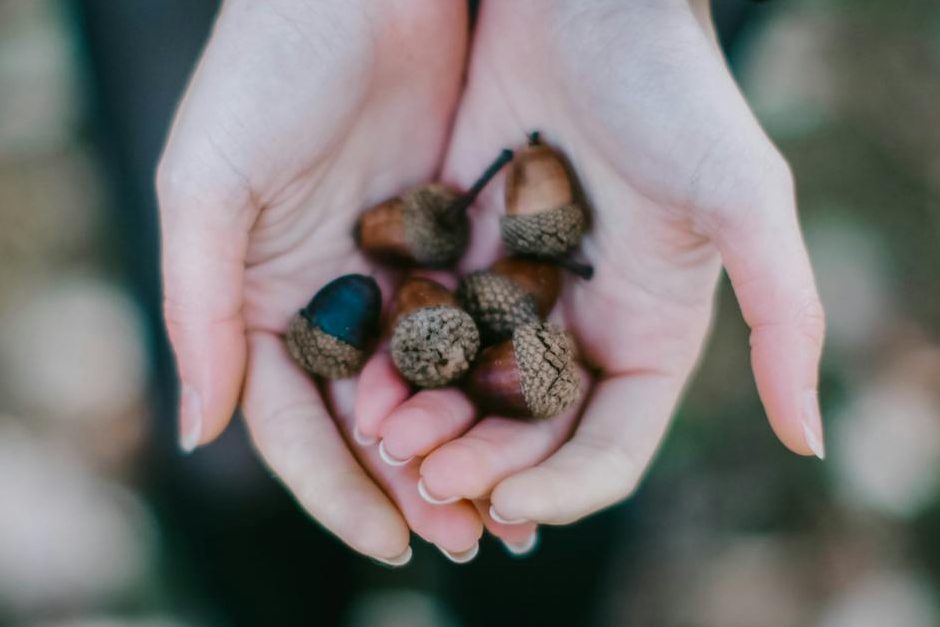
Acorns – The nuts of oak trees, acorns come into season in the fall (along with most other nuts) and are especially abundant. Acorns need to be processed to remove their tannins before becoming edible. Once prepared, acorn flour has a delicious, nutty flavor and can be used to make acorn cookies!
Autumn Olive – This bushy shrub is not only a beautiful sight with its silvery leaves and red berries but also a great source of nutrients. The berries are packed with antioxidants and vitamins, and their tart flavor makes them perfect for jams and pies. Autumn olives are small red fruits that grow on a shrub, despite their misleading name—they are not olives at all. They have become an invasive species in the central and eastern United States. They are a tart berry that needs to be fully ripe before eating or else they are highly astringent. Use them to make autumn olive jam, autumn olive jelly, autumn olive ketchup, or autumn olive cookies.
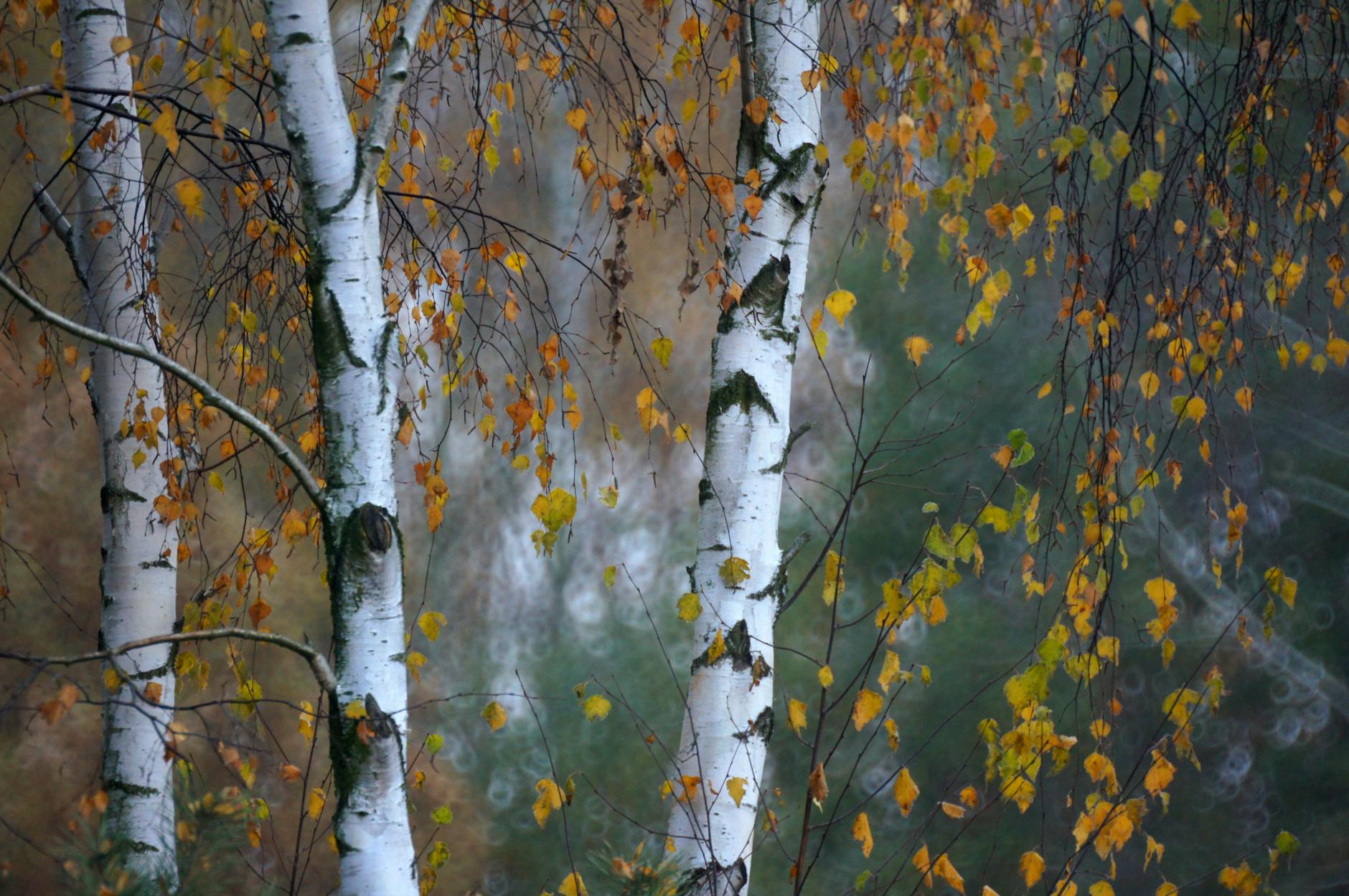
Birch – Birch trees are another one that can be foraged in colder regions. The bark and small twigs and branches can be made into a birch bark tea. The inner bark can also be made into a birch bark flour substitute. Don’t take too much of the bark from one tree as it can be harmful to the growth of the tree. Birch tar oil, distilled from the bark, is a traditional treatment for chronic skin diseases. The leaves contain aspirin-like substances that contribute to their ability to control inflammation and relieve pain. Traditional uses of birch include rheumatic pain, gout, fibromyalgia, and kidney and urinary tract infections such as cystitis. A warm decoction of the leaves and twigs can be applied to ease aching muscles. The sap is thought to have diuretic properties.
Black Walnuts – Black walnuts are abundant in many areas and are a perfect fall foraging food, but they take a bit of work to hull and crack. Use a sturdy nutcracker or a hammer to crack open the tough shells. Some people aren’t crazy about the flavor, but give them a try and see what you think! Make black walnut pie or black walnut snowball cookies with your foraged black walnuts. Hulls can be combined with echinacea purpurea roots, Usnea, Spilanthes leaves & flowers, and goldenseal root to create a tincture that is effective for clearing up candida and other fungal and yeast overgrowths in the vagina as well as in the urinary tract, mouth, and on skin and nails.
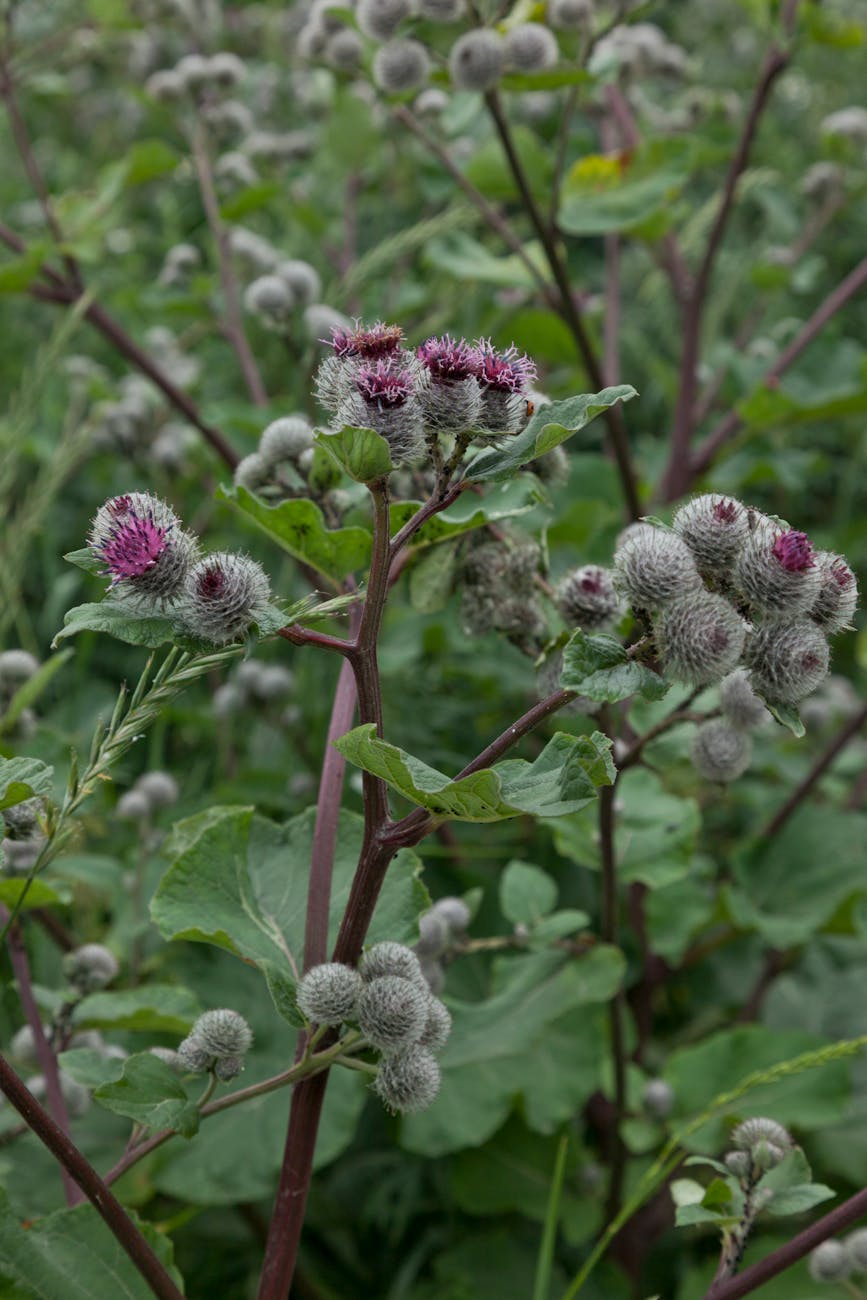
Burdock Root – Burdock is a thistle that has an edible and tasty root. In fact, there are many types of thistles such as bull thistle and milk thistle, that have edible roots that you might be able to dig up during the fall season. One of the foremost detoxifying herbs in Western and Chinese herbal medicine, burdock is used to cleanse the body of waste products, including heavy metals. Traditionally combined with dandelion to make a tonic, cleansing drink, burdock is an important detox remedy.
Often used to treat skin problems, also supports the immune system during infection and chronic illness. Conditions as varied as acne, boils, eczema, arthritis, fibromyalgia, and tonsillitis will benefit from the herb’s pronounced ability to stimulate the release of waste products from the cells. Should be used with caution as even small amounts can cause an initial flare-up in symptoms, particularly in skin disorders. For this reason, it is rarely used on its own and is combined with remedies such as dandelion, red clover, and yellow dock that counterbalance its detoxifying action.
Chanterelles – These golden, fan-shaped mushrooms are a forager’s reward. Found under hardwood trees, particularly oaks, chanterelles are known for their delicate flavor and are highly prized in culinary circles. Ensure proper identification as chanterelles have look-alikes that can be toxic. It’s recommended to forage with an experienced guide or consult with a mycologist before consuming wild mushrooms. Chanterelle mushrooms are so delicious. They are most prevalent in the fall after a few good rains. You can’t beat fresh chanterelles sautéed in butter with a little garlic and thyme. Or, if you’re a little more adventurous, you can try chanterelle ice cream!
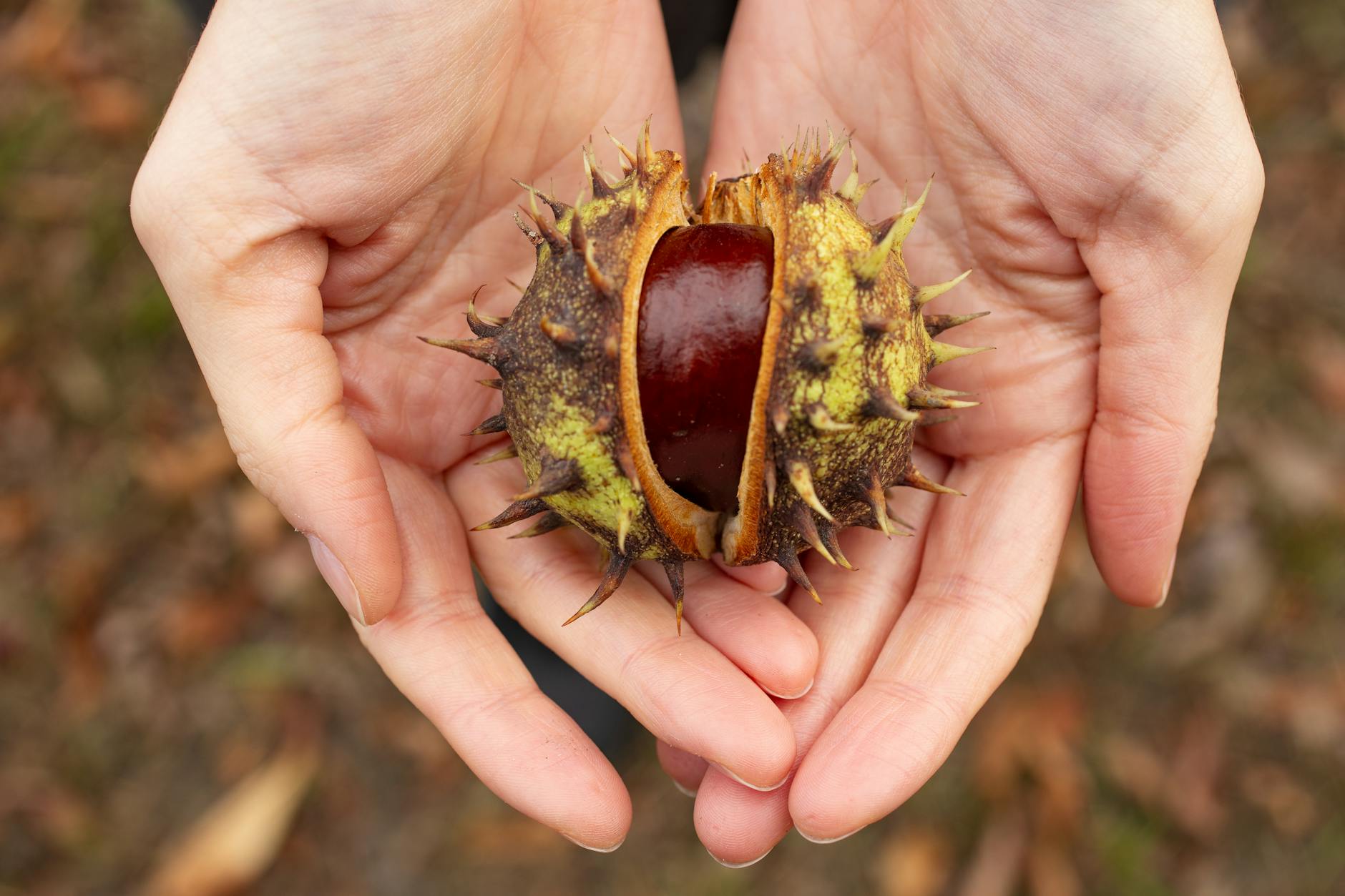
Chestnuts – Sweet chestnuts are a classic and delicious fall treat, and are particularly good when roasted. Don’t confuse them with toxic and very bitter horse chestnuts though, they look similar to the untrained eye.
Chicory Root – Chicory grows almost everywhere and the root can be harvested through the fall. Like dandelion root, it is another bitter herb that makes a nice coffee substitute if you need a hot drink, and chicory mocha looks delicious. You can make dandelion and chicory chai if you find both dandelion and chicory root. Perhaps best known as a caffeine-free alternative to coffee, chicory root exerts a gentle tonic action throughout the digestive system, relieving wind, bloating, and constipation.
It is useful in upper digestive problems, such as loss of appetite and weak digestion, and is an excellent remedy for those with windy digestion. A mild laxative, it is particularly safe for young children with constipation. Chicory root contains large amounts of inulin, a prebiotic known to support healthy gut flora that also appears to inhibit harmful bacteria in the gut. Chicory root promotes liver regeneration and healthy pancreatic function, making it a useful remedy for diabetics. It has also been used to treat osteoarthritis.
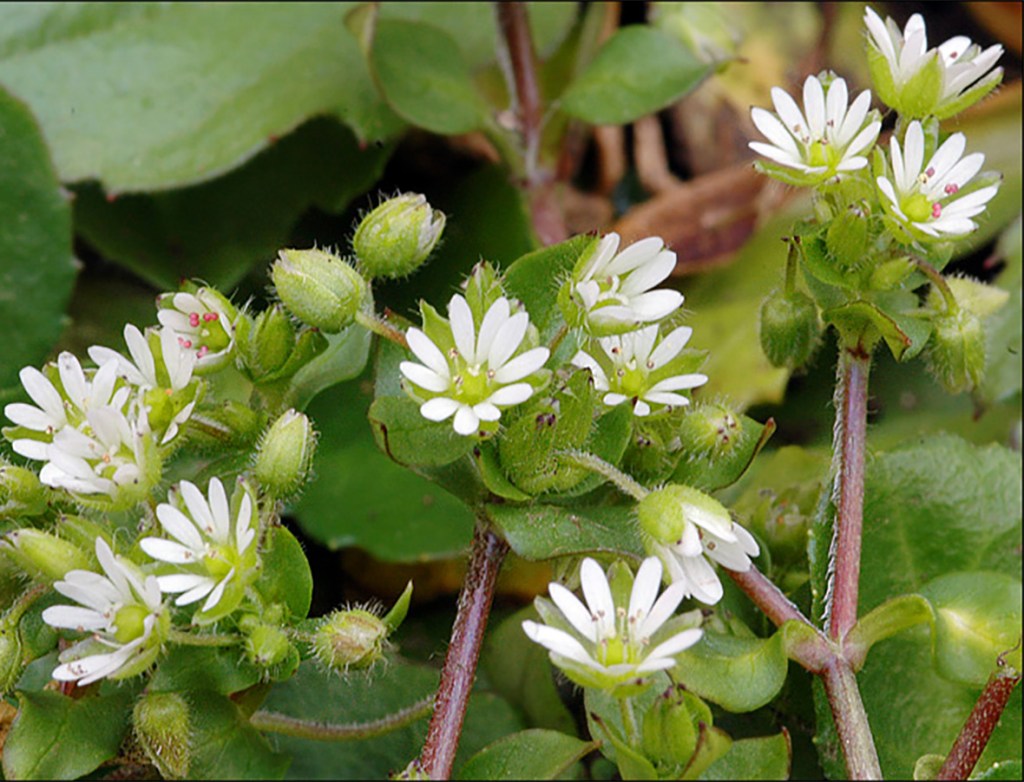
Chickweed – Chickweed is one of my very favorite wild greens. It is one of the first edible greens to come up in the spring, and then like magic, it makes another appearance in the fall after it cools down a bit and we get some rain. Try making chickweed pesto with its prolific greens and chickweed salve for its medicinal properties! You can also freeze chickweed for later use. Best known as a remedy for itchy skin, chickweed can also bring relief to problems such as eczema, nettle rash, and irritated varicose veins. The cream and freshly squeezed juice are markedly cooling on the skin and can be applied as often as needed to soothe sore and itchy areas. The infusion can be added to a bath or cooled and used as a wash on varicose veins.
Conifer Needles – The needles of evergreen conifers are one of the easiest and most widespread things to forage in the fall. Most conifers are edible, except for the yew tree, which is toxic. It’s important to be certain of your conifer identification for this reason. Try pine, spruce, fir, redwood, or hemlock (the conifer, not the toxic herbaceous annual plant). Pine needles make a lovely pine needle tea, a medicinal pine needle cough syrup, or even pine soap! You can also put them in food and drinks like conifer needle shortbread cookies or boozy infusions like conifer-infused vodka.
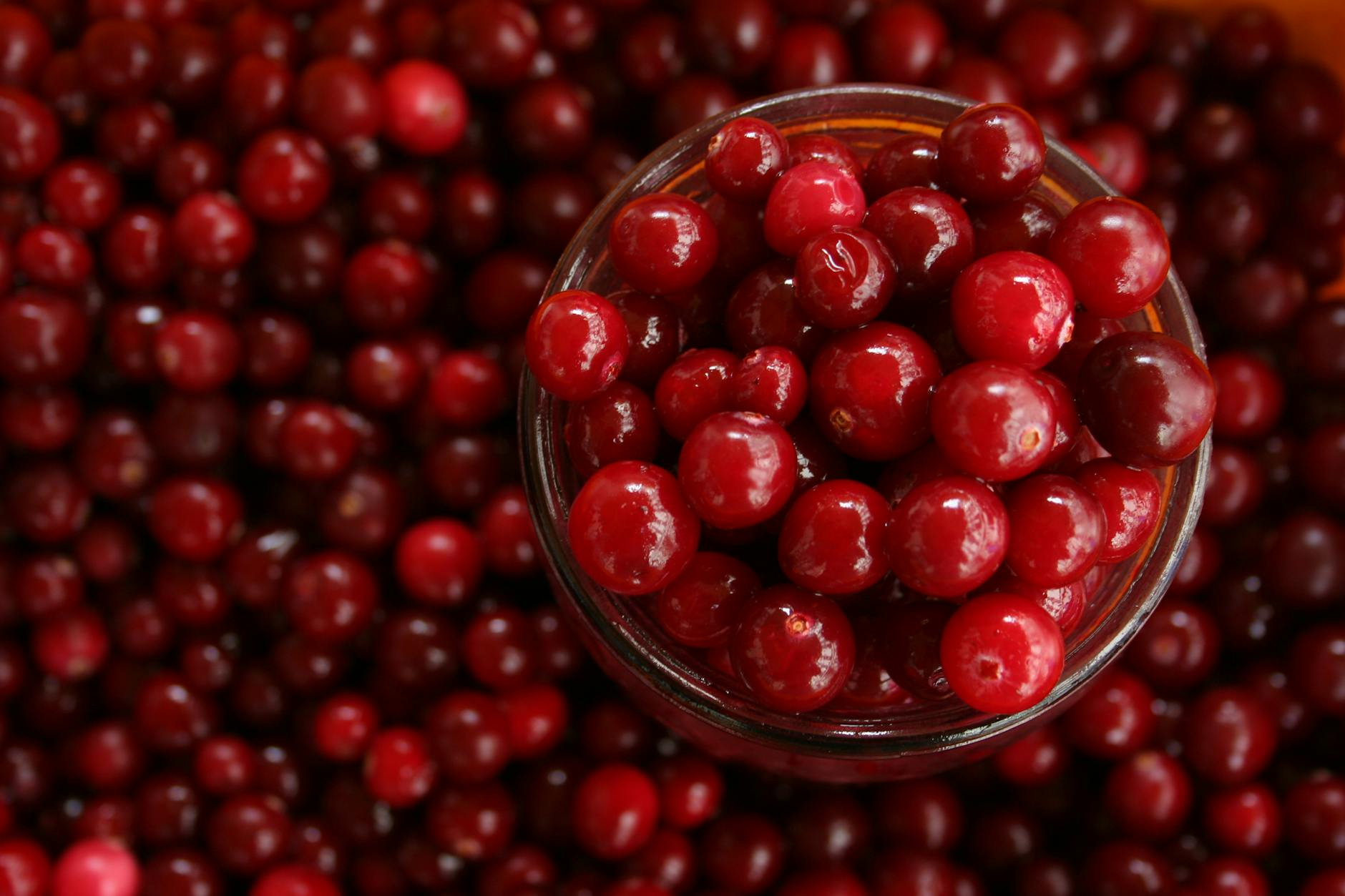
Cranberries – Wild cranberries are native to the Northeastern and upper Midwestern states and Eastern Canada, and are a popular berry for fall foraging. They handle frosts well and will last through the fall and sometimes even through part of winter. Use your foraged cranberries to make awesome fermented honey cranberries, lacto-fermented cranberries, or simple spiced cranberry sauce. Cranberry juice or powder for cystitis and gastrointestinal infections. The most widely known and accepted treatment for bladder infection/cystitis is cranberry juice. It is best to use unsweetened cranberry juice. Make by blending frozen cranberries with fresh water. To be effective, several glasses of cranberry juice must be consumed daily. To help with hydration, unsweetened cranberry juice diluted and sweetened with a little honey is a refreshing tonic for the kidneys and urinary system.
Crabapples – Wild apples are also known as crabapples, and they are smaller and much more sour than their cultivated counterparts. They are delicious when cooked into pies or other desserts and they make a great crabapple jelly or crabapple butter.
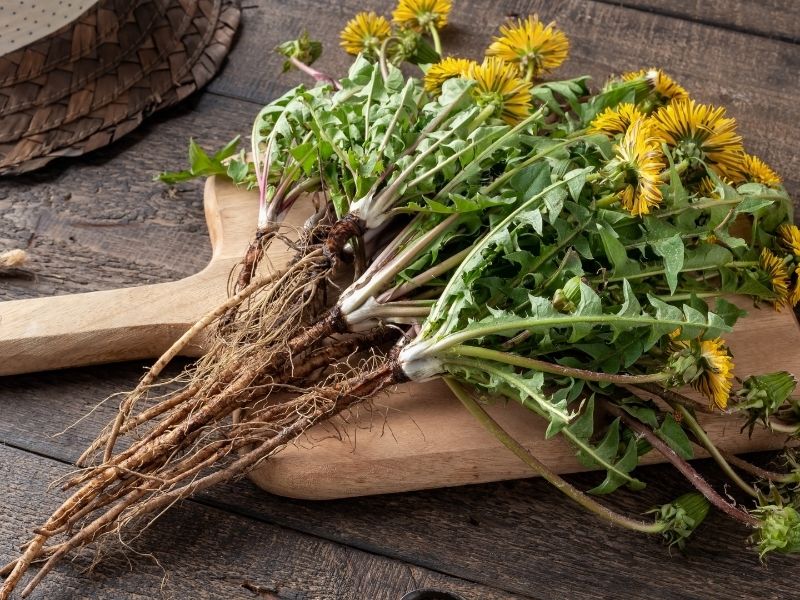
Dandelion – Dandelion root is abundant and perfect for fall foraging. It is a highly medicinal bitter herb that can be used to make a caffeine-free roasted dandelion root coffee substitute, dandelion root chai, or even dandelion root-infused honey. It is also a great herb to use in homemade bitters. Dandelion root coffee cake sounds amazing, and dandelion root muffins are so good! The root can be used fresh or dried in teas and soups and, preferably, fresh when making tincture.
Dandelion root offers liver support for people recovering from drug or alcohol abuse, overextended use of antibiotics, and eating disorders. It is high in plant estrogens and is considered the herb par excellence for the liver, benefiting all liver disorders, digestive upsets, and gall bladder problems. As a specific herb for the liver, it also supports the female reproductive system by helping regulate and normalize hormone production. Both the root and the leaf of dandelion provide essential nutrients to the system and are rich sources of vitamins A and C, iron, calcium, potassium, and many other trace minerals.
Dandelion greens are also nutritious. Each cup of dandelion greens provides 7000 – 13000 I.U. of vitamin A. Marinating steamed dandelion greens in an olive oil, honey, and vinegar dressing overnight almost completely removes their bitterness. It’s common for dandelion greens and flowers to come back to life after the first fall rains. They will die back after a frost or two, so enjoy them while you can! You can also make dandelion pesto with the greens. If you harvest a lot of blossoms, consider making dandelion salve, dandelion mead, dandelion lotion bars, dandelion-infused vinegar, or even dandelion soap.

Dock Seeds – Curly dock and yellow dock are common leafy weeds that are foraged in spring and summer for their greens. In late summer they shoot up a large stalk that will eventually be covered in seeds in fall. Once winter comes, the plant will die back, leaving the dried seed stalk. I’ve heard it’s difficult to collect the seeds and do much with them, but dock seed crackers and dock seed brownies sound pretty tasty!
Elderberries – Elderberries are popular right now because of their immense medicinal value. They are also edible but are best cooked in order to avoid any stomach upset. They are easy to forage for in many parts of the world. Make an immune-boosting elderberry syrup and tincture, or try elderberry mead, elderberry soda, elderberry cocktail, or fermented elderberry honey. They can also be included in a medicinal herbal tea blend. Ripe elderberries contain high levels of vitamin C and contain strong antioxidants. Take elderberry syrup or extract to counter infection and speed recovery. A recent clinical trial found that elderberry extract shortened recovery time in people suffering from influenza. In either form, the berries can be taken to improve resistance to infection and reduce a tendency toward recurring colds, sore throats, and coughs.
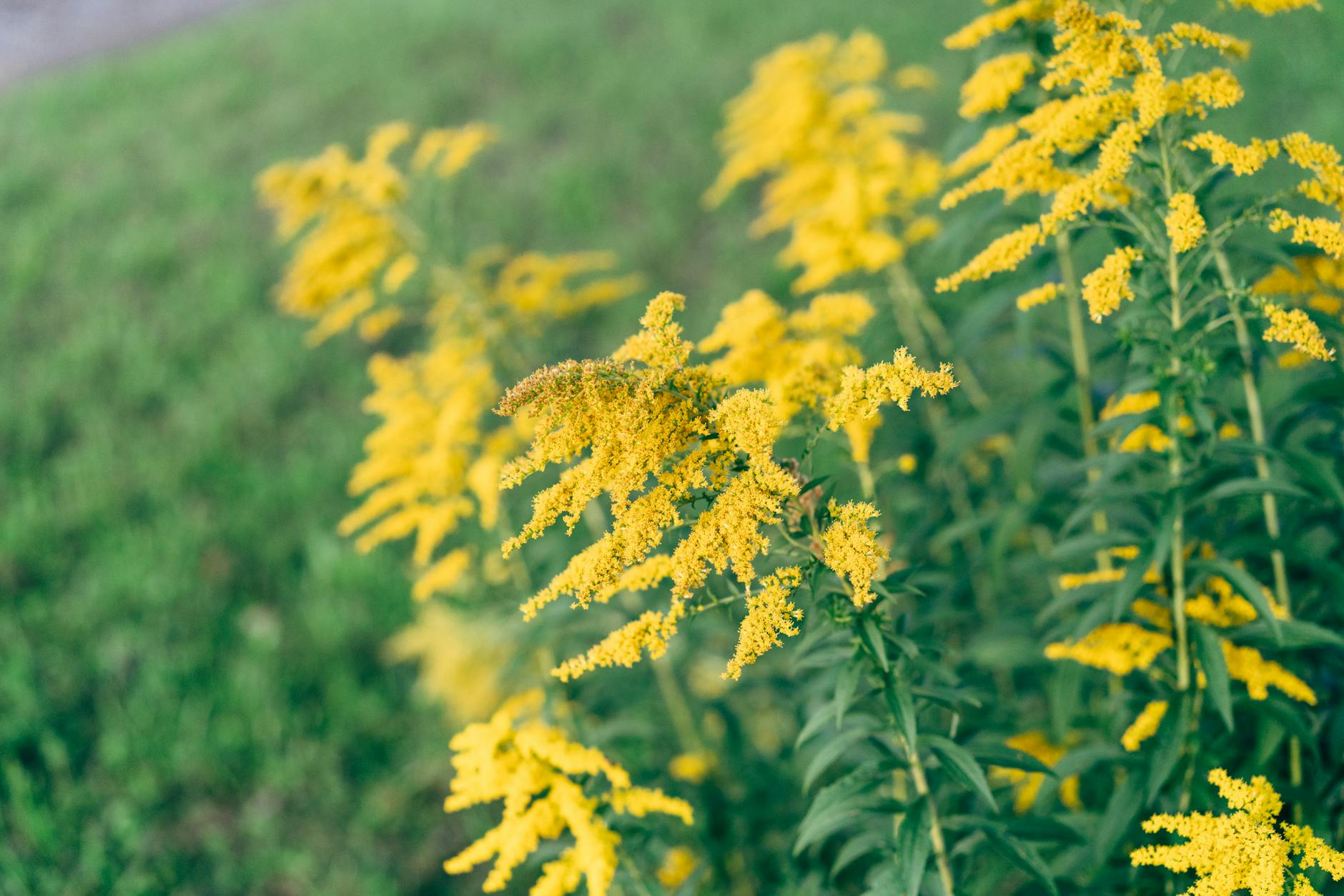
Goldenrod – Often unjustly blamed for causing seasonal allergies (hay fever), goldenrod is actually a fantastic plant for foraging. Its flowers can be used to make a soothing tea, renowned for its medicinal properties to combat cold and flu symptoms. Goldenrod has a lovely yellow flower that is often wrongly blamed for allergies when ragweed is usually the main culprit. It blooms in the late summer and into fall. Use goldenrod to make an herbal honey or tincture, or make goldenrod soap!
Grapes – Wild grapes are common in many areas and grow along roadsides, forest edges, and stream banks. They are best after a frost, so fall is the perfect time for foraging. Use them like you would use regular grapes to make grape jelly, juice, or wine. Grape leaves are also edible.
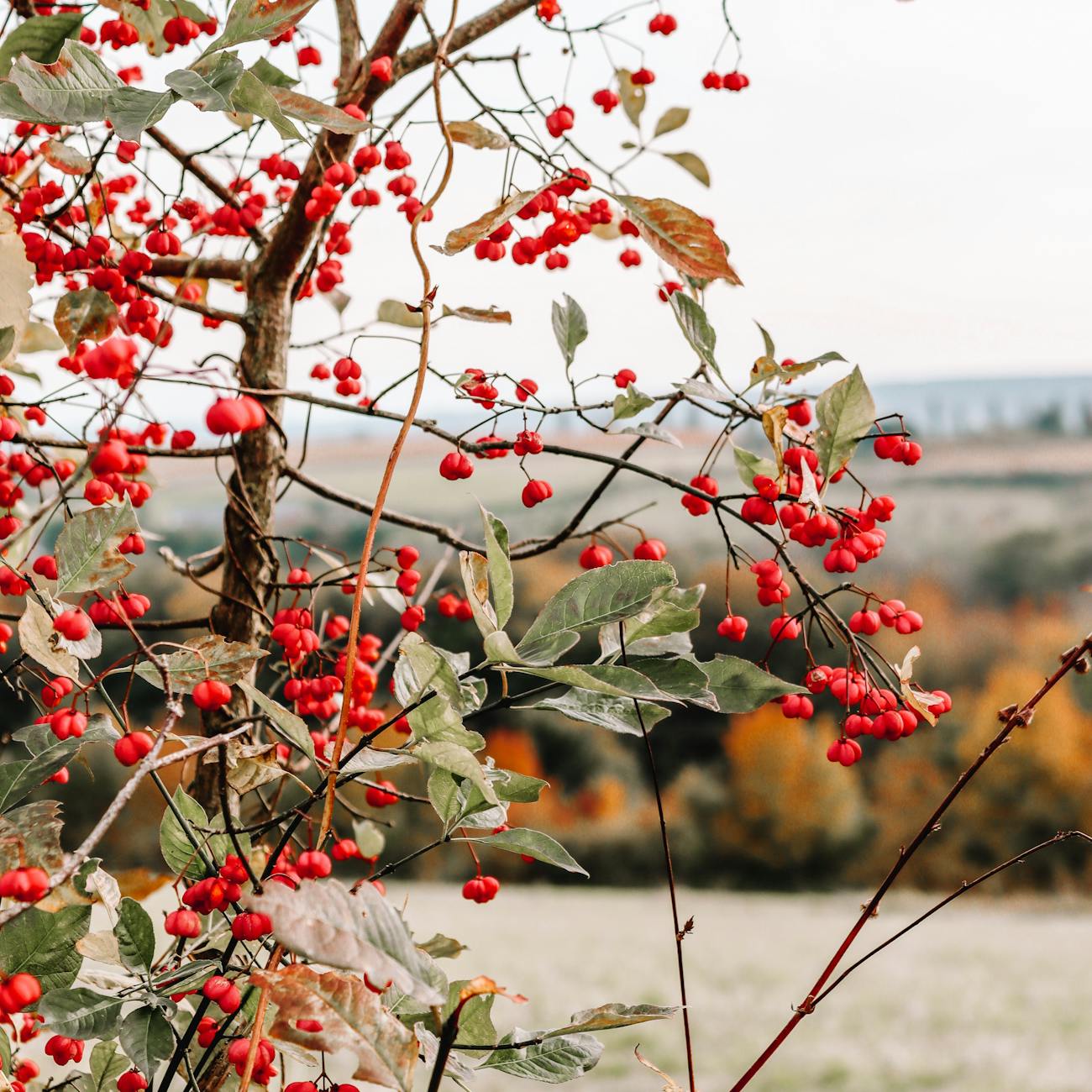
Hawthorn Berries – There are many types of hawthorn berries, and they are ripe through the fall season. Not all varieties taste great, but none are poisonous, except for the seeds. Don’t eat the seeds! They are high in pectin and make a wonderful jelly or jam. They can also be made into hawthorn syrup or spiced hawthorn mead with rose hips.
Hawthorn berries improve blood flow through the coronary arteries to the heart. Can be used to treat high blood pressure with long-term use. Can be combined with other herbs to make teas. High in bioflavonoids. Improves the integrity of the collagen matrix, which keeps joints and connective tissues strong and healthy and reduces inflamed joints. Can make a concentrated paste that requires several gallons of berries cooked at a very low temperature.
When taken over several months daily, helps to restore cardiovascular tone, improves coronary circulation, nourishes cells of the cardiac muscle, normalizes blood pressure (taken with other herbs such as linden flowers, garlic, parsley, and skullcap) reduces the possibility of angina attacks by dilating the coronary arteries, and aids in the healing process of back injuries, hemorrhoids, and varicosities. In the 19th century, an Irish physician named Dr. Green became famous for his secret remedy for heart disease. After his death, it was revealed that his “cure” was actually a tincture made of hawthorn berries.
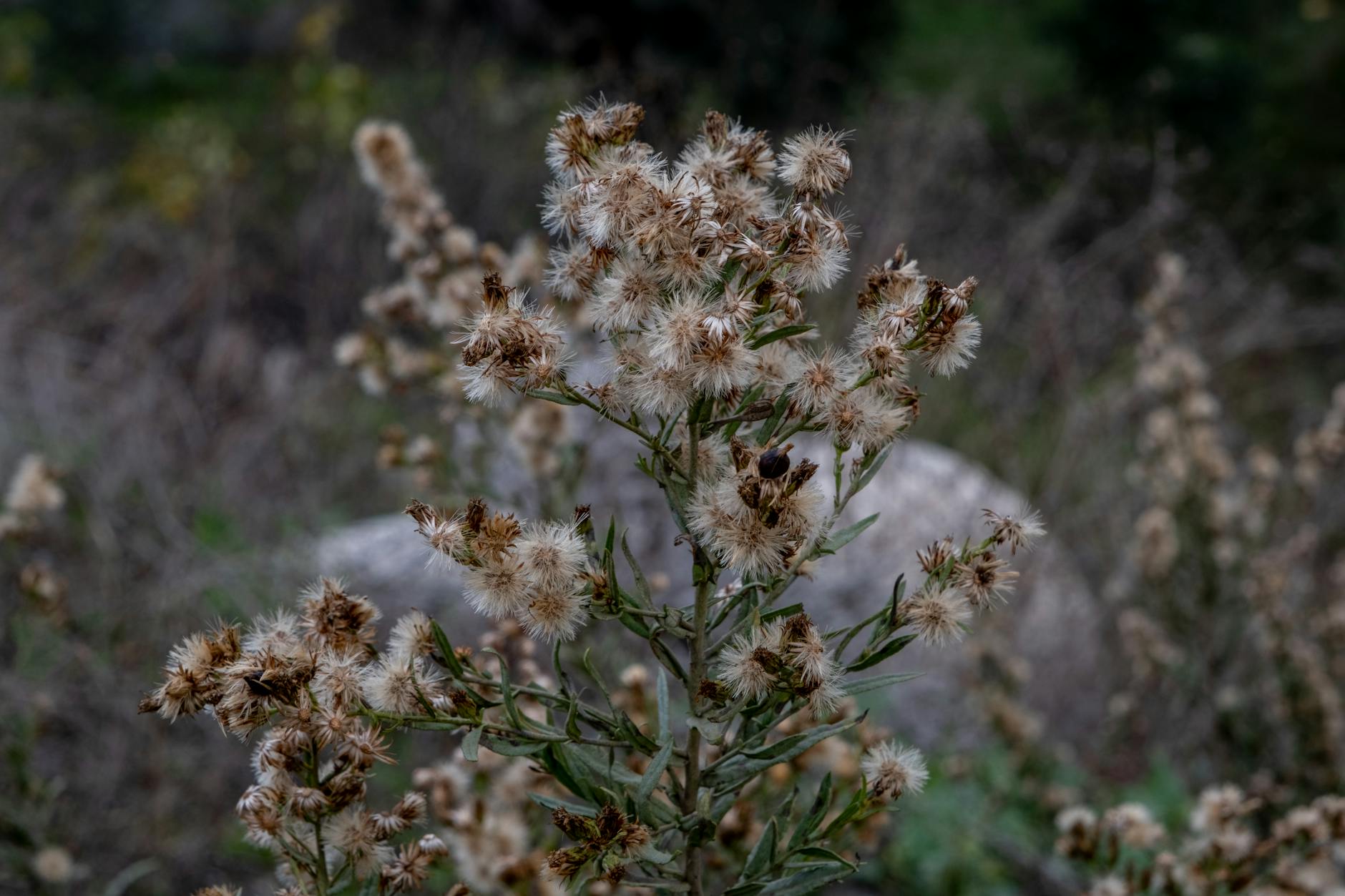
Horseweed – Common in disturbed soils, horseweed can be used in salads or cooked as a green. It’s important to harvest horseweed before it flowers, as the leaves can become too tough to eat.
Jewelweed – Best known for its skin-soothing properties, jewelweed is a remedy for poison ivy rashes and bug bites. The plant can also be used to make a mild, jewel-like jelly that has a subtle, sweet flavor.
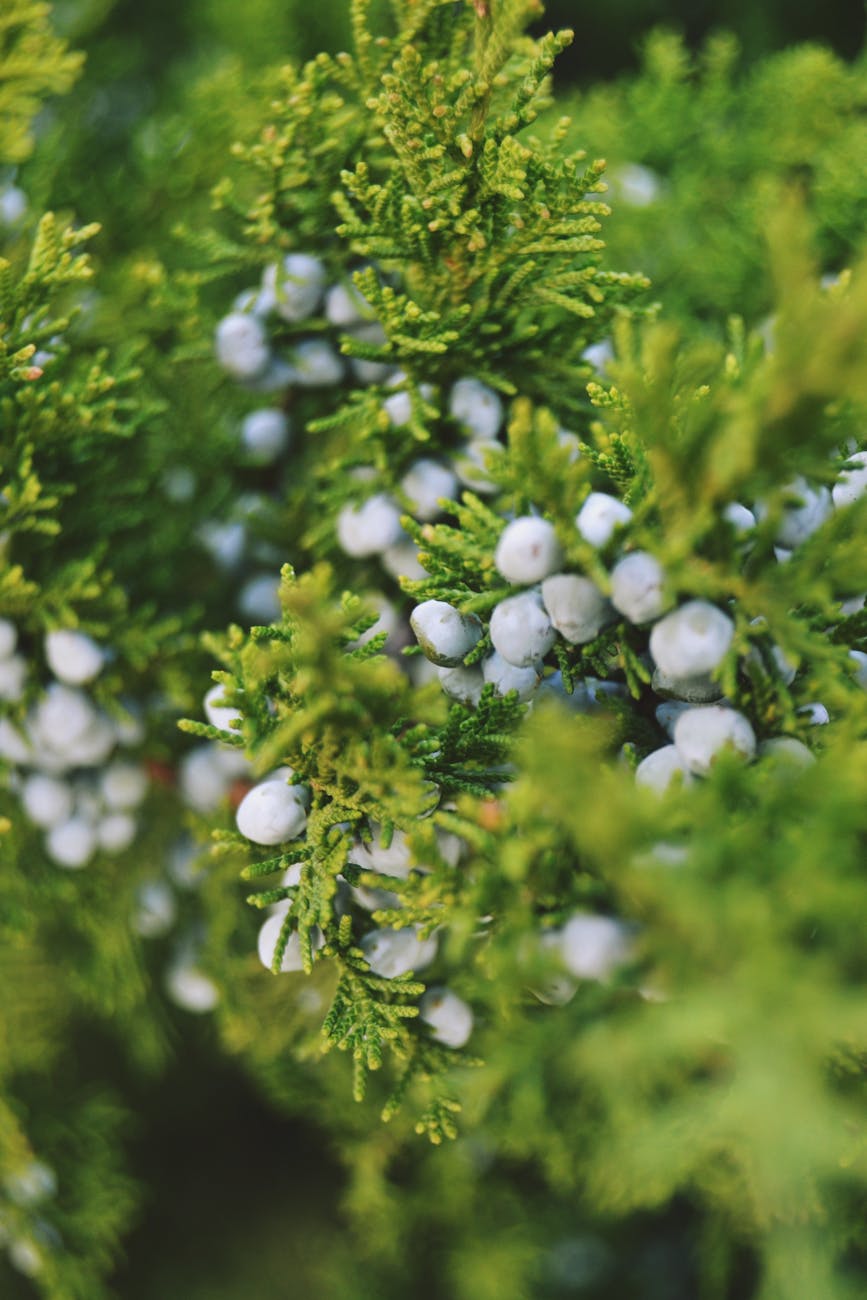
Juniper Berries – Juniper berries aren’t really berries at all, they are actually fleshy pine cones with a distinctive scent and flavor. They are most commonly used as a spice or for medicinal uses rather than as food. They are probably most well-known as the main flavoring agent for gin. Collect some and make your own infused winter gin! They can also be made into a medicinal tea, or used to make a wild yeast starter for fermenting. Use juniper berries sparingly, as they have a strong flavor and can be toxic in large amounts.
PawPaw – Often referred to as the “Indiana Banana,” the PawPaw is America’s largest native fruit and can be found in the wild parts of West Central Indiana. This custard-like fruit has a sweet, tropical flavor that resembles a mix of banana, mango, and melon. The ripe fruit is nutritious, cleansing, and mildly laxative. PawPaw seeds can be used to treat worms. When unripe fruit is cut, a thick white juice or latex containing papain (digestive enzyme) seeps out. Papain breaks down protein, especially in an alkaline environment, making it a useful supplement that promotes effective digestion within the small intestine, in particular when normal digestive secretions are deficient. While delicious, approximately 1% of individuals may experience an allergic reaction to PawPaws. As with any wild foraging, ensure you can positively identify the plant and check for personal allergies before consuming.
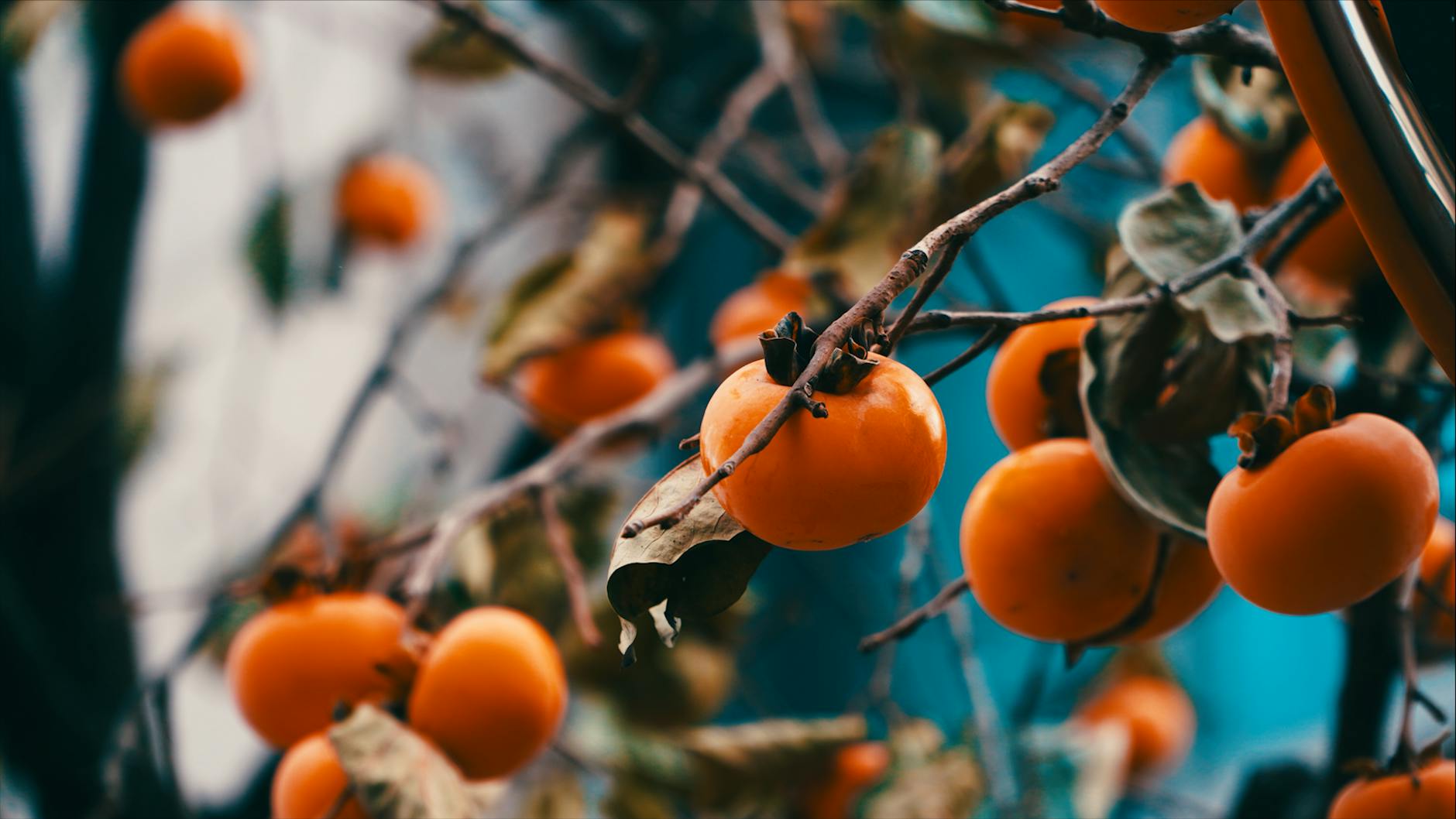
Persimmons – The American persimmon is native to the southeast part of the country and can be found wild there, along with California and a few other southwestern states. Persimmons are delicious fruits that need to be eaten when very soft and ripe, otherwise, they are extremely sour and bitter. Make persimmon cake, persimmon cookies, spiced persimmon bread, or even a persimmon cocktail with your foraged persimmons, or simply eat them as they are.
Plantain – Plantain usually hangs on throughout the hot summer, but it appreciates the rain that fall brings and will get more green and lush. While plantain has edible leaves, it is mostly known for its medicinal properties. Making a plantain salve is a great way to take advantage of its medicinal properties to heal skin rashes and minor wounds.
Mostly used to support and strengthen mucous membranes throughout the body, plantain counters infection, reduces mucous membrane secretions, and supports tissue repair. All congestion problems from ears to chest and throughout the digestive tract will benefit from plantain. It may be taken for colds, hay fever, sinusitis, cough, and sore throat. It also treats acid indigestion, peptic ulcer, diarrhea, and irritable bowel. Best taken as a tea, the tincture will also serve well. Take short-term for acute conditions but long-term for chronic states such as sinus congestion, allergic rhinitis, and mucous colitis.
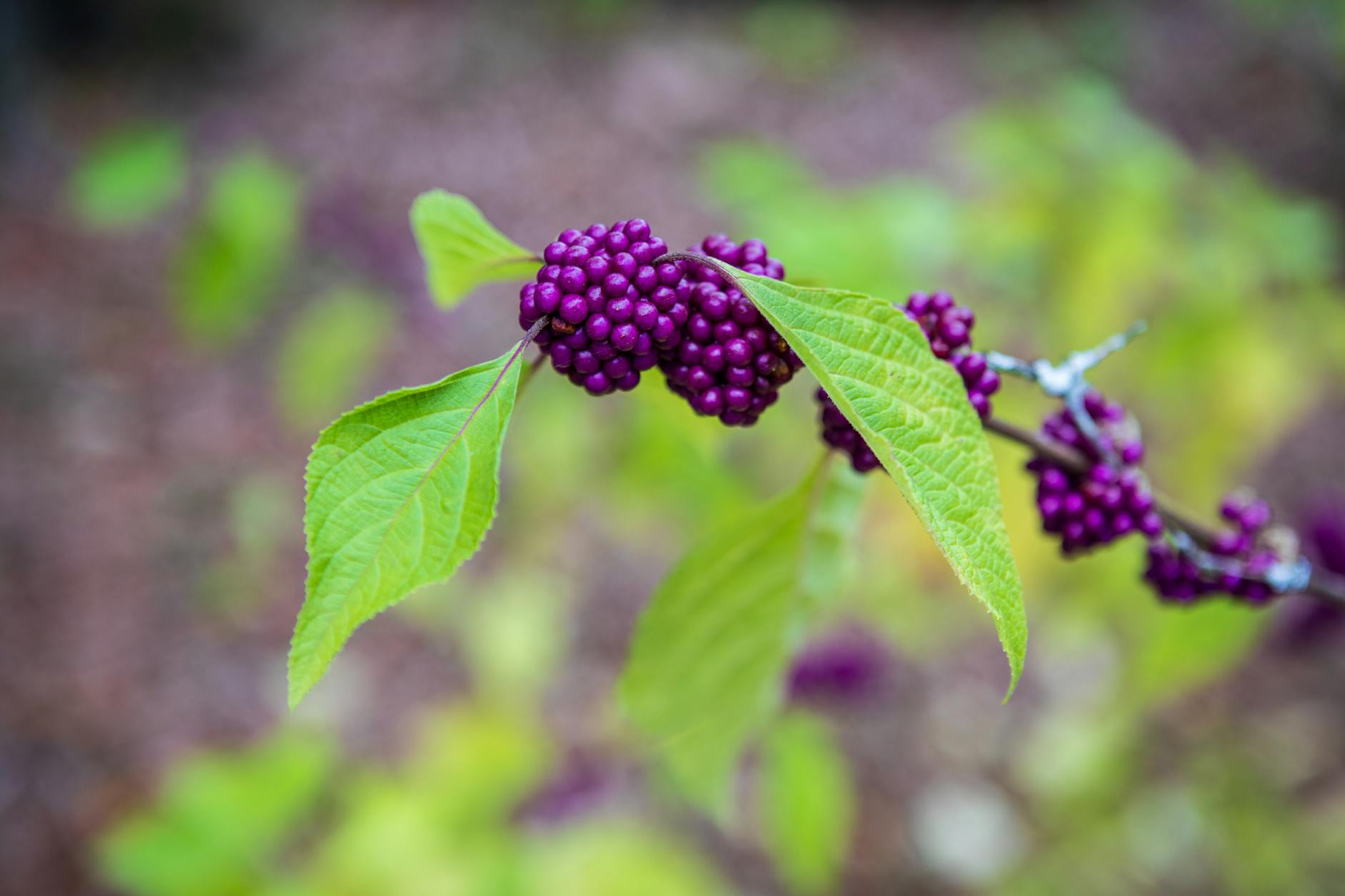
Purple Beautyberry – The striking purple berries of the beautyberry bush are not just a visual treat but also edible. They can be eaten fresh off the bush or used to make beautiful, vibrant jellies.
Rose Hips – Rose hips are the fruit of the rose flower and can be found in the wild or in cultivation. They appear in the fall and in some regions will persist through part of the winter. They are high in vitamin C, and make a lovely rose hip syrup, rose hip tea, rose hip jelly, or even a rose hip cocktail! You can also use them in skin-healing rose hip lip balm, rose hip facial oil, or rose hip soap. Mix with equal parts chamomile and a pinch of stevia for a great herbal tea. It is delicious, calming, and gently soothing to the spirit after a long day.
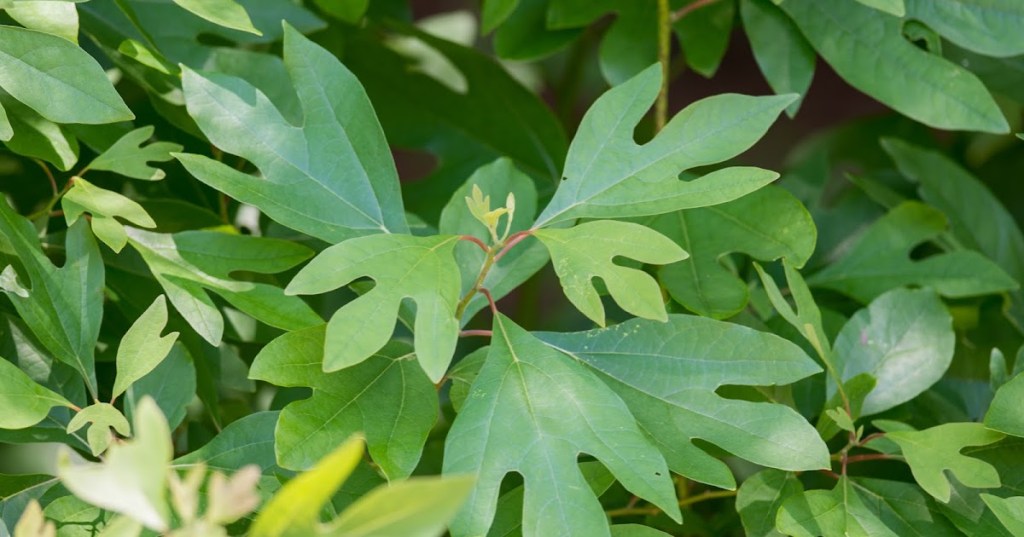
Sassafras – Sassafras root and bark can be used to make tea and is one of the original flavorings for traditional root beer. It grows in the eastern half of the United States and can be quite prolific in some areas. A good way to identify it is by its distinctive mitten-shaped leaves. Long valued as a “blood purifier” and “liver herb”.
Spicebush – Spicebush berries are a hidden gem of the Indiana woodlands. These small, red berries can be used as a substitute for allspice in many recipes and are excellent in marinades and spice rubs.
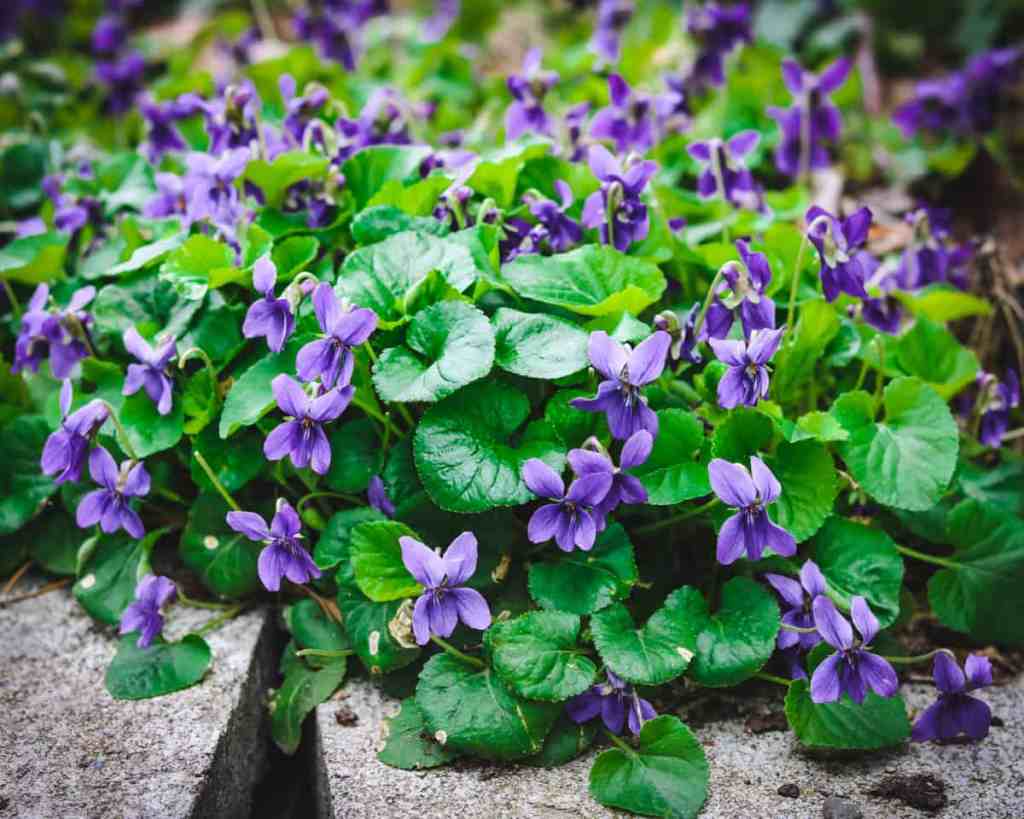
Violet – Wild violet is just like chickweed in that it comes up very early in the spring and then again in the fall. It is even a bit more frost-hardy than other spring and fall greens, often persisting through several frosts and even some light snow! It’s such a lovely sight to see those purple flowers again, and making a batch of violet-infused vinegar or soap is usually on the agenda. The leaves can be made into a healing cough syrup with honey. Pair with red clover, calendula, dandelion root, cleavers, licorice root, and thuja for an herbal support tincture.
Yarrow – Like plantain, yarrow also survives through the summer heat but regains new life in the fall. Even in somewhat cold climates, yarrow can survive through most of the fall and sometimes even into winter. It is a bitter herb that is good for stopping bleeding and reducing fevers. It can also be used to make yarrow soap or yarrow salve. Used as something of a cure-all, yarrow is an excellent remedy for colds, flu, and fever. It is equally good for healing cuts and bruises and slowing or stopping bleeding. Most commonly taken as a tea to ease cold and flu symptoms and control associated fever, plus speed recovery. Drink the tea hot, since this strongly stimulates sweating and encourages
Foraging Tips
- Know Your Plants and Mushrooms: Proper identification is key to safe foraging. Study field guides, take foraging courses, or join local foraging groups to help learn how to identify plants and mushrooms correctly. If you’re unsure, always consult an expert before consuming anything. If you’re new to foraging, it’s best to go with an experienced guide or foraging group until you’re more familiar with the plants.
- Start Small: When trying a new wild plant or mushroom, consume only a small amount at first. Even edible plants can cause allergies or digestive discomfort for some individuals, so start with small portions and observe your body’s reaction.
- Forage Responsibly: Take only what you need and leave enough behind to ensure the plant or mushroom population can continue to thrive. Forage in a sustainable manner to help maintain a balanced ecosystem.
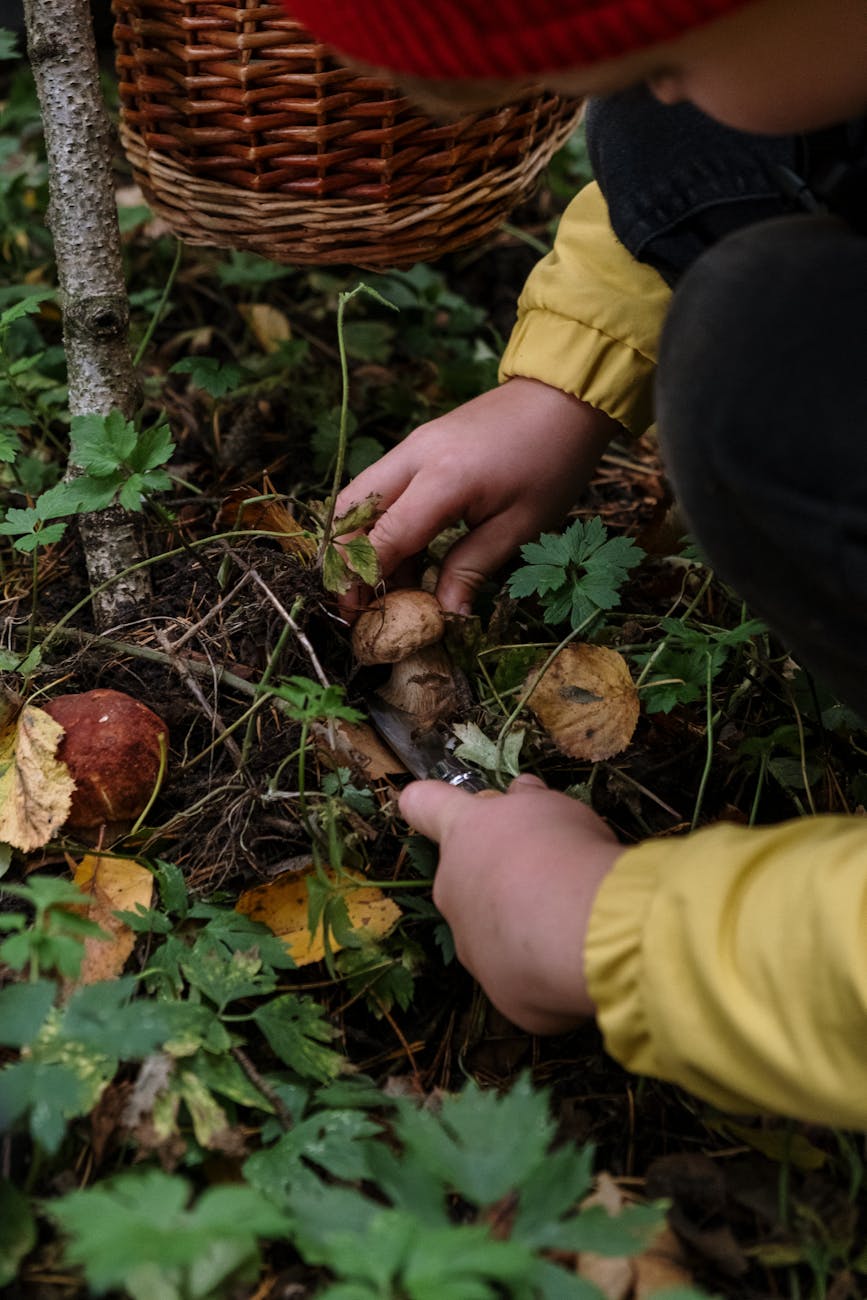
- Use Proper Tools: Bring along a small knife, scissors, and a basket or bag to gently harvest without damaging the plants or surrounding environment. Avoid pulling plants out by their roots unless it’s part of the harvestable item.
- Know the Laws: Be aware of local regulations concerning foraging in certain areas. Some parks and nature reserves prohibit foraging, while others may allow it in certain quantities. Always follow the guidelines to avoid fines and protect the area.
- Check for Contamination: Avoid foraging near busy roads, industrial areas, or agricultural fields where plants may have been exposed to pesticides, chemicals, or pollution. Always wash your finds thoroughly before consuming.
- Harvest at the Right Time: Different plants and mushrooms are best harvested at specific times of the year or during certain stages of growth. Make sure you understand the optimal foraging season for each species.
- Stay Safe with Mushrooms: Many edible mushrooms have toxic look-alikes. Always be 100% sure of your mushroom identification before consuming, as eating the wrong type can be dangerous. If in doubt, consult with a local mycologist or experienced forager.
- Respect Wildlife and Nature: When foraging, be mindful of the wildlife that also depends on these plants. Avoid disrupting habitats and leave no trace of your visit.
- Bring Essential Supplies: Pack items such as gloves, a guidebook, water, and a first aid kit when foraging. It’s helpful to carry a journal to note where and when you find certain plants or mushrooms for future reference. Beginners should always carry a comprehensive guidebook for plant and mushroom identification to minimize risks.
Savoring the Season: Foraging with Respect and Gratitude
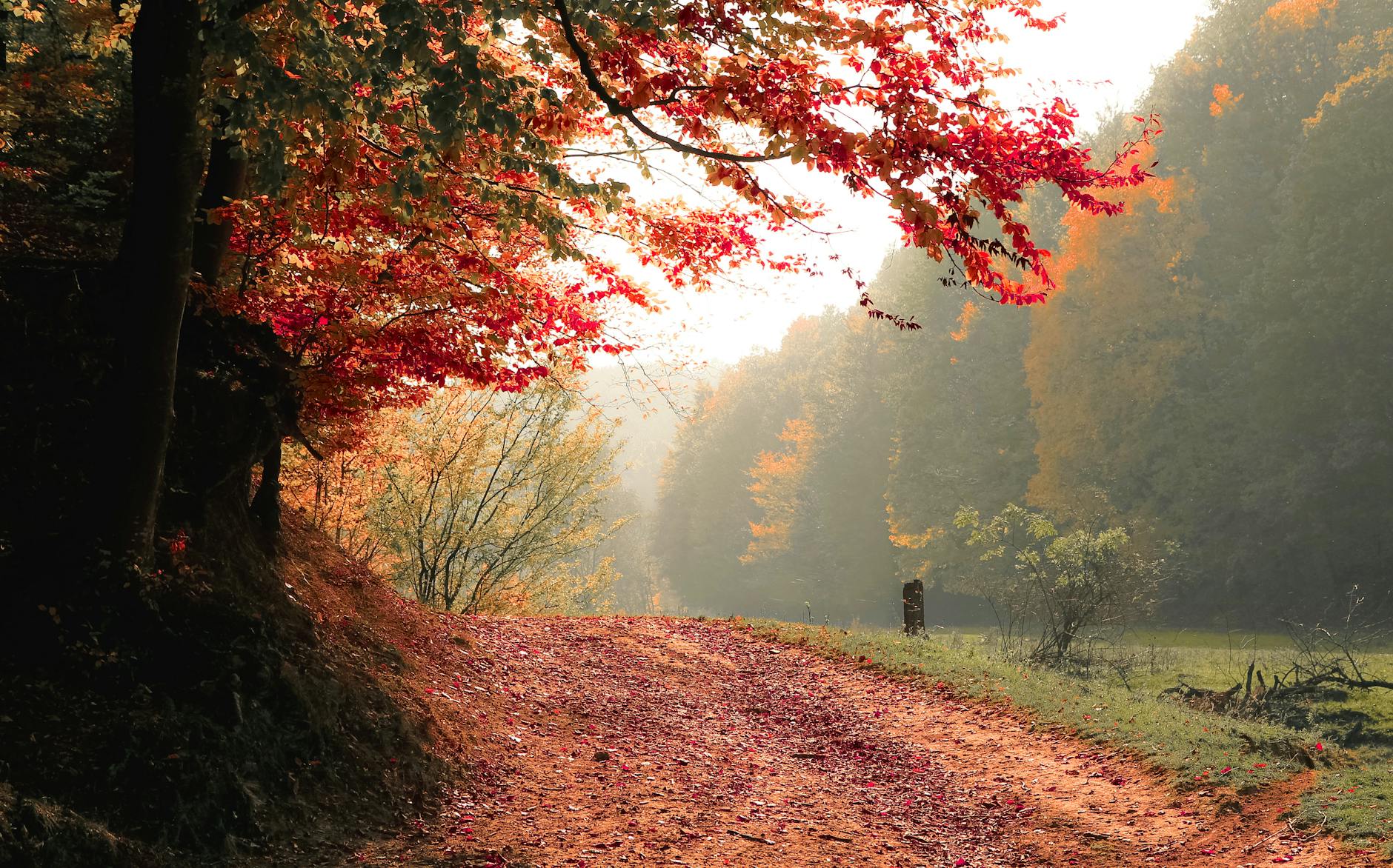
Foraging can be an incredibly rewarding activity, allowing you to reconnect with nature, source sustainable food, and discover medicinal plants and herbs. However, safety and responsibility should always be top of mind. With a deeper understanding of the wild foods around you, not only will your appreciation for nature grow, but so too will your ability to sustainably harvest the bounty it offers. Whether you’re crafting teas from herbs, experimenting with wild mushrooms, or making your own jams and jellies from foraged fruits, each trip into the wild enriches your knowledge and pantry.
Always remember to forage with respect for the land, leaving enough behind for wildlife and future growth. By foraging sustainably, we ensure that this tradition can continue to be a source of nourishment and discovery for generations to come. Happy foraging!
