
As the holiday season approaches, the search for the perfect gift begins. But beyond the joy of giving, the choices we make as consumers have the power to create meaningful change in the world. By choosing fair trade and ethically produced gifts, we can ensure that our purchases contribute positively to the lives of those who produce them. This article explores the importance of supporting fair trade and ethically produced goods, how to identify certified products, and the impact these purchases have on global communities.
What is Fair Trade?
Fair trade is a social movement and market-based approach that aims to improve the lives of producers in developing countries by promoting better trading conditions and sustainable practices. The core principles of fair trade include fair wages, safe working conditions, environmental sustainability, and the empowerment of workers and communities. Unlike traditional trade, which often prioritizes profit over people, fair trade focuses on fairness and equity in the global supply chain.
Fair trade certification ensures that products meet rigorous social, economic, and environmental standards. Producers are paid a fair price for their goods, which helps to alleviate poverty and support sustainable development. Additionally, fair trade often includes a premium paid to producer cooperatives, which is invested in community projects such as education, healthcare, and infrastructure improvements.
Identifying Fair Trade and Ethically Produced Goods
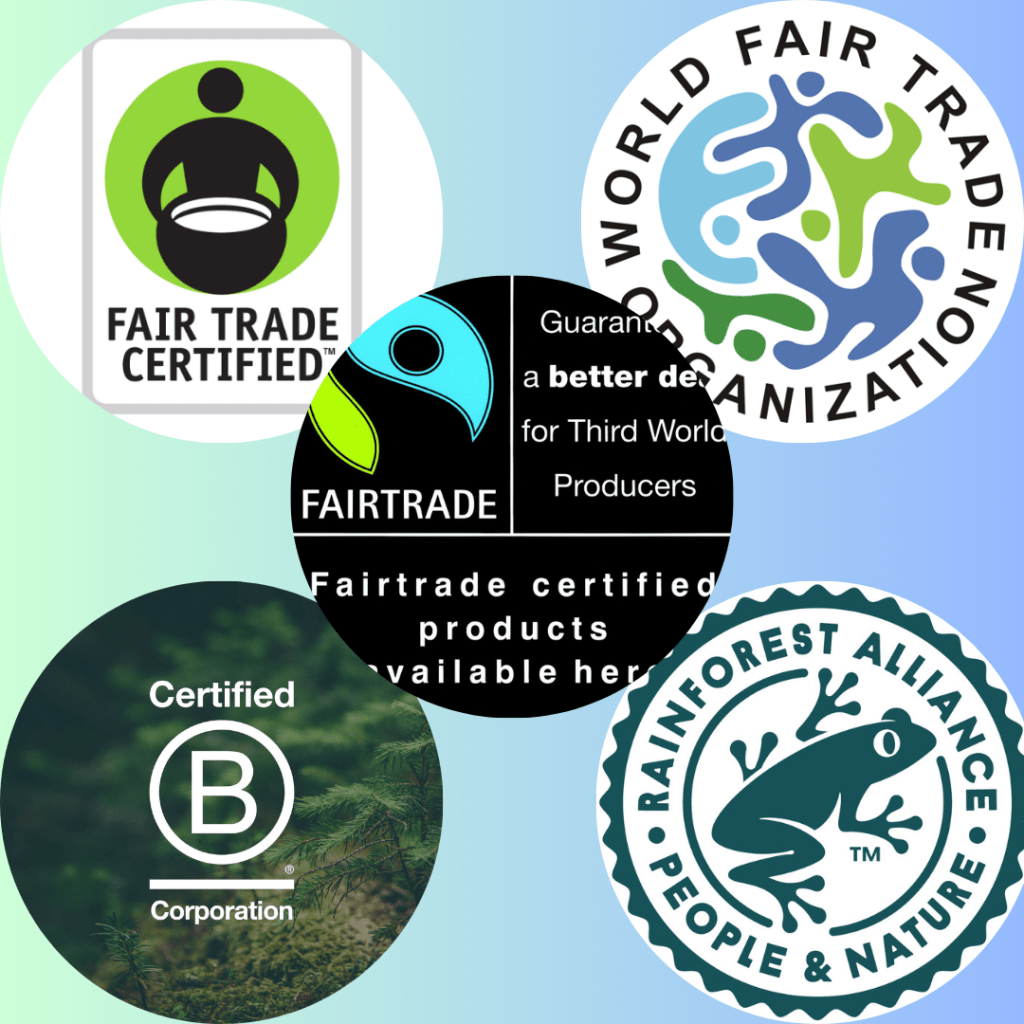
When shopping for fair trade and ethically produced gifts, look for certification labels that indicate the product has met specific standards. Some of the most well-known certifications include:
- Fairtrade International (FLO): Recognized by its blue and green label, FLO certifies a wide range of products, including coffee, tea, chocolate, and handicrafts. This certification guarantees that producers receive fair wages and work under safe conditions.
- Fair Trade Certified™: This label, used primarily in North America, appears on products such as coffee, clothing, and home goods. It ensures that workers are paid fairly, work in safe conditions, and that the environment is protected.
- World Fair Trade Organization (WFTO): The WFTO label is used by companies and cooperatives that adhere to the 10 principles of fair trade, including transparency, fair payment, and no child or forced labor.
- Rainforest Alliance: While not exclusively fair trade, Rainforest Alliance certification focuses on sustainable agriculture, protecting biodiversity, and ensuring the well-being of workers and their communities.
- B Corp Certification: B Corporations meet high standards of social and environmental performance, accountability, and transparency. While not exclusively fair trade, many B Corps prioritize ethical sourcing and fair labor practices.
When shopping, it’s essential to look beyond marketing buzzwords like “ethical” or “sustainable” and verify that products carry a recognized certification. Doing so ensures that your purchase genuinely supports fair and ethical practices.
The Impact of Fair Trade Purchases
Every fair trade purchase you make has a ripple effect that extends far beyond the holiday season. By choosing fair trade products, you contribute to the livelihoods of farmers, artisans, and workers in developing countries. These purchases help to break the cycle of poverty by providing fair wages, empowering women and marginalized communities, and ensuring that children are not exploited in the production process.
In many cases, fair trade also supports environmental sustainability. For example, fair trade coffee and cocoa are often grown using organic methods, which reduce the use of harmful pesticides and protect biodiversity. Additionally, fair trade certification encourages sustainable farming practices, such as crop rotation and shade-grown agriculture, which help to preserve soil health and prevent deforestation.
The impact of fair trade goes beyond individual producers to benefit entire communities. Fair trade premiums are often invested in community development projects, such as building schools, improving healthcare facilities, or providing clean water. These initiatives help to improve the overall quality of life for people in fair trade communities, making a lasting difference in their lives.

Tips for Supporting Fair Trade and Ethical Shopping This Holiday Season
- Start Early: Begin your holiday shopping early to give yourself time to research and find fair trade and ethically produced gifts. This way, you can avoid the stress of last-minute shopping and make more thoughtful purchasing decisions.
- Shop Local and Online: Many local shops and online retailers specialize in fair trade and ethically produced goods. By supporting these businesses, you contribute to the growth of ethical markets and help to create demand for fair trade products.
- Consider the Whole Supply Chain: When choosing gifts, consider the entire supply chain of the product. Was it made using sustainable materials? Were the workers involved paid fairly and treated with respect? Was the environment considered in the production process?
- Gift Experiences or Donations: If you’re looking to reduce the environmental impact of your holiday shopping, consider giving experiences instead of physical gifts. Alternatively, make a donation to a charity or organization that supports fair trade or ethical initiatives in the name of your gift recipient.
- Educate Others: Spread the word about the importance of fair trade and ethical shopping. Share information with friends and family about why you choose to buy fair trade and encourage them to consider the impact of their holiday purchases.
Conclusion: Give with Purpose This Holiday Season
The holiday season is a time of giving, and with fair trade and ethically produced gifts, you can give in a way that truly makes a difference. By choosing products that support fair wages, safe working conditions, and sustainable practices, you can help to create a more just and equitable world. Each purchase is an opportunity to contribute to positive change, making the holidays not just a time of joy for the recipient, but also for the people who made the gift possible.
This holiday season, let your gifts reflect your values and make a lasting impact on global communities. When you choose fair trade and ethical products, you’re not just buying a gift—you’re supporting a movement that prioritizes people and the planet.
