
As anyone who raises chickens knows, the challenges of egg production are real. Whether you’re a seasoned poultry farmer or a backyard enthusiast, the nuances of hen behavior can make the difference between a bountiful basket of eggs and a frustrating daily scavenger hunt. Recently, I delved into Joel Salatin’s book Polyface Micro, and one chapter on laying hens provided invaluable insights that transformed my own egg collection experience.
One of the most impactful pieces of advice I took from Salatin’s chapter was about nest box placement: “Keep the nest in as dark an area as possible. The only time a chicken looks for dark places is when she’s looking for a nest. If you’re having trouble with the chickens laying in corners or under things, check the orientation of your boxes and make sure they’re not open directly to the morning sun. The hens will use whatever nest boxes are darkest.”
The Problem with Bright Nest Boxes
Hens, by their very nature, seek out secluded, dark places to lay their eggs. This instinct is rooted in their wild ancestors, who would have sought out hidden spots to protect their eggs from predators. In a controlled farm environment, hens still follow this instinct, which can lead to some frustrating outcomes if their needs aren’t met.
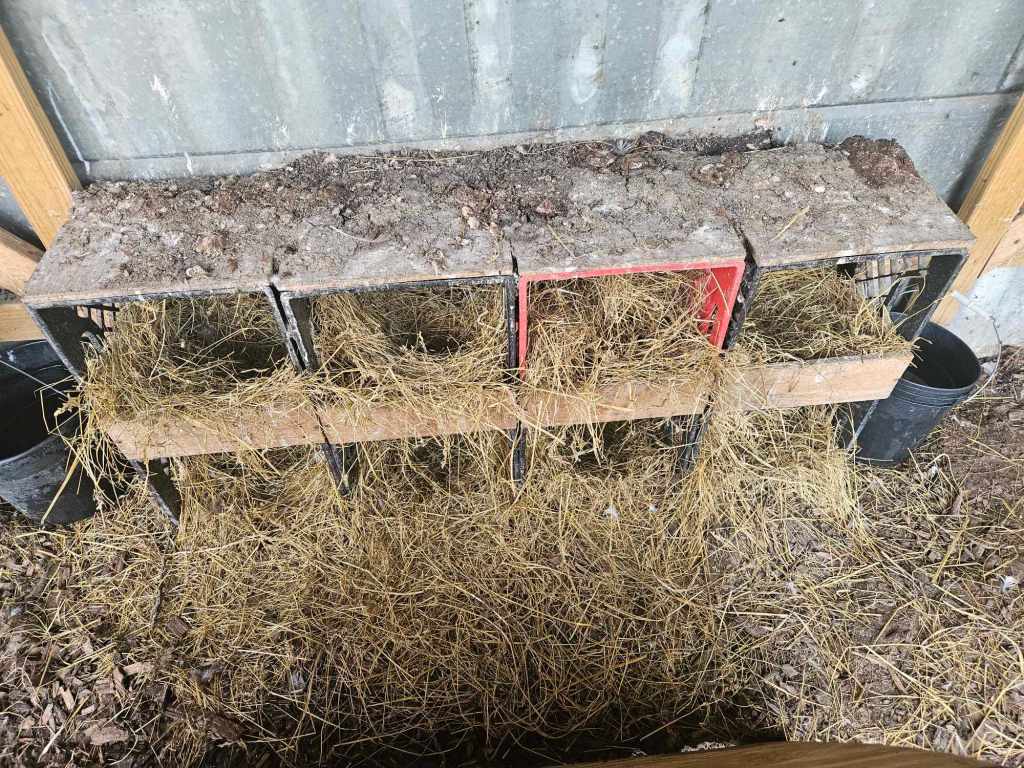
For instance, before learning this, I found myself on a daily Easter egg hunt, searching all over the barn and yard for hidden eggs. Despite providing plenty of nest boxes, the hens seemed to prefer laying in odd, inconvenient places—corners, under equipment, and even in the back of the horse trailer we were converting into a brooder. It was clear the hens were avoiding the nest boxes, but I couldn’t figure out why.
Implementing Salatin’s Advice
Upon reading Salatin’s advice, it dawned on me that our nest boxes were positioned in a way that allowed too much light in, especially in the morning. The sun would flood the coop with light right when the hens were most likely to lay. The boxes were far from the darkest spots in the coop, and as a result, the hens sought out alternative locations that felt more secure to them.
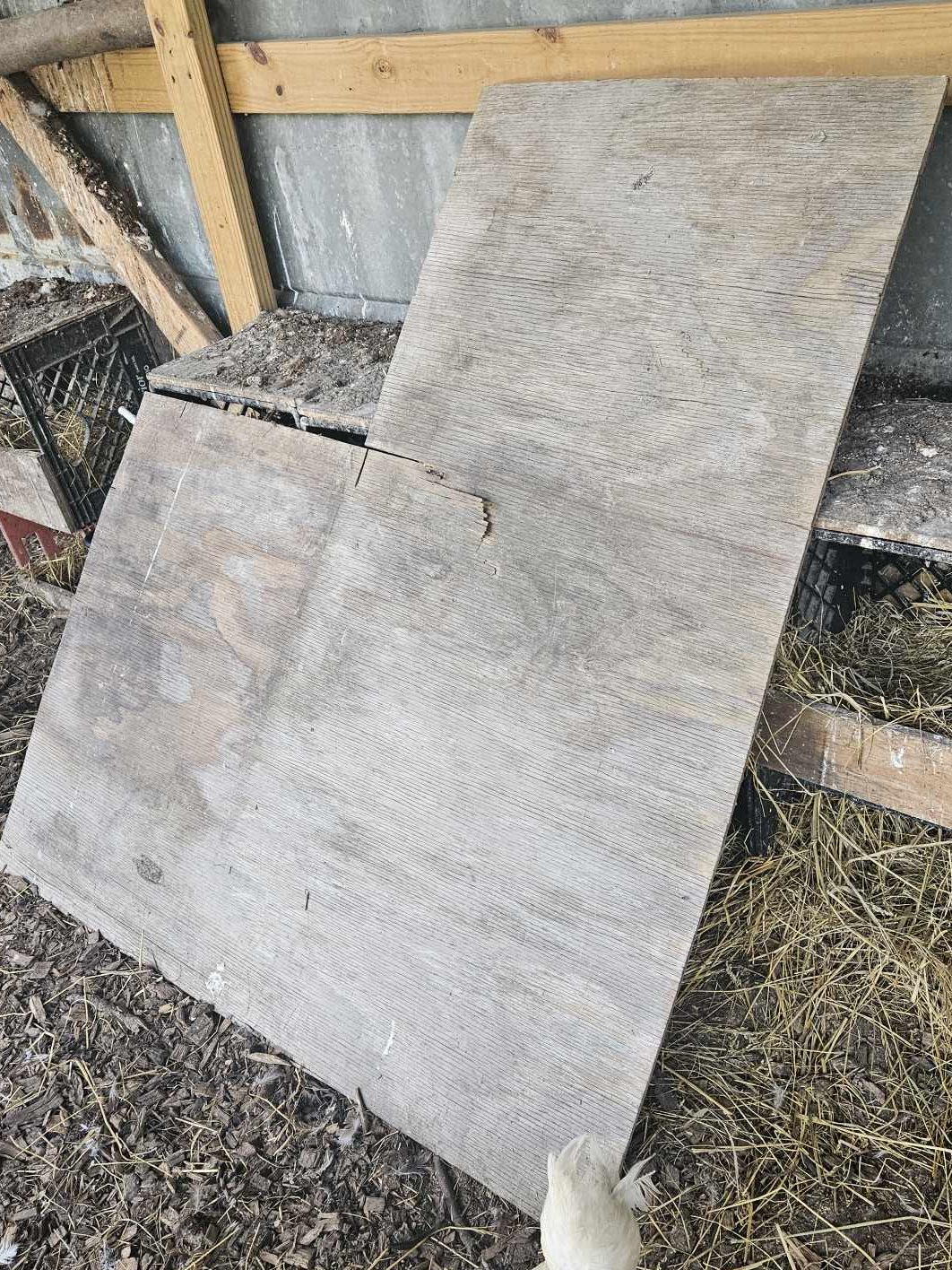
Determined to put Salatin’s wisdom to the test, I took a junk board we had been using as a shade cover for the rabbit cages and propped it up in front of the nest boxes. The board acted as a simple barrier, blocking out the morning sunlight and creating a much darker, more inviting space for the hens.
The Immediate Results
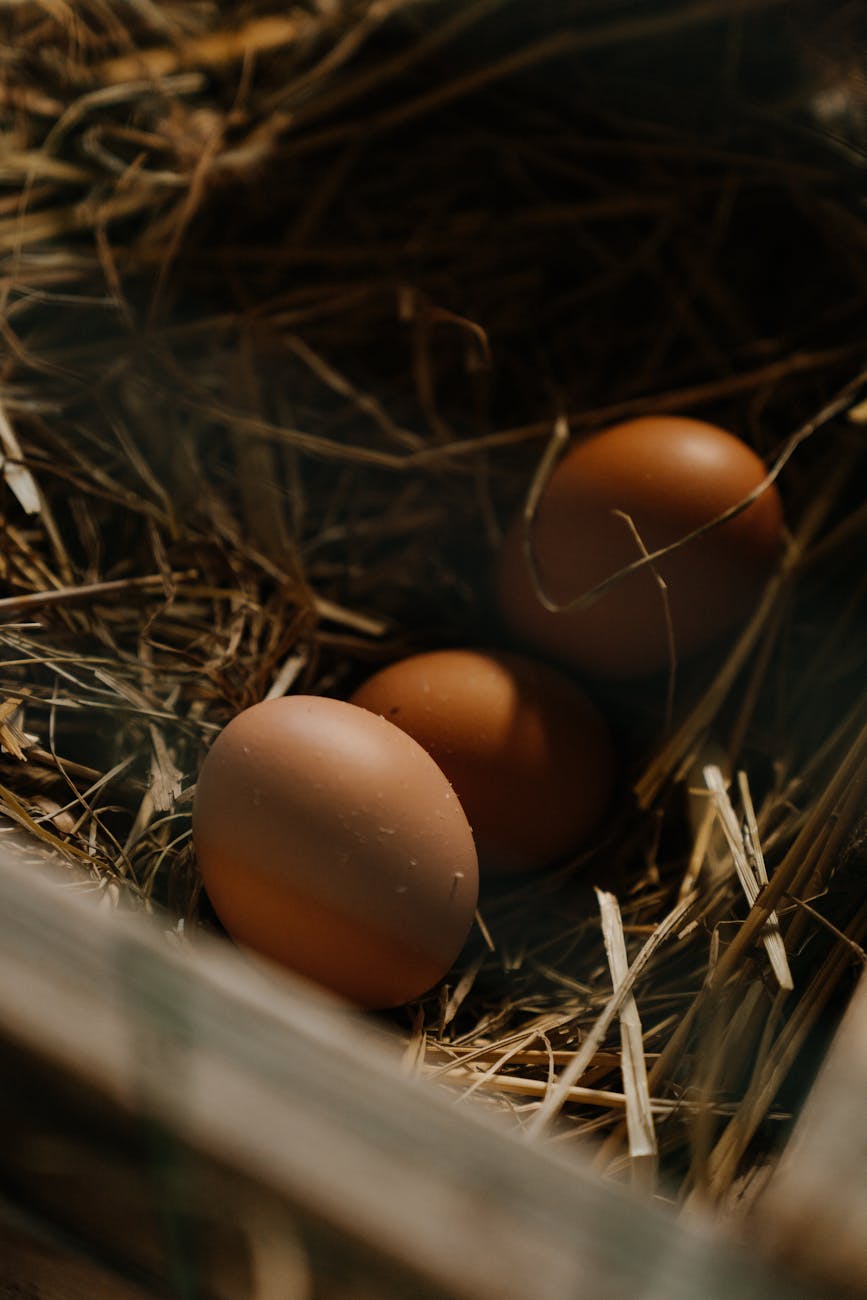
The results were immediate and dramatic. Before making the adjustment, we had been collecting only a handful of eggs from the nest boxes, with most of our time spent searching for eggs hidden in the barn and yard. But after blocking the light, I went out the next day and collected 14 eggs from the nest boxes—our highest count since mid-July!
While a few hens were still laying in the back of the horse trailer, the majority had returned to using the nest boxes. This simple change had solved a problem that had been plaguing us for weeks.
Understanding Hen Behavior
Why do hens prefer dark nest boxes? The answer lies in their natural instincts. In the wild, laying eggs in a dark, hidden spot would help protect them from predators. Even in a safe, controlled environment, this instinct persists. When hens can’t find a suitably dark place to lay, they’ll keep searching until they do, even if it means laying in places that are inconvenient for us.
Bright, exposed nest boxes make hens feel vulnerable. The light signals an open, unsafe environment, leading hens to seek out darker, more enclosed spaces where they feel secure. By ensuring that your nest boxes mimic these conditions, you can encourage hens to use them more consistently.
Tips for Optimizing Nest Boxes
Implementing Salatin’s advice doesn’t require significant investment or drastic changes. Here are some simple tips to help you create the ideal nest box environment:
- Choose the Right Location: Position your nest boxes in the darkest part of the coop. Avoid placing them near windows or areas where they’ll be exposed to direct sunlight, especially in the morning.
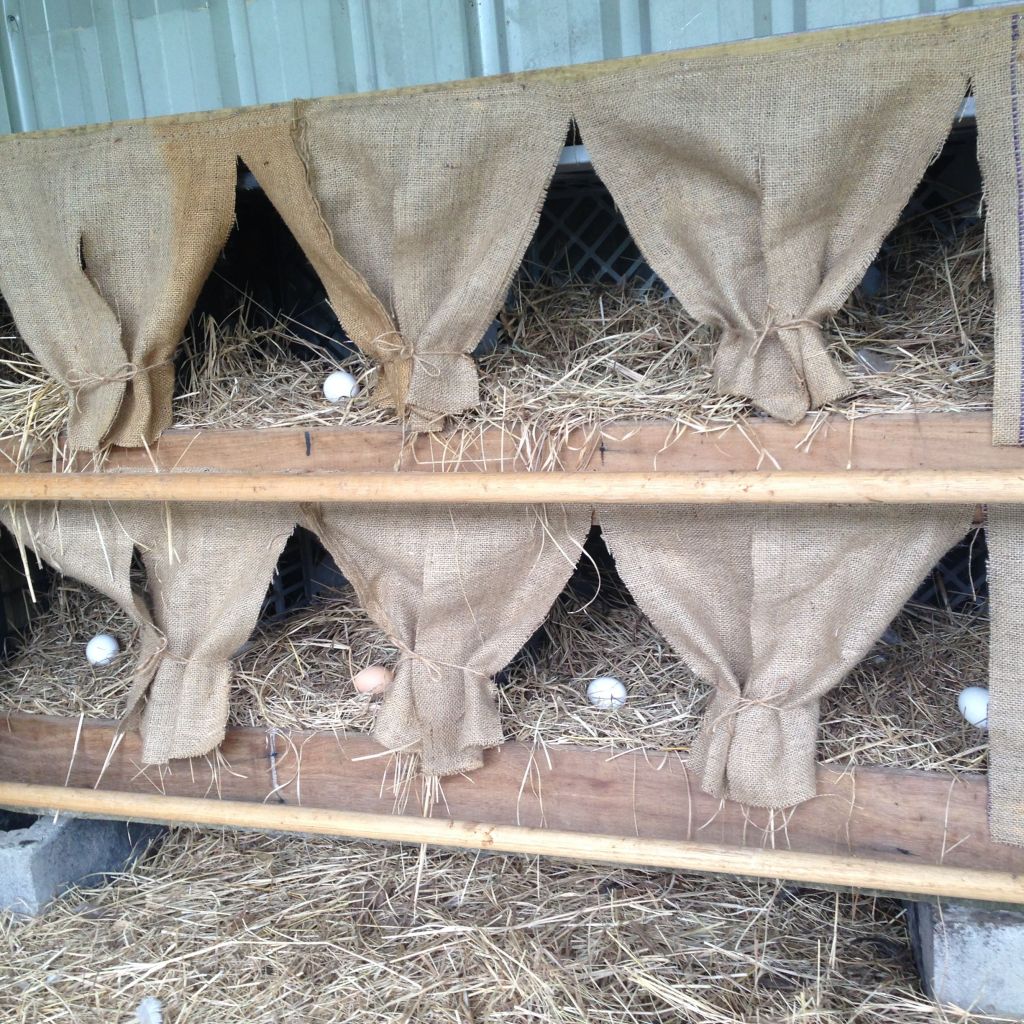
- Use Barriers to Block Light: If your coop design doesn’t allow for naturally dark areas, create them using simple barriers like boards, fabric, or even old feed sacks. The goal is to reduce the amount of light entering the nest boxes.
- Consider Box Design: Nest box design can also impact how much light they receive. Boxes with a roof or partial cover can help create a darker, more secluded space. Some farmers even use curtains to further darken the entrance to the nest boxes.
- Keep the Boxes Clean and Comfortable: Hens are more likely to use nest boxes that are clean and comfortable. Ensure that the boxes are filled with soft bedding like straw or wood shavings, and clean them regularly to prevent the buildup of waste.
- Monitor and Adjust: Pay attention to where your hens are laying their eggs. If you notice eggs outside of the nest boxes, it might be time to reassess the lighting and comfort of your boxes. Sometimes, small adjustments can make a big difference.
The Broader Implications
This experience underscores the importance of understanding and working with the natural behaviors of your animals. In farming, it’s easy to get caught up in trying to force animals to adapt to our systems, but often, it’s more effective to adapt our systems to meet their needs. By aligning our practices with the natural instincts of our livestock, we can create environments that are not only more productive but also more humane and sustainable.
Salatin’s advice on nest boxes is just one example of this principle in action. By taking the time to observe your hens and understand their behavior, you can make simple changes that lead to significant improvements in egg production.

Beyond Nest Boxes: Embracing a Holistic Approach
While optimizing nest box placement is an important aspect of poultry management, it’s just one piece of the puzzle. To truly succeed in raising laying hens, it’s essential to take a holistic approach that considers all aspects of their care.
1. Nutrition:
Ensure that your hens have access to a balanced diet that meets their nutritional needs. This includes providing high-quality layer feed, as well as supplemental calcium sources like oyster shells to support strong eggshells.
2. Environmental Enrichment:
Hens are intelligent animals that benefit from environmental enrichment. Provide opportunities for foraging, dust bathing, and perching to keep your hens active and engaged.
3. Predator Protection:
Even in a controlled environment, predators can pose a threat to your flock. Ensure that your coop is secure, with sturdy fencing and proper locks to keep predators out.
4. Health Management:
Regular health checks are crucial for preventing and addressing common poultry diseases. Keep an eye out for signs of illness, such as lethargy, changes in appetite, or abnormal droppings, and take action promptly if needed.
5. Community and Support:
Finally, don’t underestimate the value of community and support. Whether it’s learning from experienced farmers, participating in local farming groups, or seeking advice from online forums, connecting with others can provide valuable insights and encouragement.
The Power of Observation and Adaptation
Farming, whether on a large scale or in a backyard setup, is a constant learning process. By observing your animals and being willing to adapt your practices, you can overcome challenges and create a more efficient, productive system. My experience with adjusting nest box placement based on Joel Salatin’s advice is a testament to the power of observation and the value of aligning farming practices with natural animal behavior.
If you’re facing challenges with your laying hens, consider taking a step back and reassessing their environment. Sometimes, the solutions to our problems are simpler than we think—and can be found in the wisdom of experienced farmers like Salatin. Whether you’re dealing with egg-laying issues or other livestock challenges, remember that the key to success often lies in understanding and respecting the natural instincts of your animals.
