
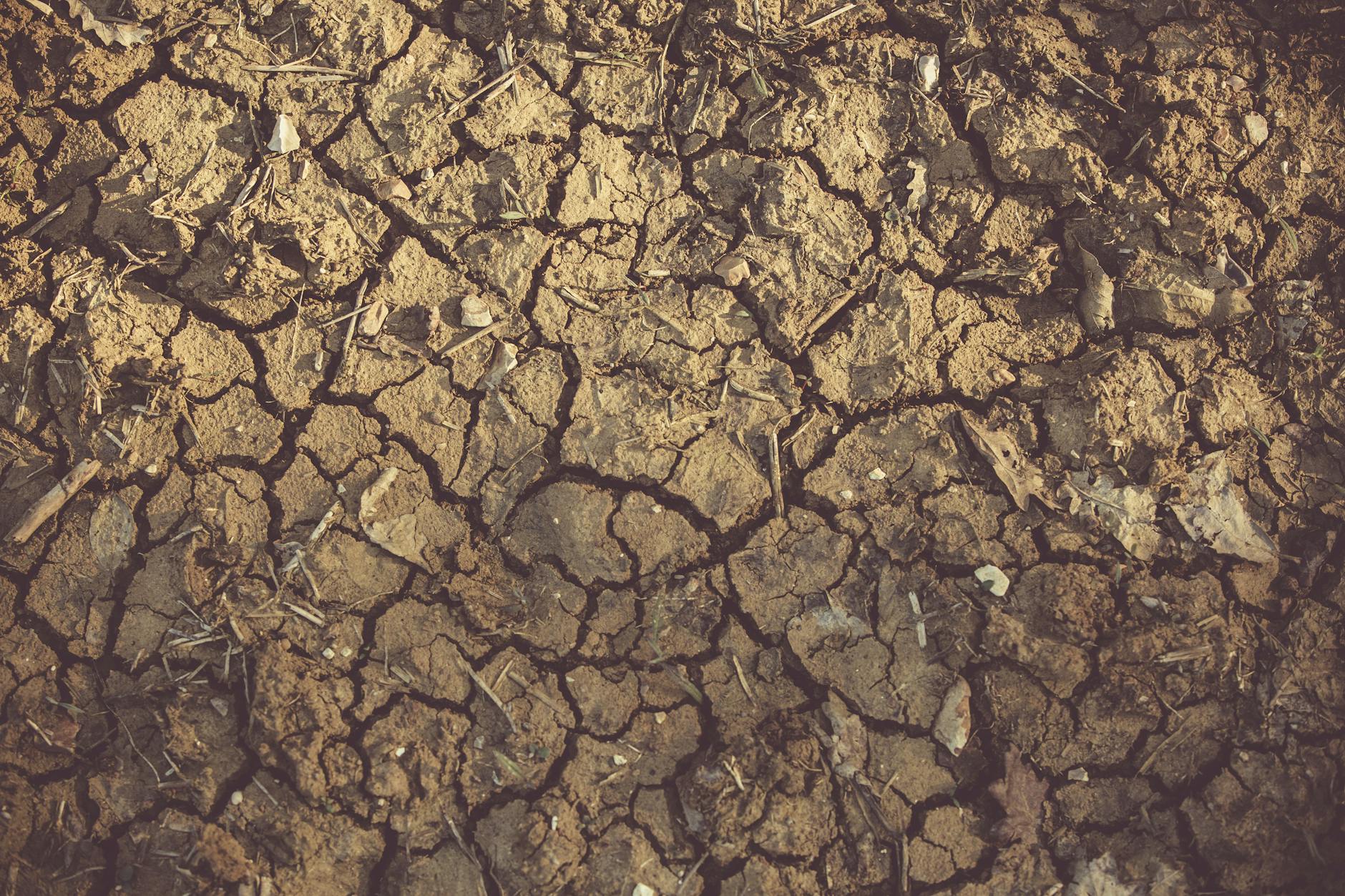
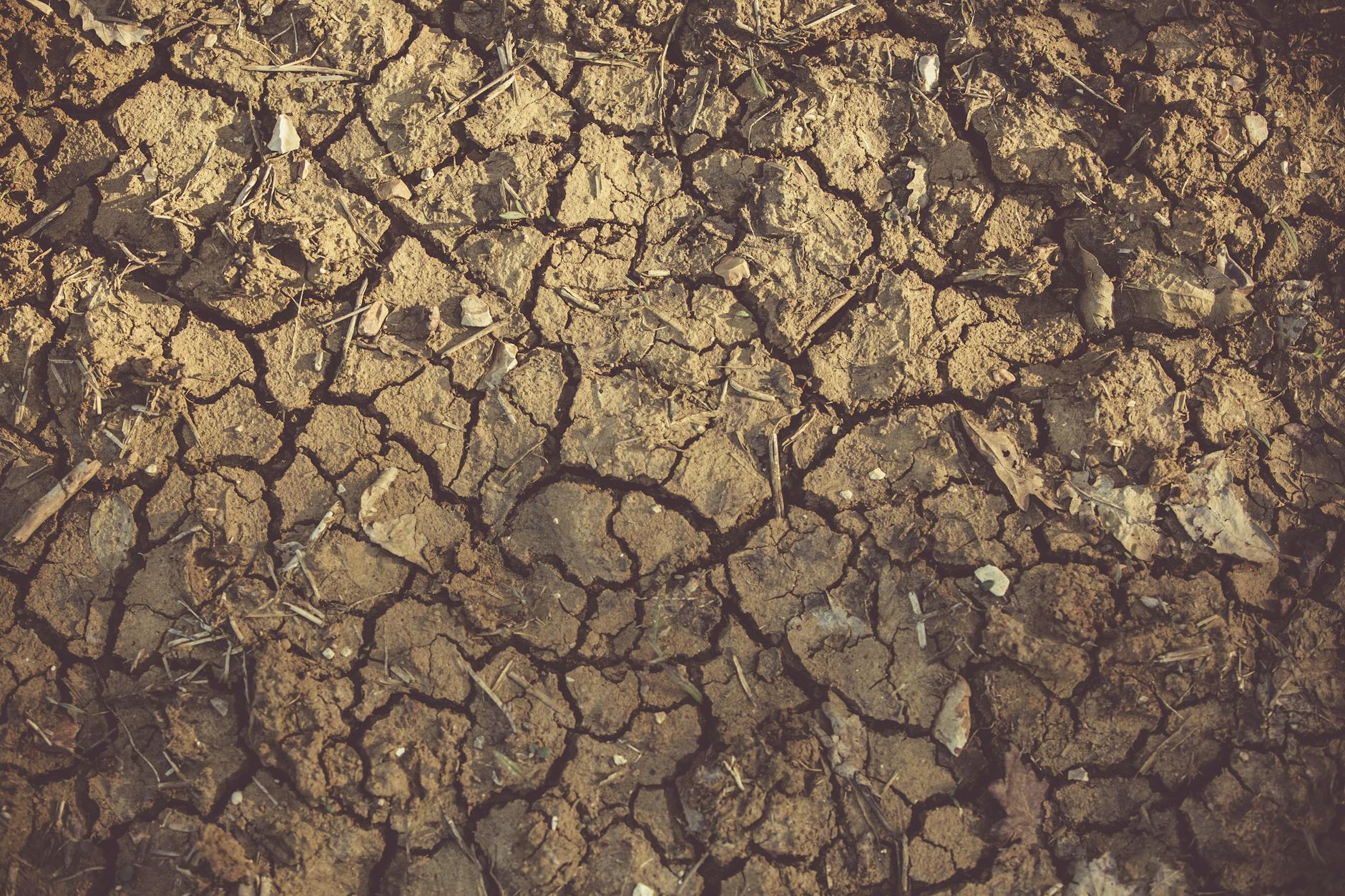
As of recent data from the U.S. Drought Monitor, many regions across the country, including areas in the Midwest and Plains, are experiencing various levels of drought. Some counties, such as ours, are categorized as being in a “Moderate Drought.” A megadrought is a prolonged and severe drought, and it has widespread effects on agriculture, water supply, and daily life. Understanding how to mitigate its impacts on your family, animals, and community can make all the difference as these conditions persist or even worsen.
Understanding the Effects of Drought
Droughts can have far-reaching effects, including:
- Reduced water availability for households, crops, and livestock
- Increased risk of wildfires and environmental damage
- Strain on the local economy due to agricultural setbacks
- Higher prices for food and water
- Stress on wildlife and natural ecosystems
However, there are steps you can take to reduce your vulnerability and lessen the impact on your household, your farm, and your community. Here’s a breakdown of practical steps to prepare for and mitigate the effects of drought, organized by key areas:
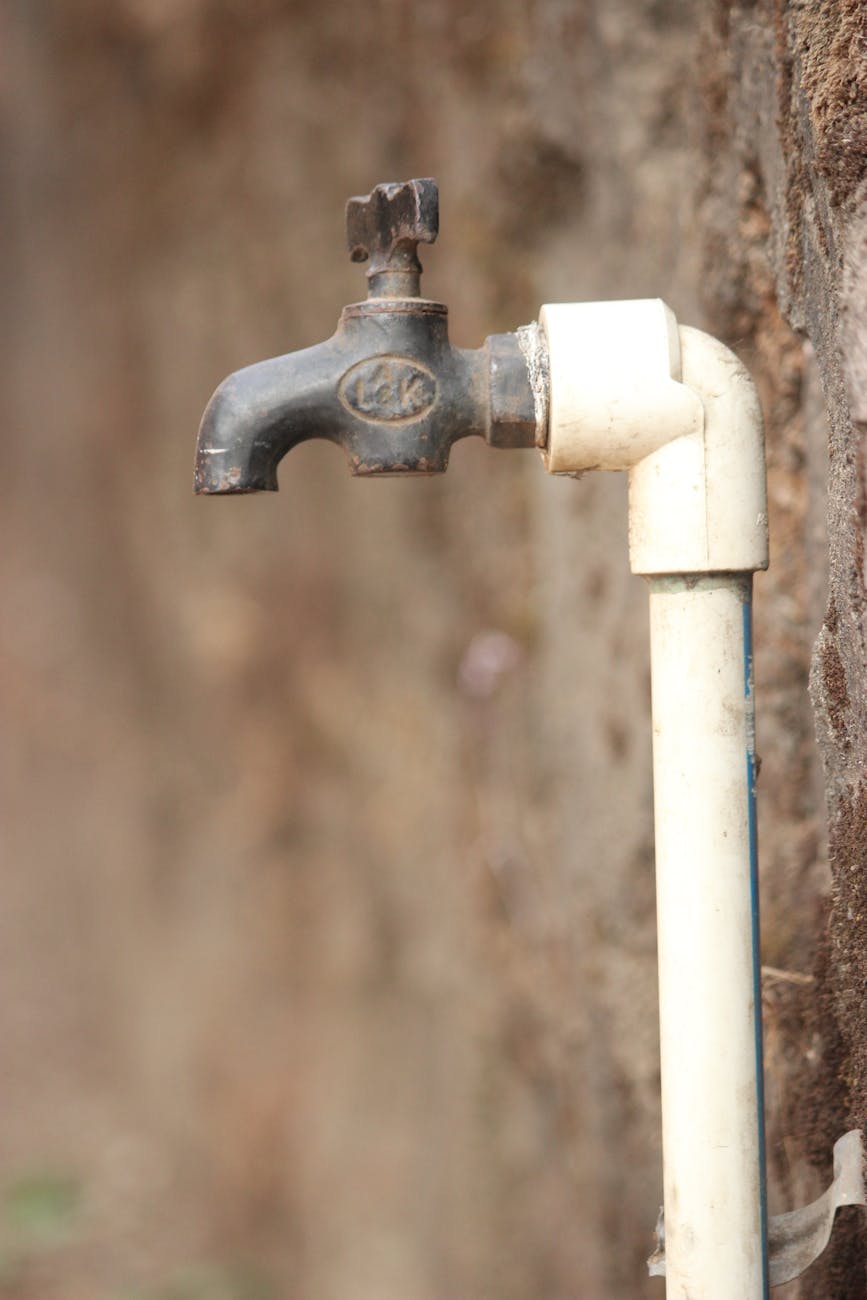
1. Conserving and Managing Water for Household Use
Water conservation is crucial during a drought. Simple but effective strategies can help you reduce water waste and manage your water supply more effectively.
Indoor Water Conservation
- Fix Leaks Promptly: Leaking faucets or pipes can waste gallons of water over time. Regularly check your home for leaks and fix them immediately.
- Install Water-Efficient Appliances: Consider upgrading to water-efficient toilets, dishwashers, and washing machines, all of which use significantly less water per use.
- Shorter Showers and Faucet Control: Reduce shower time and avoid leaving faucets running while brushing teeth or washing dishes.
- Collect and Reuse Greywater: Water from sinks, showers, and laundry can often be repurposed for flushing toilets or watering non-edible plants.
Outdoor Water Management
- Rainwater Harvesting: Install rain barrels to collect runoff from your roof. Though rainfall may be scarce, harvesting what you do receive can provide valuable water for landscaping or garden irrigation.
- Use Drip Irrigation Systems: These systems deliver water directly to the base of plants, reducing evaporation and waste compared to traditional sprinklers.
- Mulching: Adding mulch around plants helps retain soil moisture and reduce the need for frequent watering.
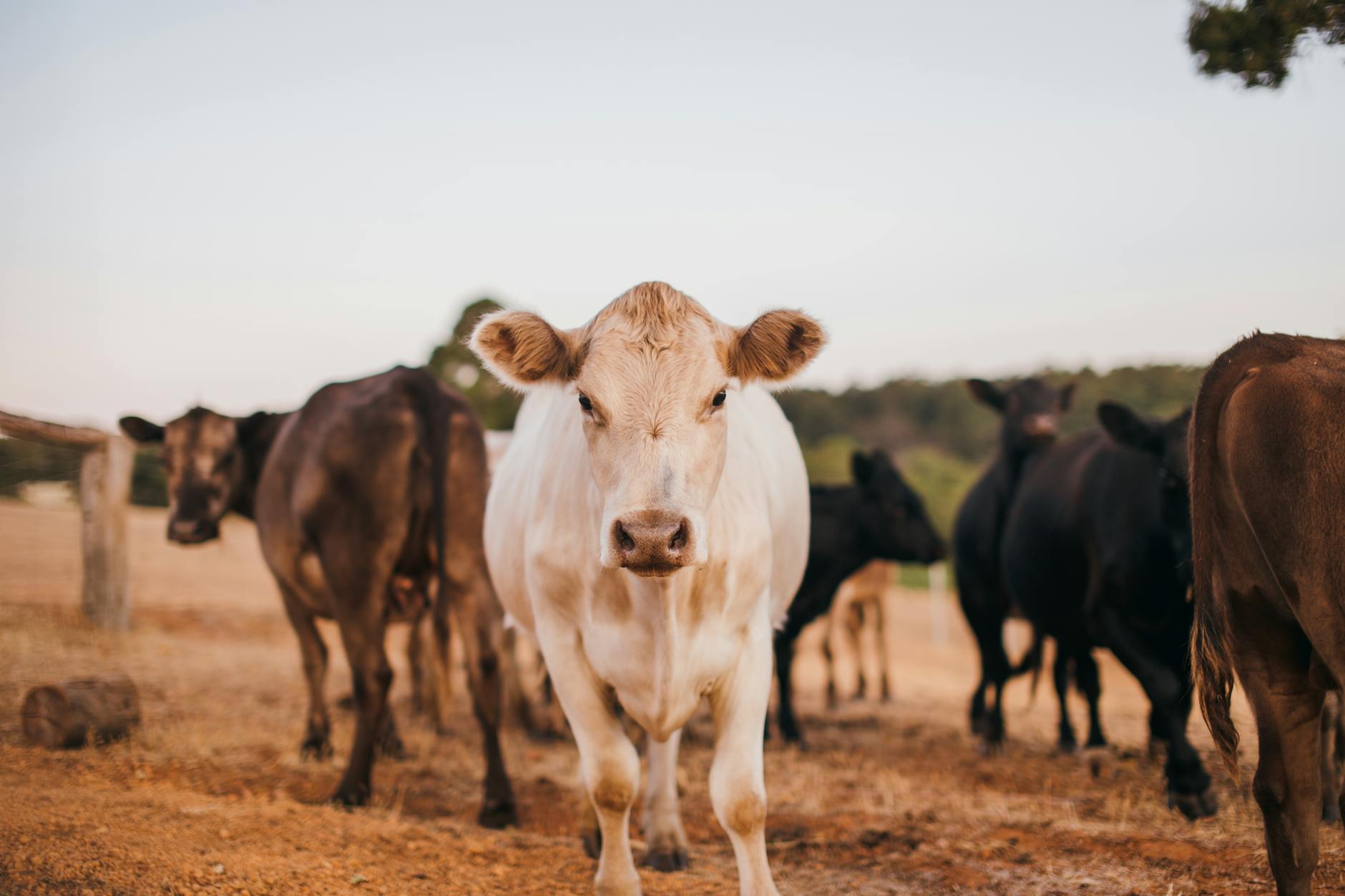
2. Caring for Animals During a Drought
Whether you’re raising livestock or pets, ensuring they have adequate water and food during drought conditions is essential.
Water Conservation for Livestock
- Inspect Water Sources: Regularly check troughs, automatic waterers, and other drinking systems for leaks.
- Install Water-Efficient Troughs: Consider upgrading to more efficient waterers that reduce spillage and evaporation.
- Shade and Shelter: Provide adequate shade and shelter for your livestock to reduce their need for water. Heat stress increases their water consumption, so keeping them cool is essential.
- Monitor Animal Health: In times of drought, animals can become stressed or malnourished. Ensure you’re monitoring their health closely and supplementing their diet as needed.
Feeding Strategies
- Drought-Resistant Fodder Crops: Plant drought-tolerant forage, such as alfalfa or native grasses, to ensure a steady food supply for livestock.
- Hay Storage: Stockpile hay in advance and ensure it’s stored in a dry, protected area to avoid spoilage.
- Supplemental Feeds: During extreme drought conditions, pasture grasses may not be available, requiring you to use purchased feed. Planning ahead ensures you aren’t left scrambling when feed prices rise.
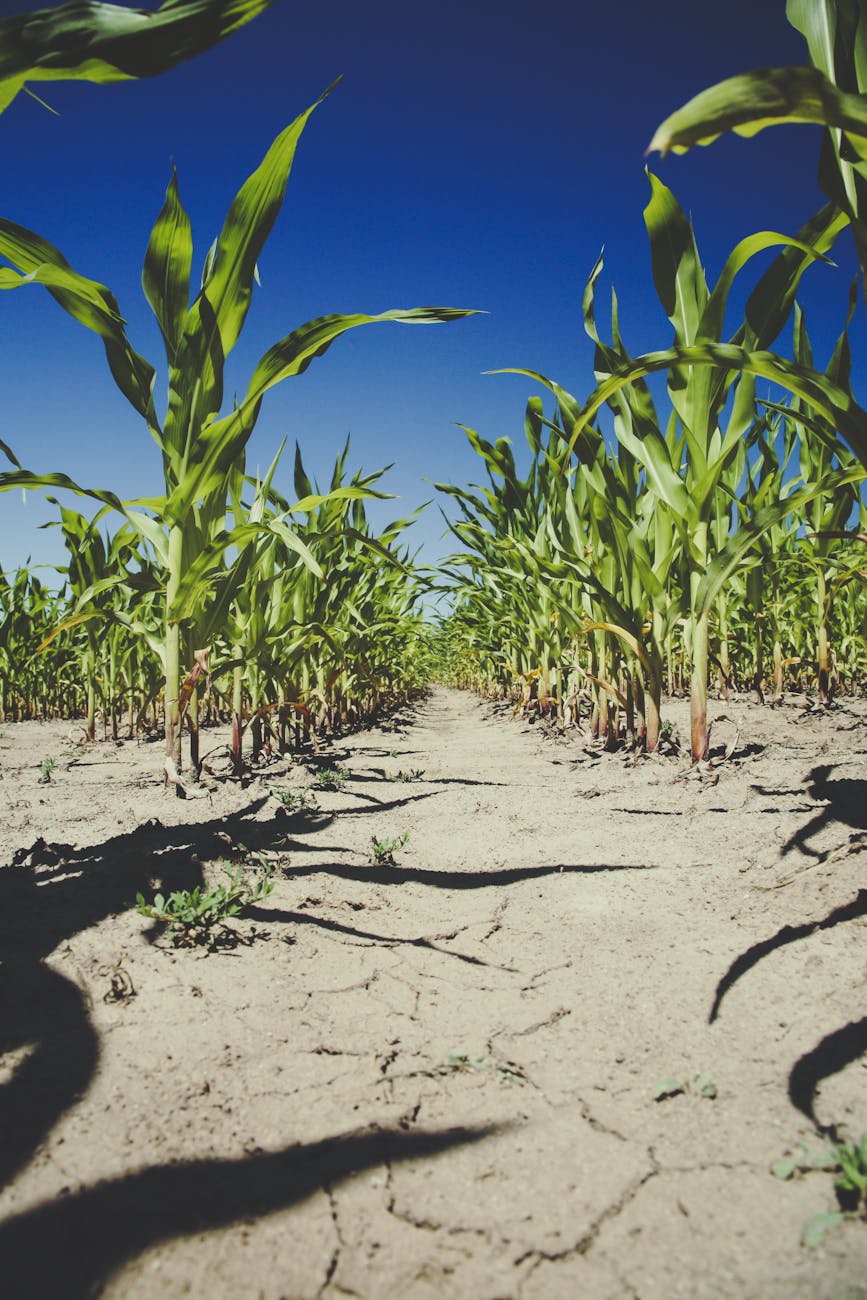
3. Preparing Your Garden and Landscape for Drought
If you rely on a garden for food or income, a drought can be particularly challenging. There are several ways to help your garden endure reduced water availability.
Drought-Resistant Plants and Crops
- Grow Native Plants: Native plants are typically more adapted to local climate conditions, including drought. Look for drought-tolerant species to reduce your water needs.
- Use Perennial Crops: Perennial plants, such as berries, asparagus, or fruit trees, generally require less water than annuals once established.
- Practice Companion Planting: Group plants with similar water needs together, and use cover crops to retain soil moisture and reduce evaporation.
Water-Efficient Gardening Practices
- Water Early or Late in the Day: Watering during the cooler parts of the day reduces evaporation, helping the soil retain moisture longer.
- Deep Watering: Water less often but more deeply. This encourages plants to develop deeper root systems, making them more drought-tolerant.
- Hydrozoning: Place plants with similar water needs together to make efficient use of water.

4. Maintaining Mental Health During Drought Conditions
Drought not only affects physical resources but can also be mentally draining, especially if your livelihood is tied to the land.
Mental Health Tips
- Connect with Community: Share resources, knowledge, and experiences with neighbors and local farmers to reduce the burden of dealing with drought alone.
- Prioritize Self-Care: Make time for activities that relieve stress, such as walks in nature or spending time with loved ones.
- Plan for the Future: Having a plan in place for dealing with drought can reduce anxiety. Discuss strategies with your family or community group to create a clear path forward.

5. Building Community Resilience
During a drought, collaboration can be one of the most valuable tools for mitigating its effects.
Community Water Sharing Programs
- Cooperative Water Management: If you live in a farming community, consider organizing a cooperative to share water resources during critical times.
- Community Rainwater Collection: Pool resources for large-scale rainwater harvesting systems that can benefit the entire community during dry periods.
Wildfire Risk Mitigation
Drought increases the risk of wildfires. Work with your community to reduce fire hazards.
- Create Firebreaks: Clear vegetation and dry brush around your home and community areas.
- Wildfire Drills: Organize community-wide wildfire drills to ensure everyone knows how to respond quickly and safely.
6. Preparing for Long-Term Drought Scenarios
As we face more frequent and intense droughts due to climate change, preparing for long-term scenarios becomes crucial. Here are a few strategies to consider:
Diversifying Water Sources
- Water Storage Tanks: Installing large tanks to store water during wetter periods can help you weather long droughts.
- Desalination Units or Filters: If you live near a saltwater source, desalination systems can provide emergency water during extreme drought conditions.
Emergency Supplies
- Stockpiling Essentials: In prolonged droughts, food and water shortages can become severe. Keep a reserve of essentials such as canned goods, dried foods, and water.
- Backup Power: Droughts can cause power shortages. Solar generators and battery banks can keep your household running smoothly during outages.
Proactive Measures in Times of Drought
Droughts are becoming an increasingly prevalent issue across the U.S., and preparing now can help you mitigate its impacts on your household, animals, and local community. From water conservation strategies to ensuring the health of your garden and livestock, these steps can help ensure your family’s resilience during times of water scarcity. Stay connected to your local drought reports, prepare ahead, and create a network of resources within your community to handle these challenges together.
Taking action today to conserve resources, plan for the future, and support those around you can make a significant difference as drought conditions continue. By implementing these measures, you’ll be better equipped to navigate the challenges posed by prolonged dry periods while also helping your community and environment thrive.
