

In today’s consumer-driven world, it’s easy to overlook the impact our spending habits have on the larger societal and environmental framework. Every dollar we spend is essentially a vote—a vote for the kind of world we want to live in. The concept of intentional spending suggests that by being mindful of where and how we allocate our money, we can contribute to reshaping our society in ways that align with our values and priorities. This article delves into the idea of intentional spending and explores how it can transform industries, communities, and the planet.
Understanding Intentional Spending
Intentional spending is about making conscious choices with our money, guided by our values, ethics, and the kind of world we want to foster. It’s more than just budgeting or cutting back on expenses; it’s about directing our financial resources toward businesses and industries that reflect our ideals. This practice challenges us to think critically about the long-term effects of our purchases on the economy, society, and the environment.
Key Aspects of Intentional Spending:
- Values-Driven Choices: Intentional spending involves aligning your purchases with your core values, whether that’s supporting local businesses, promoting sustainability, or investing in ethically produced goods.
- Long-Term Impact: It requires considering the broader consequences of your spending habits, not just the immediate benefits or savings.
- Community Focus: By supporting local and small businesses, intentional spending helps strengthen community bonds and local economies.
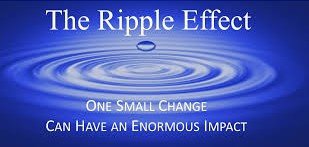
The Ripple Effect of Our Spending Habits
Every purchase we make has a ripple effect, influencing what industries thrive and which ones falter. Consider the following scenario: If a significant portion of consumers decided to avoid fast food chains in favor of local, farm-to-table restaurants, the demand for locally sourced food would increase. This shift could lead to more sustainable farming practices, reduced carbon footprints, and healthier food options becoming the norm rather than the exception.
Similarly, by choosing to buy from companies that prioritize ethical labor practices, consumers can help push unethical businesses to either reform or risk losing their market share. In this way, intentional spending can be a powerful tool for social change.
Impact on Various Sectors:
- Fast Food Industry: A collective move away from fast food could prompt a decline in industrial farming, which is often linked to environmental degradation and poor labor conditions. This shift could instead bolster local farmers and healthier food options.
- Fashion Industry: The fashion industry, notorious for its environmental impact and labor exploitation, would undergo significant changes if more consumers opted for sustainable, ethically produced clothing. This could lead to an increase in demand for high-quality, durable garments and a reduction in wasteful fast fashion practices.
- Technology and Entertainment: The tech and entertainment sectors might also see shifts, with consumers demanding more ethical practices in production, fair pay for creatives, and greater transparency in data usage.

The Decline of Non-Essential Industries
If more people embraced intentional spending, certain non-essential industries might struggle to survive. Luxury goods, overpriced trends, and other status symbols could see reduced demand as people prioritize purchases that offer genuine value and align with their ethical beliefs. This doesn’t mean the complete eradication of these industries, but rather a transformation in how they operate and what they prioritize.
For instance, the luxury goods market could pivot towards sustainability, using ethically sourced materials and transparent production processes to appeal to the conscientious consumer. Similarly, the tech industry might focus more on durability, repairability, and ethical sourcing of materials, rather than churning out new models with minimal upgrades each year.
Industries Likely to Decline:
- Luxury Goods: With a focus on quality over quantity, the market for high-priced, low-utility items could shrink, making way for products that are both beautiful and sustainable.
- Fast Fashion: As consumers move towards durable, ethically made clothing, fast fashion brands may face decreased demand, forcing them to adopt more sustainable practices or risk obsolescence.
- Disposable Products: Items designed for single use or short-term convenience, such as plastic cutlery, fast fashion, or cheaply made electronics, may see a decline in demand as consumers opt for longer-lasting, more sustainable alternatives.
New Opportunities for Ethical Businesses
While some industries might struggle, intentional spending would also create new opportunities for businesses that prioritize ethical practices, sustainability, and community impact. Small businesses, in particular, could flourish as more consumers seek out locally made, high-quality products. This shift could lead to a resurgence of craftsmanship, local food production, and community-focused services.
Potential Growth Areas:
- Local Artisans and Craftsmen: With a focus on quality and uniqueness, local artisans and craftsmen could see increased demand for their handmade, sustainably produced goods.
- Sustainable Food Production: Farmers markets, community-supported agriculture (CSA) programs, and other local food initiatives could thrive as more people choose to support local, sustainable food sources.
- Ethical Technology: Companies that prioritize ethical sourcing, fair labor practices, and environmentally friendly production methods could become leaders in the tech industry, appealing to consumers who value transparency and sustainability.

Building a Better Future Through Intentional Spending
Intentional spending is not just about individual choices; it’s about collective action. If enough people make conscious decisions about where they spend their money, the cumulative effect could lead to significant societal changes. By supporting businesses that align with our values, we can help shape a world that prioritizes sustainability, ethics, and community well-being.
Steps to Embrace Intentional Spending:
- Identify Your Values: Start by identifying the values that are most important to you. Do you prioritize environmental sustainability? Fair labor practices? Local economies? Use these values as a guide for your spending decisions.
- Research Businesses: Before making a purchase, research the businesses you’re considering. Look into their labor practices, environmental policies, and overall impact on society. Choose to support those that align with your values.
- Shift Gradually: You don’t need to overhaul your spending habits overnight. Start small, perhaps by choosing one area of your life to focus on, such as food or clothing, and gradually expand your intentional spending efforts.
- Support Local: Whenever possible, support local businesses and producers. Not only does this strengthen your local economy, but it also reduces the environmental impact of transportation and promotes community connections.
- Advocate for Change: Use your voice to advocate for broader changes in consumer culture. Share your journey with others, encourage them to make similar choices, and support policies that promote ethical business practices.
The Power of Collective Consumer Action
When we think about the power of consumer spending, it’s easy to feel insignificant—after all, what difference can one person’s choices make? But the truth is, consumer spending is a powerful force that can drive significant change, especially when it’s collective. If more people embraced intentional spending, the cumulative effect could shift market demands, influence corporate practices, and even lead to policy changes that promote sustainability and social justice.
Real-World Examples:
- Fair Trade Movement: The fair trade movement is a powerful example of how consumer demand for ethically produced goods can lead to better wages and working conditions for producers in developing countries.
- Organic Food Market: The growing demand for organic food has led to an increase in organic farming practices, reducing the use of harmful pesticides and promoting better environmental stewardship.
- Sustainable Fashion: As more consumers seek out sustainable fashion options, major brands have started to incorporate recycled materials, reduce waste, and improve transparency in their supply chains.

Conclusion: Shaping the World One Purchase at a Time
Intentional spending is more than just a personal financial strategy—it’s a way to shape the world around us. By making conscious, values-driven choices with our money, we can support industries that prioritize ethics and sustainability, create new opportunities for local businesses, and contribute to a more just and equitable society.
Imagine a world where every purchase we made reflected our deepest values. What would that world look like? What industries would thrive, and which ones would fade away? How would our communities change? The power to shape that future lies in our hands—and in our wallets. By embracing intentional spending, we can help build a world that aligns with our values and supports a better future for all.
