
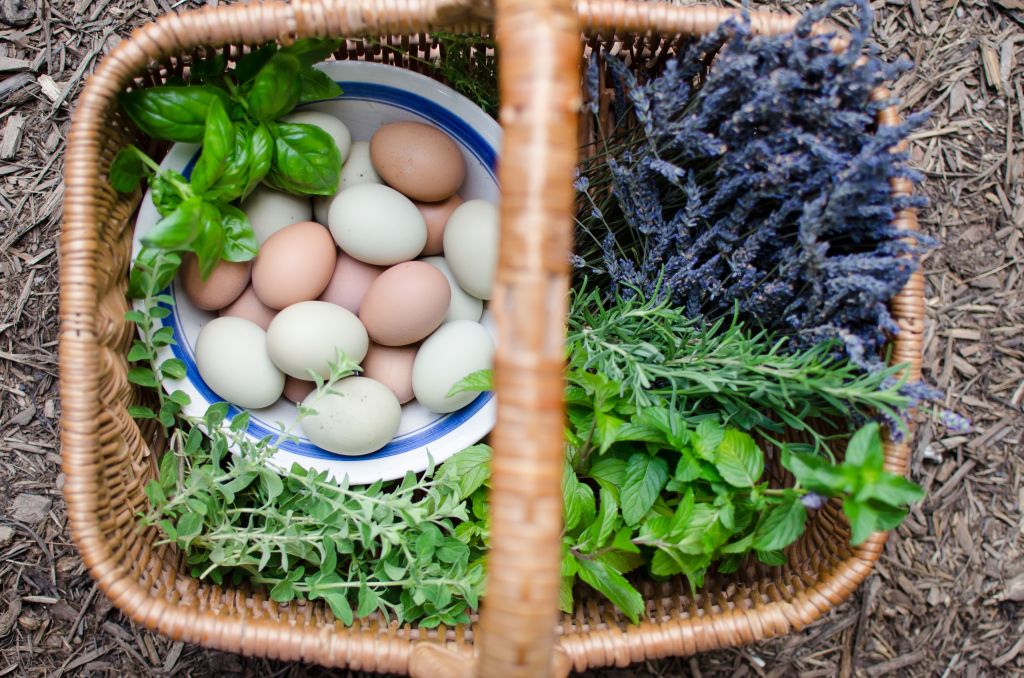
Raising chickens involves more than just providing them with food and shelter; it’s about creating an environment that supports their overall health and well-being. One innovative approach that has gained popularity among backyard chicken keepers is the creation of self-medicating herb gardens for their flocks. These gardens allow chickens to instinctively select herbs that address their specific health needs, providing a natural way to boost their immunity, reduce stress, and improve their overall health.
The Concept of a Self-Medicating Herb Garden
A self-medicating herb garden is a designated area where a variety of medicinal herbs are grown, allowing chickens to access them freely. Chickens, like many other animals, have an innate ability to self-medicate by choosing plants that contain specific nutrients or medicinal properties that they need. This behavior, known as zoopharmacognosy, is not just fascinating but also incredibly beneficial for the birds.
In a self-medicating herb garden, the herbs serve multiple functions, from promoting respiratory health to acting as natural dewormers. These gardens can be incorporated into various chicken setups, whether it’s a small backyard coop, a larger chicken run, or even a free-range pasture. The key is to plant a variety of herbs that offer a wide range of benefits, ensuring that chickens have access to the natural remedies they need.
The Benefits of a Self-Medicating Herb Garden
1. Natural Health Support
One of the most significant benefits of a self-medicating herb garden is the natural health support it offers. Different herbs have distinct medicinal properties that can help address specific health concerns in chickens:
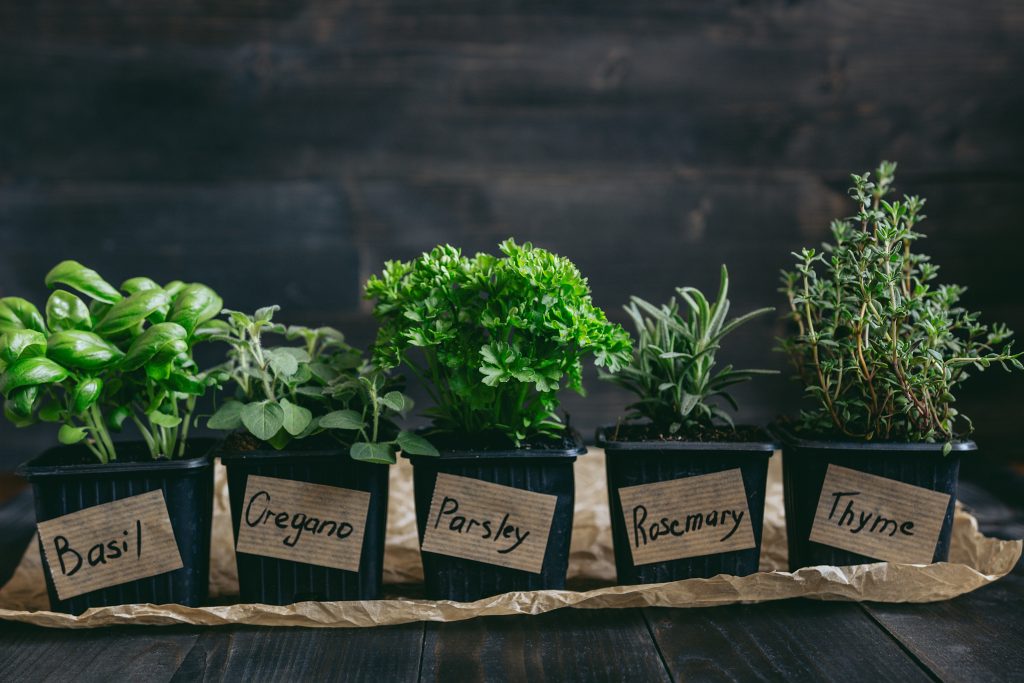
- Oregano: Known for its strong antibacterial properties, oregano can help prevent and treat respiratory infections.
- Basil: Basil has anti-inflammatory and antibacterial properties, making it useful for boosting the immune system.
- Thyme: This herb supports respiratory health and acts as a natural dewormer.
- Dill: Dill can help with digestion and is also known for its calming properties.
- Mint: Mint helps regulate body temperature, provides relief from respiratory issues, and acts as a natural insect repellent.
- Parsley: A rich source of vitamins A, C, and K, parsley supports overall health and boosts the immune system.
- Lavender: Lavender is well-known for its stress-relieving properties, which can help keep chickens calm.
- Coriander (Cilantro): This herb is a natural antioxidant and helps in detoxifying the body.
- Marigolds: Known for their bright orange flowers, marigolds are excellent for boosting immunity and improving the quality of eggs due to their high lutein content.
By allowing chickens to choose from a variety of herbs, they can self-regulate their intake of these beneficial plants based on their individual health needs. This natural approach to health care reduces the need for synthetic medications and supplements, which can have side effects or lead to resistance over time.
2. Stress Reduction
Chickens are sensitive animals that can become stressed due to environmental changes, predator threats, or social dynamics within the flock. Stress is a significant factor that can weaken a chicken’s immune system, making them more susceptible to illness. Certain herbs, like lavender and dill, have calming properties that can help reduce stress levels in chickens. A self-medicating herb garden provides a natural outlet for chickens to manage their stress, contributing to a healthier and happier flock.
3. Natural Parasite Control
Internal and external parasites are common issues in poultry keeping. Herbs like thyme, mint, and oregano have natural antiparasitic properties that can help reduce the parasite load in chickens. By incorporating these herbs into their diet, chickens can help keep their digestive and respiratory systems free from harmful parasites without the need for chemical treatments.
4. Enhanced Egg Quality
The nutritional content of a chicken’s diet directly influences the quality of the eggs they produce. Herbs like marigold and parsley are rich in antioxidants, vitamins, and minerals, which can improve the quality of eggs, making the yolks richer in color and the eggshells stronger. Additionally, the presence of these herbs in the garden can lead to eggs with enhanced flavors, making them more appealing to consumers.

Why Fresh Herbs Are Better Than Dried Herbs
While adding dried herbs to chicken feed is a common practice, offering fresh herbs in a self-medicating garden has distinct advantages:
- Choice and Variety: In a self-medicating garden, chickens have the autonomy to choose the herbs they need, in the quantities they require. This ability to self-select is not possible when herbs are dried and mixed into feed. Fresh herbs offer more potent medicinal properties than their dried counterparts, as the drying process can degrade certain beneficial compounds.
- Active Compounds: Fresh herbs contain higher levels of essential oils and active compounds compared to dried herbs. These compounds are responsible for the medicinal effects of the herbs and are more effective when consumed fresh.
- Behavioral Enrichment: Foraging in a herb garden provides chickens with mental stimulation and physical activity, which are important for their overall well-being. The act of choosing and consuming fresh herbs mimics their natural behavior in the wild, leading to a more enriched and fulfilling life.
Setting Up a Self-Medicating Herb Garden
Setting up a self-medicating herb garden is relatively simple and can be adapted to various spaces and setups. Here’s a step-by-step guide to help you create a thriving herb garden for your chickens:
1. Choosing the Location
The first step is to choose a suitable location for your herb garden. The garden can be established within a chicken run, alongside a pasture, or even in a dedicated area of your backyard. The location should receive adequate sunlight, as most herbs thrive in sunny conditions. Ensure that the soil is well-drained and fertile, as healthy soil is crucial for the growth of robust herbs.
2. Selecting the Herbs
Choose a variety of herbs that offer different health benefits. As mentioned earlier, consider herbs like oregano, basil, thyme, dill, mint, parsley, lavender, coriander, and marigolds. You can also experiment with other herbs like rosemary, sage, and echinacea, depending on the specific needs of your flock.
3. Preparing the Soil
Before planting, prepare the soil by removing any weeds and adding organic compost to enrich it. If you’re planting in a confined space, such as a raised bed or containers, use high-quality potting soil mixed with compost to provide the necessary nutrients for the herbs.
4. Planting the Herbs
Plant the herbs according to their individual spacing and depth requirements. Some herbs, like mint, can spread aggressively, so consider planting them in containers or using barriers to prevent them from overtaking the garden. Group herbs with similar water and sunlight needs together to make maintenance easier.
5. Protecting the Herbs
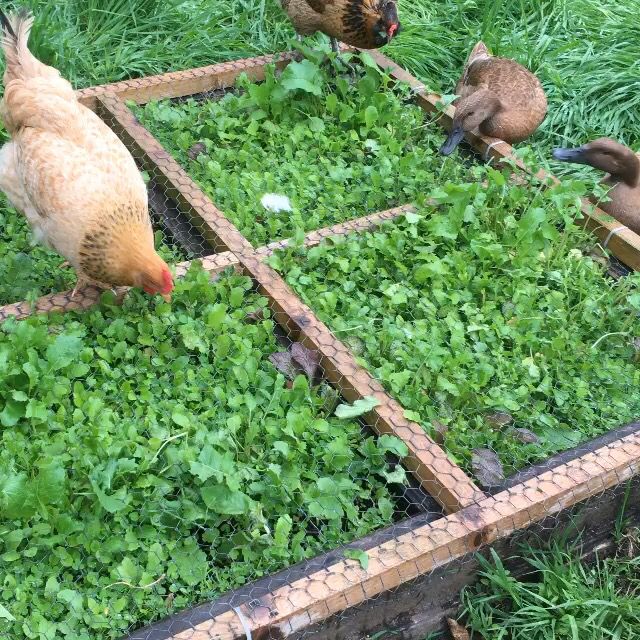
To prevent the chickens from completely decimating the herbs, cover the planting area with a mesh or wire frame that allows the plants to grow through but limits the chickens’ access to the roots. This setup ensures that the plants can continue to grow and regenerate while the chickens eat only what is accessible above the mesh. This method also prevents chickens from scratching up the soil and uprooting the herbs.
6. Maintaining the Garden
Regular maintenance is essential to keep the herb garden thriving. Water the herbs as needed, especially during dry spells, and remove any weeds that may compete with the herbs for nutrients. Prune the herbs regularly to encourage new growth and prevent them from becoming woody.
Adapting the Garden to Different Setups
One of the great advantages of a self-medicating herb garden is its adaptability. Whether you have a small backyard coop or a larger free-range setup, you can tailor the garden to suit your space:
- Backyard Coops: If space is limited, consider using vertical gardening techniques or planting herbs in hanging baskets. You can also create a small raised bed or use containers placed around the coop.
- Chicken Runs: In larger chicken runs, designate a specific area for the herb garden and use fencing or barriers to protect the plants from overgrazing. You can also plant herbs along the perimeter of the run to provide a natural border.
- Pasture-Based Systems: For free-range or pasture-based systems, plant herbs in strategic locations where chickens are likely to forage. You can also use movable grazing frames that allow chickens to access different sections of the herb garden over time.
Monitoring and Adjusting
Once the herb garden is established, observe how your chickens interact with it. Take note of which herbs they favor and any changes in their health or behavior. You may need to adjust the garden by adding more of the herbs that are most beneficial or introducing new varieties based on your observations.
Conclusion: Empowering Your Chickens and Enhancing Their Health
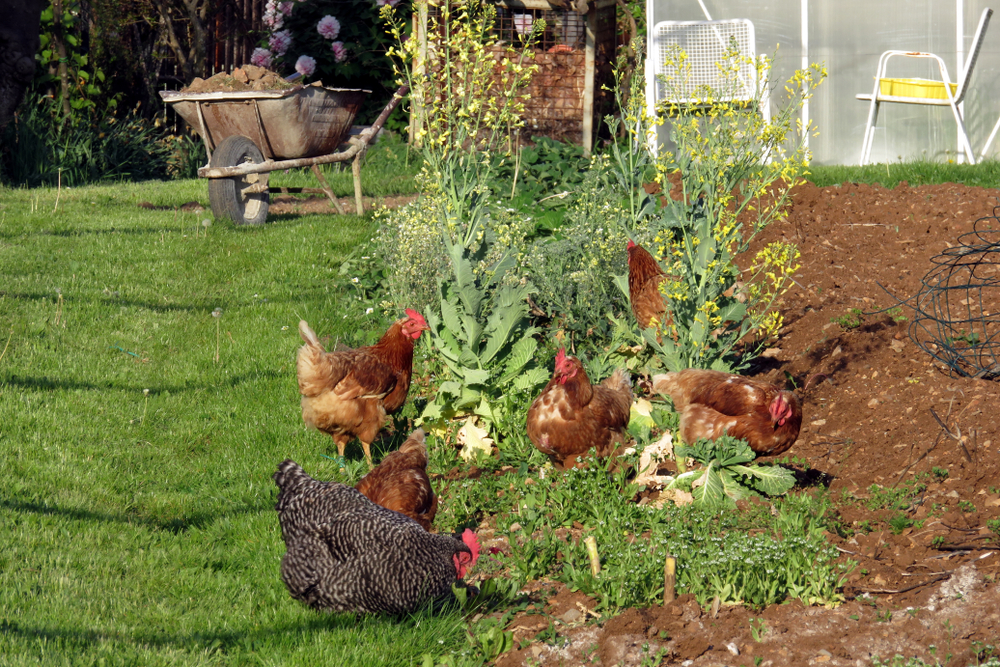
A self-medicating herb garden is a valuable addition to any chicken-keeping setup. It empowers your chickens to take control of their health by providing them with a diverse range of medicinal herbs. This natural approach to health care not only supports the well-being of your flock but also reduces reliance on synthetic medications and supplements.
By setting up a self-medicating herb garden, you’re creating a more sustainable and holistic environment for your chickens. Whether you’re an experienced chicken keeper or just starting out, this innovative practice offers a rewarding way to enhance the health and happiness of your birds. With a little planning and care, you can create a thriving herb garden that will benefit your chickens for years to come.
