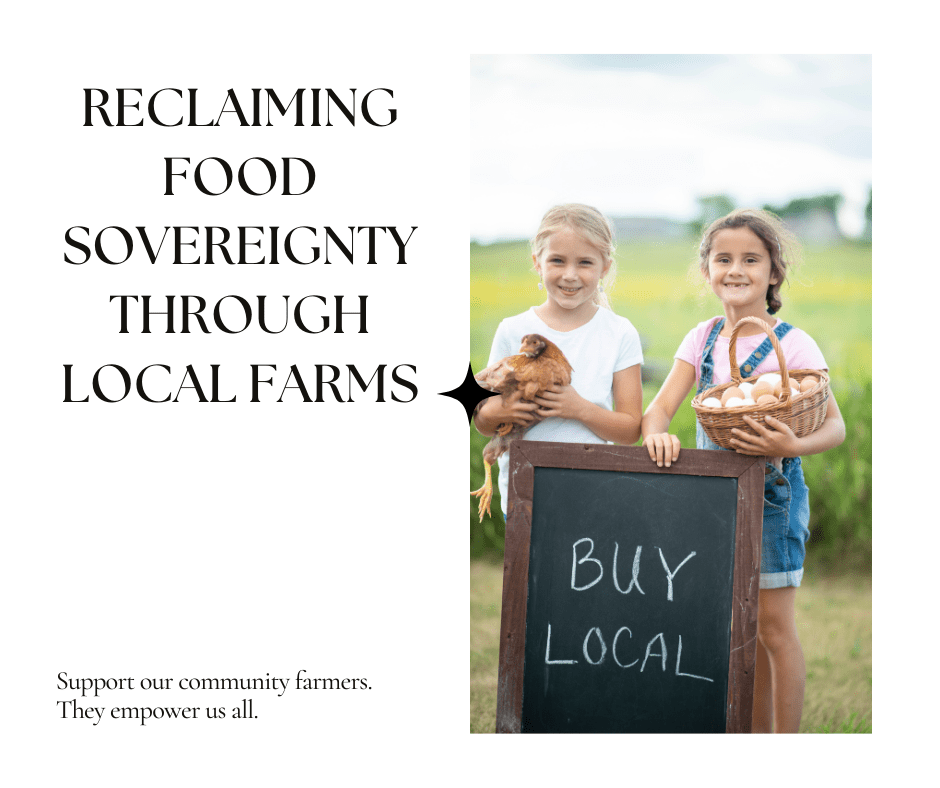
In the sprawling tapestry of modern agriculture, the concept of food sovereignty emerges as a beacon of resilience and empowerment. It represents the right of communities to control their own food systems, ensuring that food is produced, distributed, and consumed in ways that are socially just and ecologically sustainable. As global challenges like climate change, economic inequality, and food insecurity loom large, the need to reclaim food sovereignty through local farming has never been more pressing.
Understanding Food Sovereignty
At its core, food sovereignty asserts the fundamental right of peoples and nations to define their own agricultural and food policies. Coined by La Vía Campesina, a global peasant movement, it emphasizes local knowledge and practices over industrialized, corporate-controlled food production. Unlike food security, which focuses on access to food, food sovereignty goes further, advocating for democratic control over the entire food system—from seed to table.
The movement champions sustainable agricultural practices that prioritize biodiversity, soil health, and the well-being of farming communities. It stands in stark contrast to industrial agriculture, which often prioritizes profit margins over environmental stewardship and community welfare. By promoting local farming, food sovereignty seeks to decentralize food production, reduce dependence on global supply chains, and build resilient, self-reliant communities.
The Impact of Industrial Agriculture
Industrial agriculture, characterized by monoculture farming, heavy chemical inputs, and large-scale mechanization, has dominated global food production for decades. While it has increased yields and lowered prices in the short term, its long-term consequences are profound. Soil erosion, water depletion, biodiversity loss, and greenhouse gas emissions are among the environmental costs. Socially, it has contributed to the decline of small farms, rural communities, and cultural food traditions.
Moreover, the COVID-19 pandemic laid bare the vulnerabilities of globalized food systems, highlighting the fragility of supply chains and the inequities in food access. In contrast, local farming offers a resilient alternative, providing fresher, healthier food while supporting local economies and reducing carbon footprints.

The Rise of Local Farming Movements
Amidst the challenges posed by industrial agriculture, local farming movements are experiencing a resurgence worldwide. Community-supported agriculture (CSA), farmers’ markets, urban agriculture initiatives, and farm-to-table restaurants are reconnecting consumers with the source of their food. These movements prioritize transparency, accountability, and direct relationships between farmers and consumers.
In cities and rural areas alike, small-scale farmers are reclaiming land, reviving traditional farming practices, and cultivating diverse crops. They are embracing agroecological principles that promote biodiversity, conserve natural resources, and enhance soil fertility without relying on synthetic chemicals. These practices not only produce healthier food but also contribute to the resilience of ecosystems and local economies.
Huckleberry Farms and Food Sovereignty
One exemplary case of local farming championing food sovereignty is Huckleberry Farms. Nestled in the heart of Vigo County, Huckleberry Farms embodies the principles of sustainable agriculture and ethical food production. Here, chickens roam freely on pastures, foraging on a natural diet of grasses, insects, and grains. This natural lifestyle not only ensures the welfare of the animals but also enhances the flavor and nutritional quality of the meat.
Huckleberry Farms practices regenerative agriculture, which aims to restore and enhance the health of the land by building soil organic matter and restoring degraded soil biodiversity. By avoiding synthetic pesticides and fertilizers, the farm preserves the integrity of its ecosystems while producing food that is free from harmful residues. This commitment to sustainability extends to community engagement, where farm tours, workshops, and educational programs foster a deeper connection between consumers and their food sources.

Benefits of Supporting Local Farms
Supporting local farms like Huckleberry Farms yields manifold benefits. Firstly, it ensures access to fresh, seasonal produce that is rich in flavor and nutrients. Unlike mass-produced food that travels long distances, local food retains its freshness and nutritional value. Secondly, it strengthens local economies by keeping food dollars circulating within the community, creating jobs, and supporting small businesses.
Furthermore, buying local food reduces carbon emissions associated with transportation and packaging. It promotes food security by diversifying food sources and reducing reliance on centralized distribution systems prone to disruptions. Lastly, supporting local farms promotes food sovereignty by empowering communities to make informed choices about their food, supporting agricultural diversity, and preserving cultural food traditions.
Challenges and Opportunities
Despite the benefits, local farming faces several challenges. Access to land, rising land prices, and competition from industrial agriculture pose significant barriers for aspiring farmers. Regulatory hurdles and lack of infrastructure for processing and distribution can limit the scalability of local farming initiatives. However, these challenges also present opportunities for innovation, collaboration, and advocacy.
Supportive policies, incentives for sustainable farming practices, and investments in local food systems can bolster the resilience of local farms. Community-supported agriculture models, farm-to-school programs, and partnerships between farmers and local businesses are examples of initiatives that strengthen local food networks and promote food sovereignty.
Final Thoughts
In conclusion, reclaiming food sovereignty through local farming is not just a matter of food production; it is a movement towards social justice, environmental stewardship, and community resilience. By supporting local farms like Huckleberry Farms, consumers can play a pivotal role in transforming our food systems. Together, we can build a future where food is grown sustainably, distributed equitably, and enjoyed with appreciation for its origins and impact.
As we navigate an uncertain future, the principles of food sovereignty offer a guiding light—a pathway towards a more resilient, nourishing, and sustainable food system for generations to come.
