Permaculture is a sustainable land management system that mimics natural ecosystems to create a self-sufficient environment. A key principle of permaculture is the concept of zones, which helps in designing landscapes based on the frequency of use and maintenance needs. By strategically organizing these zones, farmers and gardeners can optimize efficiency, reduce labor, and create a harmonious relationship with their land.
At Huckleberry Farms, the storm in June, which destroyed all our shade trees, has necessitated a reevaluation of our land management approach. This loss has inspired us to transition to a permaculture zone-based system. In this article, we’ll explore the different zones in permaculture, their applications, and how this system can enhance efficiency, organization, and sustainability.
Understanding Permaculture Zones
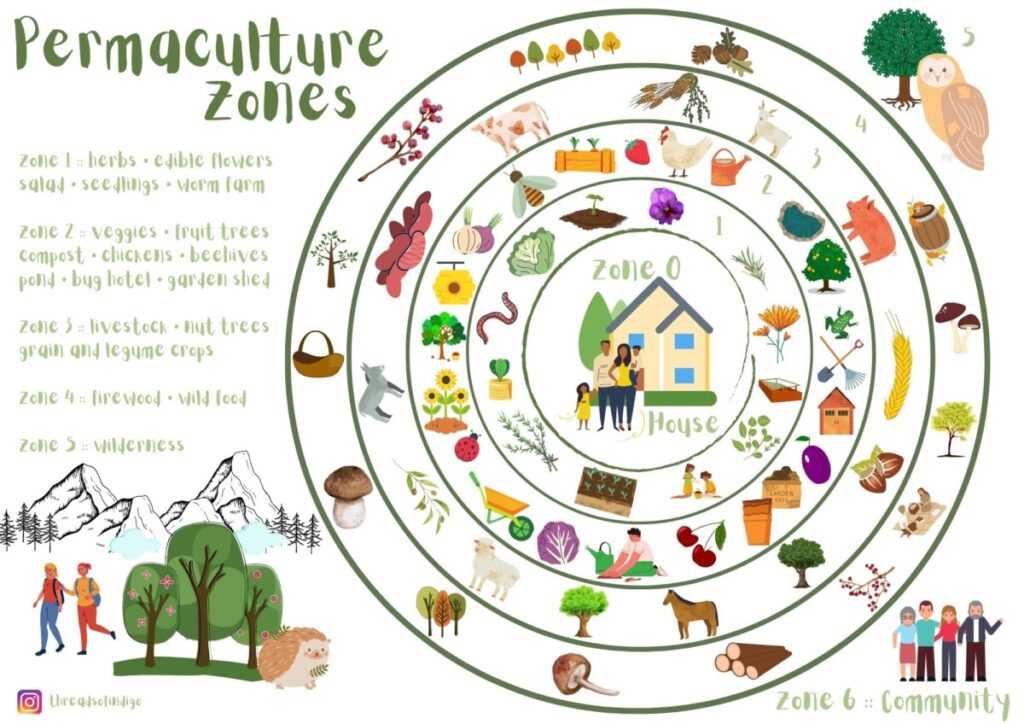
Permaculture zones are a method of organizing a landscape to prioritize ease and frequency of use. Zones range from Zone 0, the most frequently used area (usually the home or central living space), to Zone 5, the wild, unmanaged areas left to nature. Each zone serves a distinct purpose, with elements placed based on their maintenance needs and how often they are accessed.
Zone 0: The Home and Immediate Living Spaces
Zone 0 represents the home, where daily activities like cooking, eating, and socializing occur. This zone is the heart of human activity and is designed to be as efficient and sustainable as possible. Features like rainwater harvesting and energy-efficient appliances can be included in this zone, though at Huckleberry Farms, we focus on creating a functional and comfortable living space.
Application at Huckleberry Farms:
While we don’t have the space for a kitchen garden in Zone 0, we’re planting herbs in the flower beds around the home, alongside flowers that attract pollinators. This approach allows us to integrate practical and aesthetic elements, making the most of our available space.
Zone 1: The Most Frequently Used Areas
Zone 1 is the area closest to the home, designed for elements that require frequent attention and maintenance. This zone typically includes features like small gardens, compost bins, and small livestock enclosures. At Huckleberry Farms, we’ve adapted this zone to suit our unique needs and space constraints.
Application at Huckleberry Farms:
Our Zone 1 includes the berry patch (blackberries, blueberries, wild black raspberries, grapes, raspberries, and strawberries) and a vining plant trellis for crops like cucumbers, sugar baby watermelons, and luffa. These are compact and fit well within the small space available near the house. Additionally, we have a small portable compost bin in this zone for easy access, making it simple to compost kitchen waste and other organic material. In the winter, the main chicken coop, typically located in Zone 2, is temporarily moved to Zone 1 along with the rabbits, simplifying the care of all animals during the colder months.
Zone 2: The Main Food Production Area
Zone 2 is slightly further from the home and used for elements that require regular but less frequent attention, such as larger gardens, orchards, and larger animal enclosures. At Huckleberry Farms, Zone 2 is where we focus on our main food production efforts.
Application at Huckleberry Farms:
Our Zone 2 includes the big garden, which is our primary area for growing vegetables that require regular but not daily maintenance. The big compost bin is also located here, providing a place to compost garden waste and larger organic materials. We are planting multiple fruit trees in Zone 2, which will serve both as a source of fruit and as summer shade for the garden and livestock. The main chicken coop, a permanent structure, is also located in Zone 2, reflecting its role in our farm’s daily operations.
Zone 3: The Farming and Livestock Area
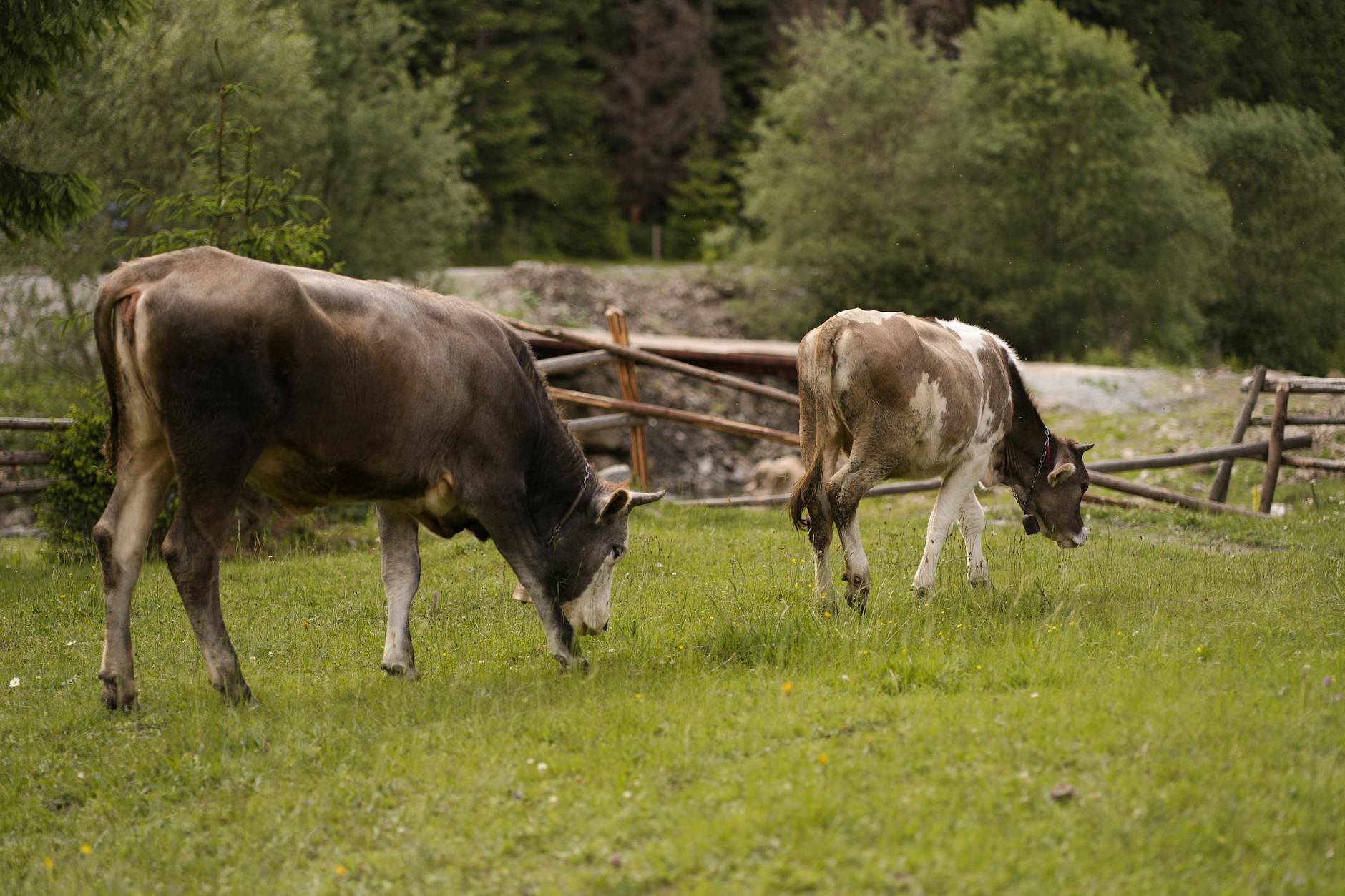
Zone 3 is dedicated to larger-scale food production that requires minimal maintenance. This zone often includes fields, larger pastures, and animal systems managed on a seasonal basis. While Huckleberry Farms currently doesn’t have the space to implement Zone 3, understanding its purpose can help others with more land to plan their farm effectively.
Potential Applications for Larger Properties:
In a larger property, Zone 3 could be used for extensive crop production, such as grains or root vegetables that require planting and harvesting once or twice a year. Larger pastures for grazing animals like cattle, sheep, or goats could also be established in this zone, with rotational grazing systems to maintain soil health. This zone is ideal for elements that don’t need constant attention but are crucial to the farm’s overall productivity.
Zone 4: The Semi-Wild Area
Zone 4 is a semi-wild area that requires minimal maintenance and is often used for foraging, timber production, or hunting. It’s managed in a way that allows for natural regeneration with minimal human intervention. While Huckleberry Farms does not extend to Zone 4, this area can be a valuable part of larger properties.
Potential Applications for Larger Properties:
Zone 4 could be used for woodlots where timber is harvested sustainably, wild food foraging areas, or managed hunting grounds. It’s a zone that blends human use with natural ecosystems, allowing for the sustainable extraction of resources while promoting biodiversity and ecological health.
Zone 5: The Wilderness
Zone 5 is the wildest part of the property, left completely to nature with no human intervention. This zone is a space for wildlife, native plants, and natural ecosystems to thrive, serving as a place of observation and learning. Although Huckleberry Farms does not have a Zone 5, understanding its role is essential for those looking to create a balanced and sustainable landscape.
Potential Applications for Larger Properties:
Zone 5 is ideal for conservation efforts, serving as a habitat for native species and a buffer zone between the farmed areas and the surrounding environment. It’s an area where nature is allowed to flourish, providing a sanctuary for wildlife and a space for observing natural processes. This zone can play a critical role in maintaining the ecological balance of the entire property.

Benefits of Implementing Permaculture Zones
Transitioning to a permaculture zone system offers numerous benefits, particularly in terms of efficiency, sustainability, and resilience. Here are some of the key advantages:
- Increased Efficiency: Organizing the farm according to permaculture zones reduces the time and energy spent on daily tasks. With elements placed strategically based on their maintenance needs, the farm becomes easier to manage, especially during peak seasons or challenging weather conditions.
- Enhanced Sustainability: The permaculture zone system encourages the use of natural resources, reduces waste, and fosters biodiversity. By working with nature rather than against it, the farm becomes more sustainable and resilient to external pressures.
- Improved Soil Health: Rotational grazing and polyculture systems inherent in permaculture help maintain and improve soil health. These practices reduce the need for chemical inputs and enhance the long-term fertility of the land.
- Greater Resilience: The diversity and redundancy built into the permaculture zone system increase the farm’s resilience to environmental challenges. By spreading resources and activities across different zones, the risk of a single event disrupting the entire farm is minimized.
- Stronger Community Connections: Permaculture zones encourage community involvement and education. By offering farm tours, workshops, and community-supported agriculture (CSA) programs, farmers can engage with their community and share the benefits of sustainable farming practices.

Implementing Permaculture Zones: A Step-by-Step Approach
For those interested in adopting the permaculture zone system on their own property, here’s a step-by-step guide to get started:
- Assess Your Land: Begin by observing your property and identifying natural features, such as slopes, water sources, and existing vegetation. This assessment will help you determine the most suitable locations for each zone.
- Define Your Zones: Based on your assessment, map out the different zones on your property. Consider the frequency of use, the level of maintenance required, and the natural flow of energy and resources when designating each zone.
- Plan Your Elements: Decide which elements, such as gardens, animal enclosures, and compost bins, will go in each zone. Prioritize placing high-maintenance and frequently used elements in the closer zones and lower-maintenance elements in the more distant zones.
- Implement Gradually: Transitioning to a permaculture zone system doesn’t have to happen all at once. Start with the areas closest to your home (Zones 0 and 1) and gradually work your way out to the more distant zones. This approach allows for flexibility and adaptation as you learn more about your land and its needs.
- Monitor and Adjust: Permaculture is an adaptive system, so it’s important to monitor the effectiveness of your zones and make adjustments as needed. Regularly assess the health of your soil, plants, and animals, and be open to making changes to improve efficiency and sustainability.
Conclusion: A New Chapter for Huckleberry Farms
The transition to a permaculture zone system marks a new chapter for Huckleberry Farms, one that honors the natural world while embracing innovation and sustainability. The storm that took out our shade trees was a challenging event, but it also provided us with an opportunity to rethink and redesign our land use. By implementing permaculture zones, we aim to create a farm that is not only more efficient and organized but also more resilient and sustainable for the future.
For those with more space, incorporating Zones 3, 4, and 5 can further enhance the sustainability and resilience of your property. Whether you’re managing a small farm or a larger estate, permaculture zones offer a practical and holistic approach to land management, ensuring that every part of your property is used in the most efficient and ecologically responsible way possible.
