
Whether you’re dreaming of a homestead, preparing for emergencies, or simply aiming for a more self-sufficient lifestyle, these skills will help you on your journey. Whether you live in an apartment or on a few acres, the journey to becoming more self-sufficient begins with small steps. By building foundational skills, you can start moving toward a lifestyle of homesteading, farming, or prepping. Here’s a list of 15 skills you can begin learning today, using what you have, wherever you are.
Cooking and Food Preparation
Cooking from Scratch
- Cooking from scratch is one of the most fundamental skills for self-sufficiency. It allows you to control the quality of your food, reduce reliance on processed items, and save money. Start with simple meals like soups, stews, or roasted vegetables. As you gain confidence, experiment with more complex dishes. Even if you have limited kitchen space or a small budget, cooking from scratch is accessible to everyone. Whether it’s soups, stews, or simple sautéed vegetables, cooking your own meals reduces dependence on processed foods and saves money.
Baking Bread
- Baking your own bread is a satisfying way to become more self-sufficient. Bread baking is a rewarding skill that connects you to the basics of food preparation. Start with a simple recipe, such as a no-knead loaf, which requires minimal ingredients and effort. Once you master the basics, try different types of bread, such as sourdough, which also introduces you to the process of maintaining a starter. Baking bread at home not only saves money but also fills your home with the comforting aroma of fresh-baked loaves.
Food Preservation and Storage
Water Bath Canning
- Water bath canning is an excellent way to preserve high-acid foods like fruits, pickles, and tomatoes. You don’t need a lot of equipment to get started—a large pot, canning jars, and a rack to keep jars off the bottom of the pot are all you need. Canning is an excellent method to preserve fruits, vegetables, and even jams. Canning allows you to extend the life of your garden harvest or take advantage of seasonal produce sales, helping you build a pantry of homemade goods.
Refrigerator Pickles
- If you’re not ready to dive into canning, refrigerator pickles are a quick and easy alternative. All you need are some jars, vinegar, salt, sugar, and your favorite vegetables. Within a few days, you’ll have delicious pickles ready to enjoy. Refrigerator pickles are a great way to experiment with flavors and preserve small batches of produce.
Drying Herbs
- Drying herbs is one of the simplest ways to preserve your garden’s bounty. You don’t need any special equipment—just a warm, dry place where you can hang bunches of herbs or spread them out on a rack. Once dried, store them in airtight containers, and you’ll have fresh herbs to use throughout the year. Drying herbs is an excellent introduction to food preservation and helps you make the most of your garden.
Making Garlic Honey
- Garlic honey is a natural remedy that’s easy to make and has numerous health benefits. Combine raw garlic cloves with honey in a jar, and let it infuse for a few weeks. The result is a sweet and savory syrup that can be used to boost immunity, soothe a sore throat, or add flavor to dishes. This simple process introduces you to the basics of home remedies and natural medicine.
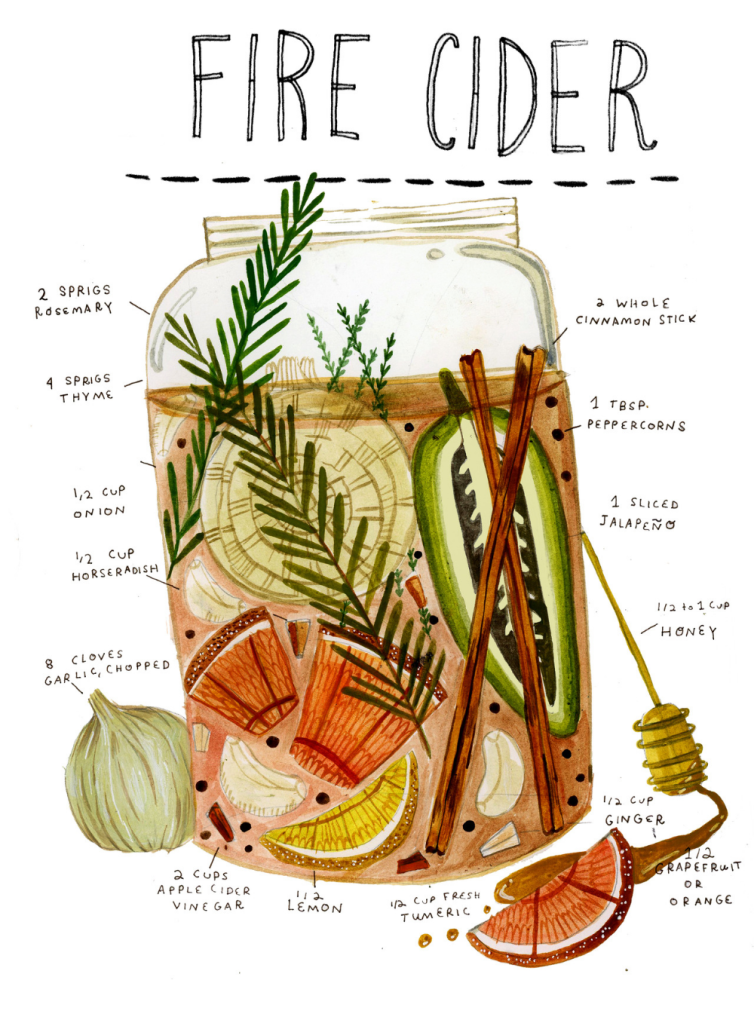
- Making Fire Cider
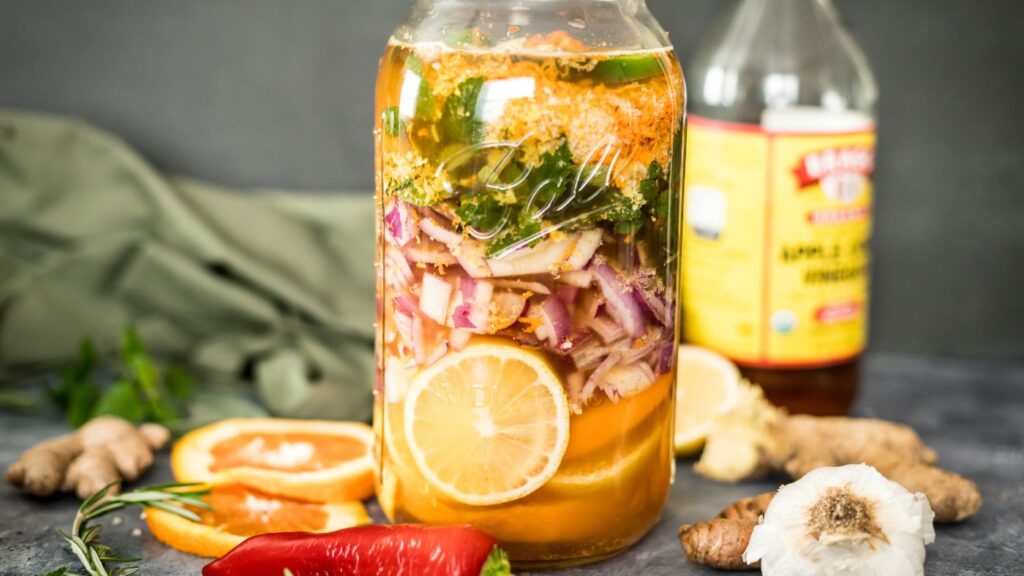
- Fire cider is another traditional remedy made from apple cider vinegar, garlic, onions, ginger, and other herbs and spices. It’s a potent tonic that can help ward off colds and boost your immune system. Making fire cider involves chopping ingredients, combining them in a jar, and letting them steep for several weeks. Like garlic honey, fire cider is an easy way to start learning about natural health practices.
Gardening and Composting
- Gardening
- Even if you only have a balcony or a windowsill, you can start gardening. Herbs, lettuce, and other small plants grow well in containers and require minimal space. Gardening teaches you patience and the joy of growing your own food, no matter how small your setup. If you’re new to gardening, start with easy-to-grow plants like basil, mint, or radishes. Start with easy-to-grow plants like herbs, and expand as you gain confidence.
- Composting
- Composting turns kitchen scraps and yard waste into rich, fertile soil that you can use in your garden. Even in a small space, you can start a compost bin or worm farm to recycle organic waste. Composting reduces the amount of waste you send to the landfill and enriches your soil, making it a cornerstone of sustainable living. It’s a skill that benefits both you and the environment.
Sustainable Living Practices
- Reusing Water
- Water conservation is crucial for both sustainability and self-sufficiency. Start by reusing water where you can, such as collecting rainwater for plants or reusing water from boiling vegetables to water your garden. Even in an apartment, you can collect gray water from washing dishes to use on houseplants. Learning to reuse water helps you reduce waste and live more sustainably.
- Drinking More Water and Less Pre-Made Drinks
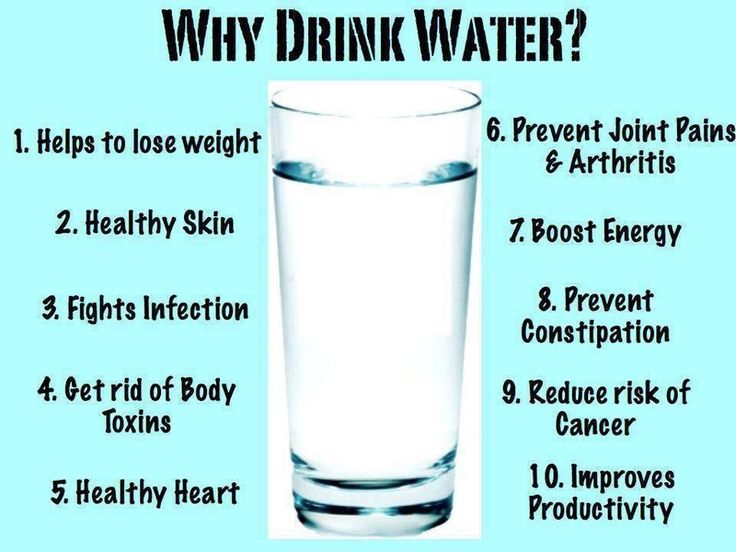
- Staying hydrated is essential for health, but it’s also important to reduce your reliance on pre-made drinks, which are often filled with sugar and additives. Make a habit of drinking more water throughout the day and cutting back on sodas, energy drinks, and other processed beverages. This simple change can have a big impact on your health and well-being.
Health and Wellness
- Tailoring Your Sleep Schedule to Match the Sun
- Living in tune with natural light cycles can improve your well-being and help you align with the rhythms of nature. Try going to bed earlier and waking up with the sun to take advantage of natural daylight. This practice can help you feel more energized and connected to your environment, which is especially important for homesteading and farming activities that often start early.
- Shopping the Outskirts of the Store
- When shopping for groceries, focus on the perimeter of the store, where fresh produce, dairy, meat, and other whole foods are typically located. Avoid the inner aisles, which are usually filled with processed and packaged foods. This shopping strategy helps you buy healthier, more nutritious ingredients that are better suited for cooking from scratch.
Learning and Organization
- Expanding Knowledge through Learning
- Self-sufficiency is a continuous learning process. There’s always something new to discover, whether it’s through YouTube videos, podcasts, books, or conversations with experienced homesteaders. Dedicating time to expanding your knowledge is just as important as practicing hands-on skills. Take advantage of the wealth of free resources available online, and never stop learning.
- Organization
- Organization is key to managing a homestead, farm, or self-sufficient lifestyle. Whether it’s organizing your pantry, garden tools, or daily schedule, being organized helps you stay efficient and reduces stress. Start by decluttering and finding storage solutions that work for your space. Good organization ensures that you’re prepared for whatever tasks come your way.

Start Where You Are, Use What You Have
Becoming more self-sufficient doesn’t require a lot of land, money, or experience. Whether you’re living in a city apartment or on a rural homestead, you can start developing these skills today. The key is to start small, using the resources you have at hand. Self-sufficiency is a journey that begins with small, manageable steps. By practicing these skills, you’re investing in a future where you’re more connected to your food, your environment, and your community. The journey to self-sufficiency is about progress, not perfection—so take that first step today, and keep learning and growing along the way.
