
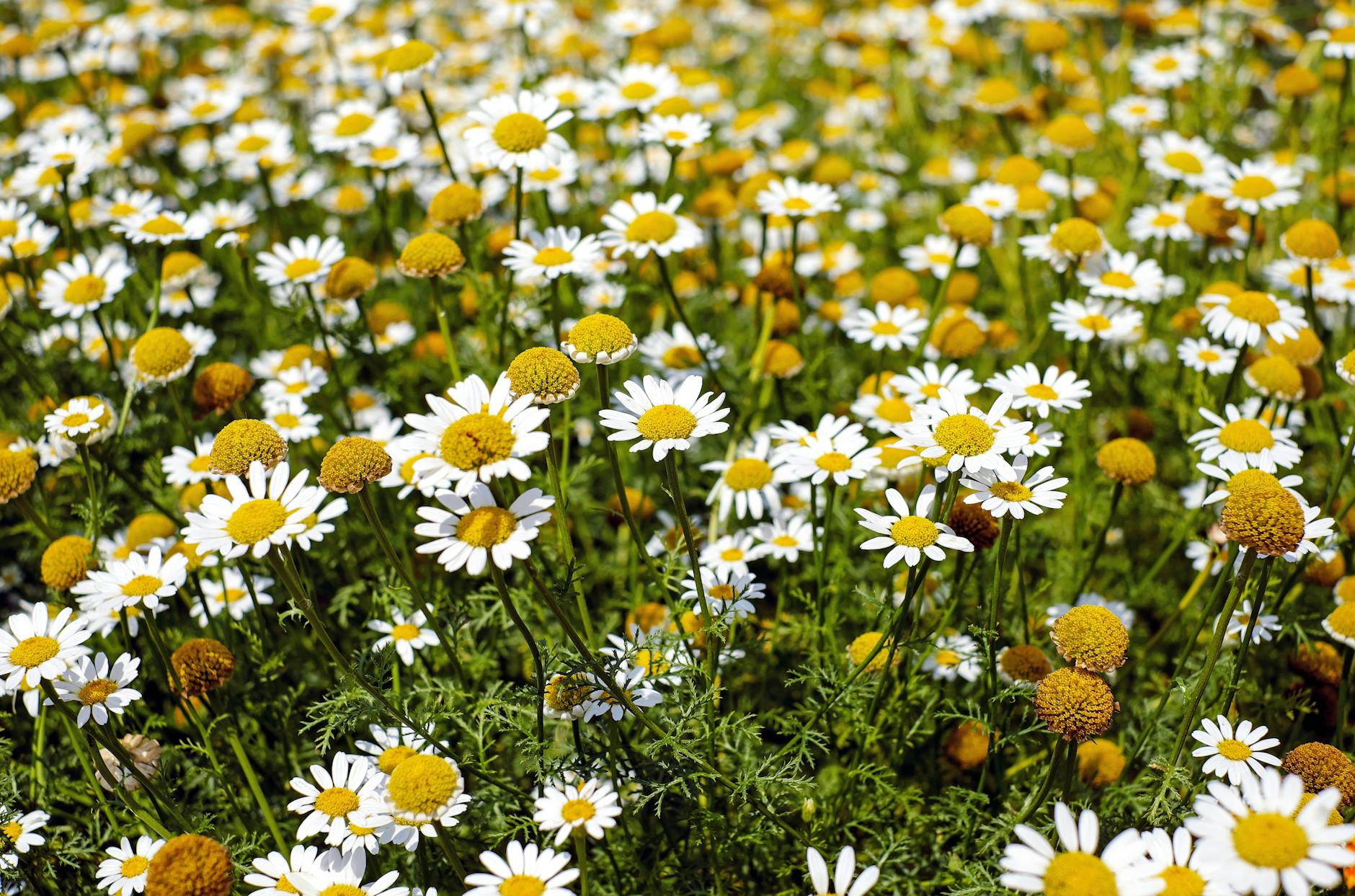
Chamomile, revered for centuries for its medicinal properties, is a versatile herb known for its soothing effects and diverse applications in traditional medicine and herbal remedies. Here’s an in-depth exploration of chamomile, including its history, natural uses, and cultivation.
History and Origins
Chamomile, a member of the Asteraceae family, encompasses two main varieties: German chamomile (Matricaria chamomilla) and Roman chamomile (Chamaemelum nobile). These varieties have a rich historical lineage dating back to ancient civilizations such as Egypt, Greece, and Rome. In these cultures, chamomile was highly esteemed for its calming effects and extensive therapeutic uses. Ancient Egyptians valued chamomile for its medicinal properties and included it in offerings to their gods. Meanwhile, the Greeks used chamomile in various herbal remedies, recognizing its ability to soothe digestive ailments and promote relaxation. Roman chamomile, named after its use by the Romans, was particularly revered for its aromatic qualities and was commonly used in baths and teas to induce relaxation and relieve stress.
Throughout history, chamomile has been employed in diverse forms, reflecting its versatility in treating a wide range of health conditions. From early herbalists to medieval healers, chamomile was incorporated into teas, salves, and poultices to address issues spanning digestive discomfort to skin irritations. Its anti-inflammatory and antimicrobial properties made it invaluable for soothing stomach upset, reducing inflammation, and promoting wound healing. The herb’s popularity persisted through the Renaissance and beyond, as European herbalists continued to explore its therapeutic benefits, further solidifying its place in traditional medicine practices.
Today, chamomile remains a staple in herbal medicine and is cultivated worldwide for its holistic health benefits. Whether enjoyed as a calming tea before bedtime, used topically to alleviate skin irritations, or incorporated into aromatherapy blends for stress relief, chamomile continues to be cherished for its gentle yet effective healing properties. Its legacy as a medicinal herb endures, bridging ancient wisdom with modern wellness practices, and making it a valuable addition to any homesteader’s garden or herbal medicine chest.

Natural Uses and Homeopathic Benefits
Chamomile is celebrated for its extensive range of natural uses, particularly in alternative medicine and homeopathy:
- Digestive Health: Chamomile tea is renowned for its ability to soothe digestive discomforts such as indigestion, gas, and bloating. Its anti-inflammatory properties help relax the muscles of the digestive tract, easing spasms and promoting digestion.
- Calming and Sleep Aid: Known for its mild sedative effects, chamomile is often used to alleviate stress, anxiety, and insomnia. Drinking chamomile tea before bedtime can promote relaxation and improve sleep quality.
- Skin Care: Chamomile’s anti-inflammatory and antioxidant properties make it effective for soothing skin irritations, such as eczema, rashes, and minor burns. Chamomile extracts are commonly found in skincare products for their gentle healing and moisturizing benefits.
- Immune Support: Rich in antioxidants and phytochemicals, chamomile helps strengthen the immune system and combat free radicals that contribute to cellular damage. Regular consumption of chamomile tea may support overall immune health.
Cultivation and Harvesting
Chamomile is relatively easy to grow, making it accessible to both gardeners and homesteaders:
- Planting: Chamomile thrives in well-drained soil and prefers full sun to partial shade. Seeds can be sown directly into the ground in spring, or seedlings can be transplanted. German chamomile grows as an annual, while Roman chamomile is a perennial.
- Harvesting: Flowers should be harvested when fully open but before they begin to wilt. To preserve chamomile’s beneficial compounds, harvest in the morning after the dew has dried. Dry the flowers by spreading them in a single layer in a well-ventilated area away from direct sunlight.
Homeopathic Preparations
Chamomile can be prepared in various forms to maximize its medicinal benefits:
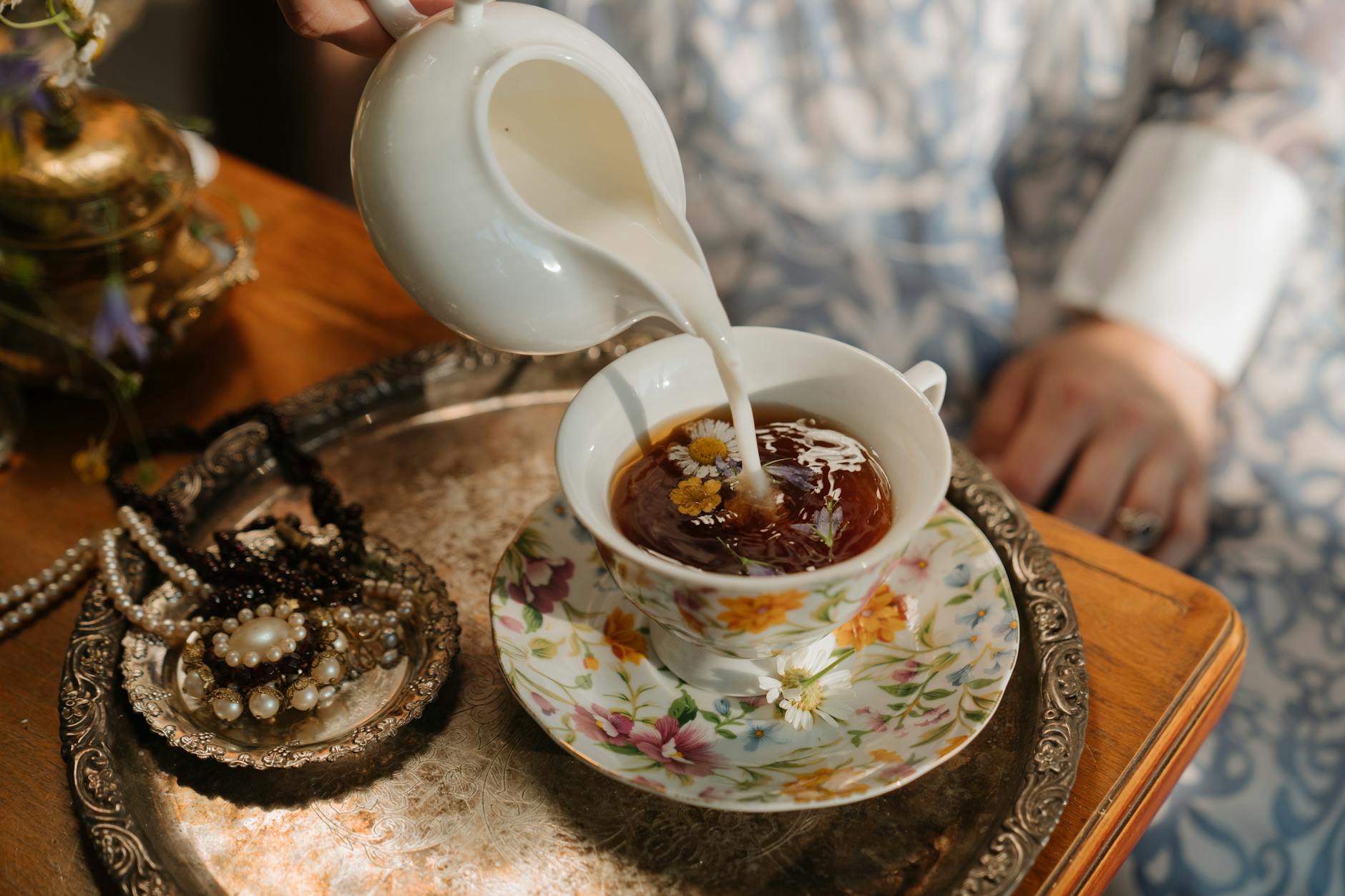
- Chamomile Tea: Steep dried chamomile flowers in hot water for 5-10 minutes to make a soothing herbal tea. This preparation is excellent for promoting relaxation, easing digestive discomfort, and supporting sleep.
- Topical Applications: Chamomile-infused oils or creams can be applied directly to the skin to soothe irritation, inflammation, and minor wounds. It is gentle enough for use on sensitive skin, including infants and children.
- Aromatherapy: Chamomile essential oil, extracted from the flowers, is used in aromatherapy to reduce stress, promote relaxation, and alleviate headaches. It can be diffused, added to bath water, or used in massage oils.
Chamomile’s rich history and proven natural uses make it a valuable addition to any homesteader’s garden or herbal medicine cabinet. Whether brewed into a comforting tea or applied topically for skin care, chamomile continues to be cherished for its gentle healing properties and holistic benefits.
