In the midst of urbanization and modern living, the concept of homesteading has experienced a revival among individuals and families seeking a more self-sufficient and sustainable lifestyle. A modern-day homesteader embodies a philosophy that combines traditional skills with contemporary practices, aiming to live closer to the land while reducing reliance on external resources. This lifestyle choice is not only about living off the grid but also encompasses a deep commitment to environmental stewardship, resilience, and community building.
Evolution of Homesteading
Historically, homesteading referred to the act of claiming and cultivating land granted by the government, particularly in the United States during the 19th and early 20th centuries. Homesteaders were pioneers who carved out livelihoods from the wilderness, often through subsistence farming, ranching, or crafting essential goods. They relied on their resourcefulness and resilience to sustain themselves and their families in often challenging conditions. This era marked a pivotal moment in American history, where individuals sought independence and a fresh start by taming the untamed landscapes of the frontier.
Today, the term “homesteading” has evolved to embrace a broader ethos that emphasizes self-reliance, sustainability, and simplicity. Modern homesteaders share a commitment to reducing their environmental impact, cultivating their own food, and living closer to nature. While the challenges and contexts have changed, the fundamental values of hard work, self-sufficiency, and a connection to the land remain central to the modern homesteading movement.
Contemporary homesteaders leverage technology and knowledge from various fields such as permaculture, renewable energy, and organic farming practices. They incorporate these modern tools to enhance their homesteading endeavors while staying true to traditional values of thriftiness and resilience. By blending old-fashioned skills with innovative approaches, modern homesteaders create sustainable lifestyles that prioritize community, resourcefulness, and a deep respect for the natural world.

Core Principles
Modern-day homesteaders prioritize several core principles:
- Self-Sufficiency: Homesteaders aim to produce their own food, energy, and other essentials to reduce dependency on commercial goods and services. This may include growing vegetables, raising livestock for meat or dairy, and generating renewable energy through solar panels or wind turbines.
- Sustainability: Central to homesteading is a commitment to sustainable practices that minimize environmental impact. This can involve organic farming techniques, water conservation, composting, and using renewable resources for energy and construction.
- Resilience: Homesteaders value resilience in the face of economic uncertainty or natural disasters. They often develop skills in food preservation, emergency preparedness, and basic carpentry or repair work to maintain self-sufficiency during challenging times.
- Community and Sharing: While homesteading is often associated with individual or family endeavors, community and collaboration play vital roles. Many homesteaders engage in bartering, community-supported agriculture (CSA), or sharing surplus produce and skills with neighbors to foster mutual support and resilience.

Practical Aspects of Modern Homesteading
Modern homesteaders integrate traditional practices with contemporary knowledge and technology:
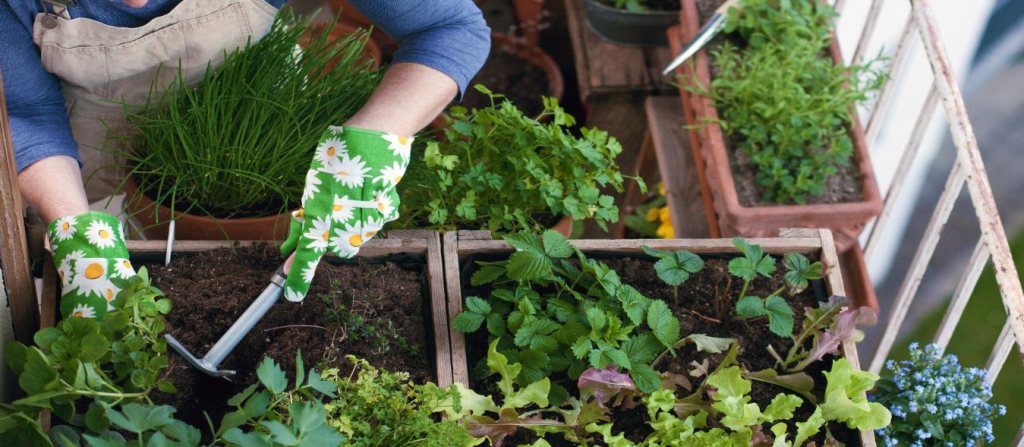
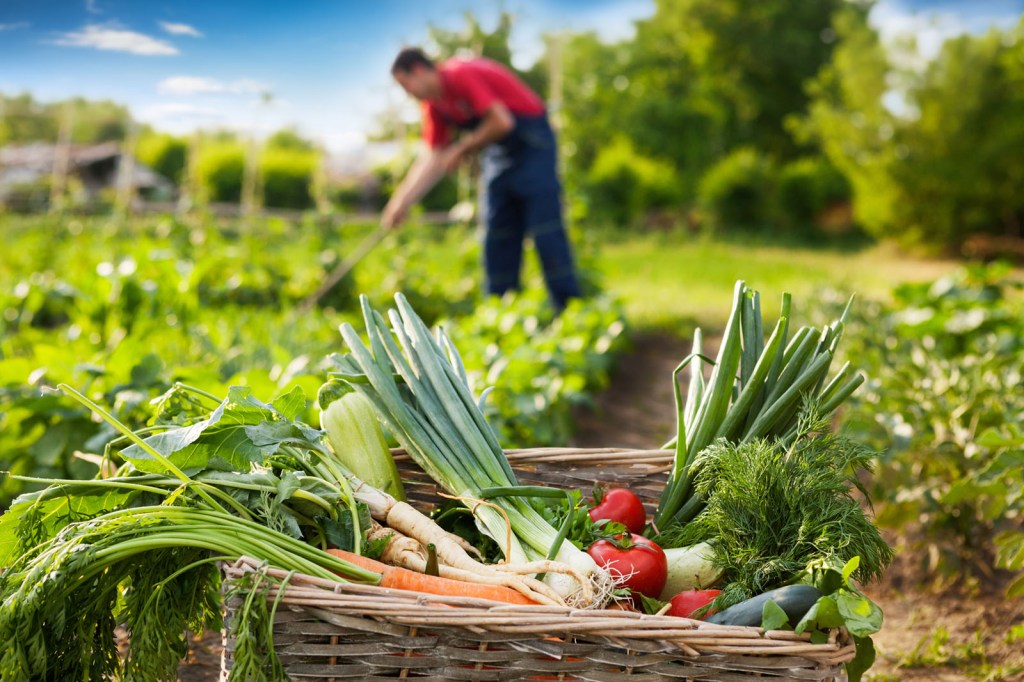
- Food Production: They cultivate gardens, orchards, and small farms using organic methods, heirloom seeds, and permaculture principles. Livestock such as chickens, goats, or bees may also be raised for meat, eggs, dairy, or honey.
- Energy Independence: Many homesteaders harness renewable energy sources like solar power, wind energy, or small-scale hydroelectric systems to reduce reliance on the grid.
- Skill Development: Homesteaders often learn a variety of skills ranging from food preservation (canning, fermenting) and woodworking to natural building techniques and herbal medicine.
- Simple Living: Embracing minimalism and frugality, modern homesteaders prioritize quality over quantity, opting for durable, sustainable goods and reducing waste through recycling and upcycling.
Challenges and Considerations
While modern homesteading offers numerous benefits, it also presents challenges:
- Time and Labor: Maintaining a homestead requires substantial time, effort, and dedication, particularly in managing crops, animals, and infrastructure.
- Learning Curve: Acquiring and mastering traditional skills and sustainable practices can be challenging for those accustomed to urban or suburban lifestyles.
- Regulatory and Zoning Issues: Depending on location, zoning laws, building codes, and health regulations may impose restrictions on certain homesteading activities, such as keeping livestock or constructing off-grid housing.

Embracing Modern Homesteading
Modern-day homesteading embodies a return to self-sufficiency and a simpler way of life, blending traditional skills with contemporary knowledge and technology. At its core, it revolves around fostering sustainability, reducing dependence on commercial goods, and embracing a more hands-on approach to daily living. Homesteaders today often seek to cultivate their own food, raise animals, and harness renewable resources like solar energy, all while striving for greater environmental stewardship.
One of the central aspects of modern homesteading is sustainability. Homesteaders prioritize practices that minimize their environmental footprint, such as organic gardening, composting, and water conservation techniques. By growing their own produce and raising livestock ethically, they reduce reliance on store-bought goods, which aligns with principles of self-sufficiency and resilience against supply chain disruptions.
Technology plays a significant role in modern homesteading, enabling homesteaders to enhance efficiency and productivity while staying connected to broader communities. From utilizing solar panels and rainwater harvesting systems to accessing online resources for learning and networking, technology supports the homesteading lifestyle in practical ways. Moreover, modern homesteaders often incorporate contemporary knowledge in fields like permaculture, renewable energy systems, and sustainable building practices to create resilient and thriving homesteads.
