

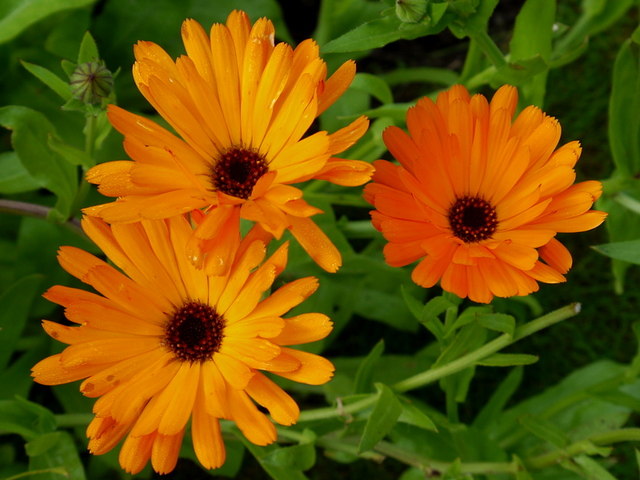
Calendula, often referred to as “pot marigold,” is a plant that has held a prized position in herbal and therapeutic circles for centuries. Its vibrant golden petals not only brighten gardens but also offer a treasure trove of health benefits. In this deep dive, we’ll explore the multifaceted world of calendula — its history, benefits, harvesting methods, and diverse uses.
History of Calendula
The use of calendula spans millennia, deeply rooted in the traditions of ancient civilizations. Revered by both the Romans and Greeks, calendula played a significant role in religious ceremonies and everyday life. Its bright petals adorned statues of deities, symbolizing purity and vitality. Beyond its spiritual significance, early physicians valued calendula for its therapeutic properties, employing it as a potent remedy for various ailments ranging from skin irritations to digestive issues.
During medieval times, calendula continued to hold prominence in European folk medicine. Herbalists and apothecaries prescribed calendula extracts and salves for treating wounds, bruises, and infections due to its renowned anti-inflammatory and antiseptic properties. The flower’s golden hues also earned it a place as a culinary herb, used to add color and flavor to soups, stews, and salads. The Latin name “calendula,” derived from “calendae,” meaning “calendar” or “every month,” aptly describes its prolific blooming cycle throughout the growing season, symbolizing renewal and vitality in the natural world.
As knowledge of herbal medicine evolved, calendula remained a staple in apothecaries and home gardens alike, cherished not only for its practical benefits but also for its symbolic significance across cultures. Today, calendula continues to be revered for its therapeutic qualities and is celebrated for its versatility in both medicinal and culinary applications, embodying a rich history of healing and cultural symbolism.
Benefits of Calendula
a) Skin Health: Calendula is highly regarded for its therapeutic effects on the skin. It accelerates wound healing by stimulating tissue regeneration and reducing inflammation. This makes it effective for treating minor cuts, burns, insect bites, and eczema. Its gentle nature also makes it suitable for soothing diaper rash in babies.
b) Antimicrobial Action: The antimicrobial properties of calendula help inhibit the growth of bacteria and fungi, making it valuable in preventing infections in wounds and promoting faster healing. It is often used in natural skincare products for its ability to cleanse and protect the skin without harsh chemicals.
c) Digestive Aid: Consumed as a tea, calendula can provide relief from digestive issues such as indigestion, bloating, cramps, and constipation. It has a soothing effect on the digestive tract, helping to reduce inflammation and promote healthy digestion.
d) Immune Booster: Calendula contains compounds that support the immune system by enhancing the body’s natural defenses against infections. Its antiviral properties make it particularly beneficial during cold and flu season, helping to shorten the duration of illness and alleviate symptoms.
e) Eye Health: Traditionally used to treat eye conditions like conjunctivitis and inflammation, calendula’s anti-inflammatory properties help reduce redness, swelling, and irritation in the eyes. It is important to consult with a healthcare professional before using calendula for eye health to ensure proper dilution and application methods.
These properties collectively make calendula a versatile herb with applications ranging from skincare to internal health support, providing natural remedies for common ailments.
Harvesting Calendula
Harvesting calendula is a simple process that, when done correctly, can ensure you obtain all the rich benefits this plant has to offer.
a) Timing: To capture calendula’s therapeutic properties at their peak, choose to harvest in the late morning when the dew has dried but before the sun becomes too intense. This timing preserves the essential oils present in the petals, which contribute to its healing properties.
b) Picking: When harvesting calendula, gently pluck the flower heads from the stem using your fingers or small scissors. It’s crucial to harvest them at their freshest, preferably when they are fully open. This stage ensures that the flowers contain the highest concentration of active compounds, including flavonoids and saponins, which contribute to its anti-inflammatory and antimicrobial effects.
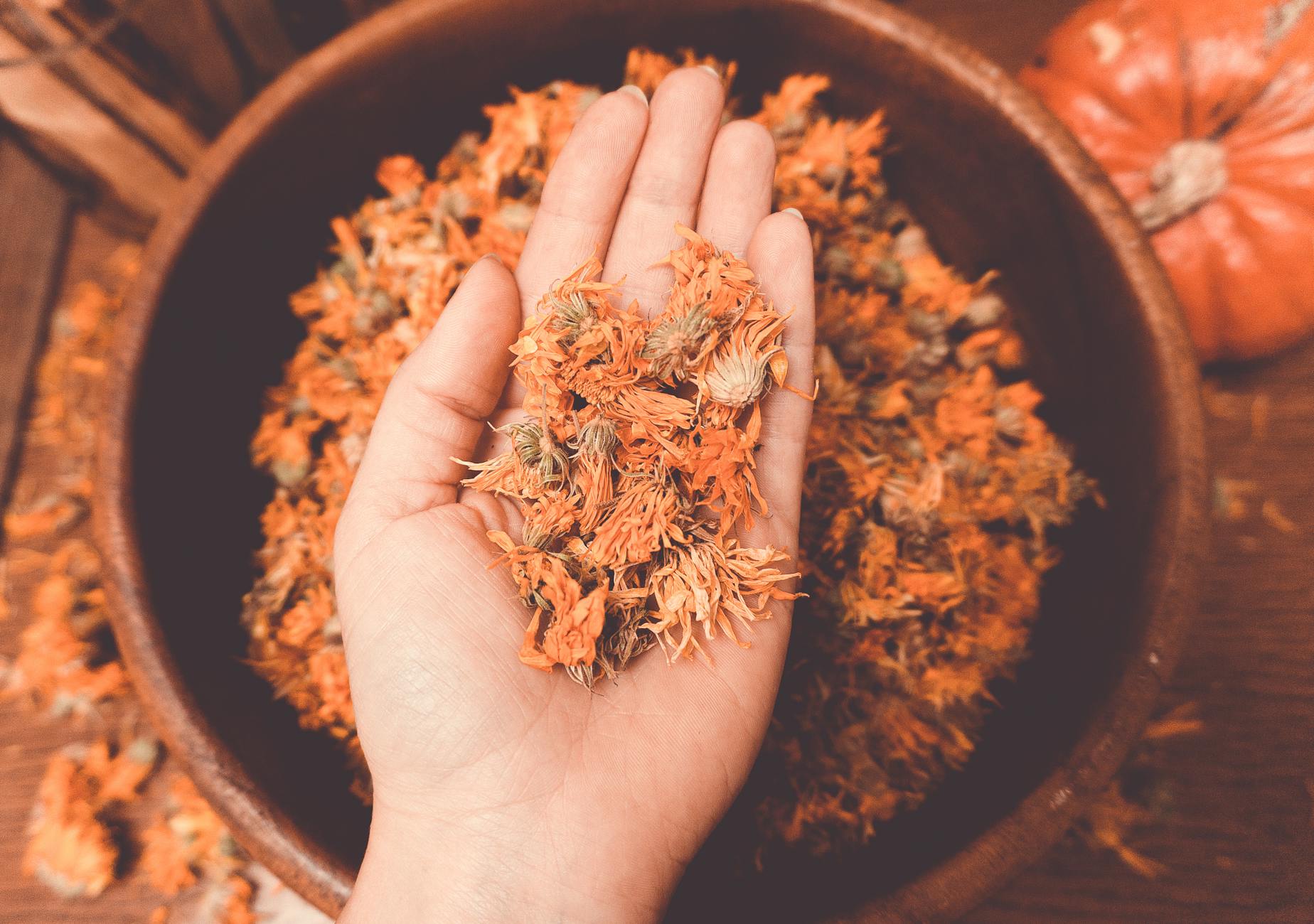
c) Drying: After harvesting, lay the calendula flowers in a single layer on a clean cloth or mesh screen in a shaded, well-ventilated area. Turn them occasionally to ensure even drying. Proper drying prevents mold and preserves the flowers’ color and medicinal properties. Once fully dried, store the calendula flowers in an airtight container away from direct sunlight. This preserves their potency for future use in teas, infused oils, salves, and other herbal preparations.
By following these steps, you can effectively harvest and preserve calendula to harness its full range of health benefits, from soothing skin irritations to supporting digestive health and immune function.
Uses of Calendula
Calendula offers a diverse array of uses, ranging from soothing teas to potent skin treatments, each harnessing its healing properties.
a) Calendula Tea: Known for its soothing effects on the digestive system, calendula tea is easy to prepare. Simply steep dried calendula petals in hot water for 5-7 minutes. Strain the tea and enjoy its gentle, floral flavor, which helps alleviate digestive discomforts like cramps and indigestion.
b) Calendula Salve: A staple in herbal medicine cabinets, calendula salve is prized for its ability to heal wounds, burns, and skin irritations. To make a salve, infuse dried calendula petals in a carrier oil such as olive oil over low heat. Once infused, strain the petals and mix the oil with beeswax to create a soothing ointment that promotes skin regeneration and reduces inflammation.
c) Calendula Infused Oil: Versatile and easy to prepare, calendula infused oil serves as a base for many skin care products. Fill a jar with dried calendula flowers and cover them with a carrier oil of your choice, such as almond or jojoba oil. Let the mixture steep for 4-6 weeks in a cool, dark place, shaking occasionally to ensure thorough infusion. Once ready, strain the oil and use it as a nourishing ingredient in creams, lotions, and massage oils, thanks to its anti-inflammatory and antiseptic properties.
d) Calendula Tincture: Both internal and external applications benefit from calendula tincture, which extracts the herb’s medicinal compounds efficiently. To make a tincture, soak dried calendula flowers in alcohol (such as vodka or grain alcohol) for several weeks. Periodically shake the mixture to aid extraction. After straining, the resulting tincture can be applied topically to treat minor wounds and skin conditions or taken internally to support immune function and digestion.
e) Culinary Uses: Beyond its medicinal applications, calendula petals can add a vibrant touch to culinary creations. Sprinkle fresh or dried petals onto salads, soups, and savory dishes for a pop of color and a subtle, tangy flavor reminiscent of saffron. Calendula’s edible flowers also make a decorative addition to baked goods and desserts, enhancing both visual appeal and taste.
Incorporating calendula into your daily routine not only enhances your culinary experiences but also provides a natural remedy for common ailments, promoting overall wellness and vitality.
Precautions and Conclusions
While calendula offers numerous benefits, it’s essential to approach its use with knowledge. Pregnant and breastfeeding women should consult with a healthcare professional before consuming calendula. As with any herb, there’s potential for allergies, so always conduct a patch test when trying calendula preparations for the first time.
In conclusion, calendula is a testament to nature’s profound healing abilities. This humble golden flower, steeped in history, offers remedies that modern medicine is only beginning to recognize. Whether in gardens or medicine cabinets, calendula’s bright blooms promise both beauty and relief.
