
Early last week, my close friend Scott sent me a thought-provoking video featuring an interview with Upside Foods. This innovative company is at the forefront of a burgeoning industry: cell-cultivated meat. In large silver tanks, they grow their own chicken meat without ever slaughtering a chicken. While the concept is groundbreaking, the thought of artificial meat being served at restaurants leaves me with a sense of unease. The United States Department of Agriculture (USDA) gave them permission to produce this meat in June of last year, but I remain unconvinced that this is an appealing or desirable option. At Huckleberry Farms, we focus on raising real chickens with a natural diet, and we believe in the authenticity and transparency of our methods. Let’s delve into the details of cell-cultivated meat and why our approach at Huckleberry Farms stands apart.

Understanding Cell-Cultivated Meat
Cell-cultivated meat, also known as cultured or lab-grown meat, is produced by feeding animal cells a mix of nutrients—sugars, amino acids, salts, and vitamins and minerals—in large stainless steel tanks. These nutrients help develop the cells into fat and muscle tissue, mimicking the composition of traditional meat. The promise of this technology is enticing: meat without slaughter, reduced environmental impact, and potentially fewer health risks associated with conventional meat production.
However, the process is not without its controversies. While the USDA has given the green light for its production, questions about the long-term health effects, environmental impact, and overall consumer acceptance of such products linger. Many people, like myself, feel a disconnect when it comes to consuming meat that was never part of a living, breathing animal.
Proponents of cell-cultivated meat argue that it could revolutionize the food industry by addressing ethical concerns about animal welfare, reducing greenhouse gas emissions, and mitigating the risk of zoonotic diseases. These benefits are compelling, especially in a world grappling with the urgent need for sustainable food sources.
Yet, the process of creating lab-grown meat involves complex biochemical techniques and significant energy inputs. The long-term sustainability of these methods is still under scrutiny. Additionally, many consumers are wary of the “artificial” nature of cell-cultivated meat, questioning whether it can ever truly replicate the taste, texture, and nutritional profile of traditionally raised meat.

Addressing Consumer Concerns: Our Commitment to Transparency and Quality
In today’s rapidly evolving food landscape, many consumers are understandably concerned about the implications of cell-cultivated meat. These concerns touch on deeply rooted values about health, safety, and the nature of our food. At Huckleberry Farms, we take these concerns seriously and are dedicated to addressing them head-on.
Safety and Health Implications
One of the most pressing questions about cell-cultivated meat is its safety for consumption. Although the USDA has approved its production, the long-term health effects remain largely unknown. Consumers are rightfully worried about potential allergens, the nutritional profile compared to traditionally raised meat, and the possibility of unintended consequences from consuming a product engineered in a lab.
The idea of consuming lab-grown meat, developed in sterile conditions and fed a diet of synthetic nutrients, can be unsettling. Many people question whether this meat can provide the same health benefits as traditionally raised livestock. There’s also the issue of potential additives or growth media used in the cultivation process, which could introduce unknown risks to consumers’ health.
Environmental Impact
While proponents of cell-cultivated meat argue it reduces the environmental impact of traditional meat production, the process involves significant energy inputs and complex biochemical techniques. The long-term sustainability of these methods remains under scrutiny.
Consumers concerned with environmental sustainability are often skeptical about whether the production of lab-grown meat truly offers a greener alternative. The energy required to maintain sterile environments and the resources needed for large-scale cell cultivation may negate some of the purported environmental benefits. There is also the issue of waste generated from the production process, including single-use bioreactors and other equipment.
Ethical Concerns
Ethical concerns about animal welfare drive the development of cell-cultivated meat, appealing to consumers who wish to avoid slaughter. However, the ethical implications of consuming lab-grown meat, originating from animal cells, are complex.
Some consumers feel uneasy about the idea of lab-grown meat because it still involves the initial extraction of cells from animals, raising questions about how those animals are treated. Additionally, the concept of eating meat produced in a lab setting can feel unnatural and disconnected from traditional food sources, causing ethical dilemmas about what we consider acceptable food production practices.
Transparency and Trust
Transparency is a cornerstone of our philosophy at Huckleberry Farms. We understand consumers want to know where their food comes from and how it’s produced. That’s why we are open about our methods, practices, and even our challenges. We invite our customers to visit our farm, see our animals, and learn about our processes.
Many consumers are wary of the secrecy surrounding the production of cell-cultivated meat. The proprietary technologies and lack of transparency from companies producing lab-grown meat can erode trust. Consumers want to feel confident in their food choices and prefer to support practices that are open and transparent.
Long-Term Health Concerns
Consumers also worry about the long-term health implications of consuming lab-grown meat, such as unknown effects on human health and potential nutritional deficits. Natural meat, raised in traditional farming systems, has a long history of providing essential nutrients vital for human health.
The relatively new and untested nature of cell-cultivated meat means there is limited research on its long-term health effects. Consumers are right to question whether it can match the nutritional value of traditionally raised meat, which has been a cornerstone of human diets for centuries. Concerns about synthetic nutrients and potential bioengineering techniques used in the production process also contribute to unease.
Commitment to Quality
Quality is paramount at Huckleberry Farms. We believe real food should be simple, natural, and free from unnecessary processing. Our commitment to quality means we take the time to ensure our farming practices produce the best possible meat. This dedication to excellence sets us apart and reassures our customers they are making a healthy, responsible choice.
By addressing these concerns and committing to transparency, quality, and sustainability, Huckleberry Farms offers a reassuring alternative to the unknowns of cell-cultivated meat. We believe the best food is real food, nurtured by nature and produced with care. Our mission is to provide customers with food that not only meets their nutritional needs but also aligns with their values and supports their well-being.
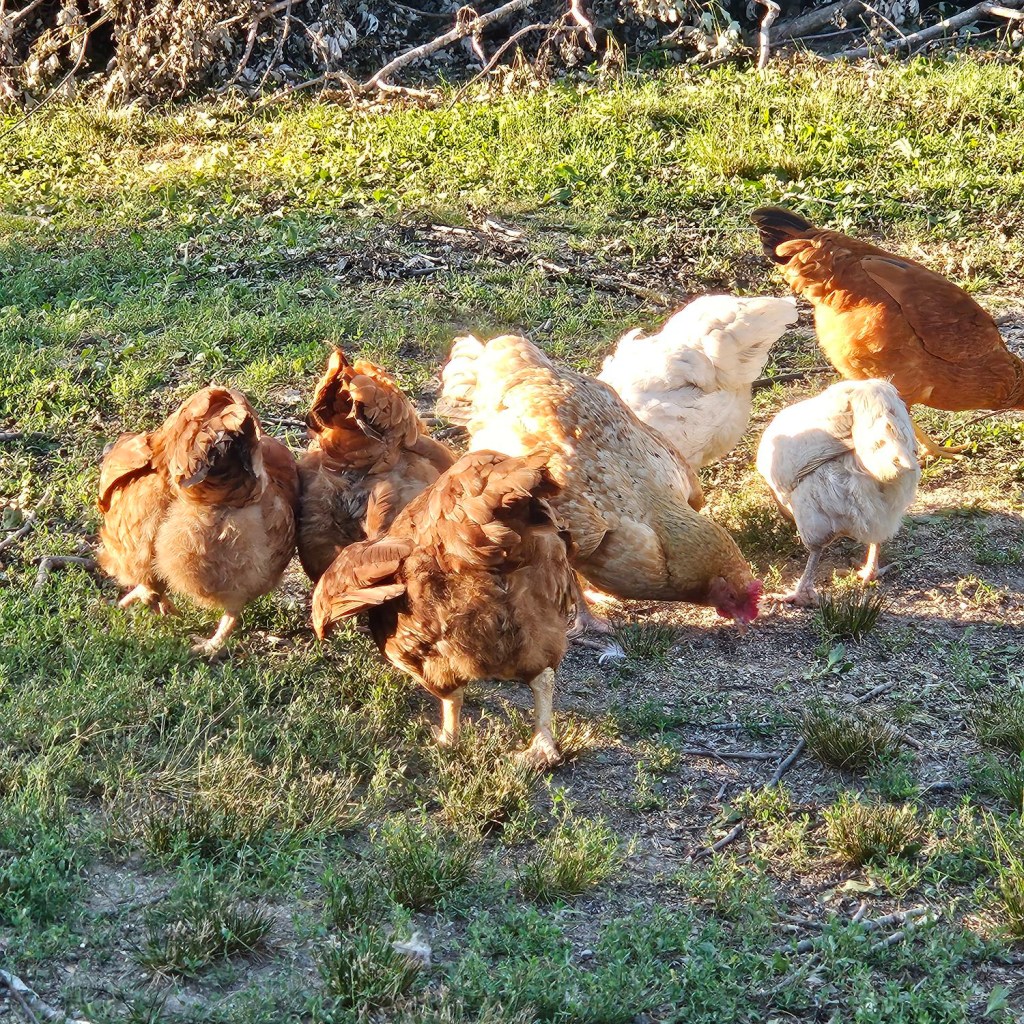
The Huckleberry Farms Difference
At Huckleberry Farms, our approach to meat production is rooted in tradition, sustainability, and respect for nature. We believe that real food comes from real animals, raised in environments that allow them to thrive naturally. Here’s why our methods stand apart:
Natural Diets for Healthier Chickens
Our chickens are raised on a natural diet, free from antibiotics and synthetic additives. They forage on our pastures, consuming a variety of grasses, insects, and grains that contribute to their overall health and well-being. This natural diet not only ensures the health of our chickens but also results in meat that is flavorful and nutritionally superior.
Ethical Farming Practices
We are committed to ethical farming practices that prioritize animal welfare. Our chickens roam freely in spacious environments, exhibiting natural behaviors that are essential for their physical and psychological health. We believe that animals raised with care and respect produce better quality meat, and our customers can taste the difference.
Environmental Stewardship
Sustainability is at the core of our farming philosophy. By using regenerative agricultural practices, we aim to enhance soil health, increase biodiversity, and reduce our carbon footprint. Our farming methods are designed to work in harmony with nature, creating a resilient and productive ecosystem.
The Role of Technology in Farming
While we embrace traditional farming methods, we are not averse to technology. Modern innovations play a crucial role in enhancing our sustainability efforts. We utilize technology for our record keeping, planning, marketing, and sales, ensuring that we operate efficiently and responsibly. However, we believe that technology should complement, not replace, the fundamental principles of good farming. The human touch, the understanding of natural cycles, and the connection to the land are irreplaceable aspects of our approach.
The Taste of Tradition
There’s something inherently satisfying about knowing where your food comes from and how it was produced. When you bite into a piece of Huckleberry Farms chicken, you’re not just enjoying a meal; you’re experiencing the culmination of sustainable practices, ethical farming, and a deep respect for nature.
Our chickens are known for their exceptional flavor and texture, a testament to their natural diet and humane treatment. Unlike cell-cultivated meat, which aims to replicate these qualities in a laboratory setting, our meat carries the unmistakable taste of tradition and authenticity.
Building a Community of Conscious Consumers
One of our core missions at Huckleberry Farms is to build a community of conscious consumers who value sustainability, ethics, and quality. We offer a variety of workshops, farm tours, and community events to educate and engage our customers. By fostering a deeper understanding of food production, we hope to inspire more people to make informed choices about what they eat. We also collaborate with other local businesses and farmers to strengthen our community’s food system. By supporting each other, we create a resilient network that benefits everyone involved.

The Future of Food
As the food industry continues to evolve, it’s essential to consider the broader implications of new technologies and innovations. While cell-cultivated meat may offer certain benefits, it’s crucial to weigh these against the values of tradition, sustainability, and natural living.
The video Scott sent me last week was a stark reminder of the rapidly changing landscape of food production. The concept of cell-cultivated meat is fascinating and potentially transformative, yet it raises important questions about the future of our food systems.
At Huckleberry Farms, we choose a different path. We believe in the power of real food, raised with care and respect for both animals and the environment. Our commitment to preserving the integrity of real food through sustainable farming practices, ethical treatment of animals, and transparency sets us apart in an increasingly industrialized world.
As we move forward, we invite you to join us in celebrating the values of tradition, quality, and community. Together, we can create a food system that nourishes our bodies, supports our farmers, and protects our planet.
