
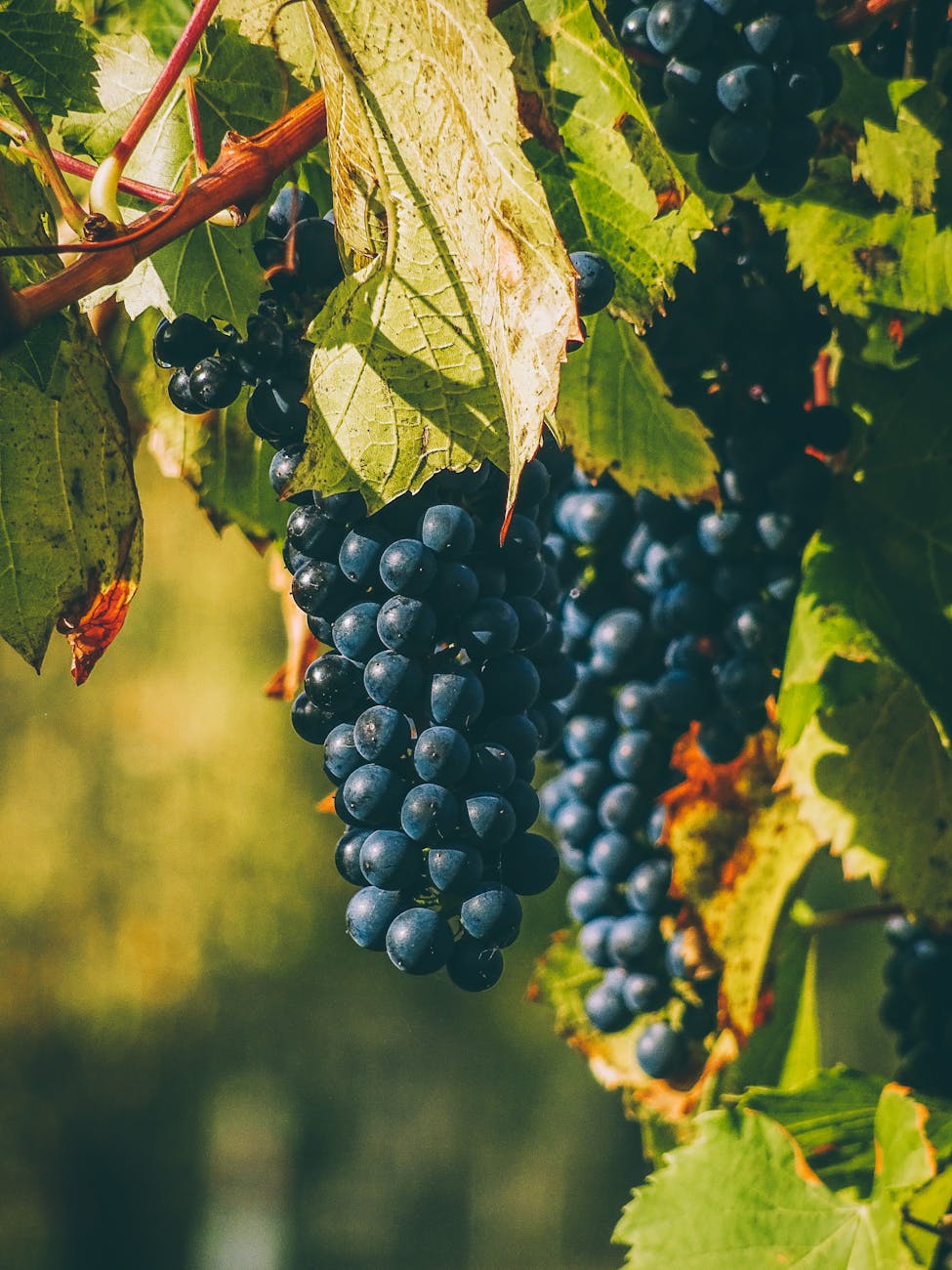
Concord grapes, with their deep purple hue and distinctive sweet-tart flavor, are iconic in the world of fruit cultivation. From their historical origins to their diverse culinary applications, Concord grapes have captured the hearts and taste buds of many. Let’s explore the fascinating world of Concord grapes, covering everything from their history to how you can grow them in your own backyard.
History and Origins
Concord grapes (Vitis labrusca) are native to the northeastern United States and were first cultivated in Concord, Massachusetts, in the mid-19th century. Developed by Ephraim Wales Bull, Concord grapes quickly gained popularity for their robust flavor and suitability for juice and jelly production. They are descendants of wild American grapes and belong to the grape family Vitaceae.
Varieties of Concord Grapes
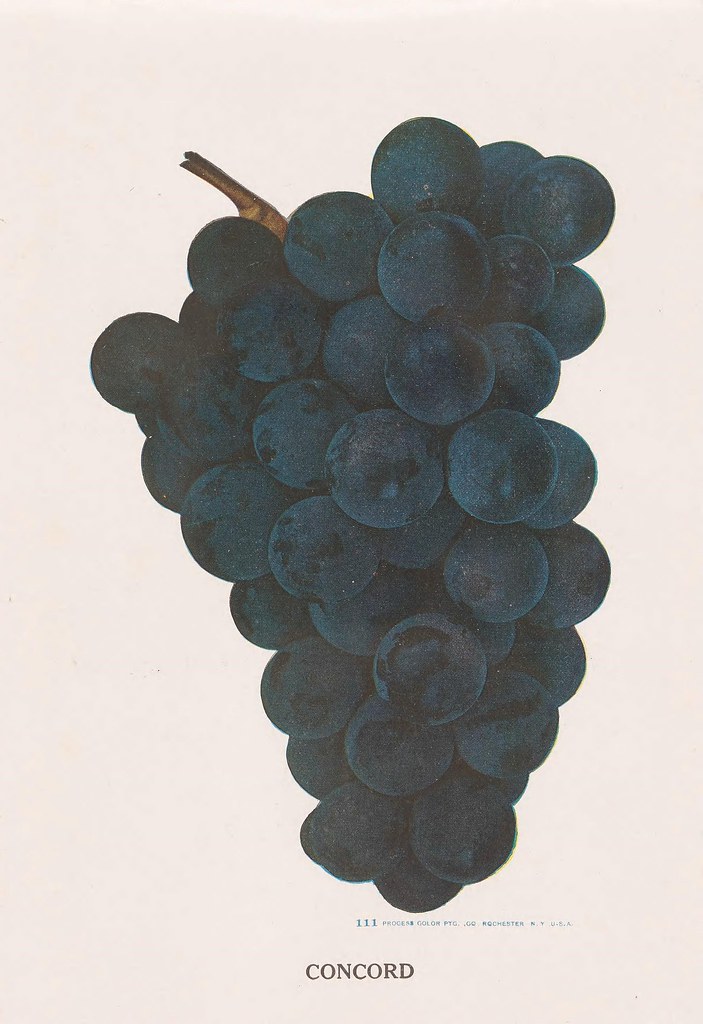
While Concord grapes are primarily known for their classic deep purple color and distinctive flavor, there are a few notable cultivars and variations:
- Classic Concord: Known for its thick skin, slip-skin nature (where the skin easily separates from the pulp), and intense grape flavor.
- Seedless Concord: A variety developed for easier consumption, with similar flavor characteristics but without seeds.
- White Concord: A mutation of the classic variety, with greenish-yellow skin and a milder, less acidic flavor profile.
Culinary Uses
Concord grapes are prized for their unique flavor, which balances sweetness with a hint of tartness. They are versatile in the kitchen and commonly used in various culinary applications:
- Juice and Jelly: Concord grape juice is famous for its rich color and flavor, often used as a base for grape juice blends or enjoyed on its own. Concord grape jelly is a popular spread for toast and pastries.
- Wine: While less common than other grape varieties for winemaking, Concord grapes can produce sweet wines and dessert wines.
- Desserts: Used in pies, tarts, cobblers, and sorbets, Concord grapes add depth and sweetness to desserts.
- Fresh Consumption: Enjoyed fresh as a snack or added to fruit salads for their distinct flavor.
Growing and Harvesting Concord Grapes
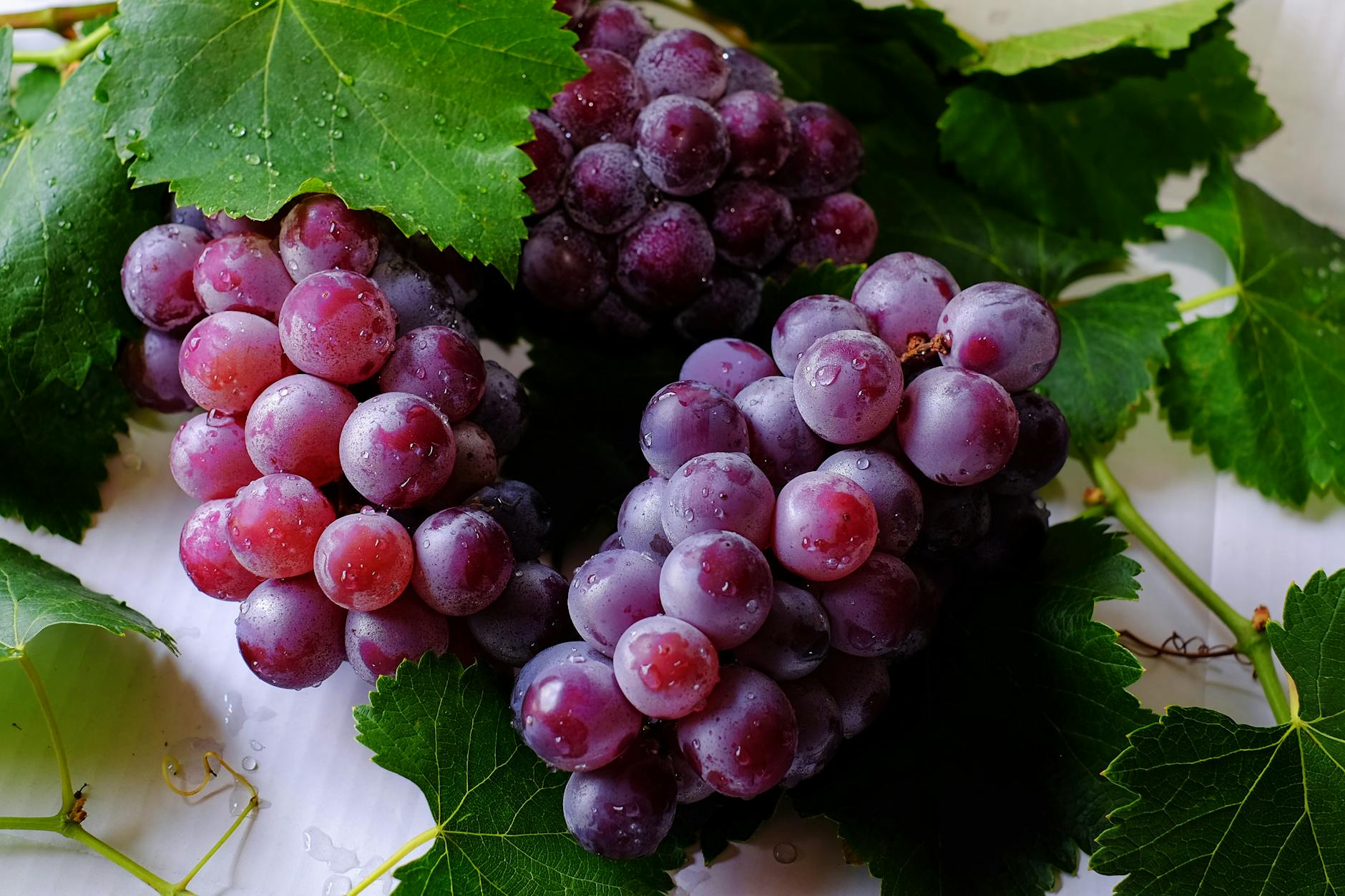
Growing Concord grapes requires attention to their specific needs but can be rewarding for home gardeners:
- Location: Plant in full sun in well-draining soil with good air circulation.
- Propagation: Concord grapes are typically propagated from cuttings rather than seeds for consistency in flavor and characteristics.
- Planting Time: Plant dormant bare-root vines in early spring or early fall.
- Care: Prune regularly to promote airflow and reduce disease risk. Provide support for vines to climb, such as trellises or fences.
- Harvesting: Concord grapes are ready for harvest in late summer or early fall when they reach full color and sweetness. Grapes should be firm and slip easily from the vine when gently twisted.
Medicinal and Specialty Uses
Concord grapes are not only delicious but also offer potential health benefits:
- Antioxidants: Rich in antioxidants like resveratrol, Concord grapes may contribute to cardiovascular health and overall well-being.
- Nutrients: They contain vitamins C and K, as well as dietary fiber, supporting a healthy diet.
Is Growing Concord Grapes Difficult for Newbies?
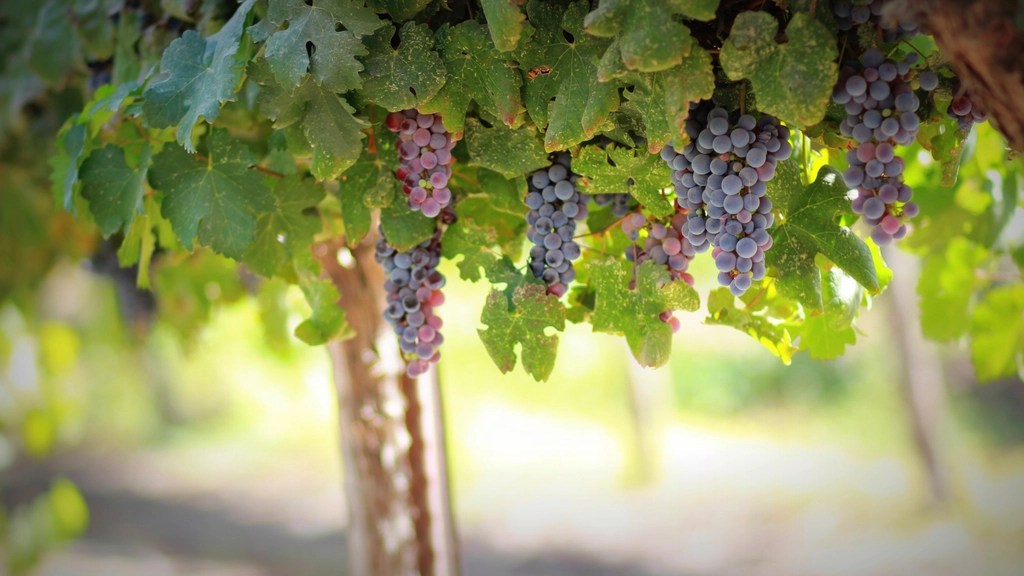
Growing Concord grapes requires some knowledge of vine care and pruning techniques but is generally manageable for beginners with attention to their specific needs. With proper site selection, soil preparation, and regular maintenance, home gardeners can enjoy a bountiful harvest of these flavorful grapes.
In conclusion, Concord grapes stand out for their rich history, robust flavor, and culinary versatility. Whether you’re making homemade grape juice, baking a pie, or enjoying them fresh off the vine, Concord grapes bring a taste of tradition and sweetness to every dish and garden.
