
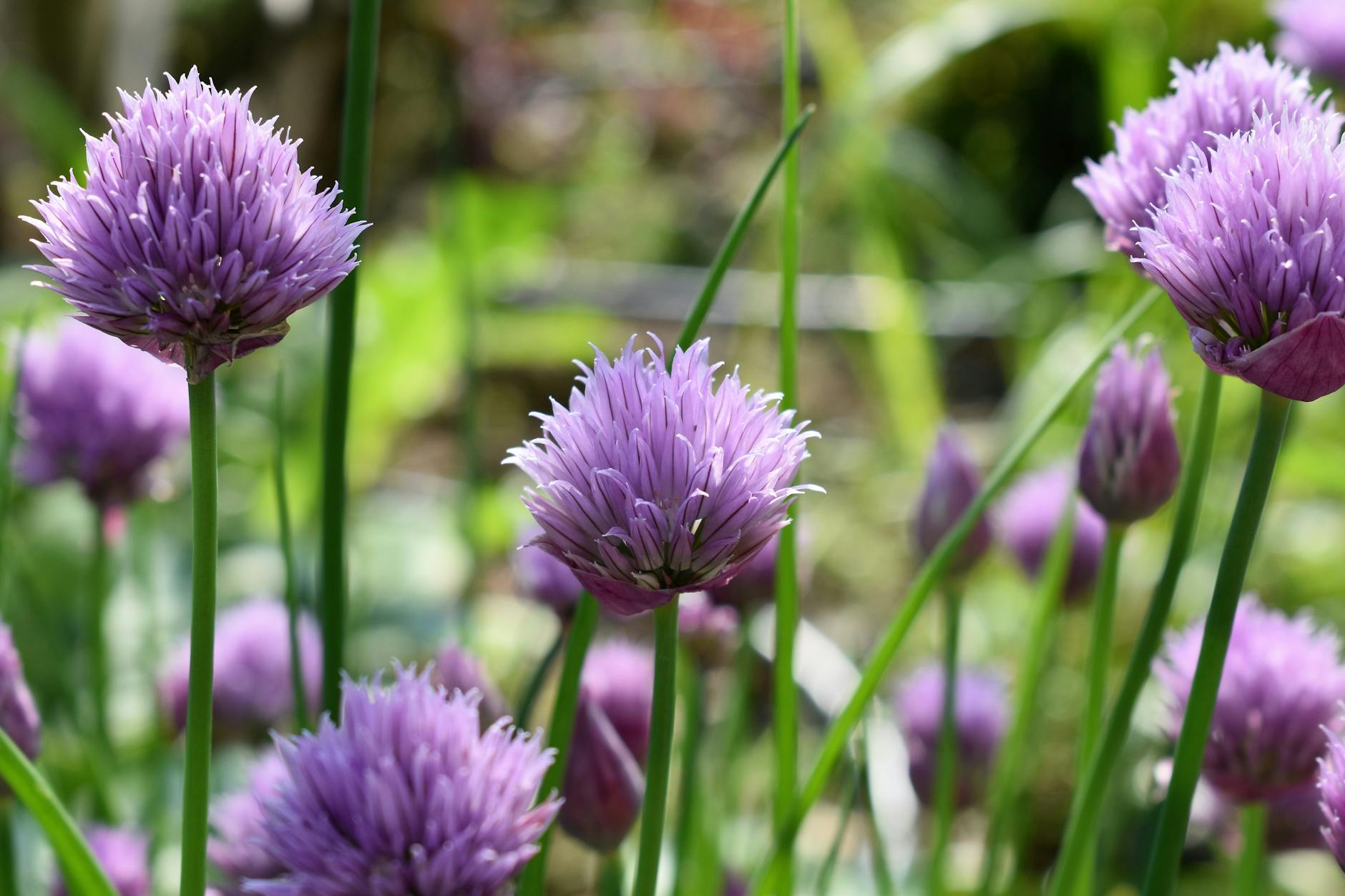
Chives, with their slender green stalks and delicate purple blooms, are not just a flavorful addition to culinary dishes but also carry a rich history and versatility that make them a favorite in gardens worldwide. Here’s a comprehensive look into the world of chives, covering everything from their origins to how you can cultivate them in your own garden.
History and Origins
Chives (Allium schoenoprasum) belong to the onion family (Alliaceae) and are native to Europe, Asia, and North America. They have a long history of culinary and medicinal use dating back thousands of years. Ancient cultures, including the Romans, Greeks, and Chinese, prized chives for their culinary flavor and believed medicinal properties. Chives were also used in traditional medicine for their purported ability to stimulate appetite, aid digestion, and even act as a mild diuretic.

Varieties of Chives
Chives are primarily known for their common variety, which has thin, hollow leaves that resemble grass and produce clusters of small purple flowers in late spring or early summer. However, there are several notable cultivars and varieties:
- Common Chives: The standard variety with slender green leaves and purple flowers.
- Garlic Chives (Allium tuberosum): Also known as Chinese chives, these have a garlic flavor and flat leaves rather than hollow stems.
- Giant Siberian Chives: A larger, hardier variety with broader leaves and a milder flavor compared to common chives.
- Curly Chives: A curly-leaved variety that adds texture to dishes and garnishes.

Culinary Uses
Chives are renowned for their mild onion-like flavor with a hint of garlic, making them a versatile herb in the kitchen. They are commonly used fresh as a garnish or added to dishes just before serving to preserve their delicate flavor. Culinary uses include:
- Fresh Garnish: Sprinkled on soups, salads, baked potatoes, and omelets.
- In Dips and Spreads: Mixed into cream cheese, sour cream, or yogurt-based dips.
- As Seasoning: Chopped finely and used in dressings, marinades, and sauces.
- In Breads and Savory Baked Goods: Added to bread dough or biscuit batter for a mild onion flavor.
Growing and Harvesting Chives
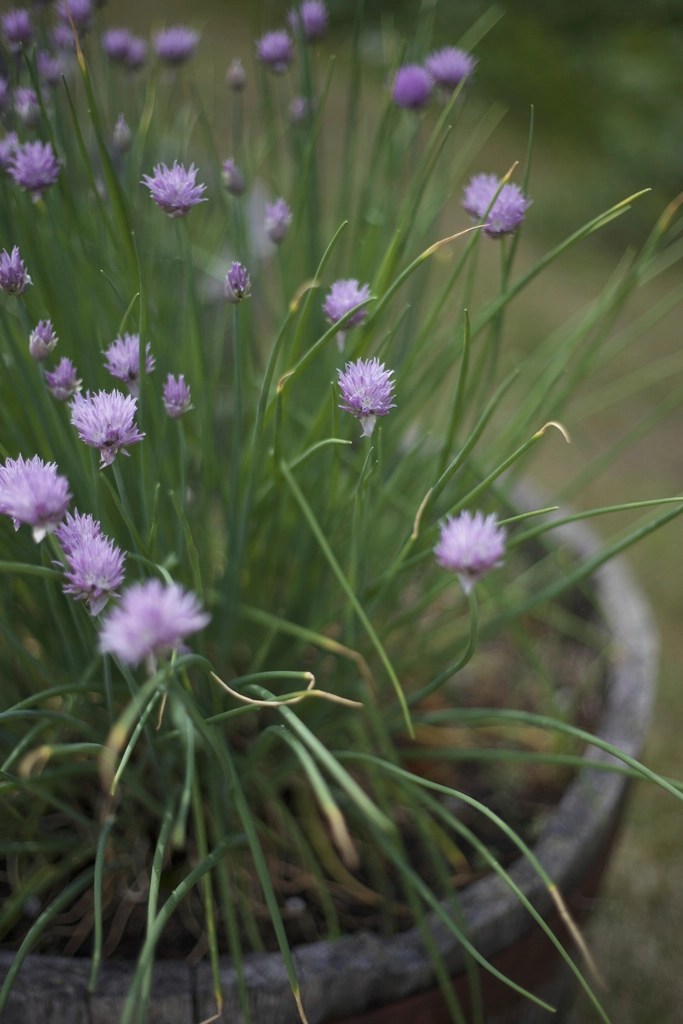
Chives are easy to grow and maintain, making them ideal for gardeners of all skill levels, including beginners. Here’s how to grow them:
- Location: Plant chives in a sunny spot with well-draining soil.
- Propagation: They can be grown from seeds, transplants, or divisions of existing plants.
- Planting Time: Start seeds indoors in early spring or sow directly in the garden after the last frost.
- Care: Water regularly, but avoid waterlogging. Mulching around plants helps retain moisture.
- Harvesting: Cut chives about 2 inches above the ground with scissors or garden shears. Harvest leaves as needed throughout the growing season.

Medicinal and Specialty Uses
Beyond their culinary appeal, chives have some medicinal uses and health benefits:
- Digestive Aid: Traditionally used to aid digestion and stimulate appetite.
- Antioxidant Properties: Chives contain vitamins A and C, which have antioxidant properties.
- Folk Remedies: In some cultures, chives were used to treat colds and as a mild diuretic.
Is Chives Difficult for Newbies?
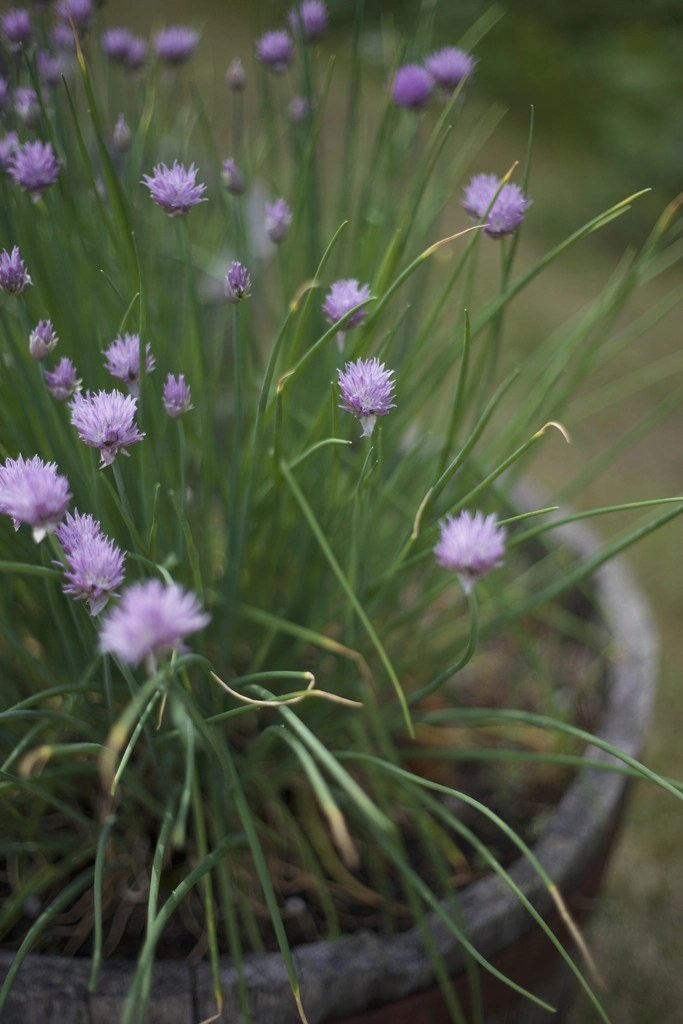
Chives are considered one of the easiest herbs to grow, making them perfect for beginners. They require minimal care, are relatively pest-resistant, and can thrive in containers or directly in garden beds. Their ability to regrow after cutting makes them a sustainable addition to any garden.
In conclusion, chives offer not only culinary versatility but also historical significance and health benefits. Whether you’re enhancing the flavor of a dish or adding a touch of purple blooms to your garden, chives are a delightful herb that deserves a place in every kitchen and garden.
