
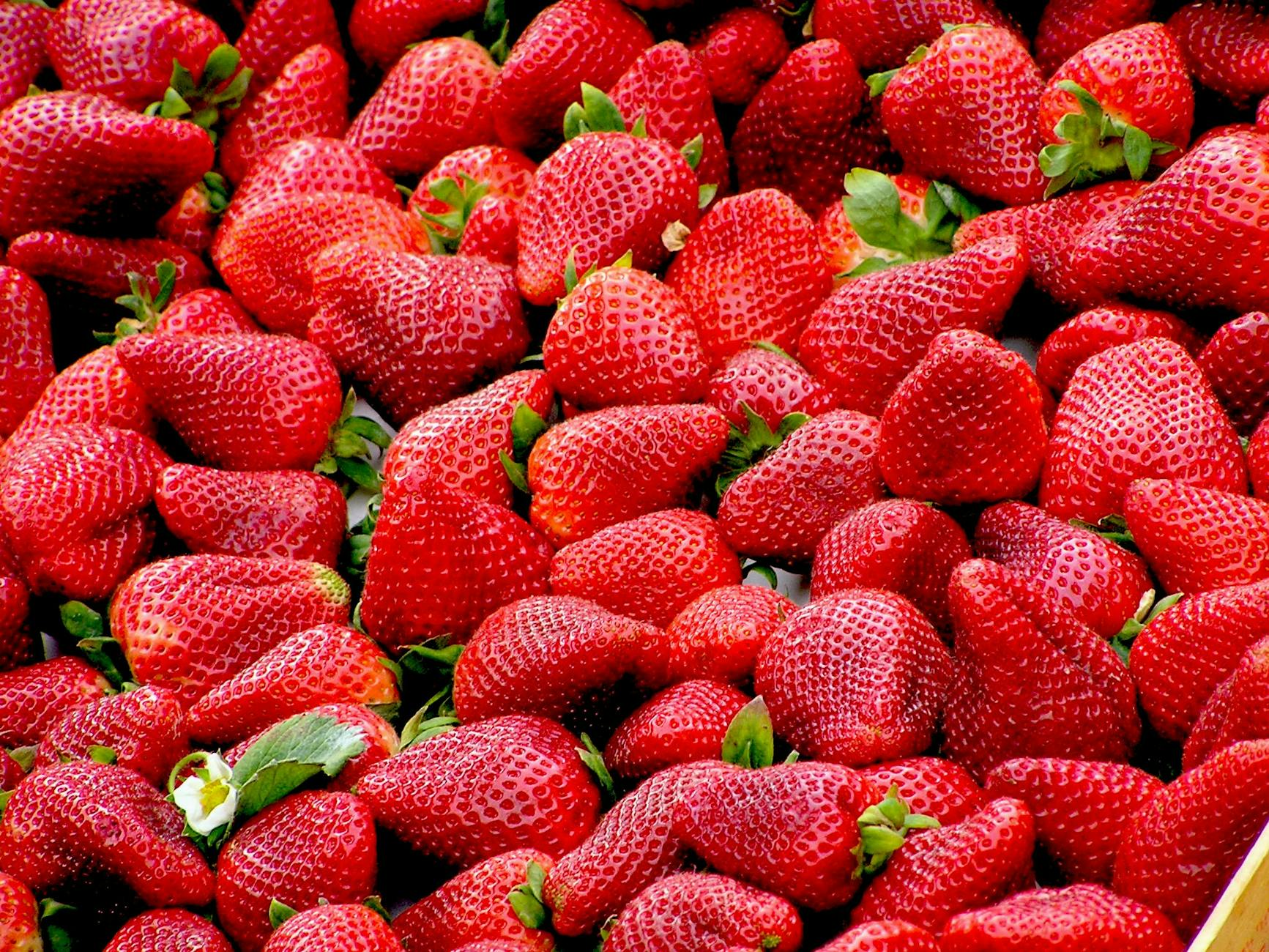
Strawberries, with their bright red hue, juicy texture, and unmistakably sweet aroma, are one of the most beloved fruits around the globe. These heart-shaped berries have not only captivated our palates but have also woven themselves into cultural, historical, and even medicinal narratives. From ancient Rome to modern-day kitchens, strawberries have been cherished not just for their delightful taste but also for their symbolic meanings and health benefits. These small but mighty fruits are a testament to the richness of nature’s bounty, offering both pleasure and nourishment in every bite.
Historically, strawberries have held a special place in various cultures. In ancient Rome, they were prized for their medicinal properties, believed to alleviate a range of ailments from digestive issues to skin irritations. Throughout medieval Europe, strawberries were a symbol of purity and righteousness, often incorporated into religious art and ceremonies. Native Americans were among the first to use strawberries in food, creating cornmeal bread with crushed berries, a precursor to the modern strawberry shortcake. These historical tidbits highlight the deep-rooted significance of strawberries beyond their role as a delicious fruit.
In the modern world, strawberries continue to be celebrated not just for their flavor but also for their impressive health benefits. Rich in vitamins, antioxidants, and fiber, they support cardiovascular health, boost immunity, and promote skin health. Their versatility in the kitchen makes them a favorite ingredient in a variety of dishes, from refreshing salads and decadent desserts to smoothies and savory sauces. Whether enjoyed fresh from the garden, blended into a smoothie, or baked into a pie, strawberries add a burst of flavor and nutrition to any meal. Join us as we dive deeper into the fascinating journey of strawberries, exploring their cultivation, culinary uses, and the myriad ways they contribute to our well-being.
Background of Strawberries
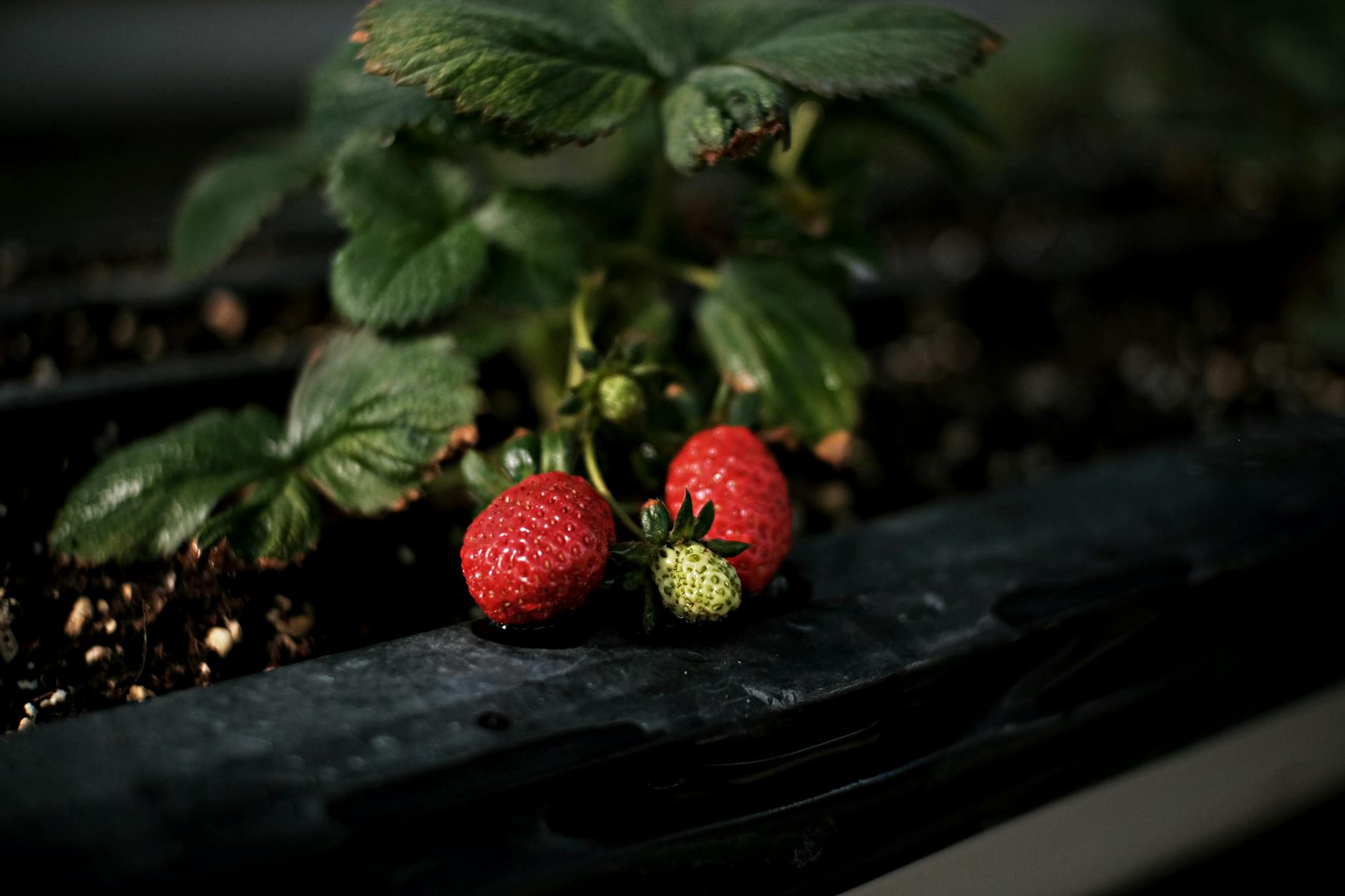
Wild strawberries have been savored since ancient times, often gathered from the forest floors by foragers who appreciated their sweet, delicate flavor. These tiny fruits have a long history of enjoyment and utility, with references to their use in ancient Roman texts where they were praised not only for their taste but also for their medicinal properties. However, the garden strawberries we’re familiar with today, with their larger size and more robust flavor, are a relatively recent development in the plant’s history.
The garden strawberry, known scientifically as Fragaria × ananassa, originated in the early 18th century in Europe, a result of crossbreeding two different species: the North American Fragaria virginiana and the Chilean Fragaria chiloensis. This crossbreeding was an accidental but fortuitous discovery, made by French botanists who were intrigued by the potential of combining the desirable traits of these two distinct varieties. The North American species contributed hardiness and flavor, while the Chilean variety added size and juiciness. This hybridization marked the beginning of the modern strawberry, which quickly gained popularity due to its superior qualities.
Over time, strawberries have captivated the imaginations of people across continents, inspiring not only gardeners and farmers but also poets, painters, and chefs. In literature and art, strawberries often symbolize purity, passion, and fleeting beauty, making them a favored subject for creative expression. Culinary artists have long been enamored with the strawberry’s versatility and vibrant flavor, incorporating it into an array of dishes that span from the simple and rustic to the sophisticated and elaborate. From the cobblestone streets of 18th century Europe to the global kitchens of today, strawberries continue to enchant and delight, solidifying their place as one of the world’s most beloved fruits.

Benefits of Strawberries
Strawberries are not just a delightful treat for the taste buds; they are also a nutritional powerhouse packed with numerous health benefits. These vibrant berries are rich in essential vitamins, antioxidants, and dietary fiber, making them an excellent addition to a balanced diet. From boosting immune function and promoting heart health to enhancing skin vitality and supporting digestive health, strawberries offer a wide range of advantages. Let’s delve deeper into the remarkable health benefits that strawberries bring to the table.
a) Packed with Vitamin C
Strawberries are a powerhouse of Vitamin C, a crucial nutrient that plays an essential role in maintaining immune function and promoting skin health. Just a handful of these vibrant berries can meet or even exceed your daily recommended intake of Vitamin C. This vitamin acts as a powerful antioxidant, protecting the body from damage caused by free radicals. Additionally, Vitamin C is vital for the synthesis of collagen, a protein that helps keep your skin firm and youthful. Regular consumption of strawberries can thus support your immune system and contribute to a radiant complexion.
b) Heart Health
Strawberries are rich in anthocyanins, the compounds that give them their bright red color. These anthocyanins have been linked to numerous cardiovascular benefits, including improved heart health and a reduction in LDL (low-density lipoprotein) cholesterol levels. LDL cholesterol is often referred to as “bad” cholesterol because high levels can lead to plaque buildup in arteries, increasing the risk of heart disease. The anti-inflammatory properties of anthocyanins also help protect the vascular system, ensuring that blood vessels remain flexible and healthy. Incorporating strawberries into your diet can be a delicious way to support heart health and reduce the risk of cardiovascular issues.
c) Antioxidant Properties
Strawberries are packed with antioxidants such as quercetin and ellagic acid, which play a significant role in combating oxidative stress. Oxidative stress occurs when there is an imbalance between free radicals and antioxidants in the body, potentially leading to chronic diseases like cancer and heart disease. Quercetin, a flavonoid, has anti-inflammatory and antiviral properties, while ellagic acid is known for its anti-carcinogenic effects. These compounds work together to neutralize harmful free radicals, thereby protecting cells and tissues from damage. Regular consumption of strawberries can help reduce the risk of various chronic diseases and promote overall health.
d) Dietary Fiber
Strawberries are an excellent source of dietary fiber, which is essential for digestive health and maintaining regular bowel movements. Fiber helps to bulk up stool and promote its smooth passage through the digestive tract, preventing constipation. Moreover, fiber can help regulate blood sugar levels by slowing down the absorption of sugars, making strawberries a smart choice for those managing diabetes. Fiber also promotes feelings of fullness, which can aid in weight management by reducing overall calorie intake. Including strawberries in your diet can help you meet your daily fiber needs, supporting a healthy digestive system and promoting satiety.
e) Skin Health
The alpha-hydroxy acid (AHA) found in strawberries is known for its exfoliating properties, making these berries a natural choice for skin care. AHAs help remove dead skin cells from the surface, revealing the fresh, glowing skin underneath. This exfoliation process can help prevent clogged pores and acne breakouts, leading to a clearer complexion. Additionally, the vitamin C in strawberries aids in the production of collagen, further enhancing skin elasticity and firmness. Applying strawberry extracts or masks to the skin can leave it feeling refreshed and rejuvenated, making strawberries a valuable addition to your skincare routine.
Cultivating Strawberries
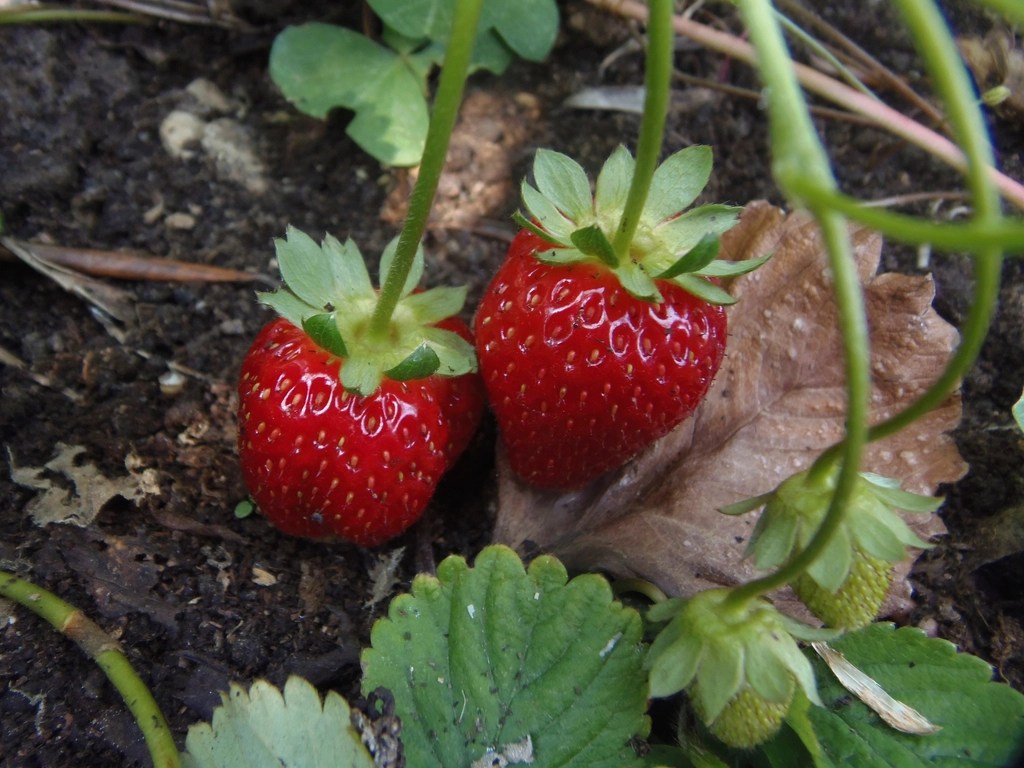
Growing strawberries can be a rewarding experience, providing a delicious and nutritious harvest right from your garden. Whether you are a seasoned gardener or a beginner, understanding the key aspects of strawberry cultivation can help ensure a bountiful yield. From choosing the right planting time to harvesting perfectly ripened berries, each step in the process plays a vital role in the success of your strawberry patch. Let’s explore the essential elements of cultivating strawberries.
Planting Time
Strawberries can be planted in early spring as soon as the soil can be worked. This early start allows the plants to establish themselves before the growing season is in full swing. In some regions, strawberries can also be planted in the fall for an earlier harvest the following spring. The key is to ensure that the plants have enough time to develop a strong root system before the extreme temperatures of summer or winter set in.
Soil and Sun
Strawberries thrive in well-draining, slightly acidic soil with a pH between 5.5 and 6.5. Amending the soil with organic matter such as compost can improve its fertility and drainage. Proper soil preparation is crucial for preventing root diseases and ensuring healthy plant growth. Strawberries also require at least 6-8 hours of sunlight daily to produce the best fruit. Choose a sunny location that receives ample light throughout the day to maximize your harvest.
Watering
Regular watering is crucial for strawberry plants, especially during fruit development. The soil should be kept consistently moist but not waterlogged, as excessive moisture can lead to root rot and other fungal diseases. Mulching around the plants helps retain soil moisture and reduces the need for frequent watering. Drip irrigation systems are an efficient way to provide consistent moisture directly to the roots while keeping the foliage dry, which can help prevent disease.
Harvesting
Strawberries are ready to harvest typically 4-6 weeks after blossoming. The best indicator of ripeness is their color; the berries should be uniformly red and fully ripe. It’s important to pick strawberries at their peak for the best flavor and nutritional value. Harvesting in the morning, when the berries are cool, can help maintain their freshness. Regular harvesting encourages the plants to produce more fruit and prevents overripe berries from attracting pests or diseases.
By paying attention to these key aspects of strawberry cultivation, you can enjoy a productive and healthy strawberry patch. With the right care and conditions, strawberries can provide a delicious and satisfying addition to your garden, rewarding you with sweet, juicy berries throughout the growing season.

Culinary Uses of Strawberries
Strawberries are incredibly versatile, lending their sweet, tangy flavor to a wide range of culinary applications. Whether enjoyed fresh, incorporated into desserts, or used in savory dishes, strawberries add a burst of color and taste to any meal. Their unique flavor profile and nutritional benefits make them a popular choice for cooks and food enthusiasts alike. Let’s explore the diverse ways in which strawberries can be used in the kitchen.
Fresh Consumption
Simply rinsed and hulled, strawberries are a delightful snack on their own. Their natural sweetness and juiciness make them a refreshing treat, perfect for a healthy, on-the-go snack. Fresh strawberries can also be added to breakfast dishes like yogurt, cereal, and pancakes for an extra burst of flavor and nutrition. Enjoying strawberries fresh is one of the best ways to appreciate their taste and health benefits.
Desserts
From strawberry shortcakes to tarts, strawberries are a staple in numerous dessert recipes. Their bright red color and sweet flavor complement a variety of desserts, from classic cakes and pies to modern creations like strawberry mousse and parfaits. Strawberries can be used as a topping for ice cream or cheesecake, adding a fresh and vibrant touch. The versatility of strawberries in desserts makes them a favorite ingredient for both home bakers and professional pastry chefs.
Jams and Preserves
Their natural pectin content makes strawberries perfect for jam-making. Strawberry jam is a popular choice for preserving the fruit’s flavor and enjoying it year-round. Making jam is a simple process that involves cooking the berries with sugar and lemon juice until it reaches a thick, spreadable consistency. Homemade strawberry jam can be enjoyed on toast, in sandwiches, or as a filling for baked goods. Preserving strawberries in this way allows you to capture the essence of summer in a jar.
Smoothies and Juices
Paired with other fruits or yogurt, strawberries create refreshing drinks. They blend beautifully into smoothies, adding a natural sweetness and vibrant color. Strawberries can be combined with bananas, blueberries, spinach, and other ingredients to create nutrient-packed smoothies. Additionally, fresh strawberry juice or strawberry-infused water can be a hydrating and delicious alternative to sugary beverages. These drinks are perfect for a quick breakfast or a post-workout refreshment.
Salads and Salsas
Strawberries can be incorporated into salads or salsas, offering a sweet contrast to savory ingredients. In salads, strawberries pair well with greens like spinach and arugula, nuts such as almonds or pecans, and cheeses like feta or goat cheese. A balsamic vinaigrette can enhance their flavor, creating a balanced and flavorful dish. Strawberries can also be used in salsas, combined with ingredients like tomatoes, onions, and cilantro for a unique twist on traditional salsa. This sweet and savory combination is perfect for topping grilled meats or serving with tortilla chips.
By exploring these culinary uses, you can fully appreciate the versatility of strawberries in your kitchen. Whether enjoyed fresh, in desserts, or in savory dishes, strawberries offer endless possibilities for delicious and nutritious meals. Their ability to complement a wide range of flavors and textures makes them a valuable addition to any cook’s repertoire.

Looking Ahead: Enjoying Strawberries Safely and Sustainably
Strawberries are often found on lists of produce with high pesticide residues. It’s advisable to purchase organic strawberries or, if that’s not feasible, to wash them thoroughly in a solution of vinegar and water before consumption.
Strawberries stand out as a fruit that is as versatile as it is delicious. Their rich history, myriad health benefits, and undeniable allure have solidified their status as a cherished gem of the orchard. Whether you’re enjoying them fresh, baked into a pie, or sipping them in a smoothie, strawberries promise a burst of flavor and a touch of summer in every bite.
