Gardening and permaculture, while often used interchangeably, represent fundamentally different approaches to interacting with the natural world. Both methods involve cultivating plants and managing landscapes, yet they diverge significantly in philosophy, techniques, and goals. In this article, we will explore these differences in depth, examining the principles, practices, and benefits of each approach. By understanding the distinctions between gardening and permaculture, individuals can make more informed choices about how to cultivate their own green spaces and contribute to a more sustainable future.
Understanding Gardening
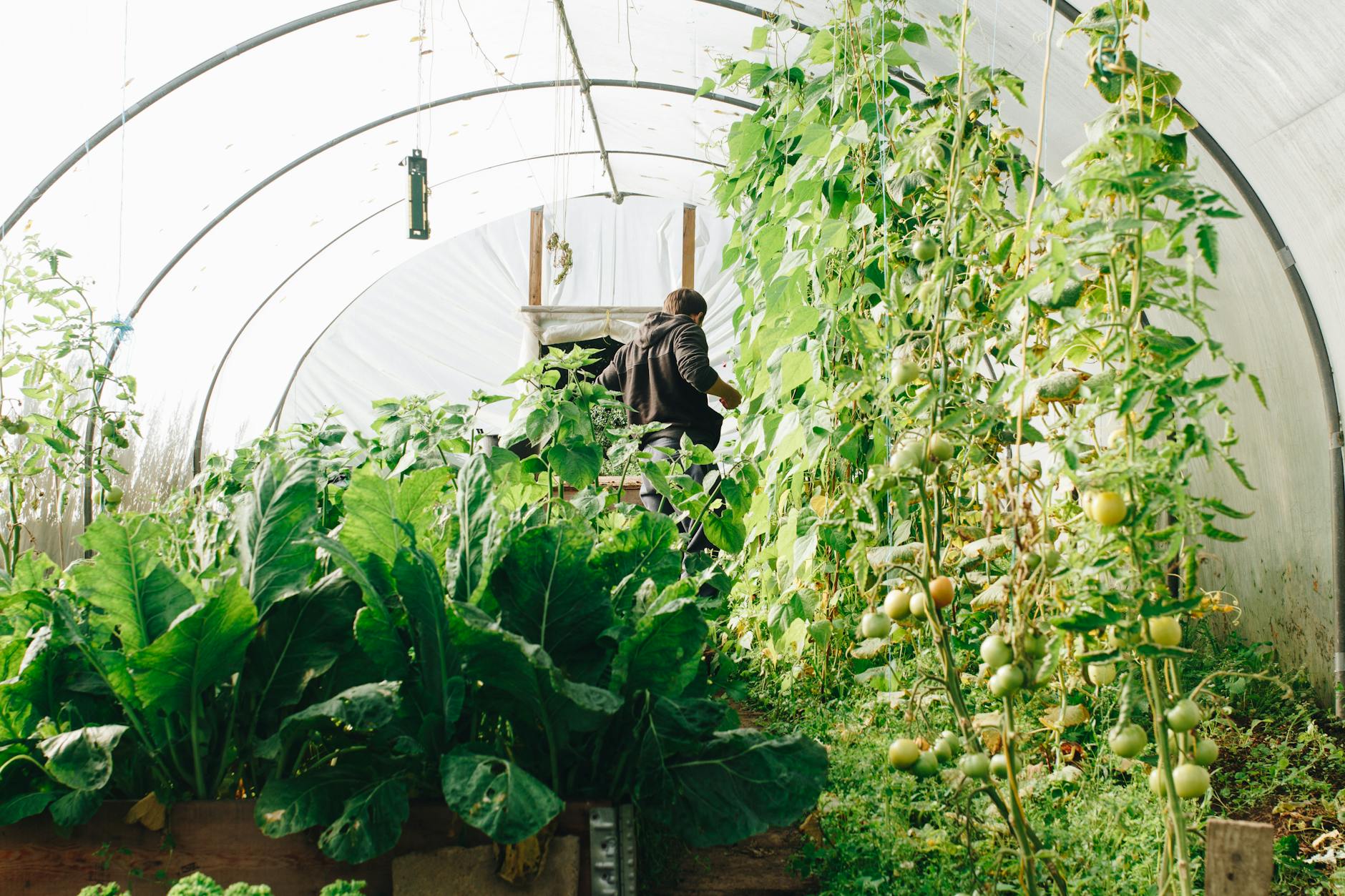
Gardening is the practice of growing and cultivating plants as part of horticulture. It involves a variety of activities, including planting, watering, weeding, pruning, and harvesting. Gardens can range from small urban plots and container gardens to large, expansive backyard landscapes. The primary goal of gardening is often to produce aesthetically pleasing spaces or to grow food for personal consumption.
Principles and Philosophy of Gardening
Gardening is typically guided by a few core principles, which can vary depending on the gardener’s objectives:
- Aesthetics and Design: Many gardeners focus on creating visually appealing spaces. This involves selecting plants based on their colors, textures, and bloom times to achieve a harmonious and attractive garden.
- Productivity: For those growing edible plants, the emphasis is on maximizing yield. This can involve selecting high-yielding varieties, using fertilizers, and implementing pest control measures to ensure a bountiful harvest.
- Maintenance and Care: Gardening requires regular maintenance to keep plants healthy and thriving. This includes watering, fertilizing, pruning, and managing pests and diseases.
Techniques and Practices in Gardening
Gardening employs a variety of techniques, some of which are traditional and others that are more modern innovations:
- Soil Preparation: Good soil is the foundation of a successful garden. Gardeners often amend soil with compost, manure, or synthetic fertilizers to improve its fertility and structure.
- Plant Selection: Choosing the right plants for the local climate and soil conditions is crucial. Gardeners may select a mix of annuals, perennials, and biennials to ensure continuous growth and color throughout the growing season.
- Watering: Consistent watering is essential for plant health. This can be done manually with hoses and watering cans, or automatically using drip irrigation systems and sprinklers.
- Pest and Disease Management: Gardeners must manage pests and diseases to protect their plants. This can involve using chemical pesticides, organic solutions, or integrated pest management (IPM) strategies.
Benefits and Drawbacks of Gardening
Gardening offers numerous benefits, including:
- Mental and Physical Health: Gardening is known to reduce stress, improve mood, and provide moderate physical exercise.
- Food Production: Growing your own fruits, vegetables, and herbs can provide fresh, nutritious food and reduce grocery bills.
- Aesthetic Pleasure: A well-maintained garden can enhance the beauty of a property and provide a space for relaxation and enjoyment.
However, there are also some drawbacks to traditional gardening:
- Resource Intensive: Gardening can require significant inputs of water, fertilizers, and pesticides, which can have environmental impacts.
- Labor Intensive: Maintaining a garden requires regular labor, which can be time-consuming and physically demanding.
- Potential for Environmental Harm: Overuse of chemical inputs and improper soil management can lead to environmental degradation, including soil erosion and water pollution.
Understanding Permaculture
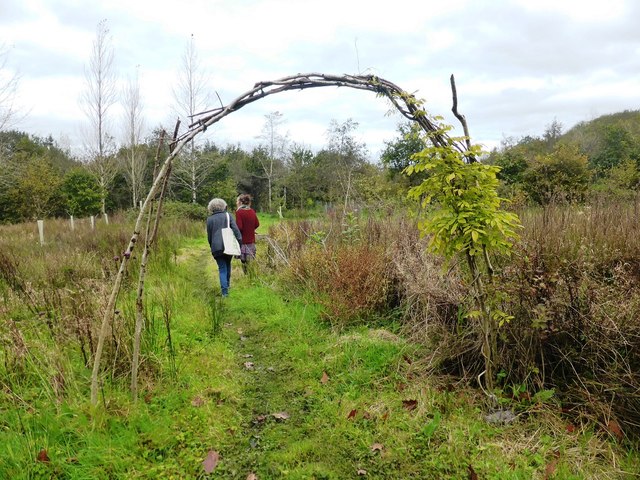
Permaculture, a term coined by Bill Mollison and David Holmgren in the 1970s, is derived from “permanent agriculture” and “permanent culture.” It is a design philosophy that seeks to create sustainable and self-sufficient agricultural ecosystems modeled after natural ecosystems. Permaculture goes beyond gardening to encompass a holistic approach to living and land use.
Principles and Philosophy of Permaculture
Permaculture is based on a set of core principles that guide its practices:
- Care for the Earth: Permaculture emphasizes the importance of protecting and nurturing the natural environment. This involves conserving resources, enhancing biodiversity, and creating ecosystems that are sustainable and regenerative.
- Care for People: Permaculture aims to meet human needs in a sustainable way. This includes producing food, shelter, and energy in ways that enhance human health and well-being.
- Fair Share: Also known as “return of surplus,” this principle involves sharing resources and surpluses equitably, ensuring that all members of a community have access to what they need while maintaining the health of the ecosystem.
Techniques and Practices in Permaculture
Permaculture employs a variety of techniques designed to mimic natural processes and create sustainable systems:
- Designing with Nature: Permaculture designs are based on an understanding of natural systems and processes. This includes observing and working with the patterns and cycles of nature to create resilient and productive systems.
- Polyculture and Biodiversity: Unlike traditional gardening, which often focuses on monocultures, permaculture promotes polyculture—growing multiple species together to enhance biodiversity and create mutually beneficial relationships.
- Soil Health: Permaculture places a strong emphasis on building and maintaining healthy soil. This can involve techniques such as composting, mulching, and using cover crops to enhance soil fertility and structure.
- Water Management: Efficient water use and management are crucial in permaculture. Techniques such as rainwater harvesting, swales, and keyline design are used to maximize water retention and minimize waste.
- Renewable Resources and Energy: Permaculture seeks to use renewable resources and energy sources whenever possible. This can include solar power, wind energy, and sustainable building materials.
Benefits and Drawbacks of Permaculture
Permaculture offers several significant benefits:
- Sustainability: Permaculture systems are designed to be self-sustaining and regenerative, reducing the need for external inputs and minimizing environmental impact.
- Resilience: By mimicking natural ecosystems, permaculture designs are inherently resilient to environmental stresses and changes.
- Holistic Approach: Permaculture integrates various aspects of life and land use, promoting a more holistic and sustainable way of living.
However, permaculture also has its challenges:
- Complexity: Designing and implementing permaculture systems can be complex and require a deep understanding of ecological principles and local conditions.
- Initial Effort and Cost: Establishing a permaculture system can require significant initial effort and investment, although this is often offset by long-term sustainability and reduced maintenance costs.
- Education and Knowledge: Successful permaculture requires a commitment to ongoing learning and adaptation, which can be a barrier for some individuals.

Comparing Gardening and Permaculture
Philosophical Differences
The philosophical foundations of gardening and permaculture represent one of the most significant distinctions between the two approaches. Traditional gardening often focuses on aesthetics and productivity within a framework that may or may not prioritize sustainability. In contrast, permaculture is explicitly centered on creating sustainable, self-sufficient systems that mimic natural ecosystems. This fundamental difference shapes the goals, practices, and outcomes of each approach.
Design and Planning
In gardening, design and planning are typically oriented towards achieving specific aesthetic or productive outcomes. Gardeners may plan their spaces based on principles of landscape design, selecting plants for their visual appeal, growth habits, or yield potential. Maintenance activities are often scheduled around the growing season, with an emphasis on keeping plants healthy and attractive.
Permaculture design, on the other hand, involves a more holistic and integrated approach. Permaculture designers consider the entire ecosystem, including soil health, water management, biodiversity, and energy flows. The goal is to create systems that are not only productive but also sustainable and regenerative. This often involves using design techniques such as zoning (organizing different elements based on their frequency of use and needs) and sector analysis (considering external factors like wind, sun, and water flow).
Plant Selection and Diversity
Traditional gardening often involves selecting plants based on their individual characteristics and the gardener’s goals. This can result in monocultures or limited diversity, especially in gardens focused on specific crops or ornamental plants.
Permaculture, however, emphasizes polyculture and biodiversity. By mimicking natural ecosystems, permaculture designs incorporate a wide variety of plants, including annuals, perennials, trees, shrubs, and groundcovers. This diversity enhances ecosystem stability, promotes beneficial interactions, and reduces the risk of pests and diseases.
Soil and Water Management
Soil and water management practices also differ significantly between gardening and permaculture. Gardeners often rely on external inputs such as synthetic fertilizers and irrigation systems to maintain plant health and productivity. Soil preparation can involve tilling and amending with compost or fertilizers.
In permaculture, the focus is on building and maintaining healthy soil through natural processes. Techniques such as composting, mulching, and using cover crops are employed to enhance soil fertility and structure. Water management in permaculture aims to maximize efficiency and minimize waste, using methods like rainwater harvesting, swales, and keyline design to capture and store water in the landscape.
Pest and Disease Management
Traditional gardening often relies on chemical pesticides and herbicides to manage pests and diseases. While organic gardening methods may use natural or biological controls, the approach is generally reactive, addressing problems as they arise.
Permaculture takes a proactive approach to pest and disease management by designing resilient systems that naturally minimize these issues. This includes promoting biodiversity, encouraging beneficial insects, and creating habitats for natural predators. Companion planting and polyculture are also used to create environments where pests are less likely to become problematic.
Human Impact and Sustainability
Gardening practices can vary widely in their environmental impact. While some gardeners prioritize organic methods and sustainability, others may use practices that contribute to soil degradation, water pollution, and habitat loss. The use of synthetic fertilizers, pesticides, and herbicides can have negative effects on the environment and human health.
Permaculture, by its very nature, seeks to minimize human impact and promote sustainability. The principles of permaculture encourage the use of renewable resources, the conservation of energy, and the creation of self-sustaining systems. By working with nature rather than against it, permaculture aims to create landscapes that are productive, resilient, and beneficial for both people and the planet.

Final Thoughts
While gardening and permaculture share the common goal of cultivating plants and managing landscapes, they represent fundamentally different approaches to achieving this goal. Traditional gardening often focuses on aesthetics and productivity, with practices that can range from sustainable to environmentally harmful. Permaculture, on the other hand, is grounded in principles of sustainability, regeneration, and holistic design, seeking to create ecosystems that are self-sufficient and resilient.
By understanding the differences between gardening and permaculture, individuals can make more informed choices about how to cultivate their own green spaces. Whether you are a home gardener looking to beautify your yard, a small-scale farmer aiming to increase your yields, or a sustainability enthusiast committed to living in harmony with nature, there is a place for both gardening and permaculture in your efforts. Ultimately, the choice between gardening and permaculture depends on your goals, resources, and commitment to sustainability. By integrating the best practices of both approaches, you can create a green space that is not only productive and beautiful but also sustainable and regenerative.
