

Rosemary, with its woody stems and fragrant needle-like leaves, is a staple in kitchens worldwide. Its distinctive aroma and robust flavor enhance a variety of dishes, from roasted meats to savory breads. However, rosemary’s appeal extends far beyond the culinary world. This versatile herb boasts a history steeped in lore, medicine, and reverence, making it a cherished plant in many cultures. As we explore the world of rosemary, we uncover its rich past, numerous health benefits, effective harvesting techniques, and versatile applications.
Historically, rosemary has been revered for its medicinal properties and symbolic significance. Ancient Greeks and Romans considered it a sacred plant, often used in religious ceremonies and rituals. They believed rosemary could enhance memory and stimulate the mind, leading to its association with remembrance and fidelity. During the Middle Ages, rosemary was also used as a protective charm against evil spirits and as a purifying incense. Its significance in various traditions highlights the deep cultural and spiritual roots of this remarkable herb.
Beyond its historical and cultural importance, modern science has validated many of the traditional uses of rosemary. Its leaves contain potent compounds, including antioxidants and anti-inflammatory agents, that offer a range of health benefits. Rosemary is known to improve digestion, boost cognitive function, and even possess antimicrobial properties. Understanding these benefits, along with the best practices for harvesting and utilizing rosemary, allows us to fully appreciate this herb’s contributions to both our health and culinary experiences.
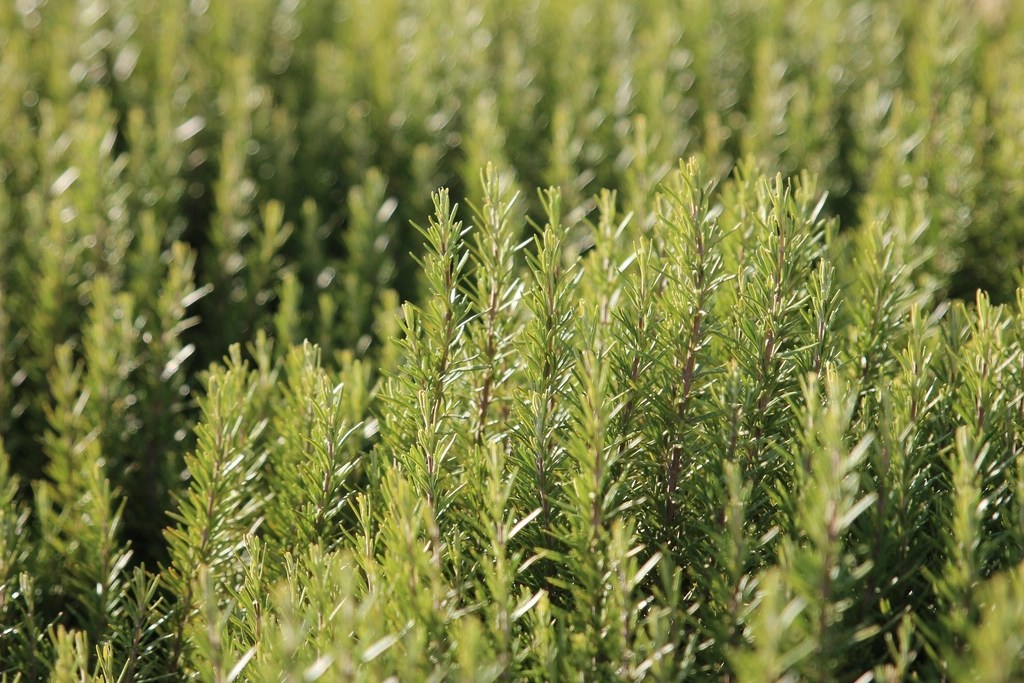
History of Rosemary
Rosemary’s name is rooted in Latin, derived from “ros” (dew) and “marinus” (sea), which translates to “dew of the sea.” This naming likely owes to its native habitat along the Mediterranean coasts, where the herb thrived in the moist, salty air. The plant’s resilience and hardiness made it a staple in the region, not just as a culinary herb but also for its myriad other uses.
Historically, rosemary held significant spiritual and medicinal importance. Ancient Egyptians regarded rosemary as a sacred herb, incorporating it into their burial rituals to honor the deceased and ensure their safe passage to the afterlife. Sprigs of rosemary were found in Egyptian tombs dating back thousands of years, symbolizing the herb’s role in their spiritual practices.
In Roman and Greek cultures, rosemary was a symbol of love, loyalty, and remembrance. Brides and grooms wore garlands of rosemary at weddings to symbolize fidelity and a happy union. Similarly, mourners would place rosemary sprigs on graves during funerals, as a token of remembrance for the departed. The ancient Greeks also believed that rosemary could strengthen memory, and students would often weave it into their hair while studying for exams, a tradition reflecting the herb’s cognitive benefits recognized even in antiquity.
During the Middle Ages, rosemary continued to be esteemed for its purported protective properties. It was often hung in doorways or carried as a charm to ward off evil spirits and negative energies. This period saw a rise in the use of rosemary as a medicinal herb, where it was employed to treat a variety of ailments, from digestive issues to respiratory problems. Infusions of rosemary were used to disinfect homes and hospitals, a practice based on its natural antimicrobial properties.
The Renaissance period further cemented rosemary’s place in both medical and culinary traditions. Herbalists and physicians of the time praised its healing attributes, and it became a common ingredient in the apothecaries of Europe. Shakespeare even referenced rosemary in his plays, most notably in “Hamlet,” where Ophelia mentions it as a symbol of remembrance.
Through the centuries, rosemary has maintained its status not only as a beloved kitchen herb but also as a plant rich in cultural and historical significance. Today, while it continues to be a staple in culinary practices worldwide, the legacy of its historical uses and symbolic meanings adds a profound depth to our appreciation of this remarkable herb.

Benefits of Rosemary
a) Cognitive Boost – Rosemary has been associated with memory enhancement for centuries, often symbolized by students in ancient Greece who wore sprigs in their hair during exams. Recent studies have shown that the aroma of rosemary can improve concentration, performance, speed, and accuracy, making it a valuable tool for cognitive enhancement. Moreover, emerging research suggests that rosemary’s active compounds, such as carnosic acid, might have neuroprotective effects, potentially slowing the progression of Alzheimer’s disease and other neurodegenerative conditions.
b) Digestive Aid – Traditionally, rosemary has been used to help alleviate digestive problems like heartburn and gas, a practice that dates back to ancient herbal medicine. It is believed to stimulate the production of bile, which aids in digesting fats and enhances overall digestive efficiency. Additionally, rosemary’s antispasmodic properties can help relax the muscles of the digestive tract, providing relief from cramps and bloating.
c) Anti-Inflammatory & Antioxidant – Rosemary contains a variety of compounds, such as rosmarinic acid and carnosol, which have potent anti-inflammatory properties. These compounds can help reduce inflammation in the body, potentially easing symptoms of conditions like arthritis and other inflammatory disorders. As antioxidants, they also combat oxidative stress by neutralizing free radicals, thereby protecting cells from damage and reducing the risk of chronic diseases such as cancer and heart disease.
d) Hair Growth – Some believe that rosemary oil can promote hair growth and reduce dandruff when applied to the scalp. This belief is supported by studies indicating that rosemary oil can stimulate blood circulation to the scalp, which in turn may enhance hair follicle health and promote hair growth. Additionally, rosemary’s antimicrobial properties can help keep the scalp clean and free from dandruff-causing bacteria and fungi, leading to healthier hair overall.
e) Immune System Boost – The active components in rosemary, such as rosmarinic acid and essential oils, have been shown to bolster the immune system. These compounds can enhance the body’s ability to fight off infections by stimulating the activity of white blood cells and improving overall immune response. During cold seasons, incorporating rosemary into your diet or using it as a herbal tea can provide a natural boost to your immune defenses, helping to ward off colds and other common illnesses.

Harvesting Rosemary
a) Timing – While rosemary can be harvested throughout the year, its aromatic oils are most concentrated just before it blooms. This period typically occurs in late spring to early summer, depending on the climate. Harvesting at this peak time ensures that you capture the maximum flavor and potency from the plant, making your rosemary not only more fragrant but also more effective in both culinary and medicinal uses.
b) Picking – Using garden shears or scissors, snip the top 2-3 inches of each sprig, ensuring not to take more than a third of the plant at once. This careful approach promotes healthy regrowth and prevents the plant from becoming too stressed or damaged. Regular, light harvesting throughout the growing season can actually encourage a bushier and more vigorous plant, leading to an even greater yield over time.
c) Drying – Tie the cut sprigs in small bundles and hang them in a well-ventilated area, away from direct sunlight. This method of drying helps to preserve the essential oils and prevents the leaves from becoming too brittle or losing their color. Once dried, usually after two to three weeks, store the leaves in an airtight container. Keeping the dried rosemary in a cool, dark place helps maintain its flavor and potency for several months, ensuring you have a steady supply of this versatile herb.

Versatile Applications of Rosemary
a) Culinary Delight – Rosemary is a favorite in many dishes, from roasted meats to baked goods. Its robust flavor complements a variety of foods, adding a unique aromatic and slightly piney taste that pairs well with lamb, chicken, and potatoes. Additionally, rosemary can be used in marinades, bread doughs, and even desserts like shortbread cookies, showcasing its versatility in both savory and sweet recipes.
b) Rosemary Oil – Infuse dried rosemary in a carrier oil like olive or almond oil. This infused oil can be used for massages, hair treatments, or cooking. Rosemary oil is known for its invigorating scent and potential to stimulate circulation, making it popular in aromatherapy and skincare routines. It can also be drizzled over salads, vegetables, and pasta dishes for an added burst of flavor and health benefits.
c) Herbal Tea – A brew made from fresh or dried rosemary leaves can aid digestion and provide relaxation. Simply steep a few sprigs in hot water for a few minutes to create a soothing herbal tea. This tea can help alleviate headaches, boost mood, and even improve memory. For added flavor, combine rosemary with other herbs like mint or lemon balm.
d) Tinctures and Extracts – Soaking rosemary in alcohol can create a tincture, which can be ingested in small amounts for its therapeutic benefits. These tinctures can help improve digestion, reduce inflammation, and support overall health. Tinctures are easy to make and can be stored for long periods, providing a convenient way to harness rosemary’s medicinal properties.
e) Aromatic Uses – Rosemary isn’t just therapeutic when consumed. Its aromatic oils can be used in potpourri, candles, or essential oil diffusers to uplift moods and enhance memory. The strong, pleasant scent of rosemary can help purify the air and create a calming environment. Additionally, placing dried rosemary sprigs in closets or drawers can act as a natural moth repellent while imparting a fresh fragrance.

Using Rosemary Safely and Effectively
While rosemary offers myriad benefits, moderation is crucial. High concentrations, especially of its oil, can be harmful. For instance, ingesting large amounts of rosemary oil can cause severe side effects such as vomiting, spasms, or even pulmonary edema. Its potent nature means that even small quantities can be powerful, so it’s essential to use rosemary oil sparingly and always dilute it with a carrier oil when applying it to the skin. Additionally, the herb can interact with certain medications, potentially altering their effects. Therefore, anyone considering using rosemary for therapeutic purposes should do thorough research and consult healthcare professionals to avoid any adverse reactions.
Pregnant and breastfeeding women, as well as those with specific medical conditions, should be particularly cautious. The herb contains compounds that might affect hormone levels and uterine contractions, posing risks during pregnancy. Those with epilepsy or similar neurological conditions should avoid rosemary, as it can potentially trigger seizures. Consulting a healthcare professional before incorporating rosemary or its extracts into one’s regimen is always a wise step. This ensures that the benefits of rosemary can be enjoyed without unintended consequences, making it a safe addition to your health and wellness routine.
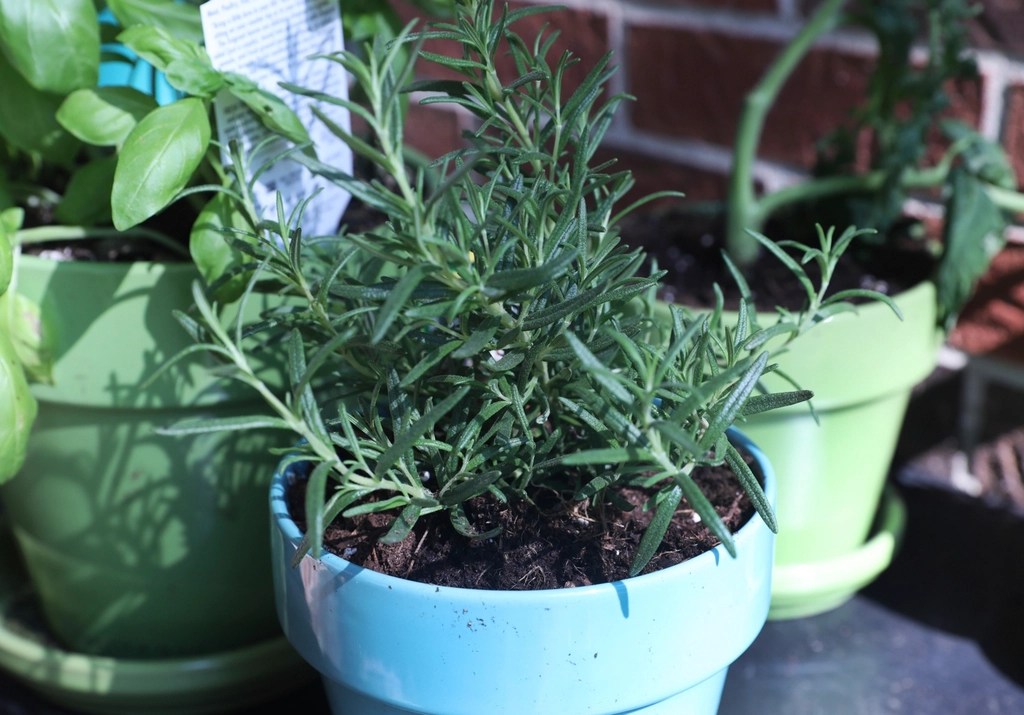
Rosemary: A Timeless Treasure
In summation, rosemary is a gift from nature that bridges the past and present. This fragrant herb has been cherished for centuries, not only for its culinary uses but also for its medicinal properties. Ancient civilizations revered rosemary as a sacred plant, using it in religious ceremonies, burials, and as a symbol of remembrance. Its persistent presence in our kitchens and gardens today is a testament to its enduring appeal and versatility. Whether it’s sprinkled over roasted meats, infused in oils, or brewed into tea, rosemary continues to enrich our lives in myriad ways.
Beyond its historical significance, rosemary is a potent healer that modern science continues to explore. Research has validated many of the traditional uses of rosemary, uncovering new applications and benefits. From its cognitive-enhancing properties to its potential in reducing inflammation and boosting the immune system, rosemary stands as a remarkable example of how ancient wisdom and modern science can converge. Its legacy as a healer and protector remains unshaken, promising to deliver both flavor and health benefits for generations to come. Whether used in the kitchen, in herbal remedies, or simply enjoyed for its aromatic beauty, rosemary embodies the timeless connection between nature and well-being.
