
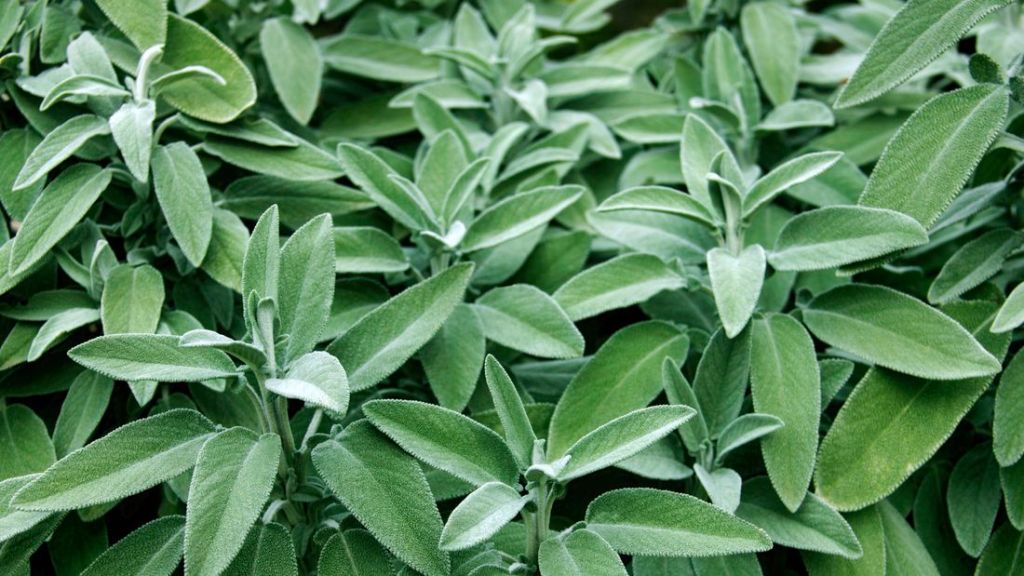
Garden sage, known scientifically as Salvia officinalis, is a culinary and medicinal marvel that has graced herb gardens and kitchens for centuries. Recognized by its soft, gray-green leaves and characteristic pungent aroma, sage has long been regarded for its therapeutic properties and culinary versatility. Let’s embark on a journey into the world of garden sage, exploring its historical significance, health benefits, harvesting techniques, and various uses.
History of Garden Sage
The history of garden sage (Salvia officinalis) is as rich and storied as its aromatic leaves. The very genus name “Salvia” comes from the Latin “salvare,” meaning “to save” or “to heal,” indicating its early medicinal importance. Ancient civilizations recognized the therapeutic properties of sage, with records of its use dating back thousands of years. For example, ancient Egyptians revered sage as a fertility drug, while the Romans valued it for its diuretic properties, using it to alleviate various ailments and as a local anesthetic during medical procedures. Additionally, sage was believed to enhance memory and cognitive function, leading to its use as a tonic for mental clarity and focus.
During the Middle Ages, sage gained further prominence for its purported protective qualities during times of plague and illness. It was a key component of the famed “Four Thieves Vinegar,” a concoction believed to ward off disease and protect against infection. Legend has it that four thieves used this vinegar to protect themselves as they robbed the homes of plague victims without falling ill. Sage’s reputation as a protective herb persisted, and it became a staple in herbal remedies and folk medicine practices across Europe. Its association with longevity and immortality also grew during this time, with sage being consumed in hopes of extending life and promoting vitality.
Throughout history, sage has been celebrated not only for its medicinal properties but also for its culinary uses and cultural significance. From ancient rituals to modern-day kitchens, sage continues to play a central role in culinary traditions around the world. Its distinctive flavor and aromatic profile add depth and complexity to a wide range of dishes, from hearty stews to savory sauces. As we explore the multifaceted history of garden sage, we gain a deeper appreciation for this humble herb and its enduring legacy as a symbol of healing, protection, and longevity.
Benefits of Garden Sage
a) Cognitive Support: Recent studies have shown that sage can enhance cognitive activity and protect against neurodegenerative diseases such as Alzheimer’s. Its ability to improve memory and cognitive function has made it a subject of interest in research on brain health and aging.
b) Antioxidant and Anti-inflammatory: The compounds in sage, such as rosmarinic acid and flavonoids, exhibit potent antioxidant properties, defending the body against free radicals and oxidative stress. Additionally, sage contains anti-inflammatory agents that may help alleviate inflammation-related conditions such as arthritis and asthma.
c) Menstrual Relief: Historically, sage has been used to alleviate menstrual cramps and reduce menopausal symptoms such as hot flashes and night sweats. Its mild estrogenic properties may help regulate hormonal imbalances and promote hormonal health in women.
d) Antimicrobial: Sage contains antimicrobial properties attributed to its essential oils, such as thujone and camphor, which can help combat bacterial and fungal infections. Its antimicrobial effects make it a valuable herb for promoting oral health and treating conditions such as sore throat and gingivitis.
e) Digestive Health: As a carminative herb, sage can help reduce gas and bloating by aiding digestion and soothing the digestive tract. Its aromatic compounds stimulate the production of digestive enzymes and bile, facilitating the breakdown of fats and promoting optimal digestion and nutrient absorption. Incorporating sage into your diet or consuming it as a tea may help alleviate digestive discomfort and promote gastrointestinal health.
Harvesting Garden Sage
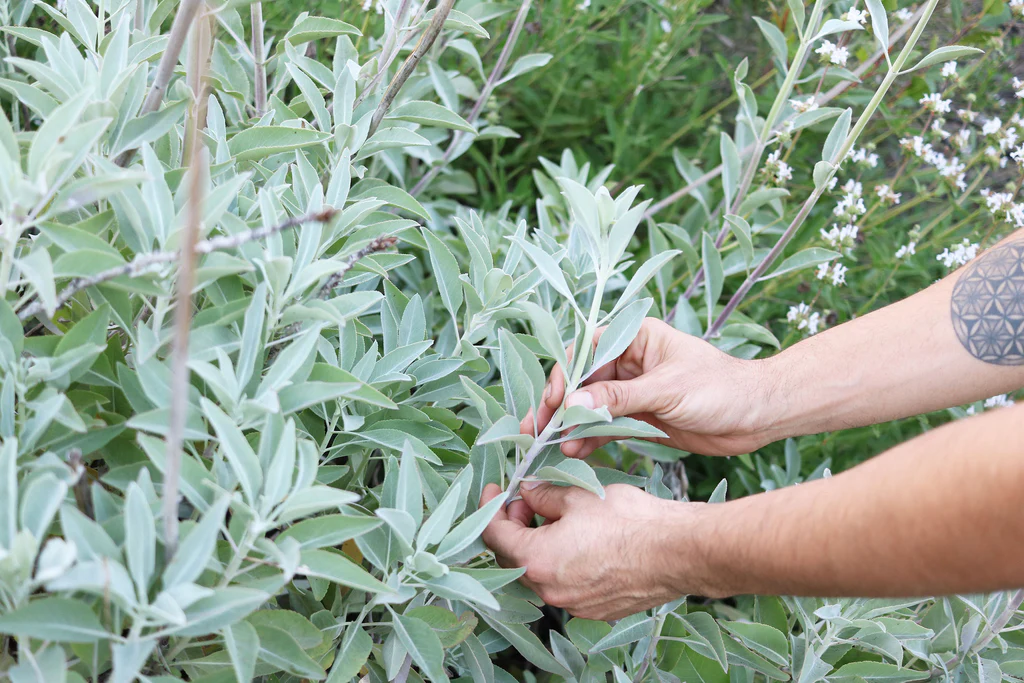
a) Timing: The best time to harvest sage is just before it flowers, typically in the morning when the essential oils are most concentrated in the leaves. This ensures maximum flavor and potency in the harvested leaves, making them ideal for culinary and medicinal use.
b) Picking: When harvesting sage, use scissors or hand shears to snip the leaves from the stem, leaving some foliage behind to encourage new growth. It’s important not to strip the plant entirely, as this can hinder its ability to regenerate and produce future harvests.
c) Drying: After harvesting, lay the sage leaves out in a single layer in a shaded, well-ventilated area to dry. This allows for proper air circulation and prevents moisture buildup, which can lead to mold and spoilage. Once the leaves are thoroughly dried and crisp to the touch, they can be stored in an airtight container away from light and moisture for long-term use.
Uses of Garden Sage
a) Culinary Uses: Sage is a culinary favorite, especially in poultry dishes, sausages, and stuffing. Its robust flavor pairs well with hearty dishes, and it’s also used in butters and sauces.
b) Sage Tea: Brewing sage leaves can produce a calming tea that is also beneficial for throat ailments and digestive discomfort.
c) Essential Oil: Sage essential oil is used in aromatherapy for its clarifying and invigorating properties.
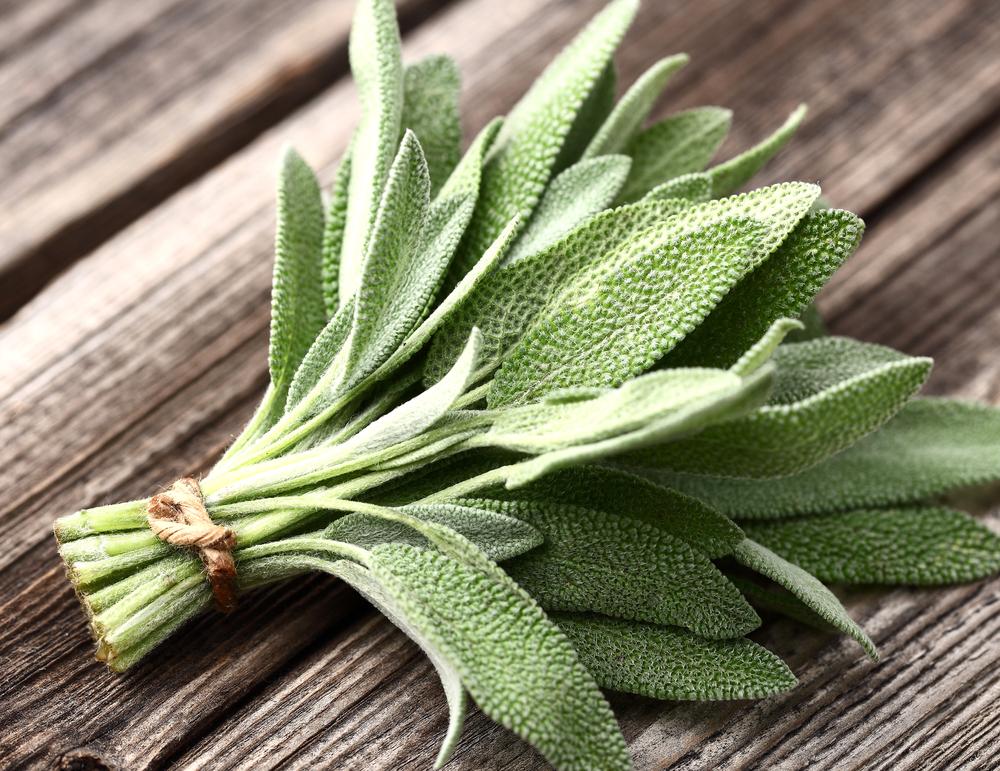
d) Smudging: Sage bundles, when burned, are believed to purify the atmosphere, a ritual often referred to as “smudging.”
e) Medicinal Preparations: Sage can be used to make tinctures, salves, and poultices for various therapeutic applications.
Precautions and Conclusions
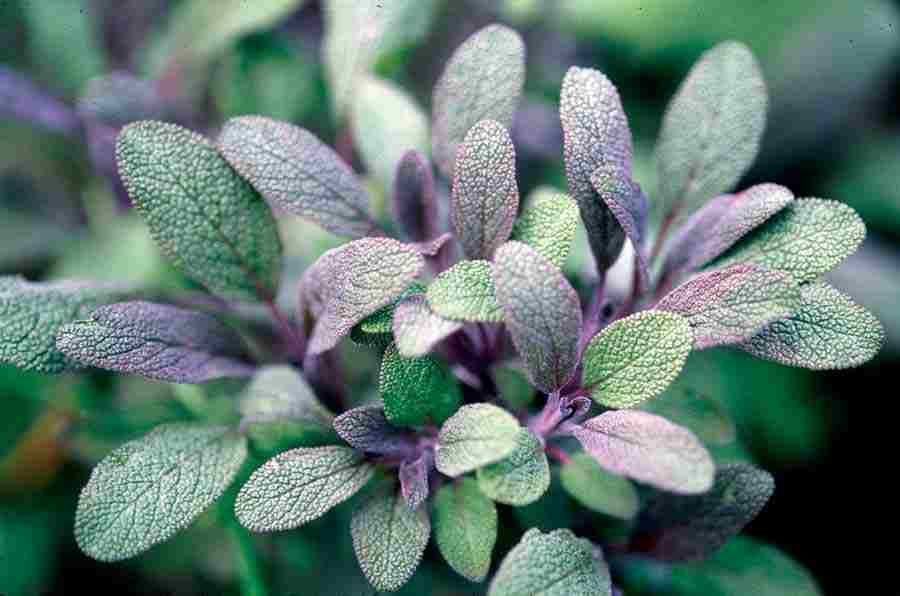
Garden sage is generally safe when consumed in culinary amounts. However, it contains thujone, which in large doses can be toxic. Pregnant or breastfeeding women, and those with certain medical conditions, should consult with healthcare professionals before consuming large amounts or using its medicinal preparations.
In wrapping up, garden sage emerges not just as an aromatic kitchen herb but as a repository of health and history. Its myriad uses, spanning culinary dishes to therapeutic concoctions, highlight its enduring importance. Whether it’s the heady aroma of sage-infused dishes wafting from a kitchen or the ritualistic burning of a sage bundle, this herb offers a blend of the practical and the mystical, truly earning its title as the wise herb of the garden.

