

The term “pastured poultry” may sound picturesque, invoking images of chickens happily clucking away on lush, green fields. While this depiction is close to reality, there’s more to the story than meets the eye. Pastured poultry is not just an agricultural trend but a return to traditional farming methods that prioritize animal welfare, sustainability, and food quality. Let’s delve deeper into what pastured poultry entails and why it’s reshaping the way we think about poultry farming.
What is Pastured Poultry?
Pastured poultry represents a paradigm shift in the way we raise poultry, emphasizing the integration of various poultry species with natural ecosystems. Unlike conventional methods where birds are confined to crowded barns or cages, pastured poultry allows chickens, turkeys, ducks, and geese to roam freely on lush green pastures. This approach honors the innate behaviors of poultry, enabling them to forage for insects, seeds, and grasses while soaking up sunshine and fresh air.
The benefits of pastured poultry extend far beyond animal welfare. By grazing on pasture, poultry play a vital role in regenerating soil health. Their constant movement and scratching action aerate the soil, promoting microbial activity and enhancing nutrient cycling. The manure they deposit acts as a natural fertilizer, enriching the soil with essential nutrients and organic matter. This symbiotic relationship between birds and pasture fosters a regenerative agricultural ecosystem where each component thrives in harmony.
Moreover, pastured poultry systems offer numerous advantages for consumers seeking ethically raised, nutrient-dense food. Studies have shown that pastured poultry products, such as eggs and meat, are higher in beneficial omega-3 fatty acids, vitamins, and minerals compared to their conventional counterparts. Additionally, pastured poultry is free from the antibiotics, hormones, and synthetic additives commonly used in industrial farming, offering a cleaner and more natural option for health-conscious consumers.
From an environmental standpoint, pastured poultry farming promotes biodiversity, reduces pollution, and mitigates greenhouse gas emissions. By rotating birds through pastures, farmers can regenerate degraded landscapes, improve water infiltration, and sequester carbon in the soil. This sustainable approach to poultry farming aligns with principles of agroecology and permaculture, emphasizing resilience, diversity, and stewardship of the land.
In essence, pastured poultry embodies a holistic approach to agriculture that prioritizes the well-being of animals, ecosystems, and communities. By supporting pastured poultry farmers and choosing products from responsibly managed farms, consumers can contribute to a more sustainable and regenerative food system for generations to come.
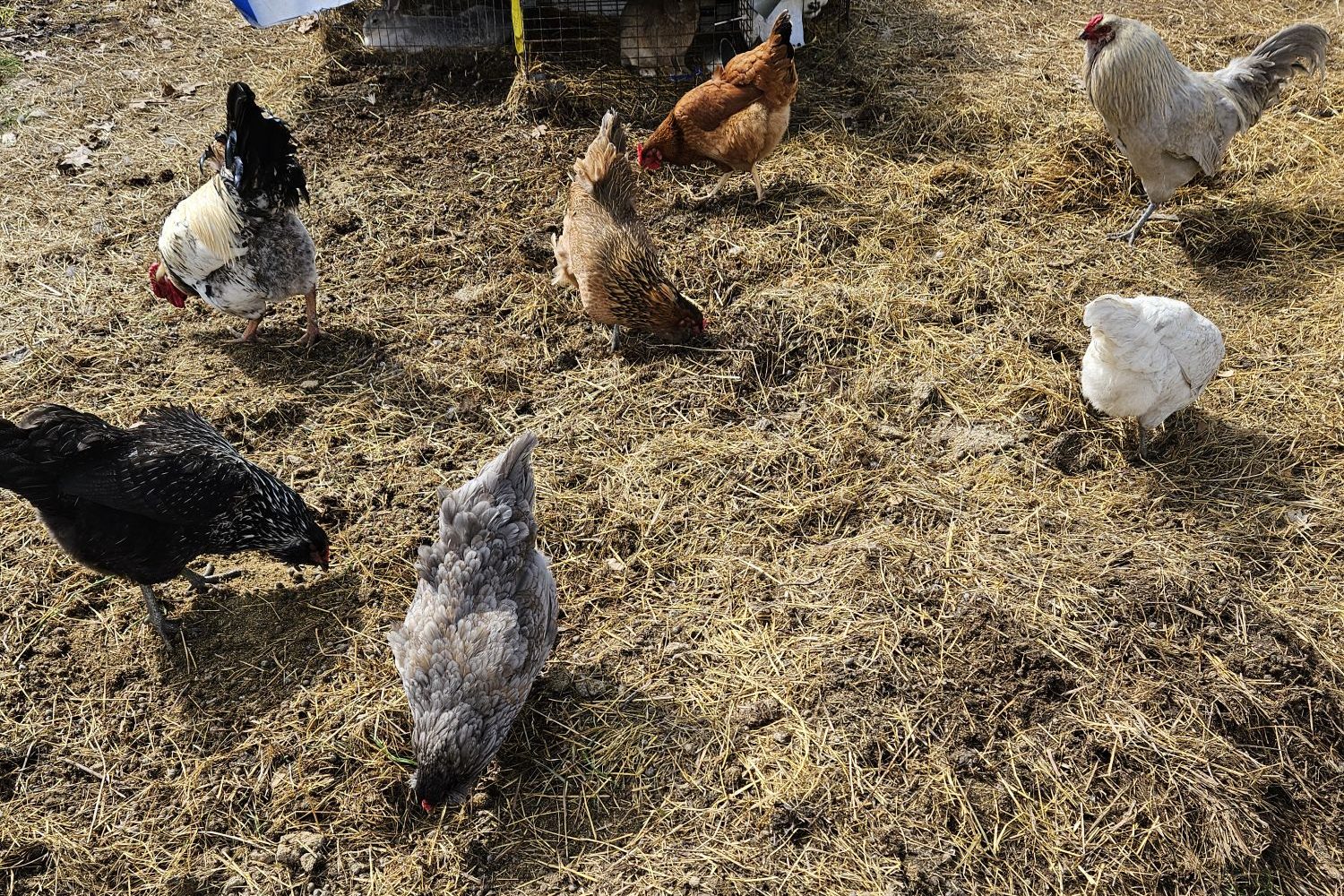
Key Benefits of Raising Poultry on Pasture
Raising poultry on pasture offers a multitude of benefits for both the animals and the environment. Here’s why it’s a win-win scenario:
a) Improved Animal Welfare:
- Natural Behavior: On pasture, poultry, including chickens, ducks, and geese, can exhibit natural behaviors like scratching, pecking, and foraging.
- Space: Poultry have more space to roam, reducing stress and preventing aggressive behaviors common in cramped quarters.
- Fresh Air: Exposure to sunlight and fresh air enhances the birds’ health and vitality.
b) Environmental Sustainability:
- Soil Health: Poultry droppings are a natural fertilizer. As poultry graze, they enrich the soil, improving its quality and fertility.
- Pest Control: Poultry act as natural pest controllers, reducing the need for chemical pesticides.
- Reduced Carbon Footprint: Pastured systems often have lower energy requirements than large-scale, industrialized poultry houses.
c) Nutritional Advantages:
- Omega-3 Fatty Acids: Pastured poultry meat and eggs have a higher content of omega-3 fatty acids, which are beneficial for heart health.
- Vitamins: The diet of pasture-raised poultry is more varied, leading to meat and eggs richer in vitamins like A and E.
- Cleaner Product: Pastured poultry is often raised without antibiotics or growth hormones, resulting in a cleaner, more natural product.
d) Economic Benefits:
- Diversified Farming: Farmers can integrate poultry farming with crop rotations, benefiting both the soil and the crops.
- Direct Sales: Many pastured poultry farmers sell directly to consumers, capturing more of the food dollar and fostering community ties.

Contrasting with Conventional Methods
Raising poultry on pasture represents a departure from conventional farming practices, offering a more sustainable and humane alternative. Here’s how pastured poultry differs from conventional methods:
a) Confinement: In conventional systems, poultry, including chickens, ducks, and geese, are typically confined to tight indoor spaces, such as overcrowded barns or cages. This confinement restricts their movement and natural behaviors, leading to stress and reduced welfare. In stark contrast, pastured poultry systems prioritize freedom of movement, allowing birds to roam and forage on open pasture. This promotes physical and psychological well-being, enabling poultry to express their natural behaviors like scratching, pecking, and dust-bathing.
b) Feed: Conventional poultry are often fed a monotonous diet consisting mainly of grains, supplemented with synthetic additives and growth promoters. This uniform diet lacks the diversity and nutritional richness of the natural diet that poultry would consume in the wild. In contrast, pastured poultry have access to a diverse array of plants, insects, seeds, and grasses while foraging on pasture. This varied diet not only enhances the nutritional quality of the meat and eggs but also promotes healthier birds with stronger immune systems.
c) Antibiotics: Conventional poultry farming relies heavily on the prophylactic use of antibiotics to prevent diseases and promote growth in crowded and unsanitary conditions. However, this overuse of antibiotics contributes to the rise of antibiotic-resistant bacteria and poses risks to human health. In pastured poultry systems, where birds have access to clean air, sunshine, and natural grazing, the need for antibiotics is significantly reduced. By prioritizing preventive measures such as rotational grazing, good hygiene practices, and adequate space, pastured poultry farmers can maintain healthier flocks without resorting to routine antibiotic use.
Overall, the contrast between pastured poultry and conventional methods highlights the ethical, environmental, and nutritional advantages of transitioning to more sustainable and regenerative farming practices. By supporting pastured poultry farmers and choosing products from responsibly managed farms, consumers can contribute to a healthier, more humane, and more sustainable food system for future generations. Pastured poultry is not a newfangled idea but a revival of age-old wisdom. It champions a holistic approach to farming that is mindful of the poultry’s well-being, the health of the environment, and the quality of the food produced. As consumers become more aware of their food sources and the processes behind them, supporting pastured poultry becomes not just a choice but a statement in favor of sustainable, ethical, and health-conscious farming.

