

Cajun Bell Peppers, though not as renowned as some of their peppery counterparts, bring a distinct flavor and kick to the table. Known for their small size but potent punch, these peppers are a culinary staple, especially in the American South, adding vibrancy to dishes. In this exploration, we delve into the colorful world of Cajun Bell Peppers, covering their background, benefits, cultivation tips, and various culinary uses.
Background of Cajun Bell Peppers
While bell peppers, in general, trace their origins to Central and South America, the Cajun Bell Pepper is a cultivar that has been bred for its particular size and heat level. It combines the familiar shape and crunch of a bell pepper with a hint of the spiciness often associated with chili peppers. A staple in Southern cooking, they’ve been incorporated into traditional dishes, capturing the essence of Cajun cuisine.
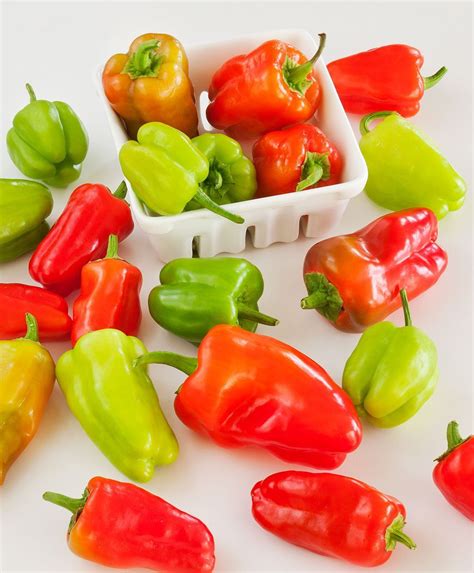
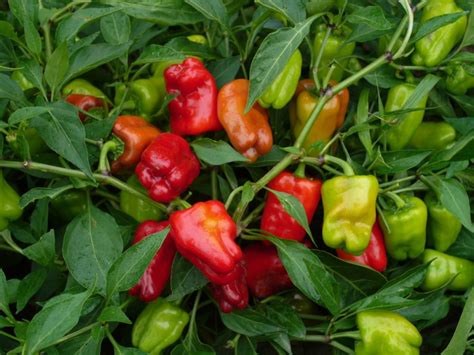
The Cajun Bell Pepper offers a unique twist on the traditional bell pepper. While sweet peppers are prized for their delicious flavor, they often lack the heat that some enthusiasts crave. The Cajun Bell Pepper defies expectations by delivering both sweetness and a moderate level of heat, ranging from 500 to 4,000 Scoville heat units (SHU). At its mildest, it offers a gentle tickle to the tongue, while at its spiciest, it provides a jalapeño-like punch. This versatile pepper is not only a delight to the taste buds but also a vibrant addition to any garden, adding a splash of color whether grown outdoors or in containers.
Cajun Belle pepper fast facts:
- Scoville heat units (SHU): 500 – 4,000 SHU
- Median heat: 2,250 SHU
- Origin: United States
- Capsicum species: Annuum
- Jalapeño reference scale: 5 times milder to equal heat
- Use: Culinary
- Size: Approximately 2 to 3 inches long, bell pepper shaped
- Flavor: Sweet
Benefits of Cajun Bell Peppers
a) Rich in Vitamins: Cajun Bell Peppers, like their bell pepper counterparts, are a nutritional powerhouse, packed with essential vitamins and minerals. They are particularly rich in Vitamin C, an antioxidant that plays a crucial role in immune health, collagen production, and skin vitality. Incorporating Cajun Bell Peppers into your diet can help boost your Vitamin C intake, supporting your body’s defense against infections and promoting overall well-being.
b) Boosts Metabolism: The mild spiciness of Cajun Bell Peppers can provide a gentle boost to your metabolism, aiding in calorie burning and weight management. Capsaicin, the compound responsible for the pepper’s heat, has been shown to increase thermogenesis, the process by which your body generates heat and energy from digesting food. By adding Cajun Bell Peppers to your meals, you can potentially enhance your metabolic rate and promote fat oxidation, supporting your weight loss or weight maintenance goals.
c) Digestive Health: While Cajun Bell Peppers are not as spicy as some other pepper varieties, they still contain capsaicin, a bioactive compound known for its digestive health benefits. Capsaicin has been shown to stimulate gastric juices and improve digestion, reducing bloating, gas, and indigestion. Incorporating Cajun Bell Peppers into your diet can help promote healthy digestion and alleviate discomfort associated with gastrointestinal issues, supporting overall digestive wellness.
d) Antioxidant Properties: Cajun Bell Peppers contain a diverse array of phytochemicals and carotenoids, including beta-carotene, lutein, and zeaxanthin, which act as powerful antioxidants in the body. These antioxidants help neutralize harmful free radicals, which are unstable molecules that can damage cells and contribute to chronic diseases such as cancer, heart disease, and inflammation. By consuming Cajun Bell Peppers regularly, you can provide your body with a potent dose of antioxidants, supporting your overall health and well-being.
e) Eye Health: Beta-carotene, a precursor to Vitamin A, is abundant in Cajun Bell Peppers and is essential for maintaining healthy vision. Vitamin A plays a crucial role in the health of the retina and other components of the eye, helping to prevent night blindness, macular degeneration, and other vision problems. Adding Cajun Bell Peppers to your diet can contribute to your daily intake of beta-carotene, supporting optimal eye health and vision.
Cultivating Cajun Bell Peppers
a) Planting Time: To ensure optimal growth, it’s best to plant Cajun Bell Peppers after the last frost when the soil has warmed up sufficiently. These peppers thrive in warm conditions, so planting them when the risk of frost has passed will give them a good head start. This timing typically falls in late spring or early summer, depending on your location and local climate.
b) Soil and Sun: Cajun Bell Peppers prefer well-draining soil that is rich in organic matter. Choose a sunny spot in your garden or container where the peppers will receive at least 6-8 hours of sunlight per day. Adequate sunlight is essential for the plants to produce healthy foliage and set fruit. If you’re planting in containers, ensure they have proper drainage to prevent waterlogging.
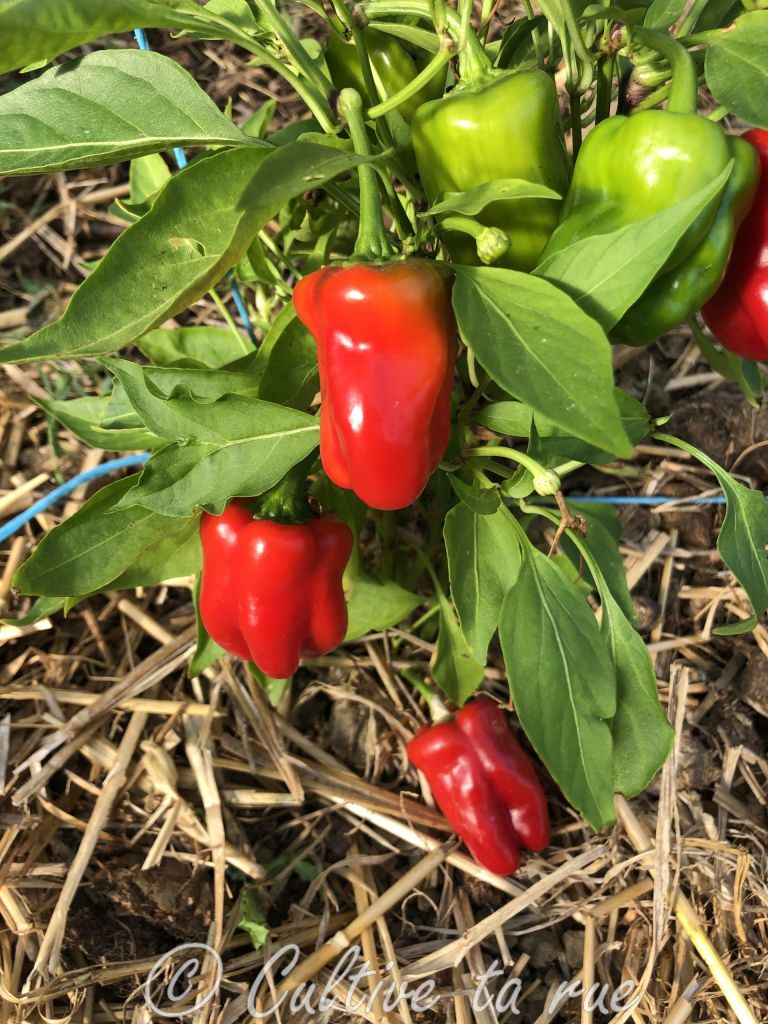
c) Watering: While Cajun Bell Peppers need consistent moisture to thrive, it’s essential to avoid overwatering, which can lead to root rot and other problems. Water the plants deeply but infrequently, allowing the soil to dry out slightly between waterings. Mulching around the base of the plants can help retain soil moisture and regulate temperature, especially during hot, dry periods.
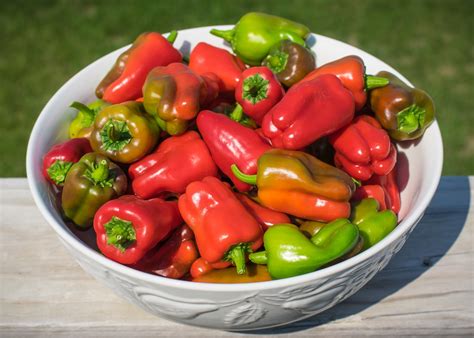
d) Harvesting: Cajun Bell Peppers typically mature in about 60-80 days after planting, depending on the specific variety and growing conditions. Harvest the peppers when they reach their mature size, usually around 3-4 inches in length, and are firm to the touch with a glossy sheen. Use a sharp pair of scissors or garden shears to snip the peppers from the plant, leaving a short stem attached. Regular harvesting encourages the plants to produce more fruit throughout the growing season, so be sure to check your pepper plants regularly once they start producing.
Culinary Uses of Cajun Bell Peppers
a) Stuffed Peppers: Cajun Bell Peppers’ compact size lends themselves perfectly to being stuffed with a variety of delicious fillings. Whether you opt for a traditional rice and ground meat mixture or get creative with quinoa, beans, and cheese, these peppers make for delightful bite-sized appetizers or hearty side dishes.
b) Salsas and Relishes: Chop up Cajun Bell Peppers and combine them with juicy tomatoes, crisp onions, tangy lime juice, and fragrant herbs to create a zesty salsa or relish. This vibrant condiment adds a burst of flavor to tacos, grilled meats, or even as a dip for tortilla chips.
c) Stir-Fries: Give your stir-fries a Southern twist by incorporating sliced Cajun Bell Peppers. Their bold flavor and mild heat complement a variety of ingredients, from tender chicken and crunchy vegetables to succulent shrimp and savory sauces. The peppers add both color and depth to your stir-fry, making for a satisfying and flavorful dish.
d) Pickling: Thanks to their size and robust flavor profile, Cajun Bell Peppers are ideal candidates for pickling. Whether you prefer them tangy and sweet or boldly spiced, pickled Cajun Bell Peppers offer a versatile condiment that can be enjoyed year-round. Serve them alongside sandwiches, salads, or charcuterie boards for an extra kick of flavor.
e) Grilling: Elevate your outdoor cooking game by grilling Cajun Bell Peppers to perfection. Simply drizzle them with a bit of oil, season with your favorite Cajun spices or a sprinkle of salt and pepper, and grill until tender and slightly charred. These grilled peppers make a flavorful addition to burgers, sandwiches, salads, or enjoyed on their own as a tasty side dish.
Precautions and Considerations
While Cajun Bell Peppers offer a delightful kick to dishes, individuals sensitive to spicy foods should approach them with caution. Though milder compared to many chili peppers, these peppers can still surprise the uninitiated with their heat. To avoid discomfort, remember to wash your hands thoroughly after handling Cajun Bell Peppers and refrain from touching your face, particularly the eyes.
In essence, Cajun Bell Peppers represent a vibrant fusion of the mild sweetness of bell peppers and the fiery intensity of chilies. They embody the essence of Southern cuisine — rich in flavor, warmth, and tradition. Whether adding depth to classic recipes or experimenting with new culinary delights, the Cajun Bell Pepper stands as a spicy gem that promises to infuse your dishes with bold, unforgettable flavors.

How was the Cajun Bell pepper invented/Hybrid?
LikeLike
Best guess is that it was a belle pepper cross pollinated with a jalapeño.
LikeLike