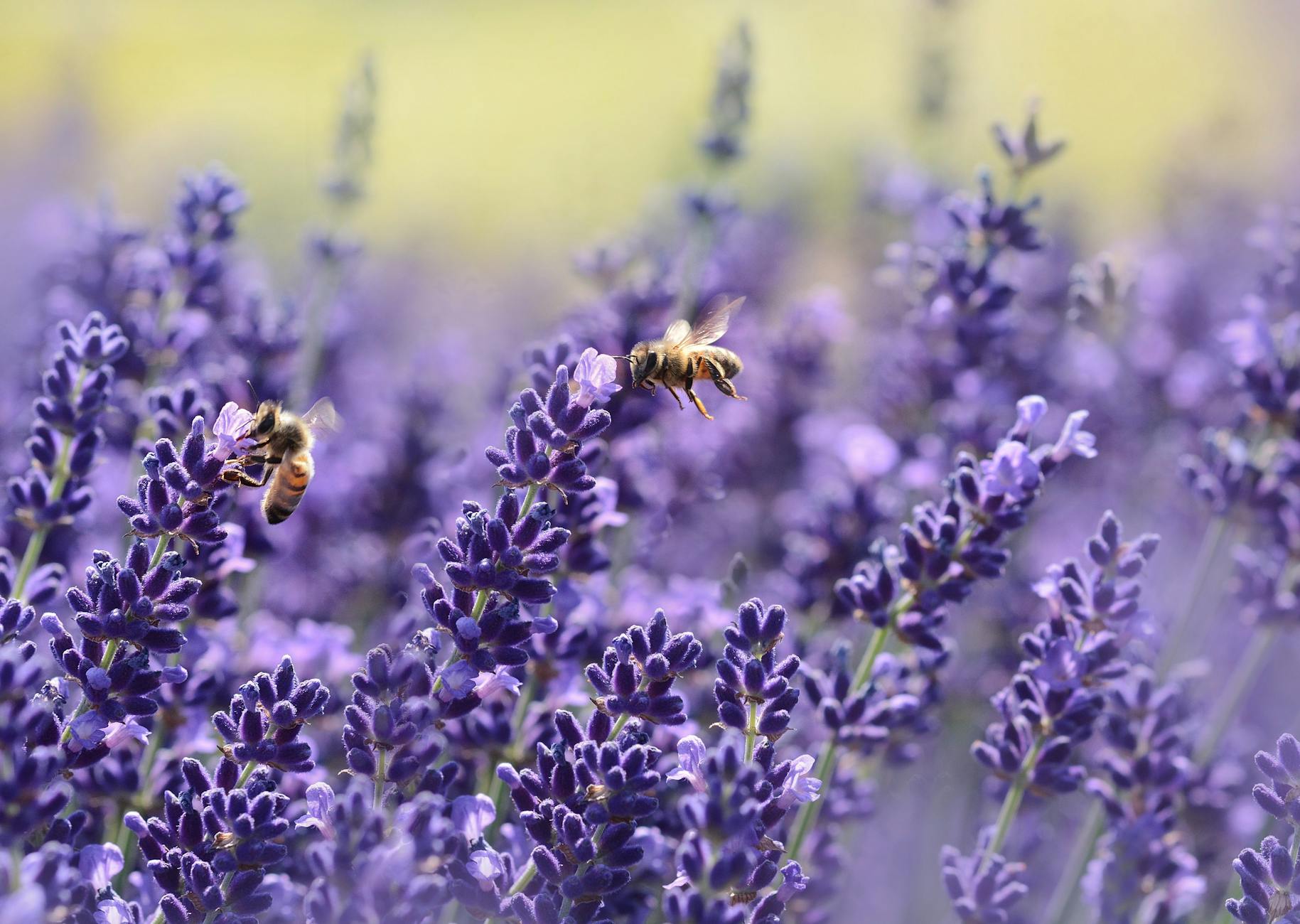
Lavender, with its slender stems and vibrant purple flowers, is more than just a visual delight. Known for its unmistakable aromatic scent, this herb has been revered for millennia across cultures for its medicinal, spiritual, and culinary uses. In this exploration, we’ll delve into the aromatic world of lavender, touching upon its storied past, health benefits, harvesting methods, and multifaceted applications.
Exploring the Rich History of Lavender
Lavender, with its delicate fragrance and versatile properties, boasts a fascinating history that spans millennia, tracing back to ancient civilizations and continuing to enchant us today. Derived from the Latin word ‘lavare,’ meaning ‘to wash,’ lavender’s association with cleanliness and purification dates back to antiquity.
Ancient Civilization: Lavender was highly esteemed by civilizations such as the Romans and Greeks, who used it to scent their bathwater, recognizing its calming and cleansing properties. This early usage was a testament to its soothing effects on the mind and body.
Spiritual and Cultural Significance: Lavender held significant spiritual and cultural importance across various ancient societies. It played a role in religious rituals, symbolizing purity and protection. In ancient Egypt, lavender was used in the mummification process, highlighting its preservation qualities. Additionally, it found its way into festive celebrations, adding a touch of aromatic elegance to special occasions.
Middle Ages: During the Middle Ages, lavender took on new symbolism as an emblem of love and romance. It was often used as an aphrodisiac and incorporated into love potions and charms, reflecting its association with passion and desire.
Renaissance Revival: By the time of the Renaissance, lavender’s antiseptic properties gained recognition and popularity. Lavender waters became prized for their cleansing and healing properties, used to disinfect hospitals and treat wounds, showcasing the herb’s medicinal value.
Continued Legacy: Today, lavender continues to captivate us with its timeless charm and therapeutic benefits. From aromatherapy and skincare to culinary delights and home décor, lavender’s rich history has paved the way for its enduring popularity and widespread use in modern times.
Benefits of Lavender
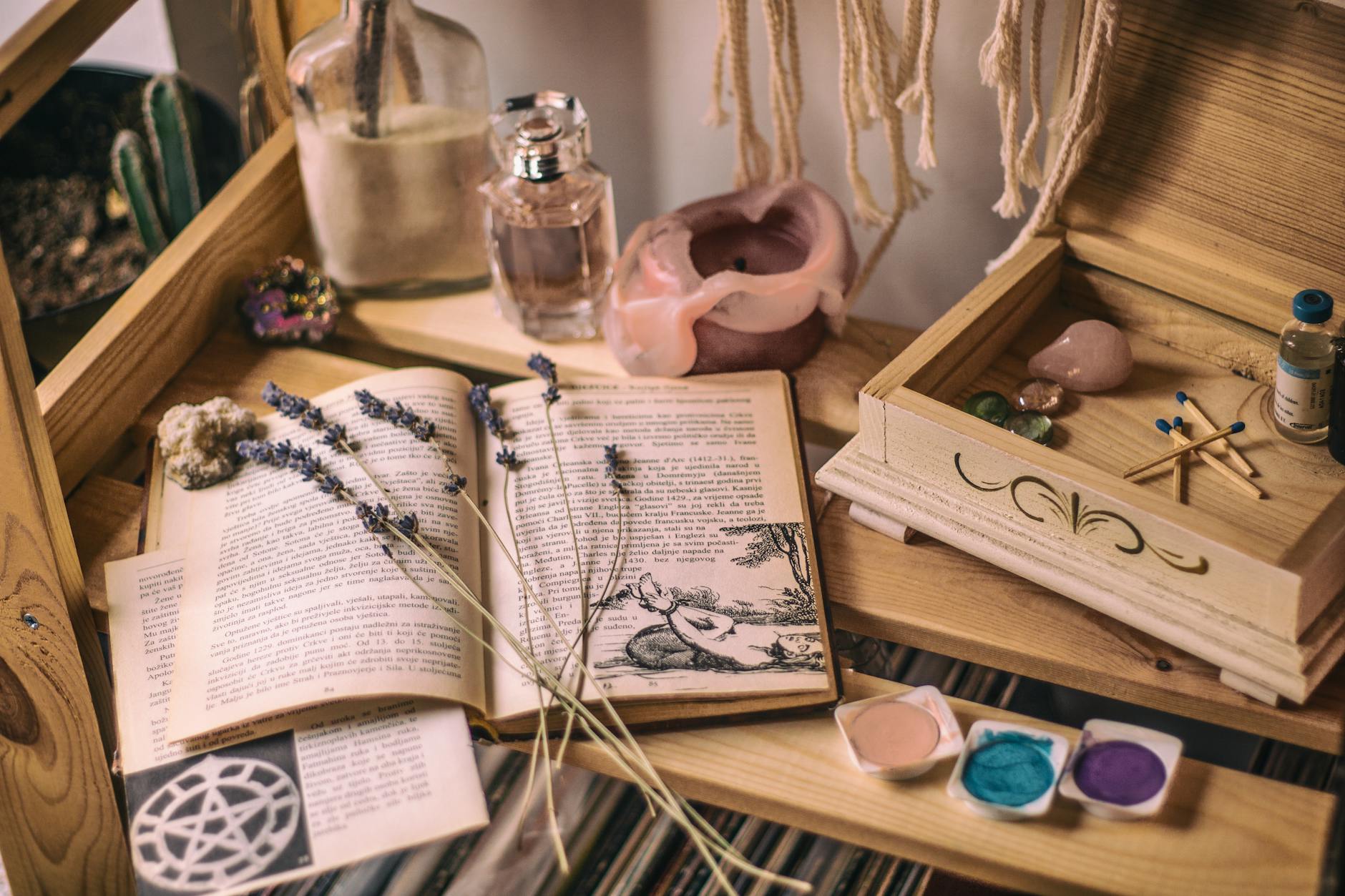
Before delving into the myriad benefits of lavender, it’s worth noting the profound impact this versatile herb can have on both physical and mental well-being. From alleviating stress and anxiety to soothing skin irritations and promoting restful sleep, lavender offers a holistic approach to health and relaxation. By incorporating lavender into your daily routine, whether through aromatherapy, skincare, or herbal remedies, you can harness the therapeutic power of this ancient herb to enhance your overall quality of life. Now, let’s explore the remarkable benefits of lavender in greater detail.
Anxiety and Stress Relief: Lavender is most renowned for its calming properties, making it a go-to remedy for stress, anxiety, and insomnia. Its soothing scent can help promote relaxation and improve sleep quality. Incorporating lavender into your bedtime routine, such as through a lavender-scented pillow spray or a warm lavender-infused bath, can create a tranquil atmosphere conducive to restful sleep.
Antiseptic and Anti-inflammatory: Lavender oil is known to reduce inflammation and act as a natural antiseptic, making it effective in treating minor burns and insect bites. Applied topically, it can soothe irritated skin and promote healing. Its antimicrobial properties also make it useful in preventing infection in minor wounds, cuts, and scrapes. Additionally, lavender’s gentle nature makes it suitable for all skin types, including sensitive skin, providing relief without causing further irritation.
Digestive Health: Lavender tea can alleviate symptoms like bloating, gas, and stomach upsets. Its carminative properties help relax the digestive system and relieve discomfort. Additionally, lavender’s soothing aroma can have a calming effect on the stomach, reducing feelings of nausea and promoting overall digestive wellness. Incorporating lavender tea into your daily routine may help maintain a healthy digestive tract and alleviate common gastrointestinal issues.
Skin and Hair: Lavender’s anti-inflammatory and antiseptic properties can combat acne and skin irritation, while also promoting hair health. Lavender-infused products are popular for their ability to cleanse and soothe the skin, making them ideal for individuals with sensitive or problematic skin conditions. Whether used in skincare formulations or as part of a hair care routine, lavender can contribute to overall skin and hair wellness.
Pain Relief: Lavender essential oil can be used in massages to relieve muscle and joint pain. Its analgesic properties help reduce discomfort and promote relaxation, making it a popular choice for aromatherapy and holistic healing practices. Incorporating lavender oil into massage oils or bath blends can provide soothing relief from various types of pain, promoting a sense of well-being and overall relaxation.
Comprehensive Guide to Harvesting Lavender
Harvesting lavender is a rewarding task that requires careful timing and attention to detail to ensure optimal fragrance and oil concentration. Follow these steps for a successful lavender harvest:
- Timing: The best time to harvest lavender is when about half of the flower spikes have opened. This is typically when the buds are just beginning to open but haven’t fully bloomed yet. Harvesting at this stage ensures maximum oil concentration and fragrance in the flowers.
- Picking: Use a sharp pair of scissors or pruning shears to cut the lavender stems. Cut the stems just above the first set of leaves, leaving a few inches of green foliage on the plant. This encourages regrowth and helps the plant maintain its shape. Avoid cutting into old wood, as this can hinder the plant’s ability to produce new growth.
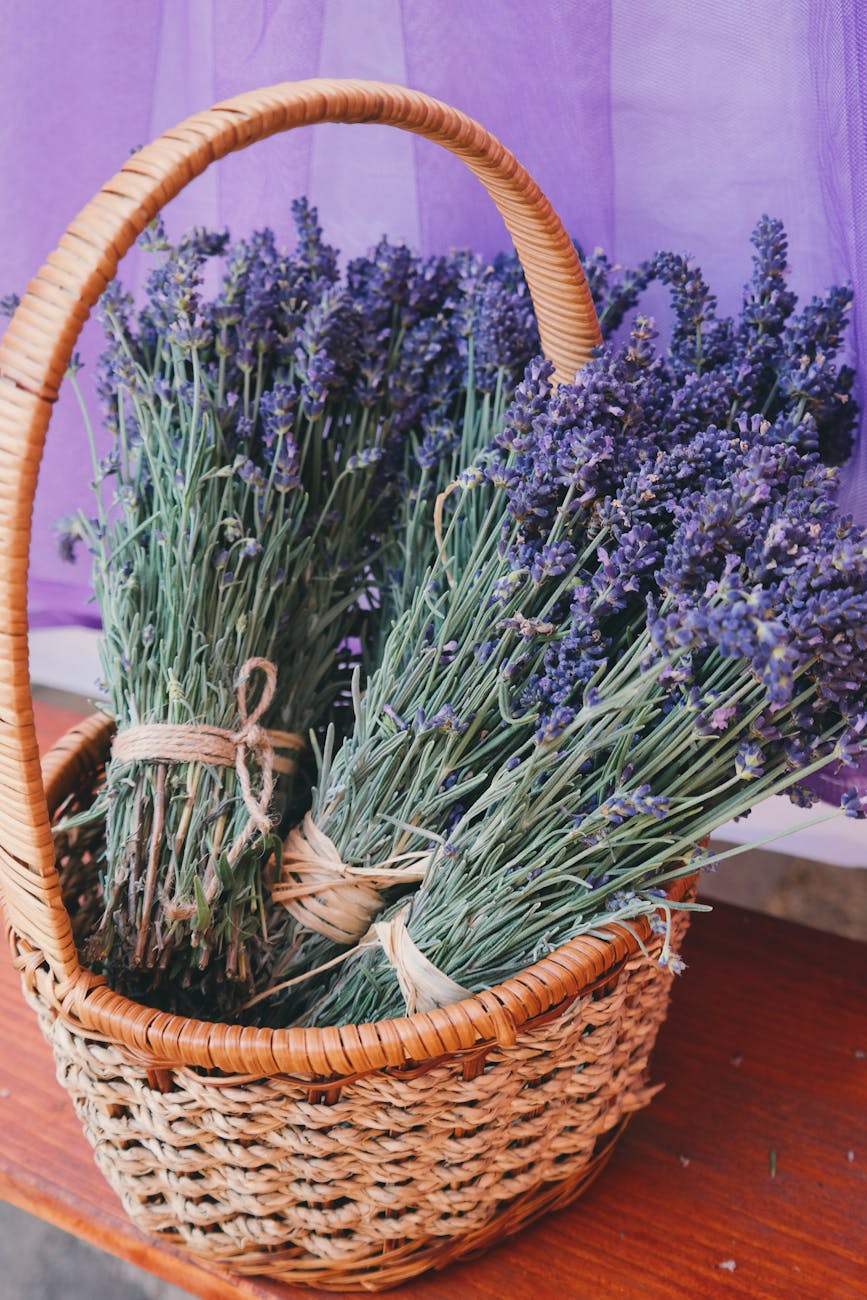
- Drying: Bundle the harvested lavender stems together and secure them with twine or rubber bands. Hang the bundles upside down in a cool, dark, and well-ventilated area. This allows for proper air circulation around the flowers and helps prevent mold or mildew from forming. The drying process can take anywhere from one to three weeks, depending on the humidity levels in your area. Once the lavender is fully dried, store the bundles in a cool, dark place away from direct sunlight until ready to use.
By following these simple steps, you can harvest lavender at its peak freshness and fragrance, ready to be enjoyed in a variety of culinary, medicinal, and craft projects.
Uses of Lavender
Lavender Tea: Brewing a cup of lavender tea using dried lavender buds offers not only a delightful floral aroma but also a soothing and calming effect. Sipping lavender tea before bedtime can help relax the mind and body, promoting restful sleep. Additionally, due to its natural digestive properties, lavender tea can aid in soothing an upset stomach or relieving bloating and gas discomfort, making it a versatile herbal remedy for overall well-being.
Culinary Delight: Incorporating lavender buds into culinary creations adds a unique and aromatic flavor profile to dishes. From lavender-infused desserts like cakes, cookies, and ice creams to savory dishes such as roasted meats or grilled vegetables, lavender can elevate the taste experience with its floral and slightly sweet notes. When using lavender in cooking, it’s essential to start with small amounts to avoid overpowering the dish and to ensure a harmonious balance of flavors.
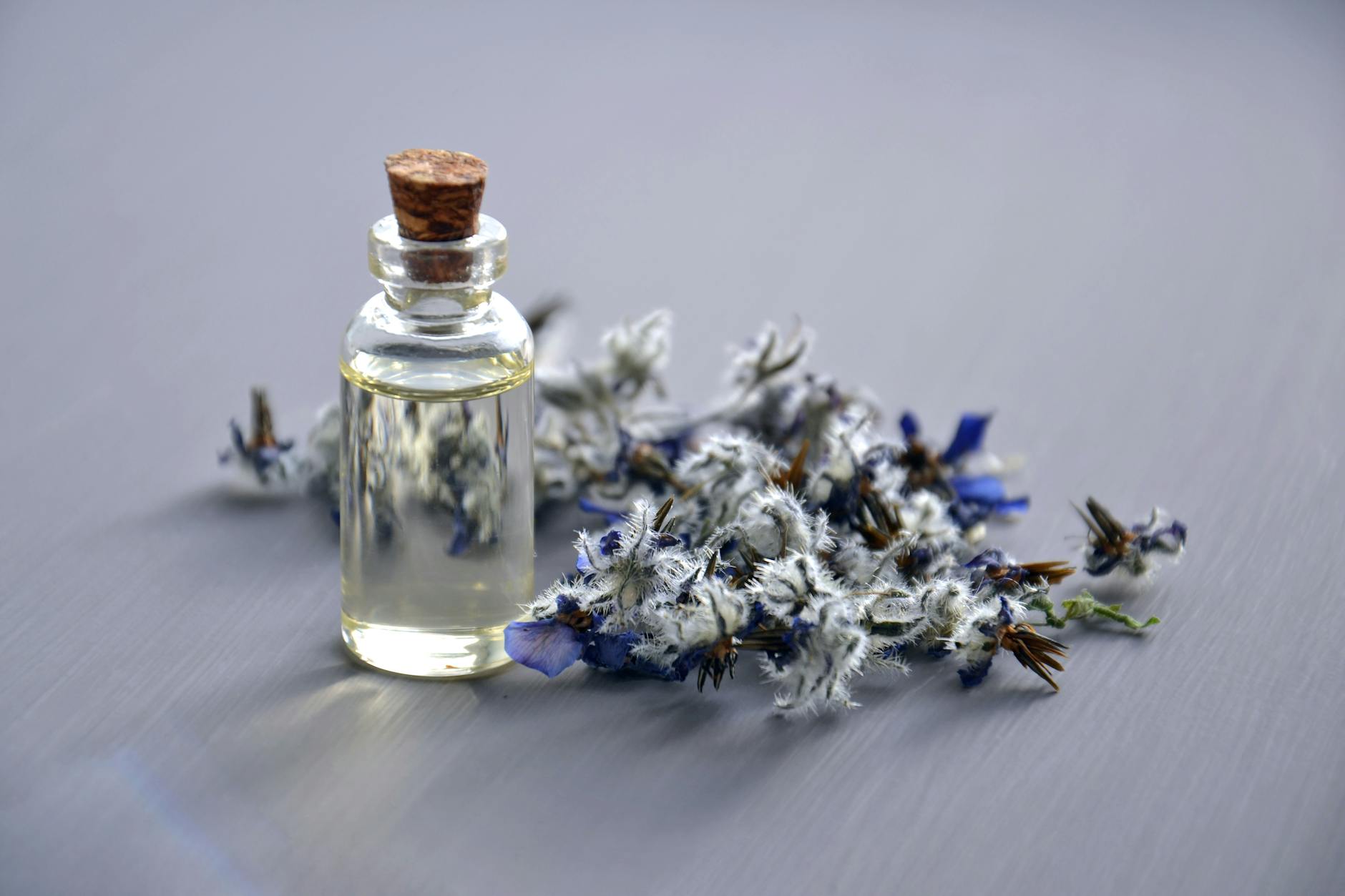
Essential Oil: Lavender essential oil, extracted from the flowers through steam distillation, is highly valued in aromatherapy for its calming and relaxing properties. Diffusing lavender oil in the home or adding a few drops to a bath can create a tranquil atmosphere, reducing stress and anxiety levels. Additionally, lavender oil can be diluted with a carrier oil and applied topically to soothe skin irritations, promote relaxation, and even alleviate headaches or muscle tension.
Sachets and Potpourri: Dried lavender buds make excellent ingredients for creating fragrant sachets or potpourri. Placing lavender sachets in drawers or closets not only imparts a fresh and floral scent but also helps repel moths and insects due to lavender’s natural insect-repelling properties. Similarly, mixing dried lavender buds with other aromatic herbs and botanicals can create delightful potpourri blends that add a touch of elegance and freshness to any room.
Bath and Body Care: Lavender’s soothing and anti-inflammatory properties make it a popular choice in bath and body care products. From lavender-scented bath salts and shower gels to lavender-infused lotions and soaps, these products offer relaxation and skin-nourishing benefits. The calming scent of lavender can help reduce stress and promote a sense of well-being during self-care routines, making lavender-infused bath and body products a luxurious treat for both the body and the mind.
Precautions
While lavender is generally considered safe for most individuals, it’s crucial to exercise caution, especially when using lavender essential oil. Some people may experience allergic reactions or skin irritation when exposed to lavender oil, so it’s advisable to perform a patch test before widespread use. Additionally, lavender oil should always be diluted with a carrier oil before applying to the skin to minimize the risk of irritation or sensitization. It’s essential to avoid ingesting lavender essential oil without the guidance of a qualified healthcare professional, as ingestion can lead to adverse effects. Pregnant or nursing individuals should also consult with their healthcare provider before using lavender products to ensure safety for themselves and their babies.
Moreover, while lavender is generally safe for external use, prolonged exposure to lavender fragrance or products may trigger headaches or respiratory irritation in some individuals, particularly those with preexisting sensitivities. As with any herbal remedy or essential oil, it’s essential to use lavender products in moderation and discontinue use if any adverse reactions occur.
Lavender remains a timeless symbol of nature’s healing and aromatic wonders. Its versatile applications, from promoting relaxation to soothing skin irritations, continue to captivate and benefit individuals worldwide. Whether enjoyed as a fragrant bouquet, an essential oil, or an herbal infusion, lavender’s gentle yet potent properties offer a sensory journey that rejuvenates the body, mind, and spirit.

