
Rabbit farming is emerging as an ethical and sustainable source of protein that offers numerous advantages for both consumers and the environment. As the world grapples with the challenges of sustainable food production, rabbit farming stands out as a model that deserves attention. Here are the key advantages of rabbit farming:
Low Environmental Footprint
a) Efficient Feed Conversion: Rabbits are incredibly efficient at converting feed into meat. They require less feed per pound of meat compared to many other livestock, which reduces the overall environmental impact.
b) Reduced Greenhouse Gas Emissions: Rabbit farming produces fewer greenhouse gas emissions compared to larger livestock like cattle. This makes it a more environmentally friendly protein source.
c) Space and Resource Efficiency: Rabbit farming requires less land, water, and food compared to traditional livestock farming. This efficient use of resources contributes to a smaller ecological footprint.

High Reproductive Efficiency
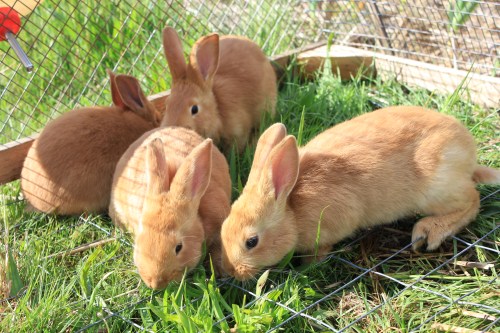
Rabbits possess remarkable reproductive capabilities, making them a prime choice for sustainable protein production. Here’s why their prolific breeding is advantageous:
- Rapid Reproduction: With our strategic breeding program, which includes three bucks covering thirteen does, we maximize the reproductive potential of our rabbits. Unlike many other livestock species, rabbits are induced ovulators, meaning they don’t have a heat cycle like cattle, hogs, or horses. This unique reproductive trait allows us to set our own breeding schedule, enabling us to achieve several litters annually. By capitalizing on the efficiency of induced ovulation, we optimize our breeding program to yield multiple litters of kits each year, ensuring a steady supply of offspring.
- Short Gestation Period: Female rabbits, known as does, have a naturally brief gestation period of around 28 to 31 days, facilitating a rapid turnover between litters. While this allows for quick breeding cycles, we prioritize the well-being of our does by implementing a breeding schedule that allows for a 56-day interval between breedings. This deliberate approach ensures that our does have a four-week break between the weaning of one litter and the onset of the next pregnancy. While in a colony setup, does may naturally breed again shortly after giving birth, our management practices prioritize their health and welfare by providing them with adequate rest periods between reproductive cycles.
- Variable Litter Sizes: While each litter typically ranges from 4 to 12 kits, it’s important to note that litter sizes can vary. We’ve observed singleton litters as well as those with only 2 or 3 kits, with some does consistently producing smaller litters. For instance, one of our does is known for consistently birthing only 3 kits per litter. Despite this variability, our breeding program maximizes the potential for offspring in each breeding cycle, taking into account the natural tendencies of individual rabbits.
- Early Sexual Maturity: Rabbits exhibit varying rates of sexual maturity depending on their breed. While smaller breeds typically reach sexual maturity at around 5 to 6 months old, larger breeds, such as the ones we are transitioning to, may take longer, typically reaching maturity between 9 to 12 months of age. Despite this variation, once mature, does become capable of breeding, enhancing the overall breeding efficiency of rabbit farming operations.
- Minimal Space Requirements: Rabbits are renowned for their adaptability to small living spaces, making them an ideal choice for farmers and homesteaders with limited acreage. While this remains true, we are committed to enhancing the well-being of our rabbits by ensuring they have more than just minimal space. As part of our ongoing efforts, we are working towards transitioning our rabbits into larger enclosures by mid-summer, allowing them the opportunity to engage in natural behaviors such as digging and playing. To facilitate this, we will provide them with dig containers featuring solid bottoms, akin to a sandbox, to prevent them from digging out of their enclosures. By prioritizing their physical and behavioral needs, we aim to create a more enriching and fulfilling environment for our rabbits.
Harnessing the high reproductive efficiency of rabbits enables farmers to efficiently produce protein-rich meat, fur, and other valuable byproducts in a sustainable and cost-effective manner.
Diversified Farming Systems
Rabbit farming can seamlessly integrate into diversified farming systems, offering numerous benefits and opportunities for synergy. Here’s how:
- Complementary Grazing: Rabbits can graze on various forage crops, effectively utilizing marginal or unused land within the farm.
- Nutrient Cycling: Rabbit manure is a valuable source of fertilizer, rich in nitrogen and other essential nutrients. It can be composted and used to fertilize crops, closing the nutrient loop within the farming system.
- Pest Control: Rabbits can help manage weeds by grazing on unwanted vegetation, reducing the need for herbicides and manual labor.
- Integration with Crop Production: Rabbits can be raised alongside crops such as vegetables, fruits, or grains, providing additional income streams and diversifying farm revenue.
- Utilization of Byproducts: Crop residues or surplus produce can be fed to rabbits, minimizing waste and maximizing resource efficiency.
- Soil Health Improvement: Rabbit activity, including digging and grazing, can aerate the soil and enhance soil structure, promoting healthier plant growth.
- Integrated Pest Management (IPM): Rabbits can play a role in IPM strategies by preying on insects and pests, contributing to natural pest control efforts.
By incorporating rabbit farming into diversified farming systems, farmers can enhance sustainability, increase resilience, and optimize resource utilization across their operations. This integration provides several benefits:
- Reduced Need for Chemical Pesticides: Rabbits help control weeds and pests in crop fields, reducing reliance on chemical pesticides.
- Enhanced Soil Fertility: Rabbit manure is rich in nutrients and serves as an excellent natural fertilizer. It enhances soil fertility and can be used to improve crop yields.
- Balanced Diets: The presence of rabbits on a farm can diversify the diet of other animals like poultry, helping to reduce the need for single-source commercial feeds. Additionally, integrating rabbits into the farming system promotes a more balanced nutrient cycle, contributing to overall ecosystem health and resilience.

Ethical Considerations: Promoting the Welfare of Our Rabbits
As we explore the myriad benefits of integrating rabbit farming into diversified farming systems, it becomes evident that sustainability encompasses more than just optimizing resource utilization. Ethical considerations play a crucial role in shaping our approach to farming practices. Upholding the welfare of our animals is paramount, reflecting our commitment to ethical and sustainable protein production. By prioritizing humane treatment, providing access to veterinary care, and promoting enrichment activities, we ensure that our rabbits thrive within our farming ecosystem. Let’s delve deeper into the ethical considerations that underpin our approach to rabbit farming, highlighting the importance of responsible stewardship and ethical practices in our pursuit of sustainable protein sources.
- Humane Treatment: At our rabbit farm, ethical and humane treatment is at the core of our practices. We prioritize providing spacious, clean, and well-maintained living environments for our rabbits, ensuring they lead happy and healthy lives in alignment with our commitment to ethical farming.
- Veterinary Care: We believe in the importance of access to veterinary care for our rabbits. Regular check-ups, vaccinations, and prompt treatment of any health issues are essential components of our approach to ensuring the welfare and well-being of our animals.
- Enrichment Activities: Enrichment is key to promoting natural behaviors and mental stimulation in our rabbits. We provide a variety of enrichment activities, including toys, tunnels, and platforms, to encourage exploration and play, enhancing their quality of life and well-being.
- Less Stressful Transport: Transporting our rabbits is conducted with the utmost care and consideration for their welfare. Due to their compact size and gentle nature, rabbits experience minimal stress during transport, contributing to their overall well-being and ensuring a sustainable and ethical approach to protein production.
By prioritizing the welfare of our rabbits through ethical practices, we uphold our commitment to sustainable and responsible farming, providing consumers with a source of protein that is both ethical and environmentally conscious.

High-Quality Meat
Rabbit meat stands out for its exceptional quality, boasting a unique combination of attributes that appeal to discerning consumers. Renowned for its leanness, tenderness, and mild flavor, rabbit meat offers a delectable dining experience unlike any other. Beyond its culinary appeal, rabbit meat is celebrated for its nutritional benefits. Rich in protein and low in fat, it represents a wholesome choice for health-conscious individuals seeking to maintain a balanced diet. Moreover, rabbit meat is a notable source of essential nutrients, including iron and vitamin B12, further enhancing its nutritional profile. Let’s delve into the distinctive qualities of rabbit meat and its role as a premium protein source in the culinary world.
Potential for Urban Farming
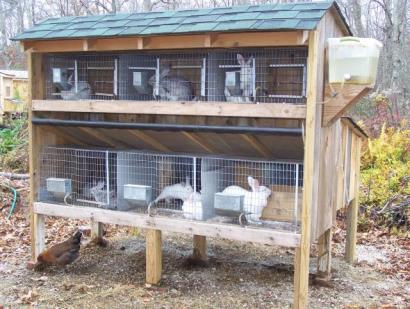
Rabbit farming emerges as a promising avenue for urban farming initiatives, offering a practical solution to the challenge of limited space in densely populated areas. Unlike traditional livestock, rabbits require minimal space, making them an ideal choice for urban and suburban dwellers seeking to cultivate their own food. The compact nature of rabbit farming allows for versatile setups, from backyard hutches to innovative multi-level enclosures like the one depicted, showcasing the adaptability of this farming practice to urban environments. By harnessing the potential of rabbit farming, urban farmers can take meaningful steps towards self-sufficiency and sustainability, contributing to a more resilient and vibrant food system within their communities.
Exploring the Future of Sustainable Protein
Rabbit farming presents a compelling case for ethical and sustainable food production, offering a myriad of benefits that resonate with modern consumers and environmentally conscious farmers alike. Its minimal environmental footprint, coupled with its high reproductive efficiency, positions rabbit farming as a promising solution for those seeking to minimize their impact on the planet while nourishing themselves with a nutritious protein source. Moreover, the potential for integrating rabbit farming into diversified farming systems underscores its versatility and resilience in the face of changing agricultural landscapes. As society continues to explore alternative protein sources, rabbit farming emerges as a beacon of sustainability and ethics, signaling a promising path towards a more sustainable and ethical food future. By embracing the potential of rabbit farming, we pave the way for a healthier, more resilient, and environmentally conscious food system for generations to come.
Ready to experience the benefits of ethical and sustainable protein firsthand? Indulge in the exquisite taste of rabbit meat, available in whole cuts, freshly sourced from our farm to your table. Discover the versatility of this premium protein as you explore our selection. Need inspiration? Explore our collection of flavorful recipes on our From Farm to Table Recipes page, designed to elevate your culinary experience. Embrace the delicious potential of rabbit meat and shop with us today!

