Eat Local. Live Wholesome. Cherish Traditions.
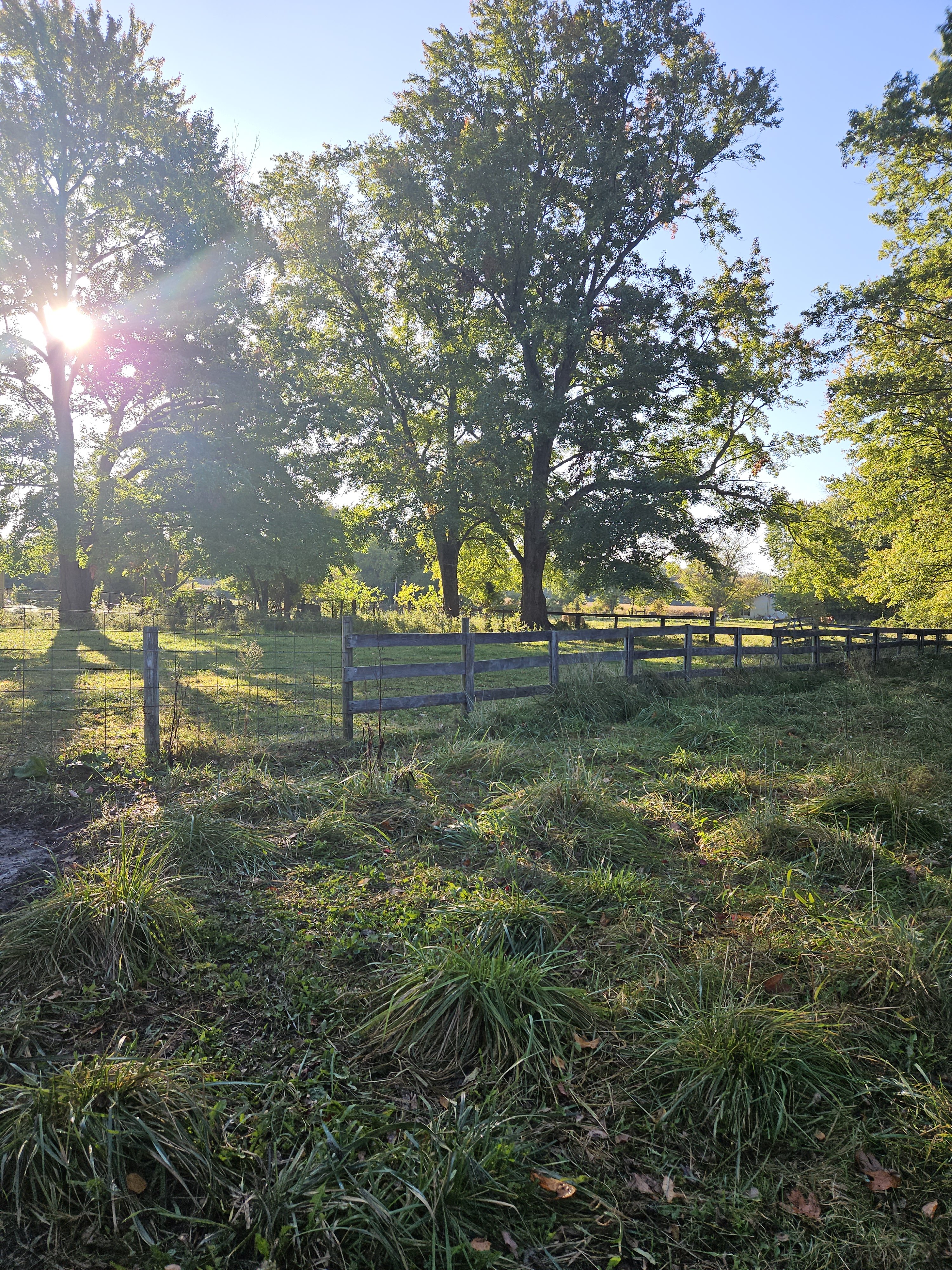
A farm is not just a plot of land with crops and animals; it is a dynamic and interconnected system where living organisms and environmental elements coexist in a delicate balance. This intricate web of relationships forms the farm ecosystem, a fascinating realm where nature and human influence intertwine.
Understanding the Farm Ecosystem:
The farm ecosystem encompasses a multitude of living and non-living components that collaborate to sustain life and promote agricultural productivity. Unlike natural ecosystems, a farm’s intricate dance of organisms and elements is often influenced and directed by human hands.
1. The Dance of Living Beings:
Flora and Fauna: The heart of any ecosystem lies in its biodiversity. On a farm, this diversity extends from the plants cultivated for food and resources to the livestock that graze and roam the fields. Each species plays a unique role, contributing to the overall health and productivity of the ecosystem.
Microorganisms: Beneath the surface, an invisible world of microorganisms works tirelessly to support plant growth and nutrient cycling. Soil bacteria, fungi, and other microorganisms contribute to the vitality of the farm’s ecosystem by breaking down organic matter and enhancing soil structure.
2. The Symphony of Non-Living Elements:
Soil and Water: The foundation of the farm ecosystem is the soil, providing a medium for plant growth and a habitat for countless organisms. Water, a precious resource, flows through the farm, sustaining life and shaping the landscape. The sustainable management of soil and water is crucial for maintaining the health of the entire ecosystem.
Air and Sunlight: The air above the farm carries essential gases for plant respiration, while sunlight fuels the process of photosynthesis. These atmospheric elements are key contributors to the energy flow within the ecosystem, driving the growth of crops and sustaining life across the farm.
3. Human Influence and Stewardship:
Farmers as Stewards: In the farm ecosystem, humans play a unique role as stewards. Farmers make decisions about crop selection, animal husbandry, and land management, directly influencing the interactions within the ecosystem. Sustainable farming practices involve a harmonious balance between productivity and environmental conservation.
Exploring the Complexity: Unraveling the Interconnected Tapestry of the Farm Ecosystem
As we embark on this journey into the heart of the farm ecosystem, the intricacies and interconnectedness of its components reveal a captivating tapestry of life. The farm, much like a living organism, operates as a dynamic system where every action and decision sets off a chain of reactions, creating a web of interdependence.
1. Crop Selection and Diversity:
The farmer’s choice of crops extends far beyond the immediate yield. It sets the tone for a series of interactions that shape the ecosystem. Each crop has its unique set of nutrient requirements, growth patterns, and effects on the soil. By cultivating diverse crops, a farmer can promote soil health, reduce the risk of pests, and enhance biodiversity.
2. Livestock and Soil Fertility:
The decision to raise livestock introduces another layer of complexity. Animals contribute to nutrient cycling by producing manure, a valuable resource for fertilizing crops. However, the balance is delicate, requiring thoughtful consideration of herd size, grazing patterns, and waste management. When managed sustainably, livestock become integral contributors to the farm’s ecological balance.
3. Sustainable Practices and Ecosystem Resilience:
Farmers committed to sustainable practices become stewards of the ecosystem, implementing strategies that minimize environmental impact. Techniques such as cover cropping, agroforestry, and integrated pest management not only enhance productivity but also contribute to the overall resilience of the farm ecosystem. The adoption of regenerative practices is akin to nurturing a thriving, self-sustaining organism.
4. Water Management:
The availability and management of water play a pivotal role in the farm’s ecosystem dynamics. Efficient irrigation systems, rainwater harvesting, and responsible water usage influence the vitality of crops, the health of livestock, and the overall sustainability of the farm. Water, a finite resource, demands careful consideration to prevent depletion and pollution.
5. Impact on Wildlife:
Beyond the crops and livestock, the farm ecosystem extends its reach to the surrounding wildlife. The choices made on the farm affect the habitats of birds, insects, and small mammals. A farm that embraces biodiversity through native plantings and habitat preservation fosters a harmonious relationship with the broader natural environment.
6. Energy Flow and Efficiency:
The energy flow within the farm ecosystem is a dynamic dance between sunlight, plants, and consumers. Sustainable energy practices, such as solar power and efficient machinery, contribute to minimizing the farm’s ecological footprint. Enhancing energy efficiency ensures that the farm operates in harmony with natural cycles.
7. Adaptive Management and Climate Resilience:
The farmer’s ability to adapt to changing conditions is crucial for the resilience of the farm ecosystem. Climate change introduces uncertainties, requiring proactive measures to mitigate risks. Strategies like diversified cropping, soil conservation, and water-efficient technologies contribute to the farm’s ability to withstand environmental challenges.
8. Community Engagement:
The farm ecosystem is not confined to its physical boundaries but extends to the community it serves. Farmers who engage with their local communities create a network of support and shared responsibility. Community-supported agriculture, educational outreach, and farmer’s markets amplify the positive impact of the farm ecosystem beyond its fields.
Conclusion: Nurturing the Farm Ecosystem
In conclusion, the farm ecosystem is a symphony of relationships, where every note resonates through the interconnected tapestry of life. As farmers, stewards, and advocates for sustainable practices, we hold the responsibility of nurturing this delicate balance. By understanding the far-reaching implications of our decisions, we can cultivate a farm ecosystem that thrives, sustains, and contributes to the well-being of the planet.
As you explore the complexities of the farm ecosystem, we invite you to be part of the conversation. Join our Facebook group to connect with like-minded individuals, share insights, and contribute to the ongoing dialogue about sustainable farming practices.
Connect with Us on the Journey!
As we embark on this exploration of the farm ecosystem, we invite you to connect with us. Join our vibrant community on Facebook, where we share insights, stories, and discussions about sustainable farming practices. Your voice matters in the dialogue about responsible agriculture and the delicate dance between nature and cultivation.
Additionally, for more personalized interactions, feel free to connect with us directly through the Let’s Chat page on our website. We value your input and look forward to sharing our passion for sustainable farming with you.
Don’t miss out on the latest updates, tips, and stories from our farm ecosystem. Sign up for our weekly newsletter and stay informed about the fascinating world of sustainable agriculture.
As we continue to explore and nurture the farm ecosystem, we welcome you to be an active part of this journey. Together, let’s celebrate the interconnected beauty of nature and agriculture.
