
Eat Local. Live Wholesome. Cherish Traditions.
Eating local transcends mere gastronomic choices; it represents a dynamic movement with far-reaching benefits for individuals and the communities they inhabit. This conscientious decision to embrace locally-produced food is a profound statement about the core values of community, sustainability, and health. Delving into the myriad ways in which eating local contributes to community building reveals a tapestry woven with economic, social, environmental, and cultural threads.
1. Empowering Local Farmers: Choosing local produce translates into direct support for local farmers and their families. This choice ensures that farmers receive a fair price for their produce, enabling them to sustain and expand their operations. The ripple effect extends beyond the individual farmer, contributing to the vitality of the agricultural sector and preserving farming as a viable livelihood within the community.
2. Catalyzing Local Economic Growth: The dollars spent on local produce become catalysts for local economic growth. As money circulates within the community, it becomes a driving force for reinvestment in local businesses and services. This multiplier effect transforms a single purchase into a series of economic transactions, fostering a robust and self-sustaining local economy.

3. Fostering Social Connectivity: Local farmers’ markets and food events emerge as more than just marketplaces; they become social hubs where neighbors converge, share stories, and forge connections. This fostering of community bonds creates a sense of belonging and interconnectedness that is essential for building a resilient and vibrant community.
4. Upholding Food Sovereignty: Embracing local food sources grants communities control over their food supply chain, fostering a sense of independence and resilience. It reduces dependency on large, distant agribusinesses, promoting food sovereignty and empowering communities to shape their own nutritional destiny.

5. Educating Through Food: Direct engagement with local farmers opens avenues for consumers to learn about farming practices, seasonal produce, and the challenges and joys of farming. This firsthand knowledge fosters a deeper appreciation for the food we consume, promoting responsible consumption and a heightened awareness of the interconnectedness of food, health, and community.
6. Nurturing Sustainability: Local farmers, intimately connected to their land and community, often adopt sustainable farming practices. Supporting them becomes a catalyst for promoting more environmentally-friendly agriculture, aligning with the growing global commitment to sustainability.

7. Mitigating Environmental Impact: Reducing the distance that food travels from farm to plate significantly cuts down transportation emissions, contributing to a substantial reduction in the community’s overall carbon footprint. This environmentally conscious choice aligns with broader efforts to combat climate change.
8. Guaranteeing Freshness and Quality: Choosing locally sourced food ensures a freshness that transcends the culinary experience. By minimizing transit time, locally produced food not only tastes superior but also retains a higher nutrient content, directly impacting the overall health and well-being of the community.

9. Preserving Cultural Heritage: Local foods are often imbued with the essence of a community’s history, culture, and traditions. Supporting local foods becomes a means of preserving unique regional dishes and agricultural practices, safeguarding cultural heritage for future generations.
10. Igniting Innovation and Entrepreneurship: The local food movement has spurred a wave of innovation and entrepreneurship, giving rise to a myriad of food-related startups, from artisanal cheese makers to craft breweries and farm-to-table restaurants. This entrepreneurial spirit breathes life into communities, fostering economic diversity and creating new employment opportunities.
11. Establishing Accountability: Reducing the distance between producer and consumer cultivates a greater level of transparency and accountability. With a more direct line of communication, farmers are responsive to the specific needs and values of their community, creating a system of accountability that benefits both producers and consumers.
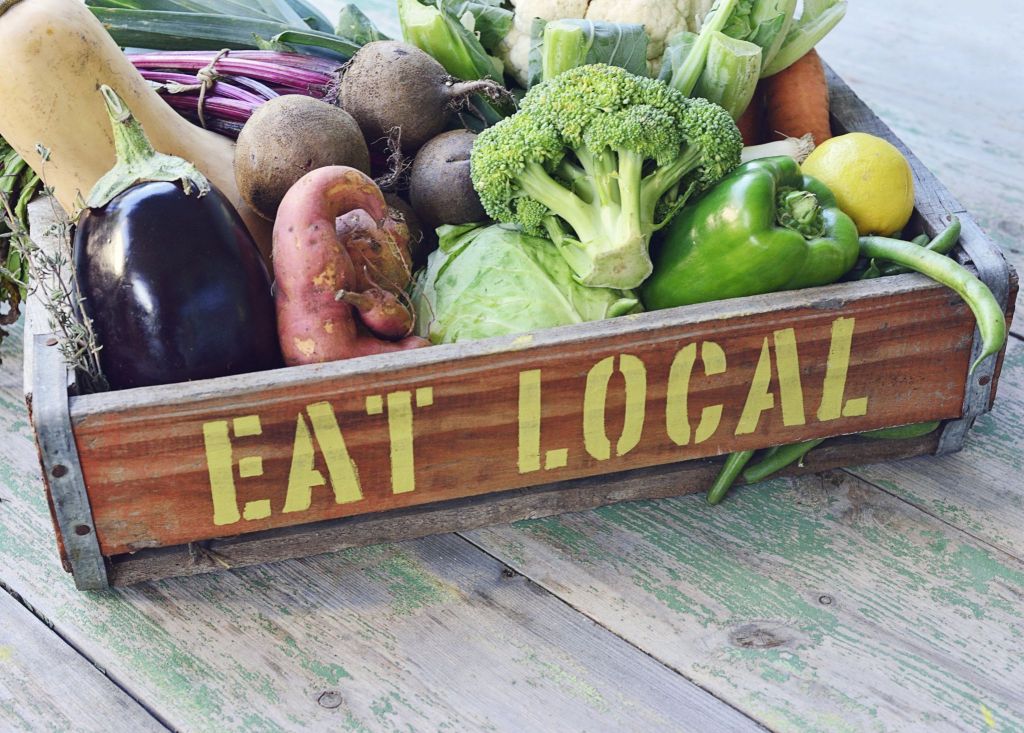
In essence, eating local is a transformative act of community-building. It intertwines individuals, fosters mutual respect and understanding, and weaves a resilient and vibrant community fabric. As the momentum of the local food movement continues to grow, individuals are empowered not only to make informed dietary choices but also to actively contribute to the creation of healthier, more sustainable, and more connected communities.
Explore Locally Sourced Goodness at Sustainable Harvest Marketplace: Ready to embrace the power of eating local? Dive into a world of exceptional taste, health benefits, and community support by exploring Sustainable Harvest Marketplace. Our commitment to ethical and sustainable farming practices ensures that each purchase contributes to a thriving local ecosystem. Make a conscious choice for your well-being and the well-being of your community. Visit Sustainable Harvest Marketplace today and embark on a journey of nourishment that transcends the plate—where every choice is a building block for a stronger and more connected community.
